Čeština
 Deutsch


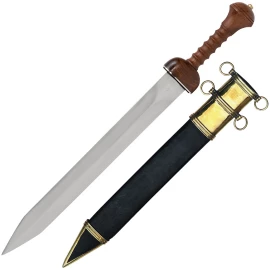
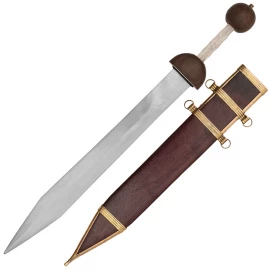
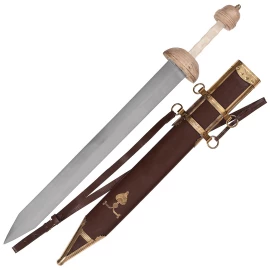
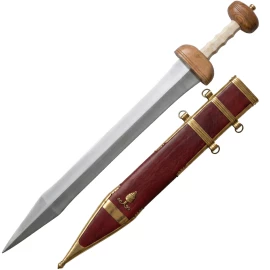
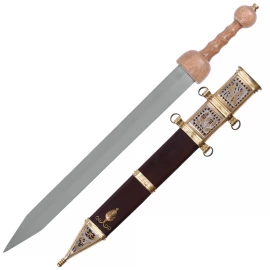
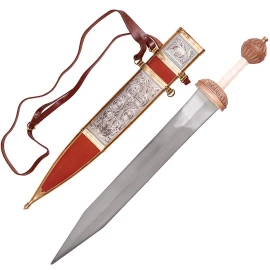
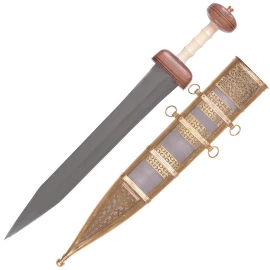
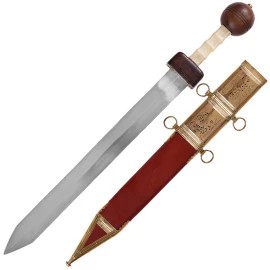
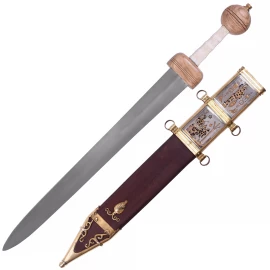
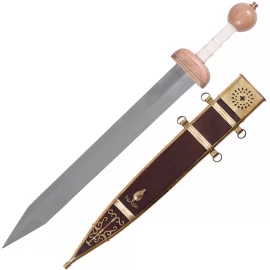
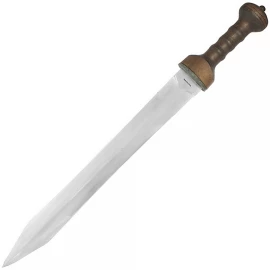
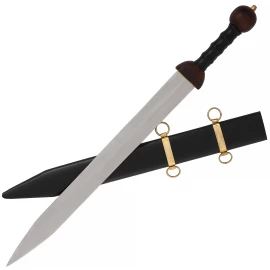
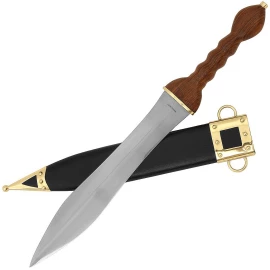
Roman Short Sword Gladius Pompeii Type


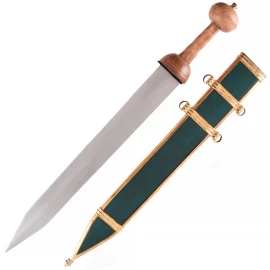
Reenactor, looking for an authentic sidearm that built the Roman Empire? The Roman Short Sword Gladius Pompeii Type transports you straight to the front lines of the imperial legions. Renowned for its superb maneuverability, straight parallel edges, and compact design, this blade was engineered for lethal efficiency in close-quarters combat. Featuring a beautifully turned ash and maple wood grip and a leather-covered wooden scabbard trimmed with brass fittings, it offers unmatched historical realism. We recommend this iconic blade for reenactors, collectors, and Roman history enthusiasts alike. Further product information ...

Would you like to be notified as soon as the item is in stock?
You will receive a short e-mail as soon as we have it back in stock.
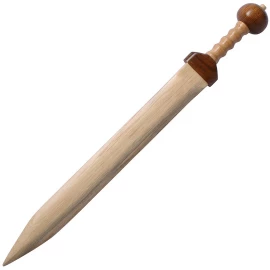
Roman Short Sword Gladius Pompeii Type with Wooden Grip
Historical Context and Battlefield Usage
Originating between the 1st century BC and the 1st century AD, the Pompeii type represents the peak evolutionary form of the Roman legionary's primary sidearm. Unlike earlier variants such as the Mainz pattern with its waisted blade, the Pompeii type features straight, parallel cutting edges and a shorter triangular tip. Roman military doctrine was strictly pragmatic: the gladius was optimized for tight shield-wall formations behind the scutum. Legionaries favored swift, short thrusts over wide slashes. Furthermore, the simplified blade design made mass production easier, enabling the Empire to equip thousands of soldiers quickly.
Origins of the Name Pompeii
This sword type derives its name from the ancient Roman city of Pompeii. Preserved under meters of volcanic ash following the catastrophic eruption of Mount Vesuvius in AD 79, intact archaeological specimens were excavated from the city's ruins. The designation honors this vital historical site, which provided historians with unparalleled evidence of Roman military equipment during the Principate era.
Technical Specifications
| Blade Material | 1065 High Carbon Steel |
|---|---|
| Grip Material | Turned Ash and Maple Wood |
| Scabbard | Wood wrapped in leather with brass fittings and 4 rings |
| Overall Length | 69.2 cm / 27.2 in |
| Blade Length | 51.7 cm / 20.4 in |
| Blade Width at Guard | 5.3 cm / 2.1 in |
| Blade Thickness at Guard | 4.5 mm / 0.18 in |
| Guard Width | 7.2 cm / 2.8 in |
| Edge Thickness | 1 mm / 0.04 in |
| Sword Weight | 780 g / 1.72 lbs |
| Total Weight with Scabbard | 1172 g / 2.58 lbs |
Maintenance and Safety Guidelines
The high carbon steel blade requires regular care to prevent oxidation. Keep the blade dry and apply a light coat of gun oil or mineral oil after every handling. Protect the wooden hilt and leather scabbard from excessive moisture and heat sources.
Safety Warning: For safety reasons, this product is a decorative historical replica and is not designed for contact fencing, stage combat, or cut testing. Because it features a narrow edge, it must not be used for steel-on-steel combat or blade sparring to prevent damage and personal injury.
Recommended 1st Century AD Accessories
To complete your authentic 1st-century AD Roman legionary impression, we recommend pairing this gladius with:
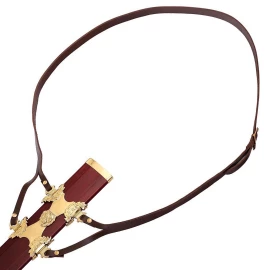
- Military Belt (Cingulum Militare): Leather belt with brass plates and suspension rings for your scabbard and dagger.
- Roman Dagger (Pugio): The secondary sidearm worn on the legionary's left hip.
- Legionary Shield (Scutum): The iconic curved rectangular shield crucial for Roman infantry tactics.
- Chainmail (Lorica Hamata) or Segmented Armor (Lorica Segmentata): Period-accurate body armor of the Roman legions.
We are here for you!