
 Čeština
 Deutsch


A Taste of the Middle Ages: What People Ate (and Drank) in Medieval Times
 Interesting facts of the past
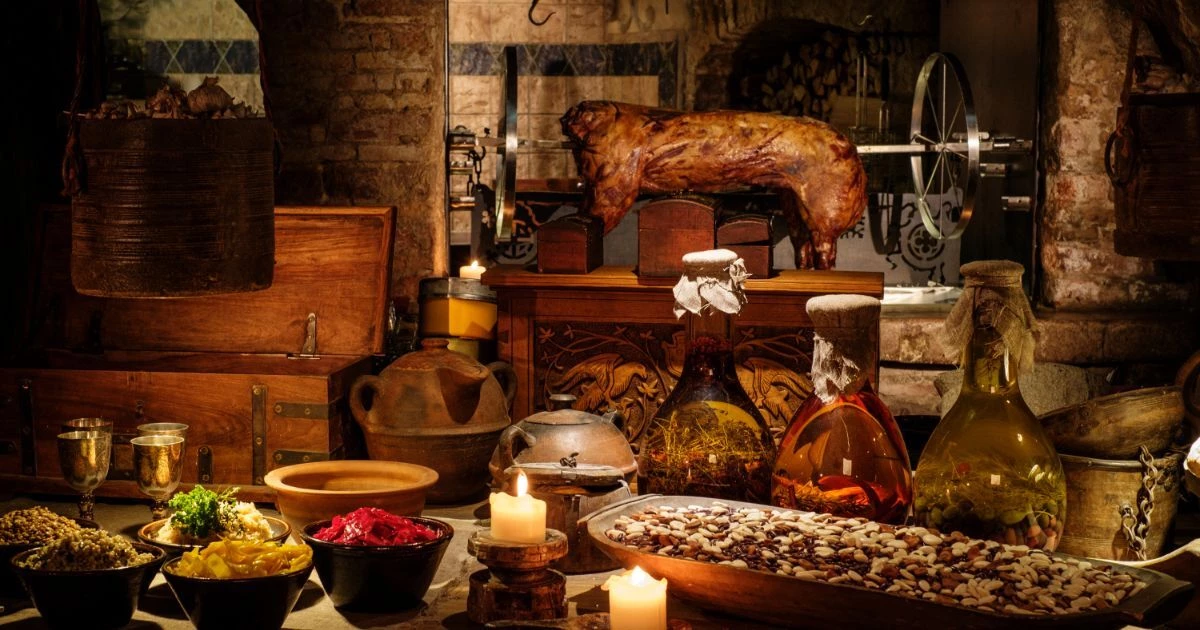
The medieval menu was anything but one-size-fits-all. What you ate (and how well you ate) depended on your social class, your wealth, and sometimes even where you happened to live. A noble’s feast looked nothing like a peasant’s dinner. So, grab a wooden spoon and step into the smoky kitchens of the Middle Ages. We will show you around! You will learn how food separated nobles from common folk, and why even a simple word like “fasting” could have different interpretations back then.
Contents
Your Class Shaped Your Menu
By the High Middle Ages, society had sorted itself neatly (if not fairly) into three distinct estates:
- The Nobility – the top of the food chain, quite literally. These were the lords and ladies ruling the roost (and the roast)
- The Clergy – those who served as the mediators between God and the people
- The Subjects – the backbone of the medieval world, working the fields owned by the nobles
Your place in this pecking order decided not just your standing in the medieval society , but also what ended up in your bowl. For some, it was rich venison and imported spices; for others, a simple stew – heavy on the cabbage, light on the meat.
The gap between nobles and common folk was enormous – and nowhere was it clearer than at the dinner table.
The Common Folk’s Fare
- For most people, food was simple, hearty, and, well, pretty repetitive. Their meals revolved around grains like barley, rye, and oats; legumes such as peas and beans, and the humble heroes of medieval cooking – onions, garlic, and cabbage.
- Every now and then, dairy products made an appearance, though they were considered plain, everyday fare rather than a treat. Meat was a rare luxury – usually reserved for festivals or feast days.
- Most days, people filled up on thick, dark bread made from mixed grains.
Dining Like Royalty
For the upper crust – the nobles and clergy – things looked a little different. The wealthier you were, the more meat and variety you could afford.
Many aristocrats considered vegetables to be peasant food, unworthy of their golden plates, perhaps because excessive consumption of vegetables caused bloating. Instead, the elite indulged in delicacies imported from afar: rare oils, exotic spices, and all things fancy.
DID YOU KNOW... For centuries, spices travelled along the legendary Silk Road, a trade route dating back to ancient times. Later, during the Age of Exploration, European rulers set their sights on faraway islands where these precious spices grew, like the Moluccas in Indonesia, home of nutmeg and cloves.
Fasting And Its Significance
In medieval Europe, fasting wasn’t just a health trend – it was a cornerstone of faith. Church-ordained fasts were a serious matter. Wednesdays, Fridays, and sometimes Saturdays were fasting days.
But the most important fasting season was the forty-day Lent that followed the carnival season and ended with Easter. It was a time set aside for spiritual purification and reflection (or at least, that was the idea). Of course, interpretation was everything.
According to church rules, fasting meant no meat from warm-blooded animals, no fatty or greasy foods, no sweets, and absolutely no alcohol.
But, as always, the upper class found... creative loopholes. Their “holy” workaround was to apply the ban only to farm animals. Fish and wild birds were allowed.
Of course, wine did not count either – it was considered fasting-friendly beverage.
DID YOU KNOW... One of the most devout fasters was Agnes of Bohemia (1211–1282). During Advent, she reportedly survived on nothing but bread and wine. In her Prague convent, she even tried to enforce a rule that nuns could eat only once a day.
Not for the Poor: A Taste of Luxury
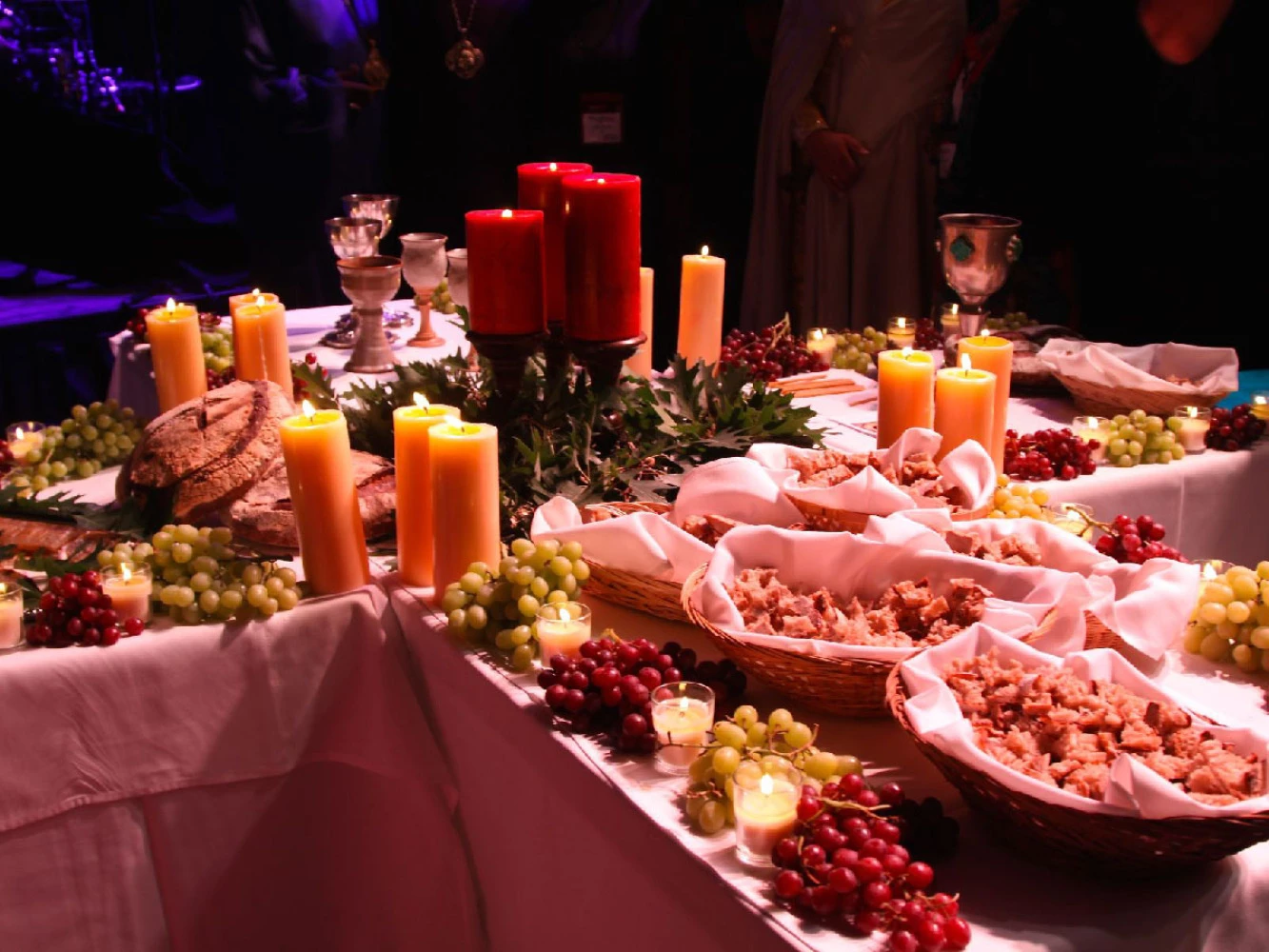
Feasts among the rich weren’t just about food – they were statements of wealth and style. The table was a stage, and the menu was the script.
Here’s what made medieval aristocrats lick their jewelled fingers:
- Spices: Black pepper, ginger, saffron, cloves – the real treasures of the Middle Ages. Exotic spices were incredibly expensive, traveling thousands of miles from Asia and the Mediterranean before making it to a noble’s kitchen.
- Chicken: This might be a bit surprising! In certain times and circles, even chicken was considered a delicacy. It was often cooked in rare oils and aromatic herbs.
- Roasted meat: Meat was the centrepiece of noble feasts. Roasted peacock was the ultimate flex of wealth and status.
What Did People Drink?
Water was the most common drink. At least in theory. Since it wasn’t always safe to drink water in medieval times, people often turned to alcohol.
1. Beer
In medieval Central and Northern Europe, beer was everywhere. It was safer than water, sometimes even served for breakfast. In 16th-century Scandinavia, people drank much more beer than they do today.
Monks were among the first brewers, with the Swiss monastery of St. Gallen pioneering beer brewing in the 9th century. By the High Middle Ages, beer was brewed in around 600 monasteries across Europe.
2. Wine
Wine flowed freely across Europe. In the south, it was part of daily life. In the north, it was imported luxury goods reserved for the wealthy. Because salty meats dominated medieval diets, wine was essential at every feast – not just for flavour, but for “health”.
People even mixed wine with water, believing it disinfected and healed. Quality wine was a luxury, and connoisseurs paid handsomely for it.
3. Water
Despite all that alcohol, water remained the most common way to quench thirst. Flowing river or stream water was considered safer than stagnant well water – if fish or frogs could live in it, surely it was safe for humans too, right?
Unfortunately, wells often got polluted with waste or dead animals, making all the water in it unsafe.
DID YOU KNOW... Tea – now such a daily essential – didn’t appear in Europe until the 16th century. Medieval folks had to get by without their morning cup of tea.
The Art of Cooking and Dining
Now we know what food people ate in the Middle Ages, let’s talk about how they cooked it.
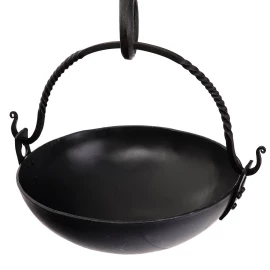
- Cooking was simple for most people: pots hanging over open fires, clay or stone hearths, and lots of patience. In castles and monasteries, large kitchens handled the work, while village homes relied on whatever firepit they had. Dishes were often prepared in clay bowl and served in a variety of medieval tableware.
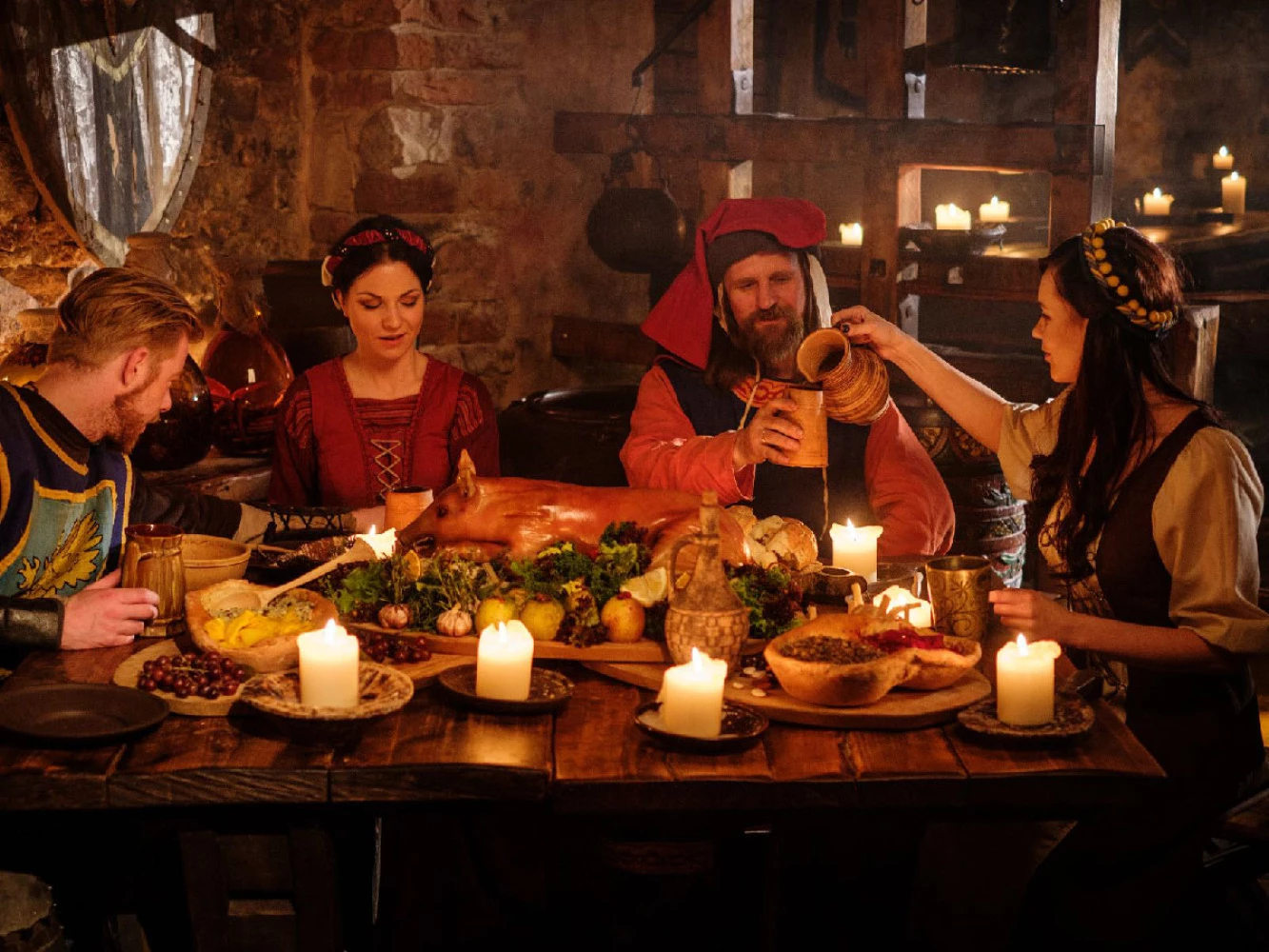
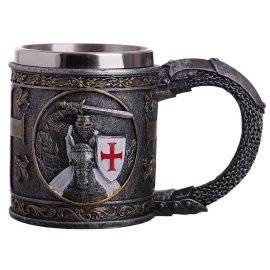
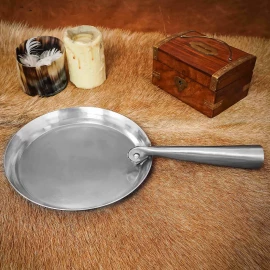
- When it came to dining, nobles enjoyed metal or ceramic plates, cutlery, and elegant goblets. Spoons and knives were also common. Forks, on the other hand, were practically alien until the late Middle Ages – and even then, many considered them pretentious.
Common folk made do with wooden boards, benches, and simple clay plates. No luxury, but still functional.
Myths and Fun Facts from the Medieval Kitchen
Even medieval gastronomy is shrouded in many myths and half-truths. Which ones do you believe?
People only drank beer because water was dirty.
Not at all. Water was the most common drink. However, in cities, water contamination risks were high, and water distribution was difficult. So, when in doubt, people reached for ale or wine, which was safer, and probably tastier.
Did medieval people have dessert?
They sure did! Sweet porridges, flatbreads, honey cakes, and cheese or poppy seed pastries graced the table during celebrations. Honey was the sweetener of choice, and dried fruits made frequent appearances.
Did diet change with the seasons?
In summer, people ate fresh vegetables, fruits, young meats, and seasonal grains.
Winter brought preserved and smoked foods, pickled vegetables, and legumes. Nobles even stored meat in snow- or ice-filled pits to keep it fresh longer, while townsfolk often relied on imported supplies.
To Sum Up…
Food in the Middle Ages was actually quite varied; even ordinary folk didn’t live solely on “bread and water,” as many believe. The poor mostly ate grains, legumes, vegetables, and simple, hearty dishes.
The wealthy nobility, on the other hand,
enjoyed generous portions of game, fine wine, and the occasional sweet dessert. They also invested in expensive spices and imported ingredients, which began to spread across Europe on a larger scale during the medieval period.
 Share
Share
 Share
Share
 Tweet
Tweet
Comments