
 Čeština
 Deutsch


Shinto Elite – Hand-Forged T10 Steel Katana for Masterful Cutting
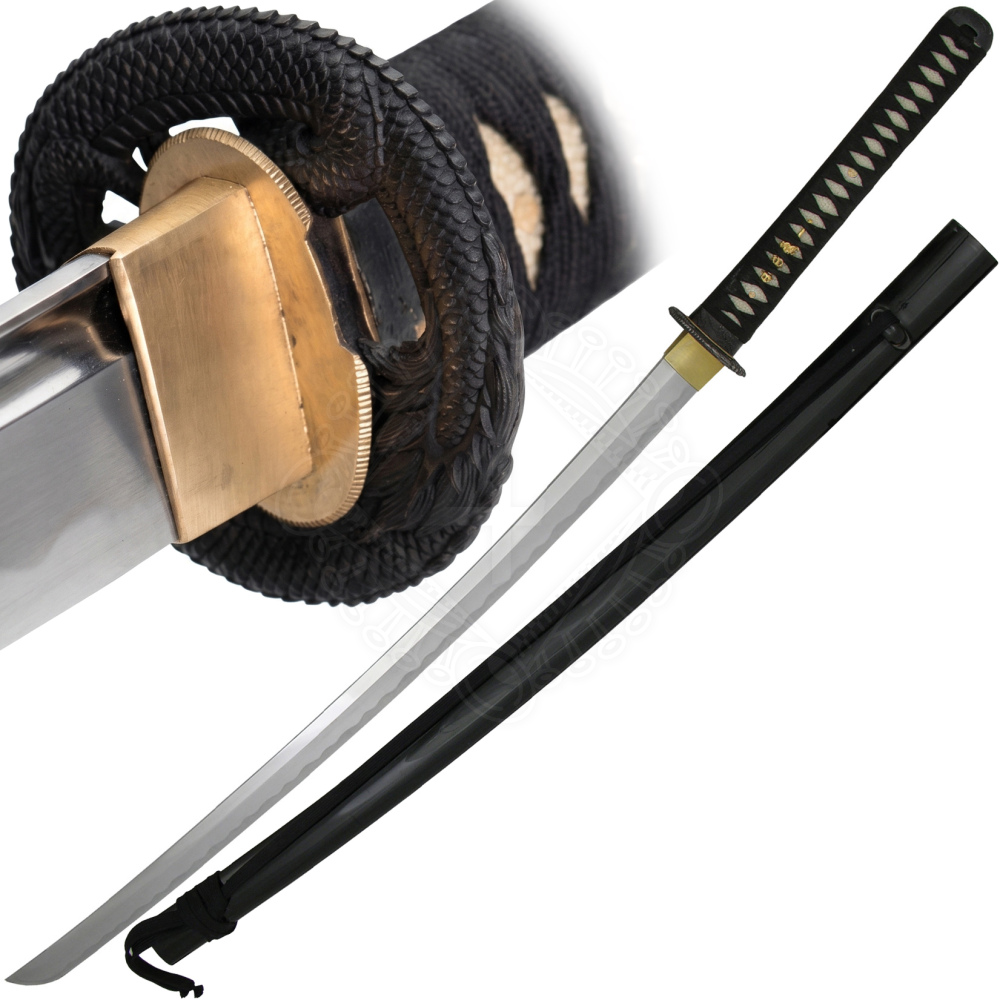
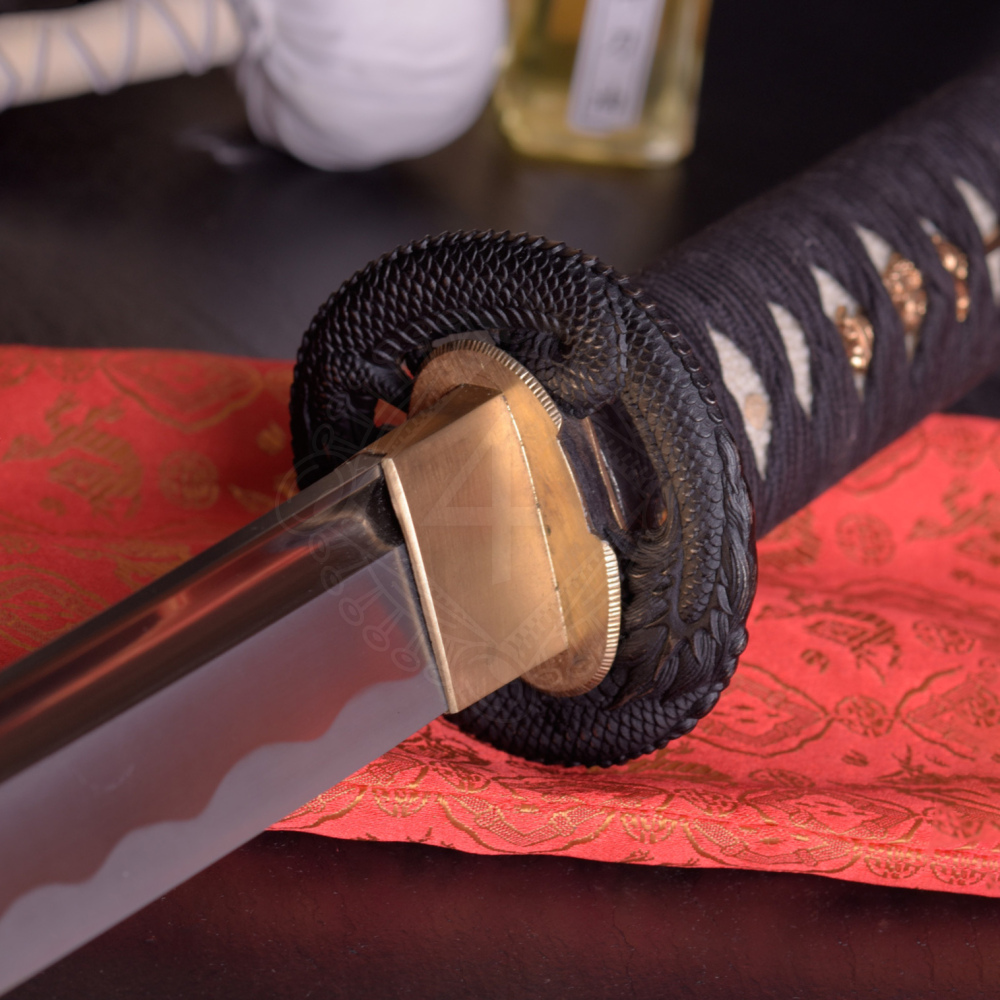

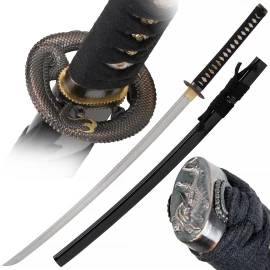
Imagine a weapon that perfectly balances lethal efficiency with the refined aesthetics of the Shinto period. The Shinto Elite Katana is not merely a wall decoration; it is a precision-engineered tool forged for those who are serious about the study of Japanese swordsmanship. The blade, crafted from premium T10 carbon steel, provides extreme durability and an edge that thrives during demanding cutting tests (tameshigiri). If you are looking for a sword that brings the spirit of the ancient Samurai to life in your hands and becomes your loyal training partner, you have just found it. Let’s explore what lies beneath the deep black lacquer of its scabbard. Further product information ...

Would you like to be notified as soon as the item is in stock?
You will receive a short e-mail as soon as we have it back in stock.
The Dragon’s Breath Shinto Elite – Hand-Forged T10 Steel Katana for Masterful Cutting
Technical Parameters and Craftsmanship
This katana is designed with a focus on balance and dynamic movement. The blade is hand-forged, and thanks to the high carbon content of T10 steel, it possesses superior mechanical properties and resilience.
| Blade Material | T10 High Carbon Steel |
| Total Length | 40" (101.6 cm) |
| Blade Length | 28" (71.1 cm) |
| Handle Length (Tsuka) | 11" (27.9 cm) |
| Weight | 2 lb 11 oz (1219 g) |
| Point of Balance | 5" (12.7 cm) from guard (Tsuba) |
| Width at Guard | 1.38" (3.5 cm) |
| Width at Tip (Kissaki) | 1.02" (2.6 cm) |
| Thickness at Guard | 0.24" (6 mm) |
| Thickness at Tip | 0.16" (4 mm) |
Artistic Details and Components
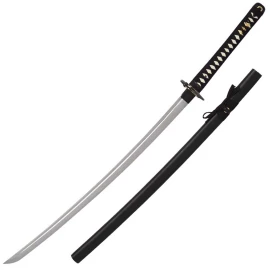
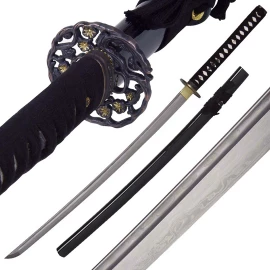
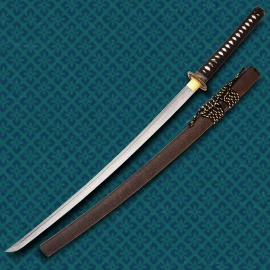
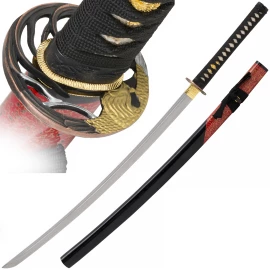
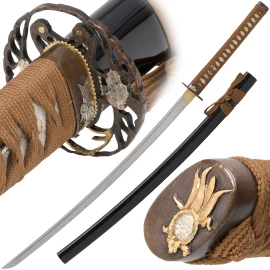
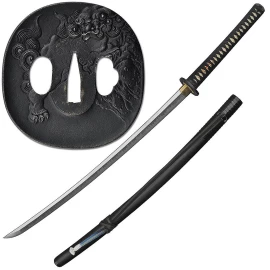
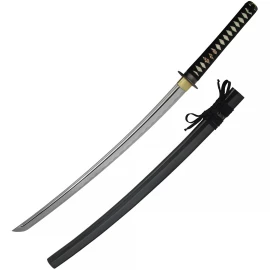
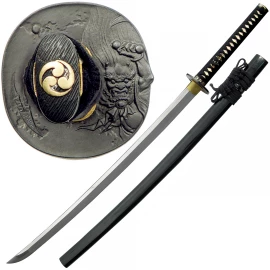
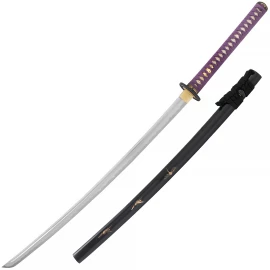
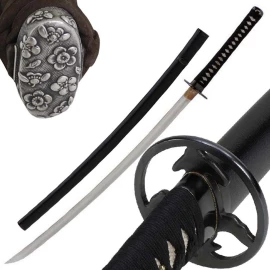
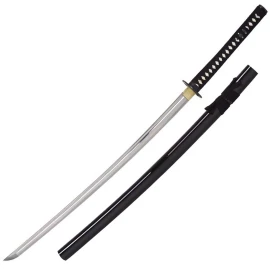
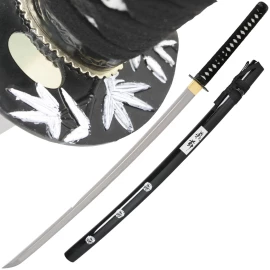
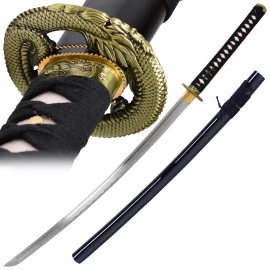
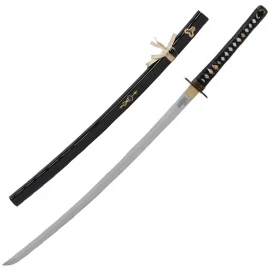
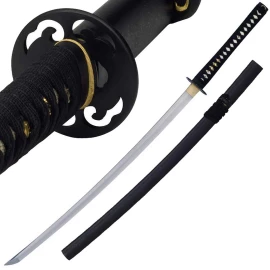
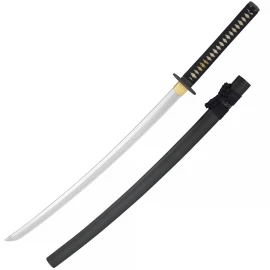
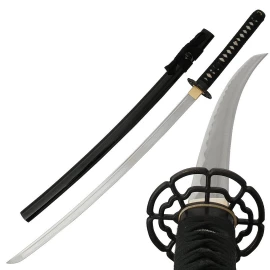
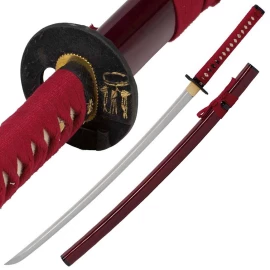
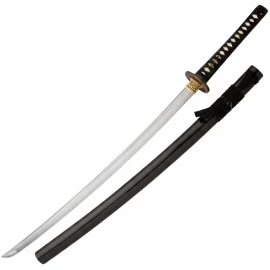
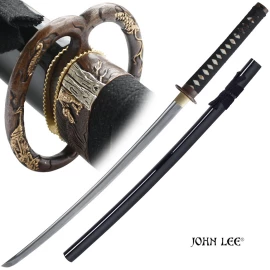
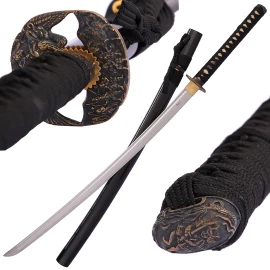
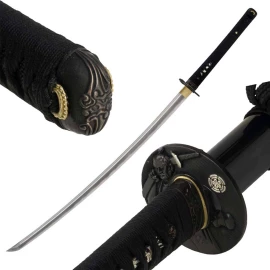
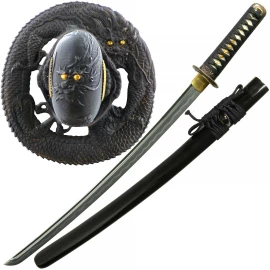
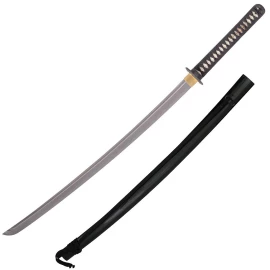
The handle (Tsuka) is wrapped in genuine ray skin (Same), ensuring the sword won't slip even during intense training. The wrap (Tsuka-ito) is made of premium black Japanese cotton. The centerpiece of the sword is the blackened iron guard (Tsuba), featuring a detailed dragon motif with gold accents—the dragon in Japanese culture symbolizes power, protection, and wisdom. The scabbard (Saya) is made of wood with a deep black lacquer finish and a black cotton cord (Sageo).
Historical Context: The Era of "New Swords"
The term Shinto (literally "new sword") refers to a period in Japanese history between 1596 and 1781. During this time, sword production became centralized in large cities, and smiths began experimenting with new steel-smelting techniques. Katanas from this era were not just meant for massive battlefields but became symbols of status and personal defense for the Samurai during times of relative peace. The Shinto Elite Katana pays homage to these masterpieces through its elegance and functionality.
Safety and Maintenance Guide
This sword is razor-sharp and intended for practical use, specifically for practicing forms (Kata) and cutting tests (Tameshigiri) on tatami mats. However, never engage in contact sparring against another weapon or person—there is a high risk of fatal injury and permanent damage to the blade. Use of this product is strictly at your own risk.
Maintenance for Longevity:
- Cleaning: After every touch or training session, wipe the blade to remove sweat and debris. Use rice paper or a soft lint-free cloth.
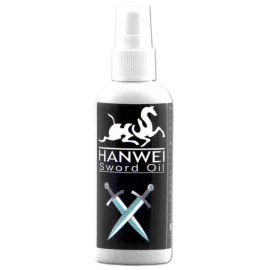
- Oiling: Regularly protect the blade with camellia oil or Choji oil. This creates a protective film against oxidation and rust.
- Storage: Store the sword in a dry environment, horizontally in its scabbard, with the edge facing up to prevent wear on the Saya's interior.
What to Avoid:
- Never cut into hard materials (wood, metals, stones). The blade is tempered to a high hardness, making it prone to chipping if struck against unsuitable targets.
- Do not leave the sword in a humid environment; T10 steel can rust very quickly if neglected.
Recommended Accessories
We recommend purchasing a sword cleaning kit, which contains everything needed for proper maintenance. For a dignified display in your home, choose a wooden sword stand (Katanakake). If you plan to train in a dojo, high-quality traditional clothing like Hakama and Keikogi are essential additions to your gear.
We are here for you!






.3773623034.1696456237.png.webp)

.3773623034.1696456268.png.webp)
.3773623034.1696456247.png.webp)