Čeština
 Deutsch


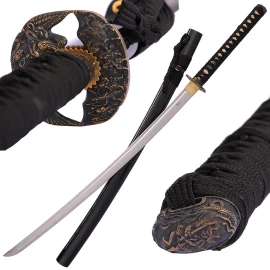
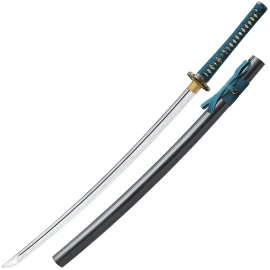
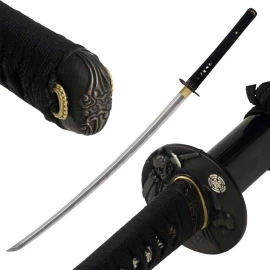
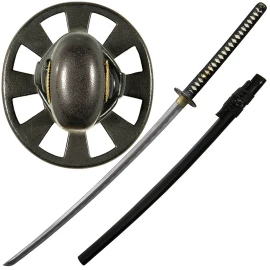
Katana Nikko Three Wise Monkeys


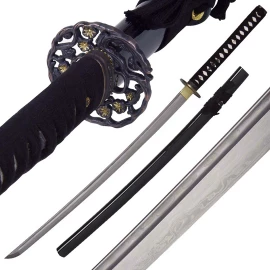
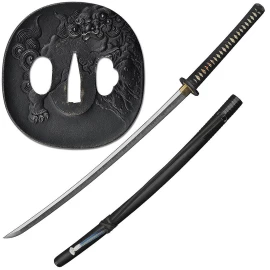
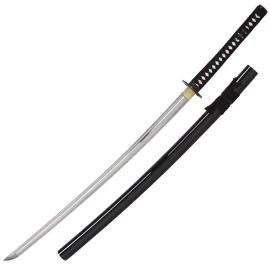
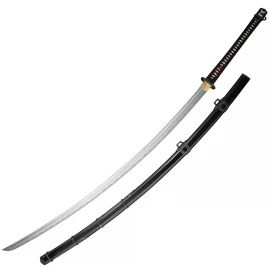
Are you looking for a unique, hand-forged samurai sword featuring deep philosophical symbolism and exceptional agility for target cutting practice? The Sharp Samurai Katana Nikko Three Wise Monkeys Carbon Steel will captivate you with its refined balance, Shinogi Zukuri blade with Bo-Hi fuller, and intricately detailed blackened iron tsuba. This fully functional blade is an ideal choice for martial artists, collectors, and Japanese history enthusiasts. We recommend adding this magnificent sword to your armory today, combining tradition, wisdom, and lethal elegance! Further product information ...

Would you like to be notified as soon as the item is in stock?
You will receive a short e-mail as soon as we have it back in stock.
Sharp Samurai Katana Nikko Three Wise Monkeys Carbon Steel
History and Origins of the Three Monkeys Katana
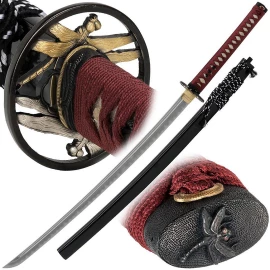
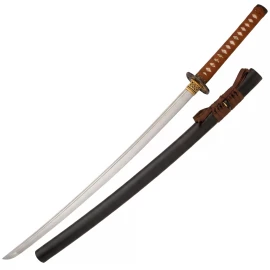
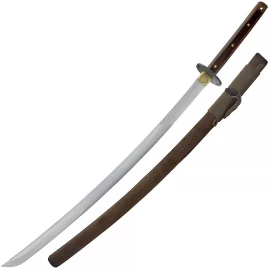
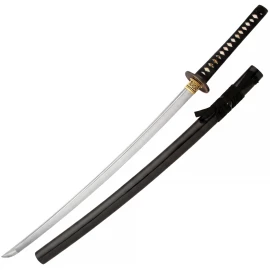
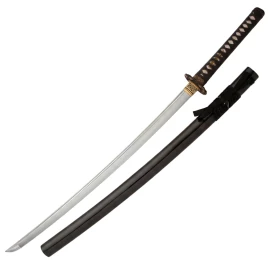
The design of this katana draws inspiration from traditional samurai weaponry of the early Edo period (17th century). During this peaceful era in Japanese history, the sword served not only as a samurai's primary personal sidearm, but also as a canvas for deep religious and philosophical motifs. The blade is hand-forged from high carbon steel and differentially clay-tempered to form an authentic temper line (hamon), creating a hard cutting edge paired with a resilient, shock-absorbing spine.
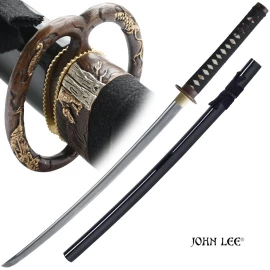
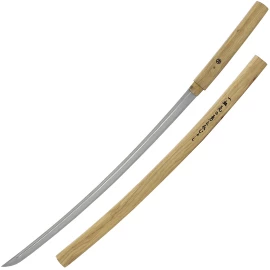
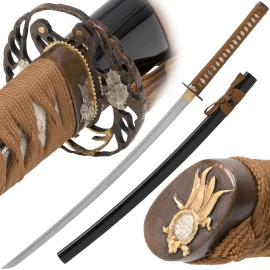
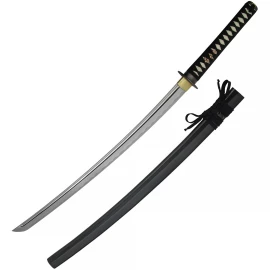
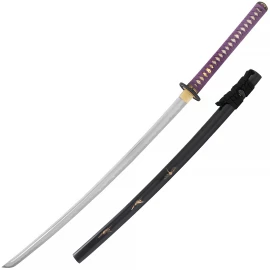
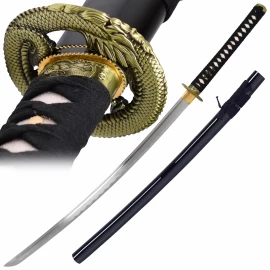
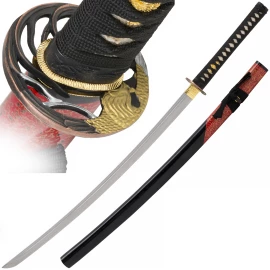
The Shinogi Zukuri blade profile features a longitudinal groove (Bo-Hi). This fuller lightens the overall weight, draws the point of balance closer to the guard for swift handling, and produces a distinct whistling sound when executed with proper edge alignment. The handguard (tsuba) is crafted from blackened iron depicting the three wise monkeys. The handle (tsuka) features a wooden core covered in genuine ray skin (same) and wrapped tightly in brown cotton cord. The wooden scabbard (saya) is finished in a smooth matte brown lacquer with a tied cord (sageo).
The Significance of Nikko
This sword proudly bears the name Nikko in honor of the famous Japanese city and Nikkō Tōshō-gū shrine complex in Tochigi Prefecture, established in the early 17th century (1617) as the burial place of Shogun Tokugawa Ieyasu. On the wooden relief carvings of the Sacred Stables in Nikko, master sculptor Hidari Jingorō immortalized the three wise monkeys: Mizaru (see no evil), Kikazaru (hear no evil), and Iwazaru (speak no evil). Bestowing this name pays homage to this sacred sanctuary and the samurai ideal of moral discipline.
Technical Specifications
| Specification | Value |
|---|---|
| Blade Material | Hand-Forged High Carbon Steel (clay-tempered) |
| Blade Profile | Shinogi Zukuri with Bo-Hi fuller |
| Overall Length | 106.7 cm (42.0 in) |
| Blade Length | 69.2 cm (27.25 in) |
| Handle Length | 28.5 cm (11.25 in) |
| Weight | 1183 g (2.61 lbs / 41.7 oz) |
| Point of Balance (PoB) | 12.7 cm (5.0 in) from tsuba |
| Blade Width at Tsuba | 3.0 cm (1.18 in) |
| Blade Width at Tip | 2.1 cm (0.83 in) |
| Blade Thickness at Spine | 7 mm (0.28 in) |
| Blade Thickness at Tip | 5 mm (0.20 in) |
| Curvature (Sori) | 1.9 cm (0.75 in) |
| Handguard (Tsuba) | Blackened iron featuring Three Wise Monkeys |
| Handle (Tsuka) | Genuine ray skin (Same), brown cotton wrap |
| Scabbard (Saya) | Matte brown lacquered wood with cotton Sageo cord |
Practical Usage, Care, and Safety Guidelines
This sword is fully functional and specifically intended for target cutting tests (tameshigiri) on tatami target mats and martial arts form demonstrations (Iaido, Kenjutsu). It is strictly NOT intended for contact fencing, blade-on-blade parrying, or partner sparring, as doing so will notch the edge or damage the blade.
High carbon steel requires routine maintenance. After every practice session, clean the blade thoroughly and apply a thin layer of traditional clove oil (choji oil). Keep the handle wrap and ray skin dry.
Care and Maintenance of Samurai Swords and Japanese Swords
Safety Warning: The blade is razor sharp! Careless handling poses a risk of severe or fatal injury. Usage is strictly at your own risk. Always verify that the wooden retaining pegs (mekugi) are securely seated before training.
Recommended Accessories
To ensure proper care and authentic practice fitting the 17th-century Japanese tradition, we recommend adding these accessories:
- Japanese Sword Cleaning Kit (includes choji oil, rice paper, and uchiko powder ball).
- Tatami Target Mats for practicing safe tameshigiri cutting techniques.
- Wooden Sword Display Stand (Kake) for displaying your katana indoors.
- Traditional Keikogi and Hakama Attire for martial arts practice.
We are here for you!