 Čeština
 Deutsch


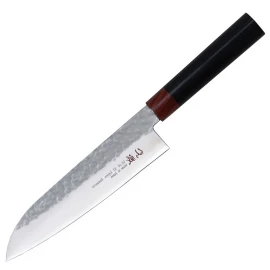
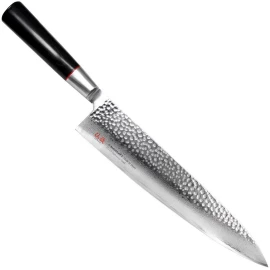
Damascus Chef's Knife Kanetsu Gyuto
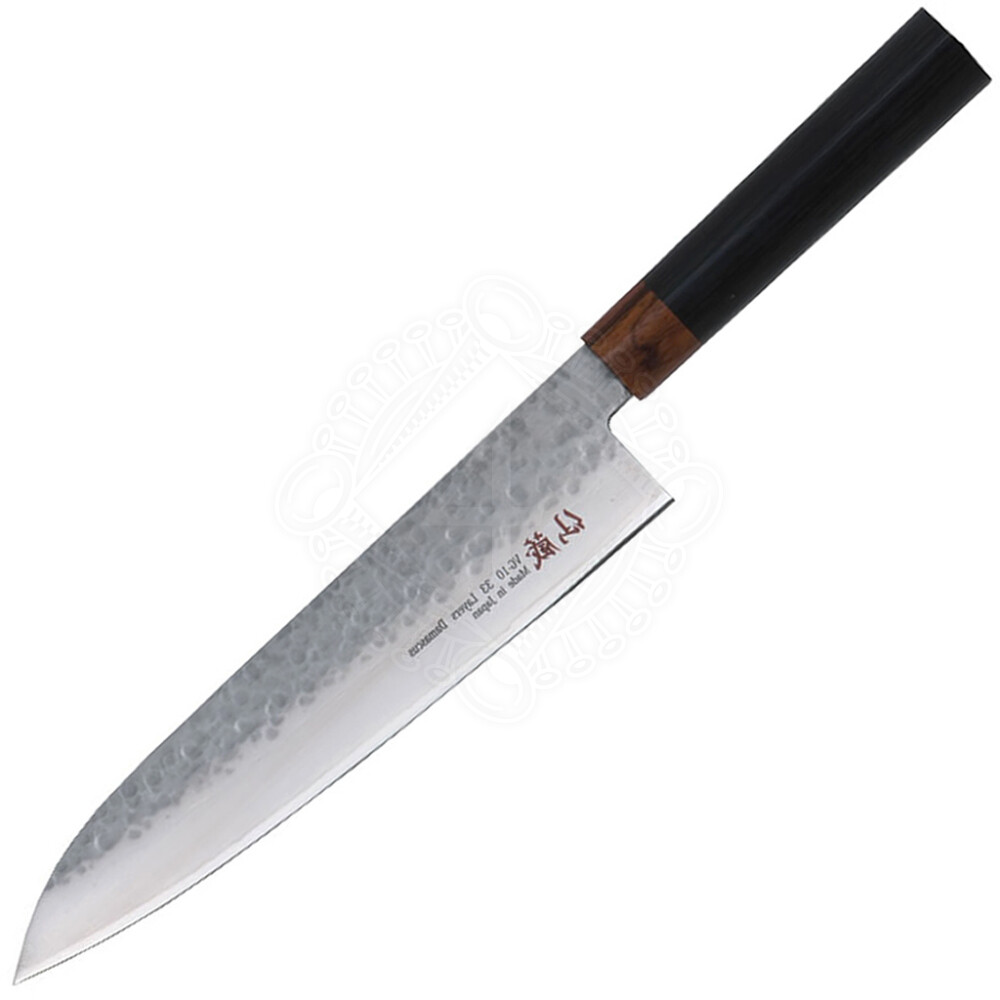
Are you looking for a kitchen tool that handles meat, vegetables, and herbs with the elegance of a samurai sword? The Damascus Chef's Knife Kanetsu Gyuto is the Japanese answer to the classic European cook's knife, offering incomparably superior cutting performance. This knife features a blade crafted from 33 layers of stainless steel with an extremely hard VG-10 core, ensuring the edge remains razor-sharp for a very long time. Thanks to its unique handle profile and traditional craftsmanship direct from Japan, cooking will become a pure joy for you. Further product information ...
Would you like to be notified as soon as the item is in stock?
You will receive a short e-mail as soon as we have it back in stock.
Damascus Chef's Knife Kanetsu Gyuto – 33 Layers of Japanese Precision
Construction and Premium Materials
The foundation of the knife is a core of VG-10 steel with a hardness of 60-61 HRC. This core is protected by nickel and silver layers and then clad with 15 layers of Damascus steel on each side. The upper part of the blade bears intentional hammer marks (Tsuchime), which give the knife a rustic look and prevent food from sticking to the blade while slicing.
The ergonomic handle is crafted in the traditional "chestnut" shape from premium Pakka and Coccobolo woods. This combination of woods ensures moisture resistance and maximum comfort even during long periods of work.
Master the Art of Asian Cooking with Japanese Knives
Product Specifications
| Knife Type | Gyuto (Chef's Knife) |
| Blade Material | 33 layers of Damascus steel, VG-10 core |
| Steel Hardness | 60-61 Rockwell (HRC) |
| Handle Material | Pakkawood and Coccobolo |
| Blade Length | 220 mm (approx. 8.7") |
| Overall Length | 340 mm (approx. 13.4") |
| Weight | 165 g (approx. 5.8 oz) |
| Origin | Japan |
Gyuto: A Historical Bridge Between East and West
The name Gyuto literally translates to "beef sword". In Japanese history, this type of knife appeared during the Meiji period, when Japanese cuisine began to open up more to Western influences and the consumption of beef. Master bladesmiths took the Western shape of a chef's knife and breathed the soul of a Japanese sword into it. Interestingly, due to its thinner profile and higher steel hardness, the Gyuto allows for much more precise cuts than its more robust European relatives.
Maintenance and Safety Guidelines
To ensure your Kanetsu Gyuto serves you for a lifetime, follow these principles:
- Never wash in a dishwasher: Aggressive detergents and high temperatures will destroy the Damascus structure and the wooden handle. Rinse with lukewarm water after use and dry immediately.
- Correct Sharpening: Use exclusively water whetstones to maintain the edge. Avoid cheap pull-through sharpeners or honing steels.
- Sharpening a Knife Correctly
- Cutting Surface: Always cut on wooden or plastic boards. Glass, ceramic, or marble surfaces will dull the blade instantly.
- Avoid Bones: This knife is not intended for chopping bones or frozen foods; there is a risk of chipping the edge or snapping the blade.
- Safety: The blade is extremely sharp – remain fully focused while working to prevent serious injury.
We recommend pairing this knife with a high-quality Hinoki wood cutting board and a set of Japanese whetstones for professional maintenance.
We are here for you!