
 Čeština
 Deutsch


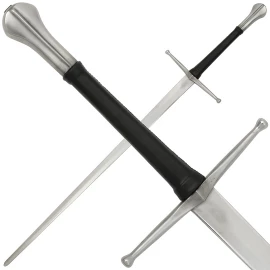
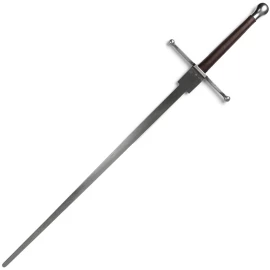
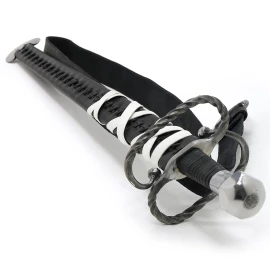
Two-handed Renaissance Landsquenet Sword about 1520
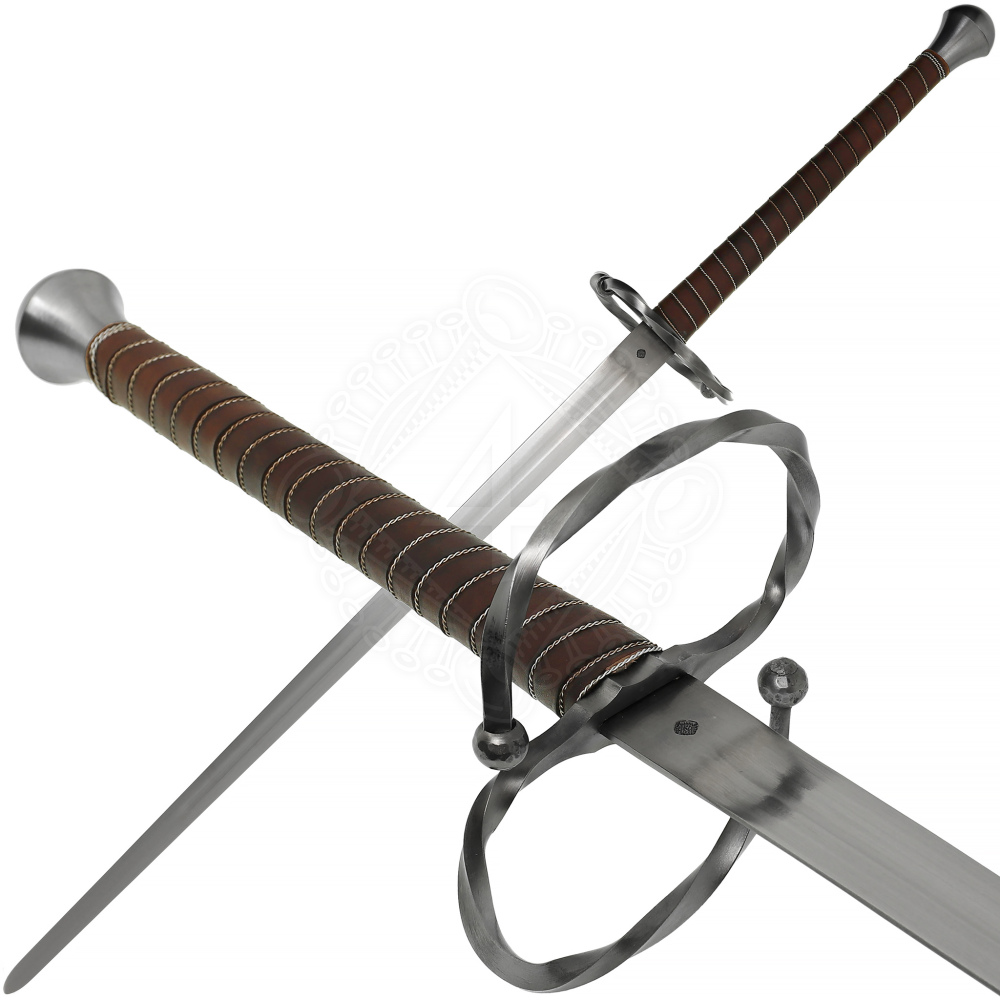

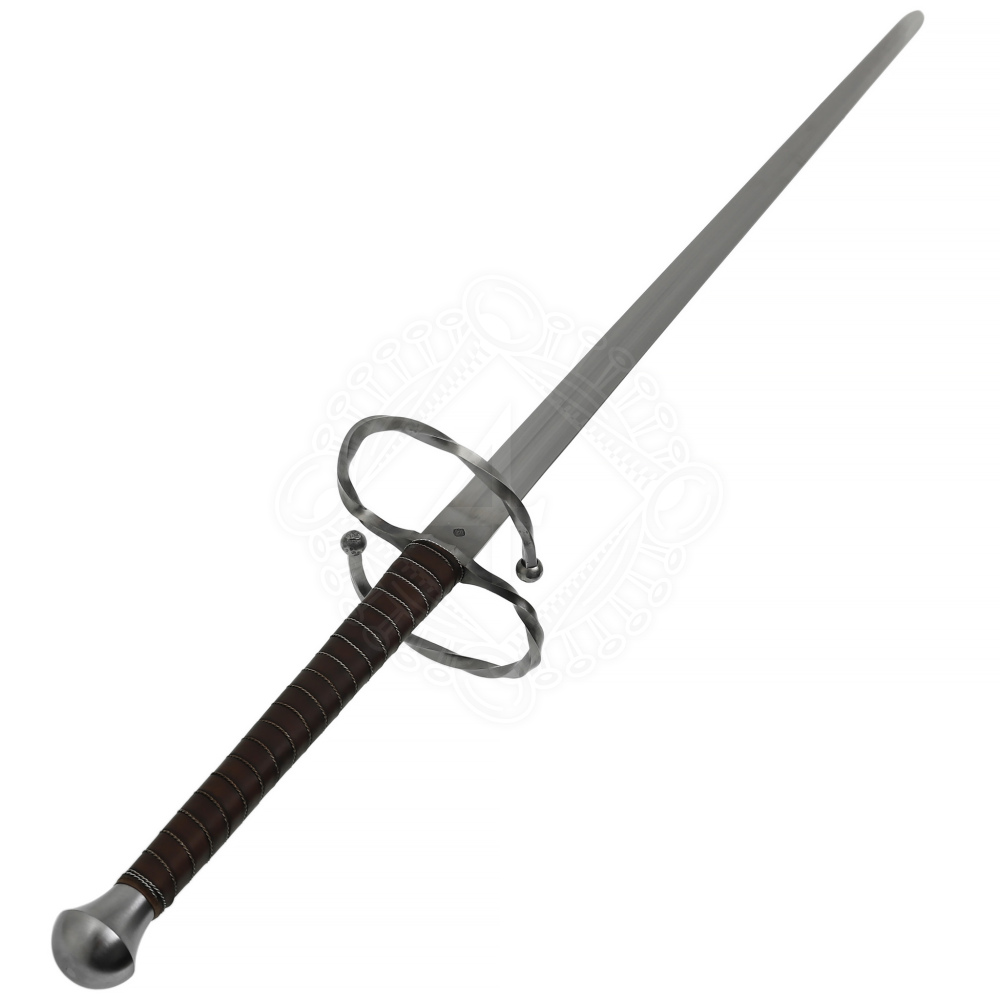
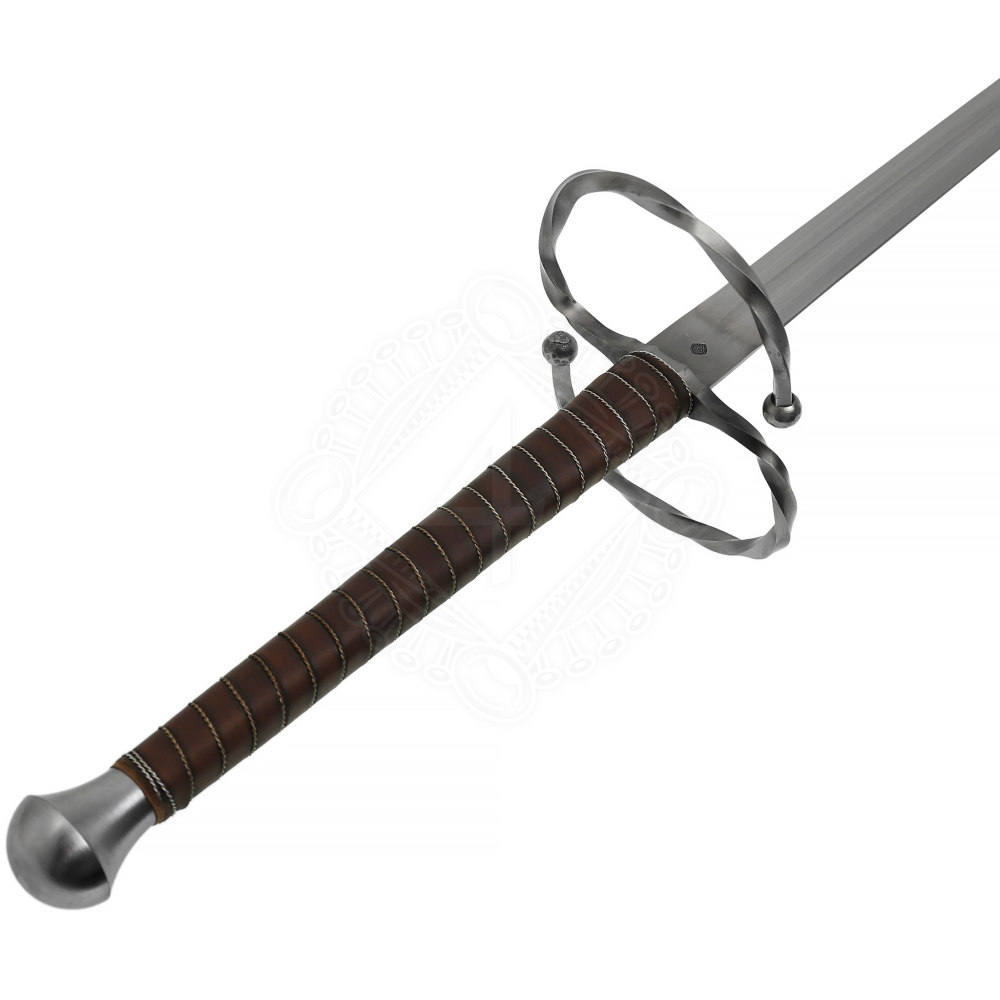

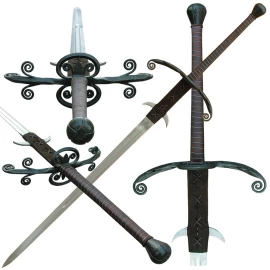
This imposing Renaissance Two-Handed Sword, a masterpiece by the experienced Czech blacksmith Pavel Leier from Rašovice u Týniště nad Orlicí, who has passionately dedicated himself to his craft since 1992, is inspired by the weapons of German Landsknechts from around 1520. With an overall length of 131.5 cm (approx. 51.8 inches) and a weight of 2702 g (approx. 5.96 lbs), it represents a truly massive weapon that commands respect and stands as a prime example of honest blacksmithing artistry. Each sword is a handcrafted original, so the parameters listed below may vary slightly from piece to piece, making each a unique work. Further product information ...

Two-handed Renaissance Landsquenet Sword about 1520
Sword class B
Key Specifications of This Imposing Landsknecht Sword
- Overall Length: 131.5 cm (approx. 51.8 in)
- Blade Length: 90.5 cm (approx. 35.6 in)
- Span of Guard Arms: 16.5 cm (approx. 6.5 in)
- Grip Length (actual grip area): 34 cm (approx. 13.4 in)
- Pommel Diameter: 5.5 cm (approx. 2.2 in)
- Fuller Length: 60 cm (approx. 23.6 in)
- Blade Width at Guard: 42.6 mm (approx. 1.68 in)
- Blade Width 10 cm from Tip: 22.9 mm (approx. 0.9 in)
- Point of Balance (blunt version): 1 cm behind the guard (towards the pommel)
- Weight: 2702 g (approx. 5.96 lbs)
Appearance and Construction: Masterful Forging by Pavel Leier
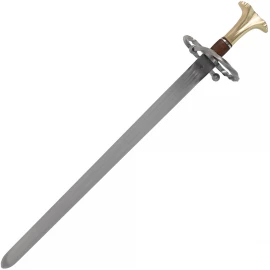
The dominant feature is the sword's characteristic Renaissance guard. It is crafted from steel and consists of horizontally S-curved arms (quillons) with a span of approximately 16.5 cm, complemented by distinctive side rings (protective rings) that effectively shield the wielder's hands. The sword's blade is 90.5 cm long, straight, double-edged, and features a 60 cm fuller for optimal balance and weight reduction. It is made from proven ČSN 14260 spring steel (comparable to 54SiCr6), oil-hardened to approximately 47 HRC, giving it the necessary resilience and flexibility. It is important to note that this steel is not stainless and requires regular care. The long, 34 cm grip, designed for comfortable two-handed use, features a wooden core over the tang, tightly wrapped with high-quality cowhide leather and reinforced with twisted wire for a secure and comfortable hold. The ensemble is completed by a large, mushroom-shaped steel pommel with a diameter of 5.5 cm, which acts as a counterweight and contributes to the excellent balance of this sizable weapon – its point of balance being just 1cm behind the guard making it surprisingly agile. The meticulous craftsmanship of all parts of this Zweihander is the result of master blacksmith Pavel Leier's many years of experience and artisanal skill.
Historical Context: The Sword of the Landsknechts
This type of sword is inextricably linked with the Landsknechts, the renowned and formidable German mercenaries of the late 15th and early 16th centuries. The complex hilt with rings is a typical feature of Renaissance weaponry, which placed greater emphasis on hand protection in combat. The design of this sword faithfully reflects the style of weapons used around 1520.
Variants and Usage: From Collector's Piece to Re-enactment Zweihander
You can order this sword in a sharp version, suitable as a collector's or exhibition piece, or in a blunt variant (classified as Class B for historical combat). The blunt version has an edge thickness of 2-3 mm and a rounded tip, making it ideal for use in contact-heavy historical re-enactment, HEMA, or stage combat. It is perfectly suited as part of a Landsknecht costume at historical festivals, for living history, LARP, or as an unmissable decorative element.
Safety Guidelines and Care for Your Renaissance Sword
Remember that even a blunt sword is a weapon and requires responsible handling. All activities with the sword are undertaken at your own risk.
- Safety: Keep the sword securely stored and out of reach of children. During any handling, especially in combat or practice, prioritize your safety and that of those around you, and use appropriate protective gear.
- Use in Sparring/Combat: Aim to parry blows with the flat of the blade, not edge-to-edge. Avoid striking with excessive force.
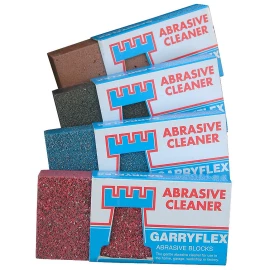
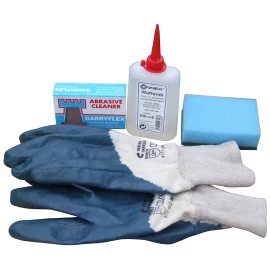
- Maintenance: Regularly inspect the condition of the blade. Smooth out any nicks resulting from use (normal wear and tear) with a file or sandpaper. Since the blade is made from carbon steel (not stainless), dry it after each use and apply a protective oil to prevent rust. The guard or pommel may loosen with use, requiring tightening or other repair.
This sword is a quality Czech-made product from the workshop of Pavel Leier, an experienced blacksmith with over thirty years of practice. Although it is classified as Class B (for blunt versions) without a breakage guarantee during use, the standard two-year warranty for proven material defects applies. It is a piece of history that will provide you with an authentic experience and the appearance of a Renaissance warrior.
Please read our: Directions for the use of bladed weapons.
We are here for you!



.3773623034.1696456237.png.webp)

.3773623034.1696456247.png.webp)