Čeština
 Deutsch


Training Longsword Liechtenauer de Luxe
1x


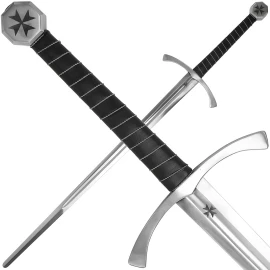
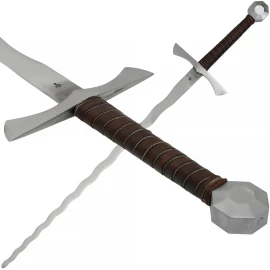
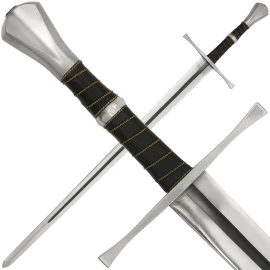
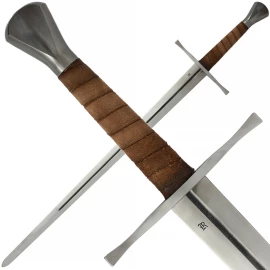
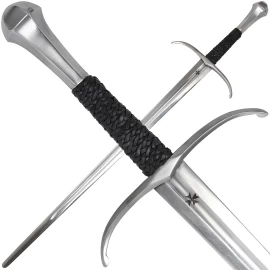
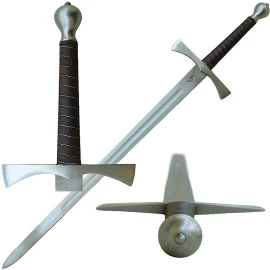
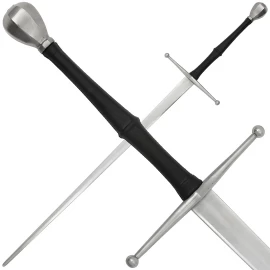
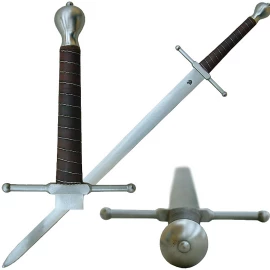
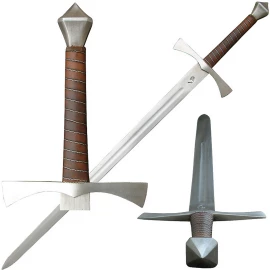
Are you looking for the ultimate tool for Historical European Martial Arts that you can fully rely on during every thrust and binding technique? The Training Longsword Liechtenauer de Luxe HEMA from our range represents the pinnacle of practice weapons for fencers. This longsword offers exceptional agility thanks to a Point of Balance located just 2 cm (0.79 in) from the crossguard, combined with a diamond-profile blade that ensures excellent stiffness in the bind. Meticulously handcrafted from high-grade hardened spring steel with a leather-wrapped grip, it is an ideal choice. We recommend this sword as your reliable partner for rigorous sparring and tournament duels! Further product information ...

 Delivery options
The following variants are currently available:
Training Longsword Liechtenauer de Luxe HEMA
History, Usage, and Origins of the Longsword
The historical archetype for this model is the late medieval longsword (also known as the bastard sword), which saw its golden age during the late 14th century and throughout the 15th century across Western and Central Europe. During this period, plate armor reached advanced levels of coverage, forcing sword design to evolve. Blades developed prominent diamond cross-sections for increased rigidity and a acute taper toward the point, enabling precise thrusts into gaps between armor plates.
The weapon served as the primary sidearm for knights and professional soldiers, as well as a primary teaching tool in fencing academies of the era. This model is a refined reconstruction of historical originals based on iconography and period manuscript illuminations. Today, the sword is engineered for Historical European Martial Arts (HEMA) practice, stage combat, and contact sparring. Before use, inspect the weapon thoroughly and always fence wearing complete protective gear. A fascinating historical note: due to their superb balance, two-handed longswords feel significantly lighter and more agile in the hand than single-handed swords of similar weight.
Significance of the Name Liechtenauer
This sword is named in honor of the grand German fencing master Johannes Liechtenauer, who lived in the 14th century. Liechtenauer is widely regarded as the founding father of the German school of swordsmanship. His teachings, encoded in secret rhyming verses (Zettel), formed the core foundation for historical martial arts treatises (Fechtbücher) for centuries to come. By naming this sword Liechtenauer, we honor the legacy from which modern HEMA directly draws its roots.
Technical Specifications
| Parameter | Metric Value | Imperial Value |
|---|---|---|
| Overall Length | approx. 1398 mm | approx. 55.04 in |
| Blade Length | approx. 1020 mm | approx. 40.16 in |
| Grip Length (Leather portion) | approx. 290 mm | approx. 11.42 in |
| Crossguard Width | approx. 284 mm | approx. 11.18 in |
| Crossguard Center Thickness | approx. 24.8 mm | approx. 0.98 in |
| Crossguard Tip Diameter | approx. 14.5 mm | approx. 0.57 in |
| Pommel Shape & Dimensions | Octagonal Pear (Dia. 46.8 / 50.4 mm [1.84 / 1.98 in], Length approx. 74 mm [2.91 in]) | |
| Blade Profile at Guard | approx. 40.6 x 4.9 mm | approx. 1.60 x 0.19 in (Diamond profile) |
| Blade Profile 10 cm (3.94 in) from Tip | approx. 18.5 x 4.1 mm | approx. 0.73 x 0.16 in |
| Edge Thickness (Rebated) | approx. 2.2 mm (0.09 in) at guard / approx. 1.9 mm (0.07 in) at 10 cm (3.94 in) from tip | |
| Point of Balance (PoB) | approx. 2 cm from guard | approx. 0.79 in from guard |
| Total Weight | approx. 2030 g | approx. 4.48 lbs (71.6 oz) |
| Blade Material | Spring Steel ČSN 14260 / ČSN 15260 (Hardened to 48.5 +/- 2 HRC) | |
| Craftsmanship | Handmade (Czech Republic) | |
Care Guidelines and Safety Instructions
To ensure long service life and user safety, follow these mandatory care and safety guidelines. This item is a replica of a European edged weapon designed for fencing practice and requires proper handling:
- Protective Gear: Always wear a certified fencing mask, padded gambeson jacket, heavy HEMA gloves, and joint protectors when sparring. Never fence unarmored.
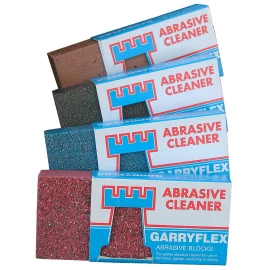
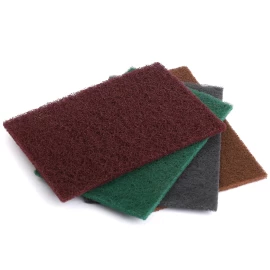
- Blade Maintenance: Inspect the edges after intense sparring sessions. Carefully smooth out any burrs formed by steel contact using a fine file or sandpaper to prevent damaging your opponent's gear.
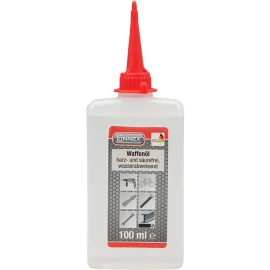
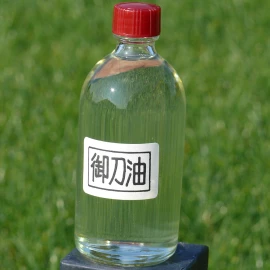
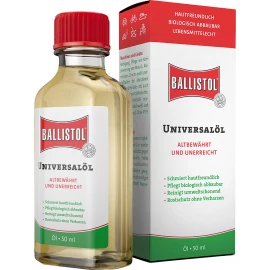
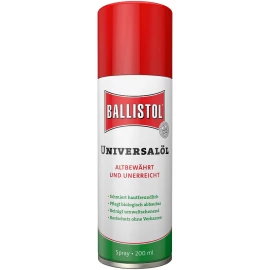
- Rust Prevention: Wipe the blade dry after every use to eliminate sweat and moisture. Apply a thin coat of mineral oil or gun oil (e.g., Ballistol) to the blade and guard. Condition the leather grip occasionally with leather balm.
- Precautions: Never strike rigid, unyielding objects like concrete walls, stones, or steel beams. This weapon is not intended for heavy armored combat like Buhurt or Battle of the Nations. Store in a dry environment.
- Directions for the Use of Bladed Weapons from Outfit4Events
Recommended Accessories
For a safe and authentic 14th–15th century martial arts experience, we recommend the following gear:
- Padded Fencing Gambeson: Padded 14th–15th century jacket to absorb impact force.
- HEMA Fencing Gloves: Heavy-duty gloves designed for longsword protection.
- Blade Preservation Oil: Essential maintenance product to keep steel blades protected against corrosion.
We are here for you!