 Čeština
 Deutsch


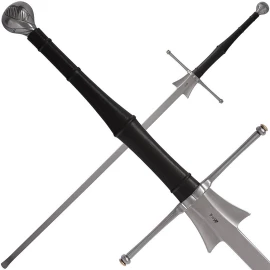
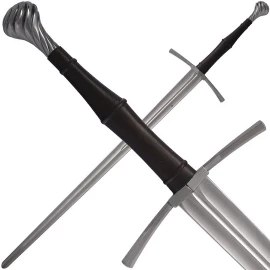
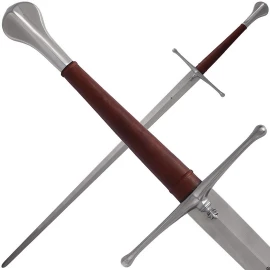
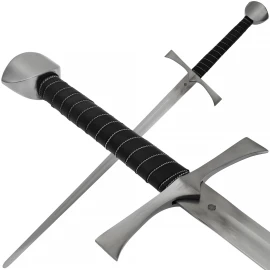
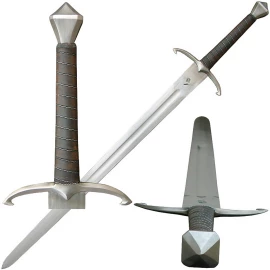
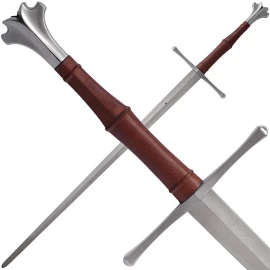
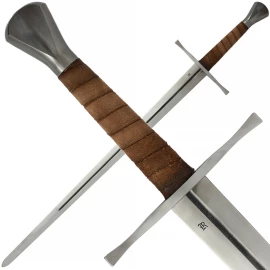
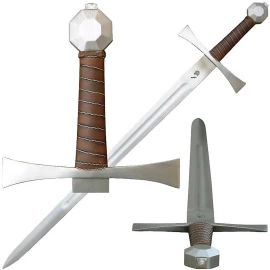
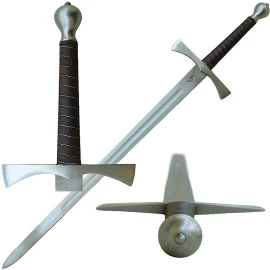
Longsword Akkakios in Spring Steel, 14th Century
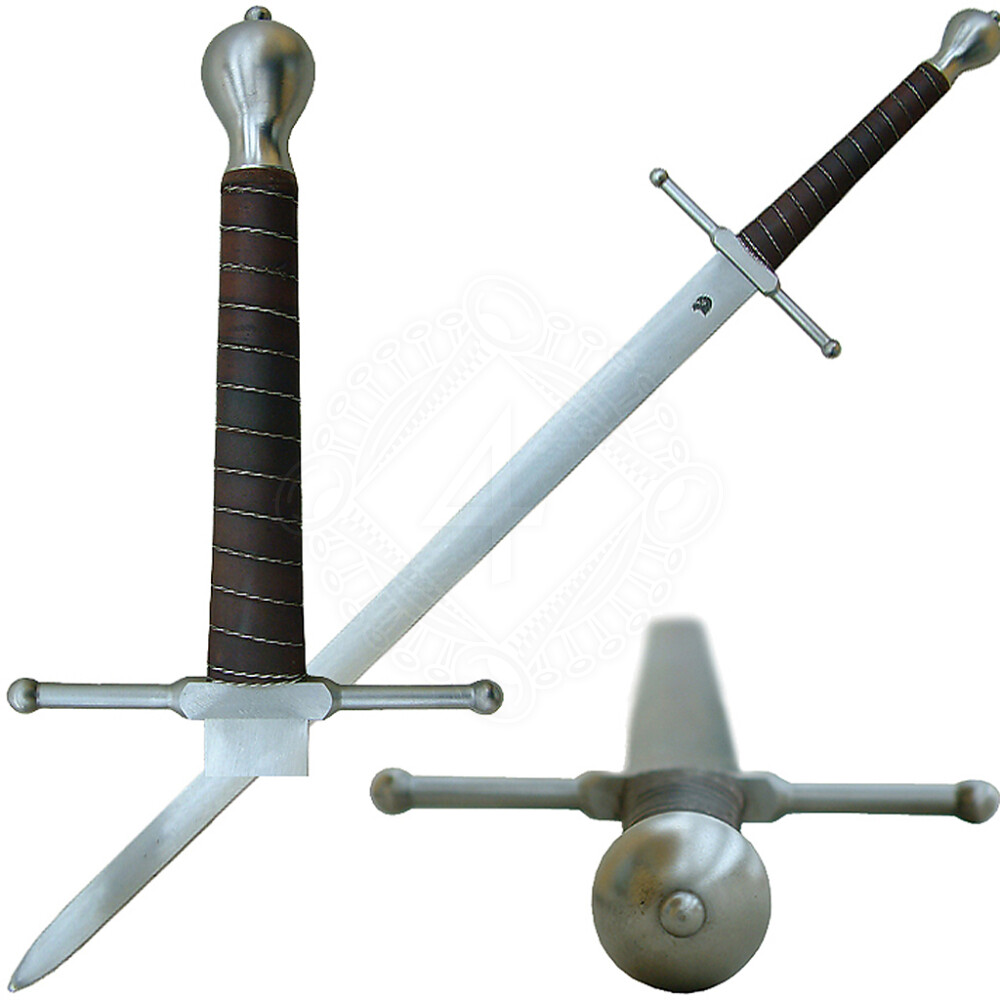

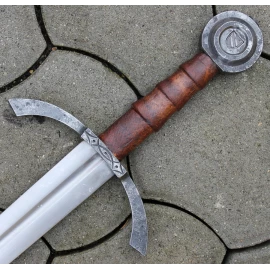
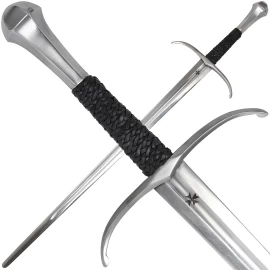
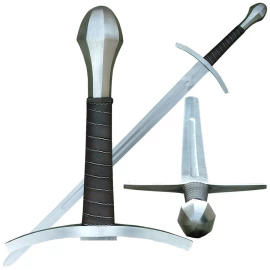
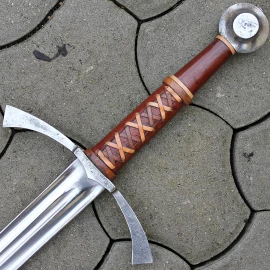
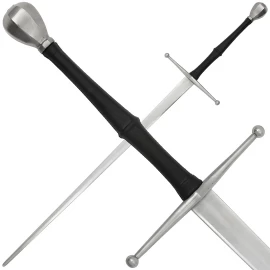
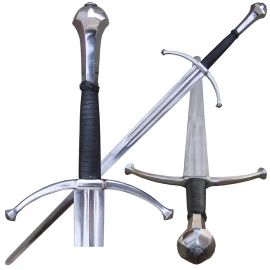
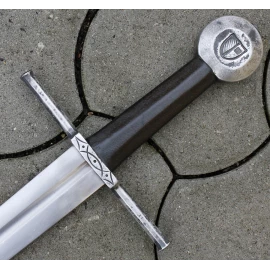
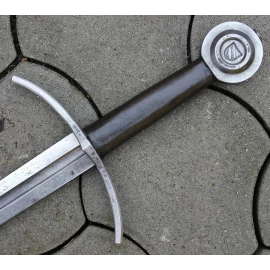
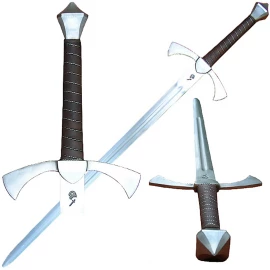
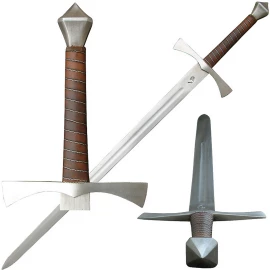
Are you looking for a tough and reliable weapon for fencing practice, combat re-enactments, or authentic historical display, warrior? This Gothic longsword Akkakios delivers an excellent balance of strength, handling, and historical appearance. Crafted from high-quality spring steel, it features a leather-and-wire wrapped wooden hilt for a firm grip. With its blunt edges and rounded safety tip, it is fully prepared for contact stage combat and sparring. Equip yourself with this Czech-made sword and step onto the field with confidence! Further product information ...

Gothic Longsword Akkakios in Spring Steel, 14th Century
Historical Context and Longsword Typology
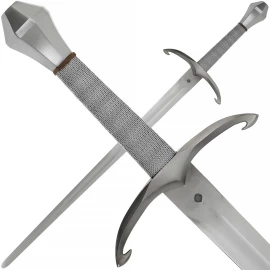
This sword draws inspiration from historical artifacts of the 14th century (High to Late Middle Ages), a period when plate armour became increasingly prominent on European battlefields. The evolution of plate protection demanded weapons with longer blades and extended hilts, allowing a two-handed grip to deliver more powerful cuts and thrusts. According to the Oakeshott typology, the blade features characteristics of Type XIIIa or XIV, with a wide fuller in the upper third to reduce weight while maintaining structural rigidity. The pear-shaped pommel (Type T) and straight crossguard with subtle end-lobes (Style 2) form the classic silhouette of a knightly longsword or "hand-and-a-half" sword of the era.
Significance of the Name Akkakios
The name Akkakios originates from Greek, translating to "innocent", "upright", or "one who does no harm". In the chivalric context of medieval warfare, it represents the ideal of the righteous knight who draws his blade only to defend honor, justice, and the innocent. A weapon bearing this name honors steadfastness and integrity in combat.
Safe Usage Guidelines and Combat Advice
To ensure safety and maximize the lifespan of your sword, please adhere to the following recommendations:
- Protective Gear: Always wear certified protective equipment during combat—including a padded gambeson, fencing mask with mesh, joint protectors, and heavy leather fencing gloves.
- Parrying Technique: Block incoming strikes using the flat of the blade. Avoid direct edge-to-edge impacts, which create deep nicks and weaken the steel over time.
- Blade Inspection: Inspect the blade before every session. Immediately smooth out any sharp burrs or notches along the edges using a diamond file or fine sandpaper.
- Hilt Maintenance: Intense contact may cause the crossguard to loosen over time. Re-peening or tightening the pommel will resolve this. A temporary field fix involves wrapping tight wire or fishing line into the gap between the guard and grip.
- Liability Notice: All martial activities are undertaken strictly at your own risk. Edge notches and normal wear are inherent to combat use and are not covered by warranty. Keep out of reach of children.
- Classification of Battle-Ready-Weapons
Technical Specifications
| Parameter | Value |
|---|---|
| Product Type | Gothic longsword for stage combat and historical re-enactment |
| Historical Era | High to Late Middle Ages (14th century) |
| Typology (Oakeshott) | Blade Type XIIIa/XIV, Pear Pommel Type T, Guard Style 2 |
| Blade Material | Spring Steel (oil-tempered to approx. 47 HRC) |
| Hilt Material | Wood core wrapped in brown leather and wire |
| Guard & Pommel Material | Cast/forged steel |
| Overall Length | approx. 116 cm / 45.67 in |
| Blade Length | approx. 85 cm / 33.46 in |
| Guard Width | approx. 21 cm / 8.27 in |
| Edge Thickness | 2–3 mm (blunt for combat) |
| Blade Tip | Rounded (safety tip) |
| Weight | approx. 2.20 kg / 4.85 lbs |
| Origin | Made in the Czech Republic |
Care and Maintenance
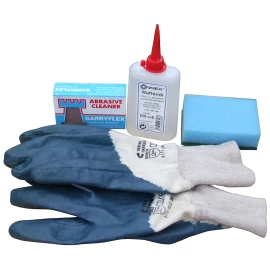
The spring steel blade is susceptible to rust and requires regular maintenance. After every training session or handling, wipe the blade dry with a clean cotton cloth to remove moisture and finger oils. Apply a light coat of protective gun oil (such as Ballistol or WD-40) to the blade and steel hilt components. Store the sword in a dry environment and avoid leaving it inside a damp leather scabbard for extended periods.
Directions for the Use of Bladed Weapons from Outfit4Events
Recommended Accessories
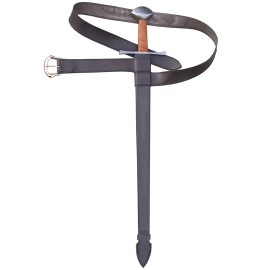
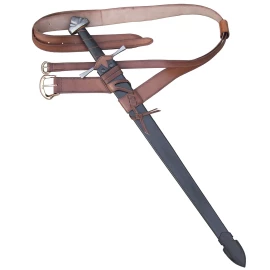
We recommend pairing this Gothic longsword with heavy-duty leather combat gloves, a 14th-century padded gambeson, and a custom leather scabbard with a sword belt. These accessories ensure comfort, safety, and a fully historical presentation on the field.
We are here for you!