 Čeština
 Deutsch


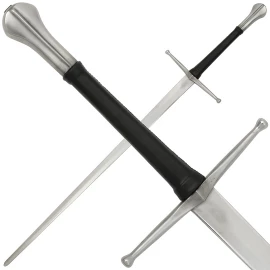
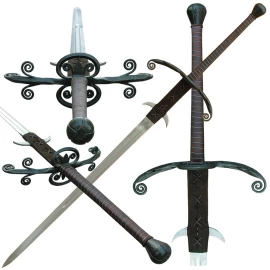
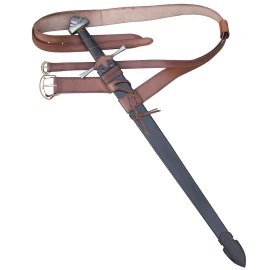
Remardus Gothic Two-Handed Sword (Zweihänder), Class B
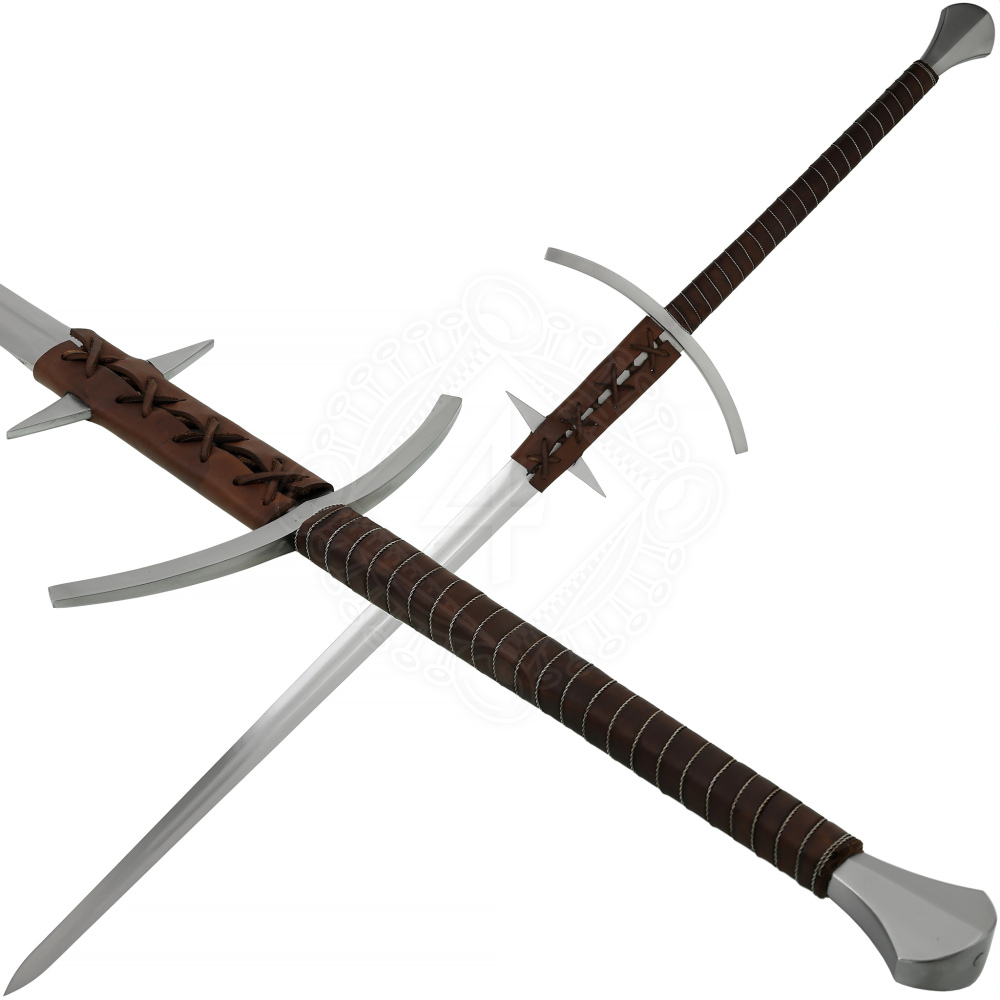
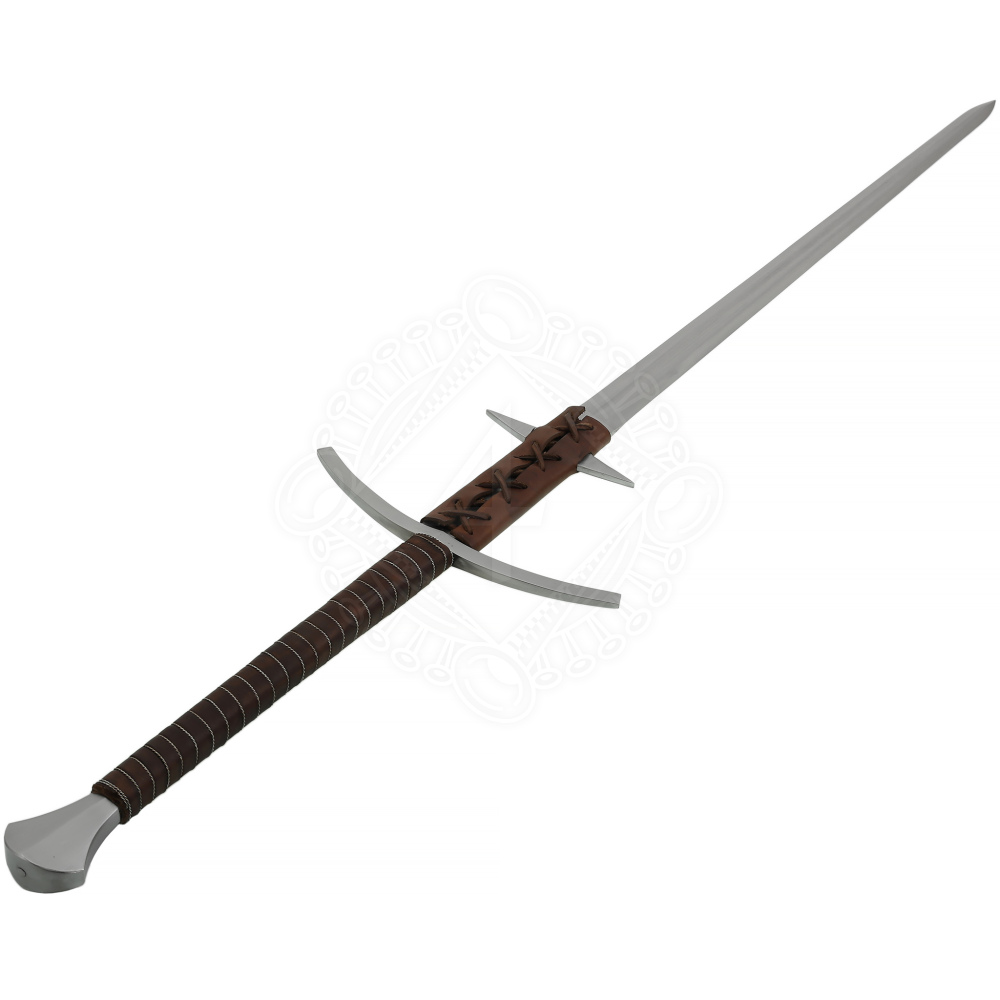
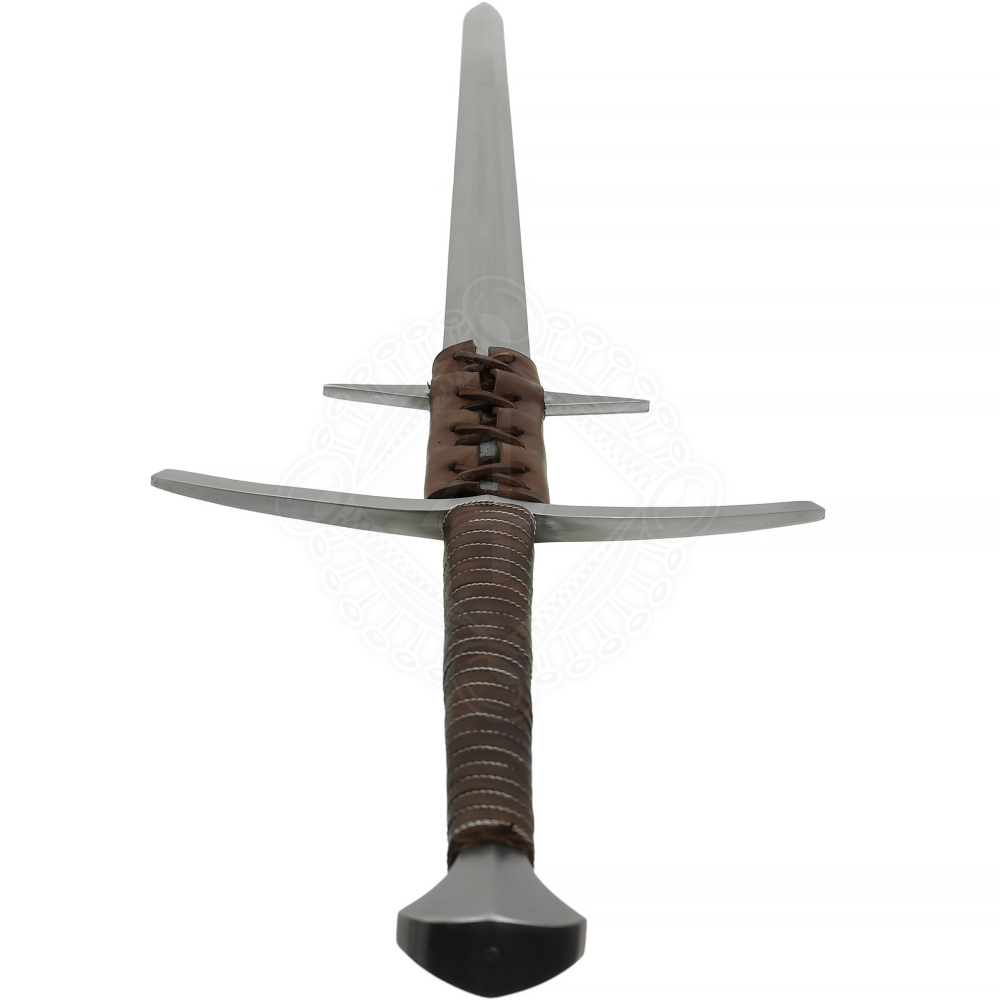

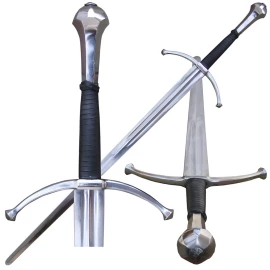
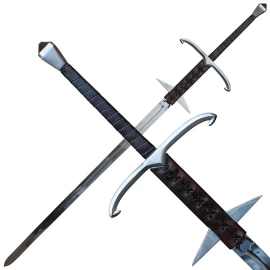
An Imposing Greatsword for Reenactment and Collectors. Wield the power and majesty of the late Gothic period with this "Remardus" two-handed sword. This is not a common longsword, but a true Zweihänder, a weapon of war designed for dominance on the battlefield. Its staggering dimensions and authentic construction make it the perfect choice for experienced fencers, reenactors portraying Landsknechts, or as an unmissable centerpiece of any collection. Further product information ...
Remardus Gothic Two-Handed Sword (Zweihänder)
Sword class B
Detailed Weapon Description
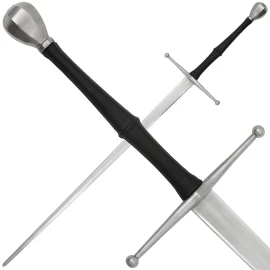
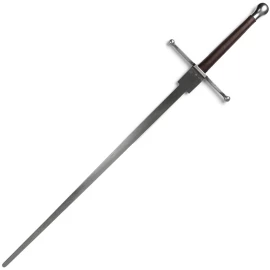
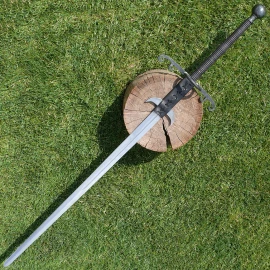
With a total length of an incredible 169 cm and a weight of nearly 5 kg, the Remardus is a sword that commands respect and strength. Its design is both functional and historically faithful.
The Blade
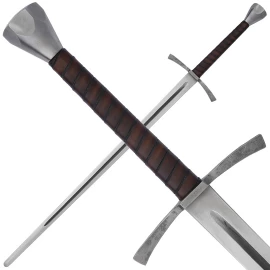
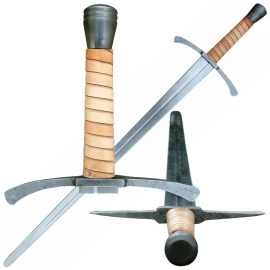
The dominant feature is the massive, 119 cm long blade made of ČSN 14260 spring steel (hardened to approx. 47 HRC). It tapers smoothly to a sharp point, making it effective for both cuts and thrusts. Below the main guard is an unsharpened section, the ricasso, which is 23 cm long and wrapped in leather. This element is crucial for half-swording techniques, where the swordsman would also grip this part for better control in close-quarters combat. In its profile, the blade aligns with Oakeshott's greatsword types, such as XVIIIe or XXa.
The Hilt and Guard
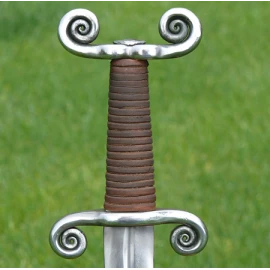
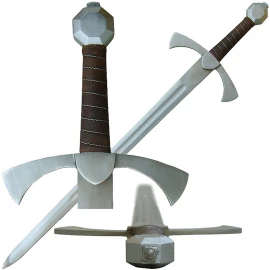
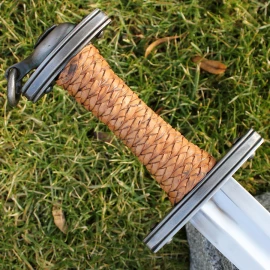
The large, 33.5 cm wide steel crossguard has elegantly curved arms that effectively protect the hands. The extremely long grip (39 cm) provides ample space for both hands, allowing for the generation of enormous power and leverage. It has a wooden core wrapped in leather for a firm hold. The assembly is completed by a faceted "fishtail" style steel pommel, which helps to balance this enormous weapon. The point of balance is located just 6 cm from the guard, a sign of excellent craftsmanship for such a large sword.
History and Modern Use
Historical Context
Two-handed swords, known in German-speaking lands as Zweihänder or Bidenhänder, were specialized infantry weapons at the turn of the 15th and 16th centuries. They were made famous primarily by German mercenaries—the Landsknechts. They were used to break up pike formations, defend banners, or as the weapon of bodyguards. Fighting with them required immense strength, space, and special training.
How Can You Use This Sword?
- Reenactment and Living History: Perfect for portraying a Landsknecht or another elite late-Gothic infantry soldier.
- Stage Combat: In its blunt version (Class B), it's suitable for choreographed fights where its size guarantees a dramatic effect.
- Collection: In its sharp version, it is a stunning display piece that will become the centerpiece of your armory.
- Training: Wielding such a heavy weapon provides excellent strength training for advanced fencers.
Specifications and Options
Parameters of the Photographed Item
- Overall Length: 169 cm
- Blade Length: 119 cm
- Leather Ricasso Length: 23 cm
- Guard Width: 33.5 cm
- Grip Length: 39 cm
- Point of Balance (POB): approx. 6 cm from the guard
- Blade Width at Guard: 49.7 mm
- Weight (sharp version): approx. 4967 g
- Material: Spring Steel ČSN 14260, hardened to approx. 47 HRC
Customization Options
- Edge: Sharp (not suitable for combat) or Blunt (Class B, 2-3 mm edge).
- Pommel Attachment: Riveted (stronger, historical) or Screwed.
- Grip: Black or brown leather with wire wrap.
Care and Safety
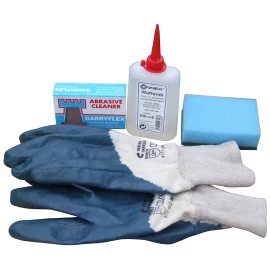
Sword Maintenance: The steel is not stainless. Regularly clean and conserve the blade with oil to prevent corrosion. Store in a dry place. Always check the tightness of all components before use.
Safe Handling: This is an extremely large and heavy weapon. Handling it requires maximum caution, space, and responsibility. Always use full protective gear during any practice. You are fully responsible for any damage or injury. Keep the sword out of the reach of children.
Before use, please carefully read our Directions for the use of bladed weapons.
We are here for you!