 Čeština
 Deutsch


Light Medieval Shoes – 13th Century (Soft Sole)
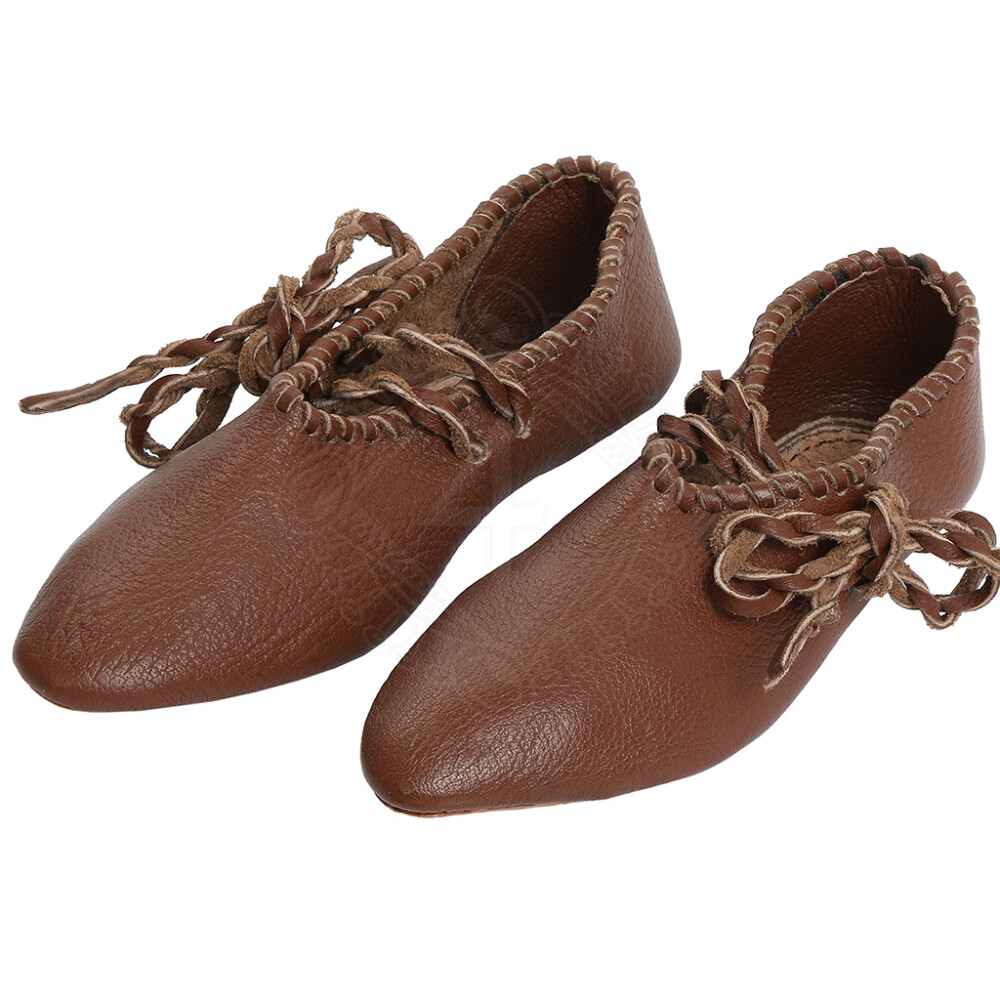
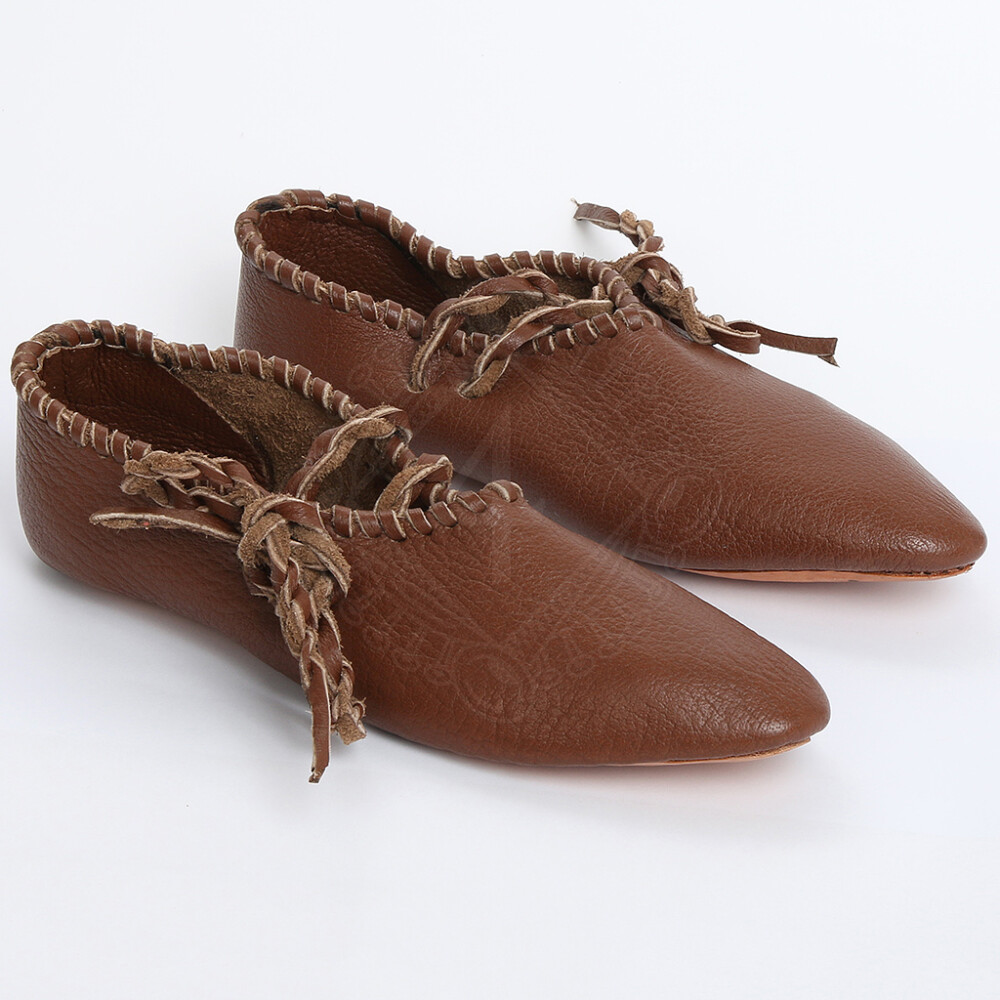
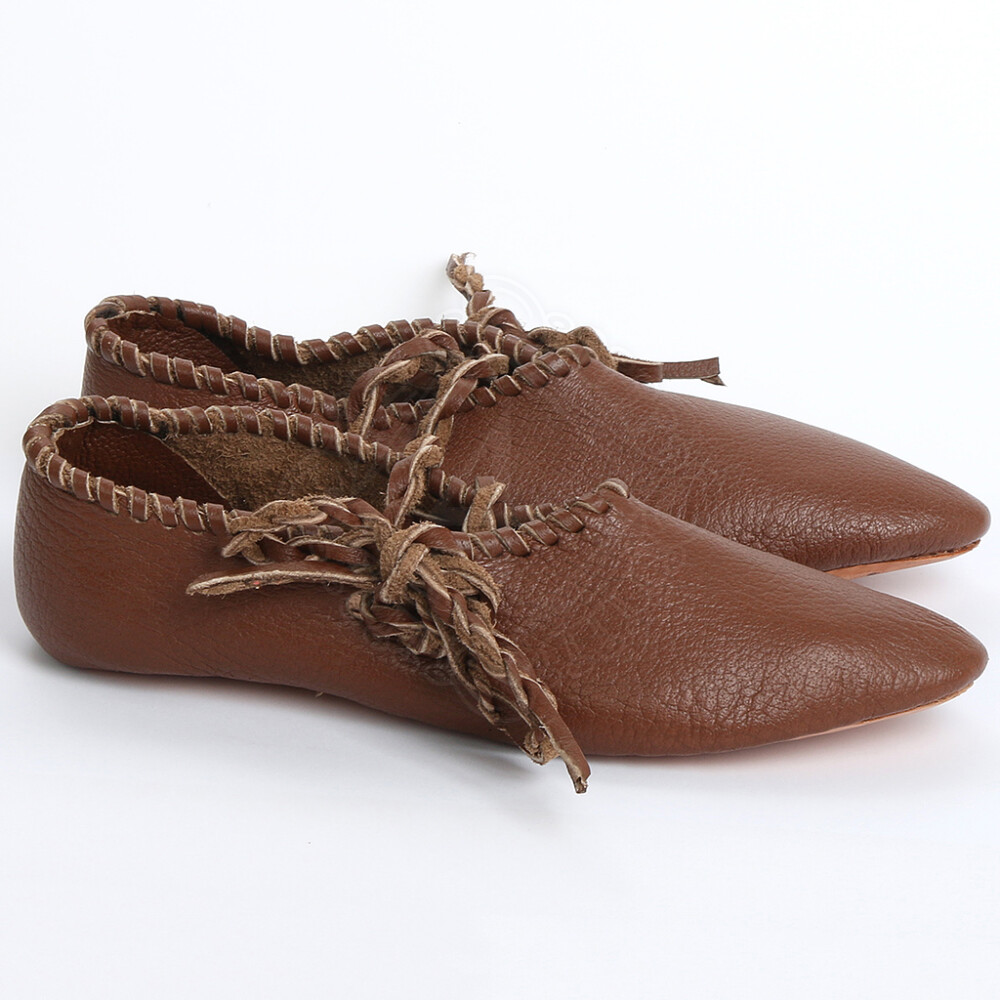
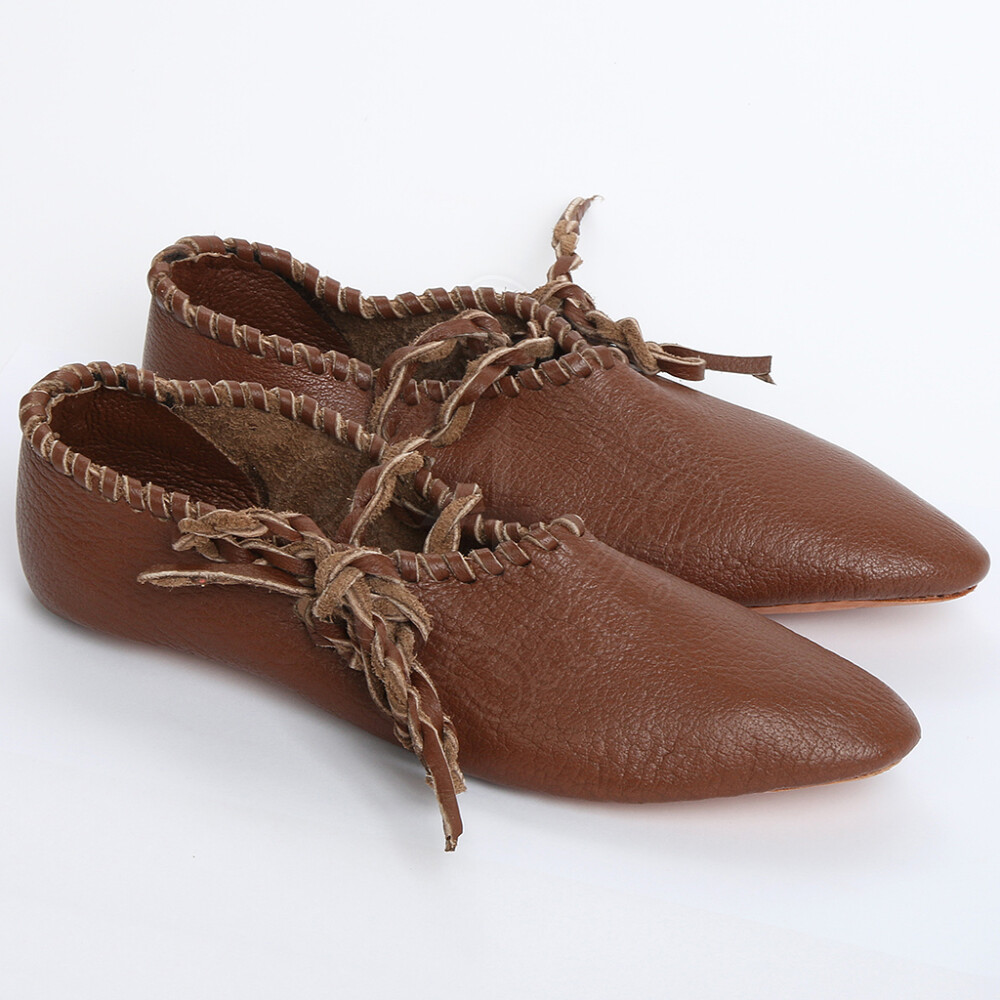
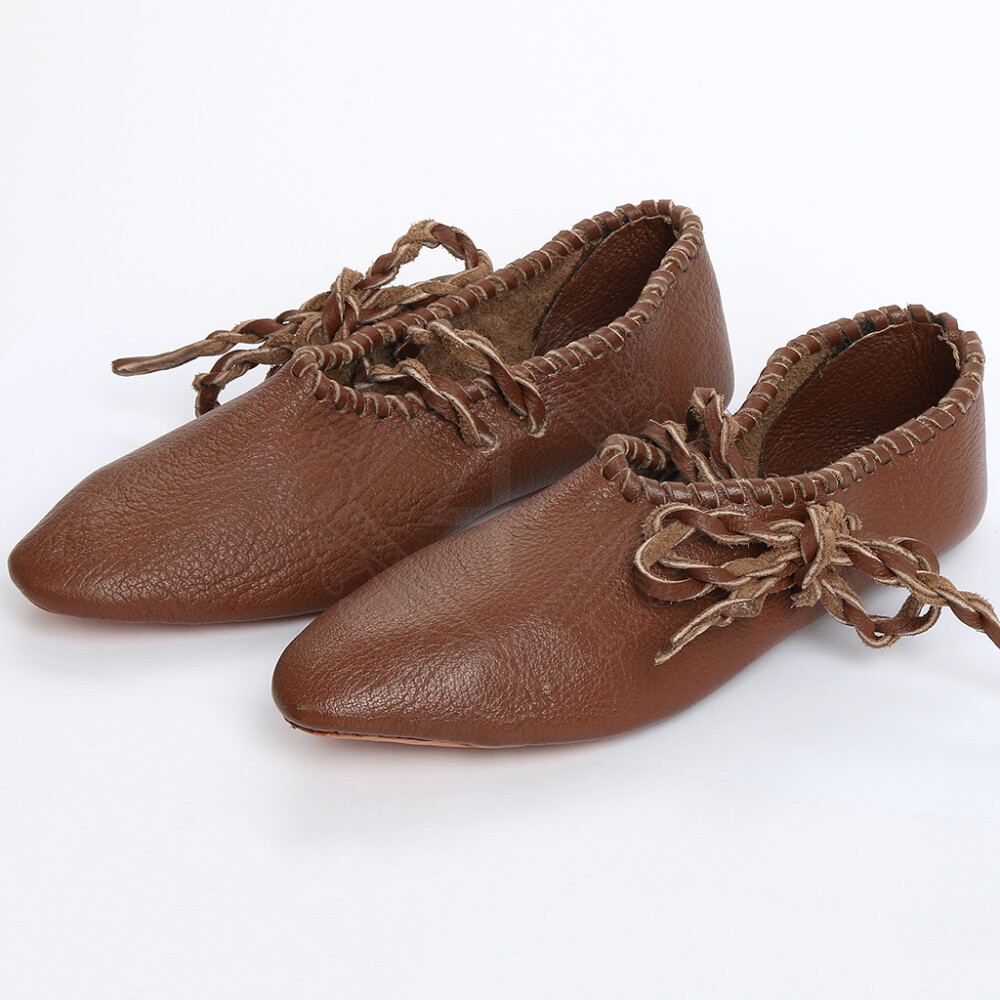
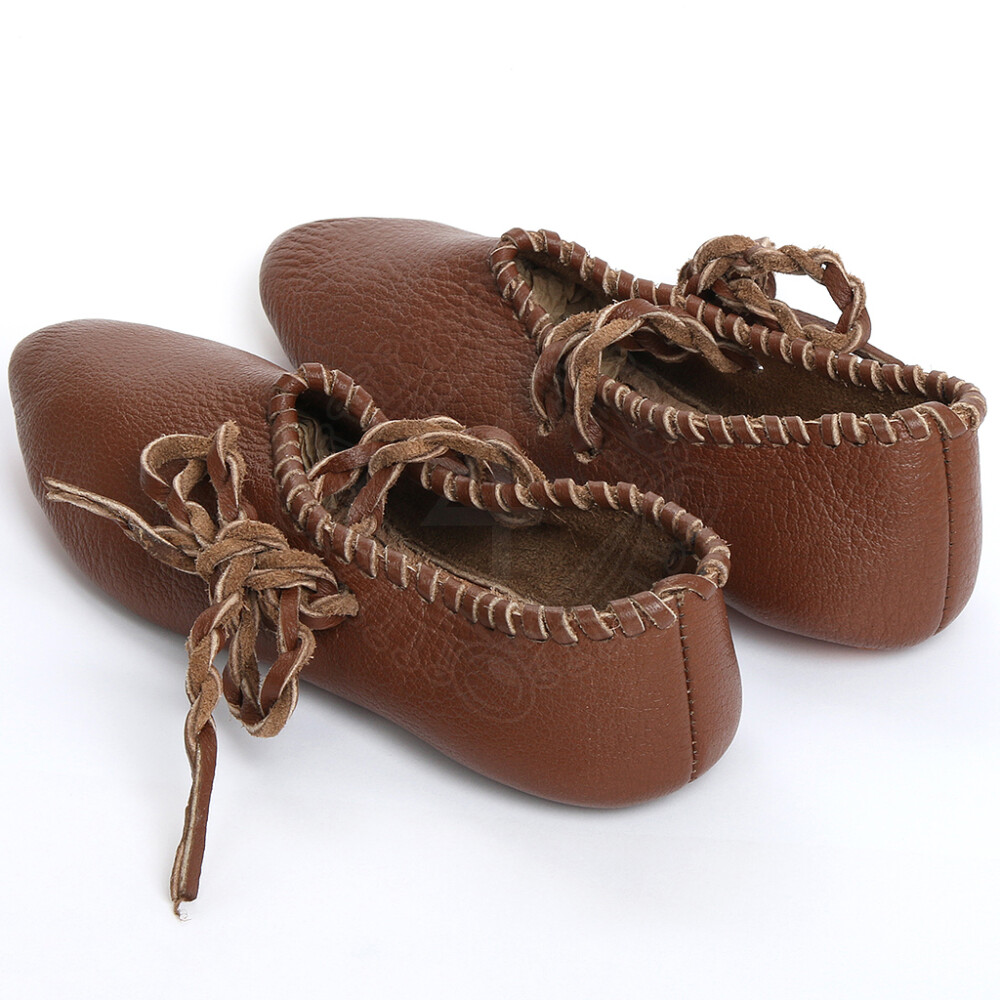

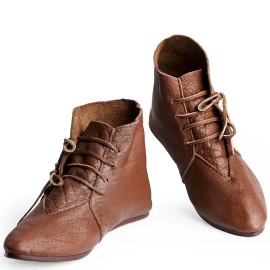
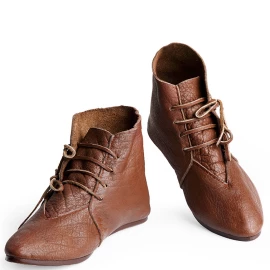
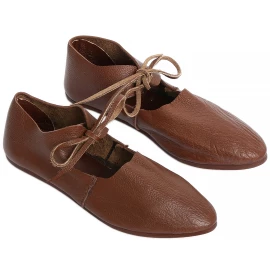
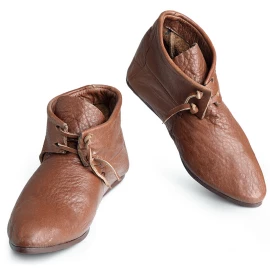
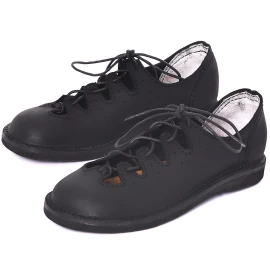
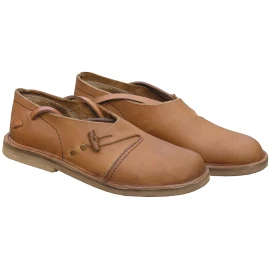
Are you looking for maximum comfort for moments of rest after battle, or do you need authentic footwear for a castle interior or tent? These light leather shoes, inspired by 13th-century fashion (1200–1300), are designed for those who prefer natural contact with the ground. These are not heavy marching boots, but light, flexible shoes that give your feet freedom and softness. They are the ideal accessory for historical costumes of burghers, craftsmen, and nobility during private moments. Further product information ...

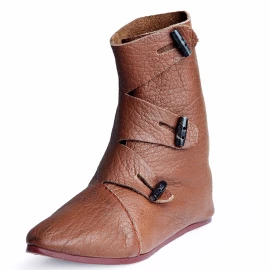
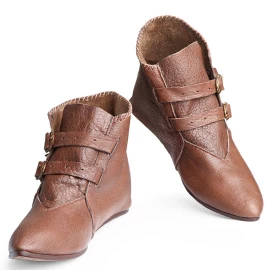
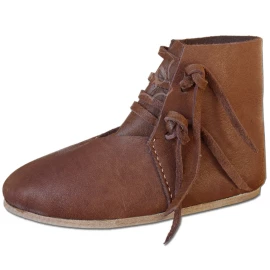
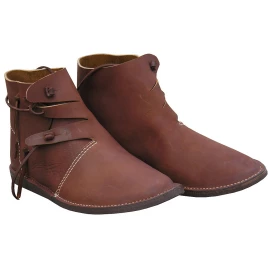
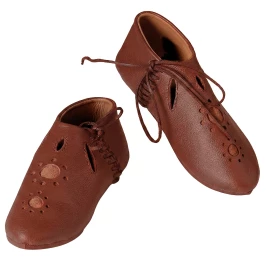
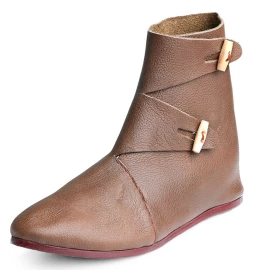
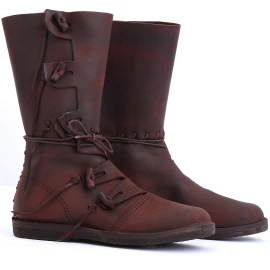
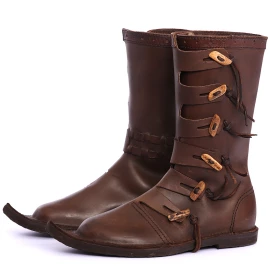
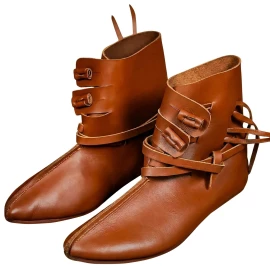
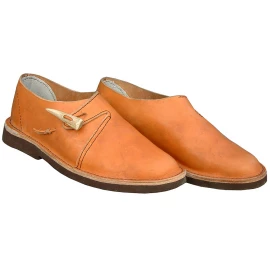
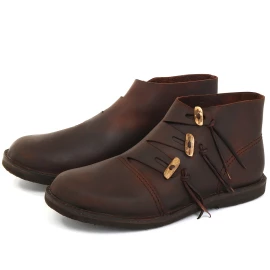
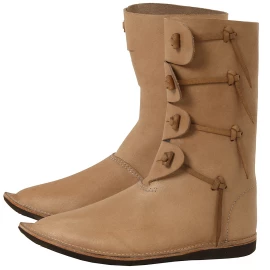
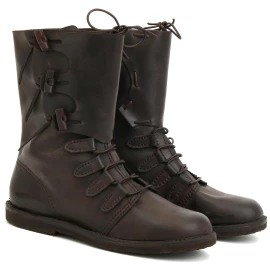
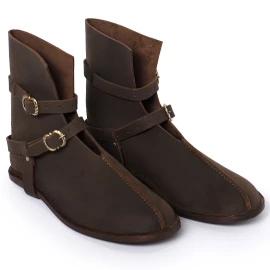
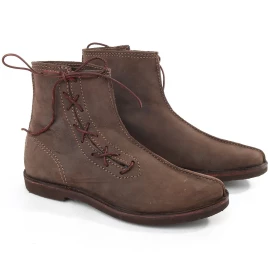
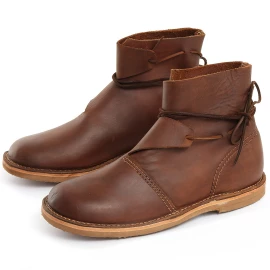
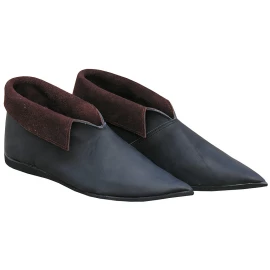
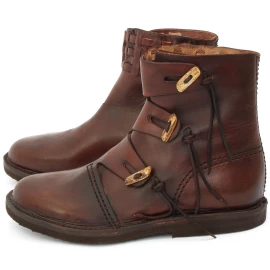
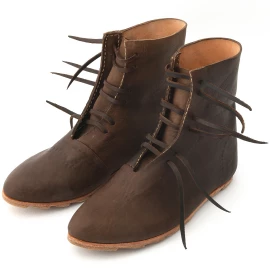
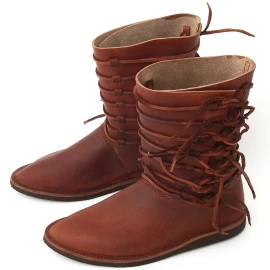
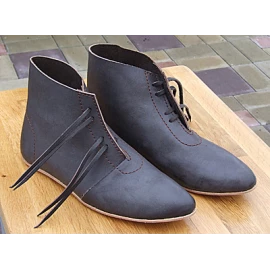
The following variants are currently available:
Light Medieval Shoes – 13th Century (Soft Sole)
Like a Second Skin: Construction Without a Rigid Sole
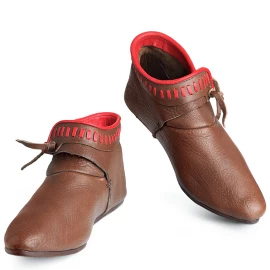
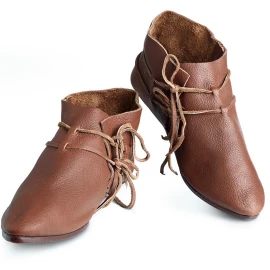
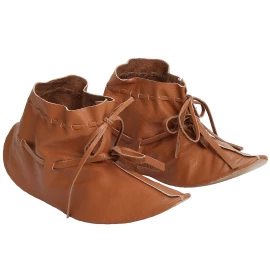
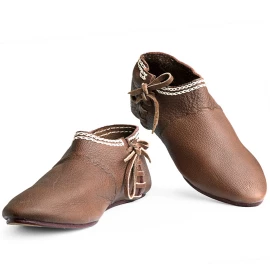
The specific feature of this model is the absence of a classic rigid or nailed sole. The shoe is sewn from high-quality and supple natural leather, making it extremely light and flexible. The construction resembles a sturdier sock or moccasin. The ankle is rimmed with decorative braiding, through which a leather thong passes to tighten and secure the shoe on the foot. This system is simple, aesthetic, and historically accurate.
Historical Usage: With Pattens and Indoors
In the Middle Ages, such light footwear was very widespread. It was primarily worn:
- Indoors: On wooden floors of houses, castles, or carpets, where it protected the foot from the cold but did not damage the floor.
- Combined with Pattens (Wooden Overshoes): If a medieval person wanted to go out onto a muddy street in these shoes, they would put on wooden platforms (pattens) over them, which protected the fine leather from moisture and dirt.
| Parameter | Specification |
|---|---|
| Date | 1200 – 1300 (13th Century) |
| Material | Natural Cowhide |
| Sole Type | Soft leather sole (non-rigid) |
| Fastening | Drawstring leather thong |
| Colour | Brown |
| Manufacturer | Marshal Historical |
Important Warning
Since the shoe does not have a rigid sole, you will feel every pebble under your foot. The shoes are not suitable for walking on sharp gravel, rocks, or modern asphalt, where the leather would quickly wear through. They can be slippery on smooth surfaces (tiles, polished parquet). We recommend using them on grass, packed earth, indoors, or as camp shoes for changing into.
Footwear Care
Leather is a natural material. To keep it soft, treat it regularly with leather balm. Avoid soaking – if the shoes get wet, dry them very slowly (stuffed with newspaper), never near a direct heat source, otherwise the leather will harden and lose its flexibility.
We are here for you!