
 Čeština
 Deutsch


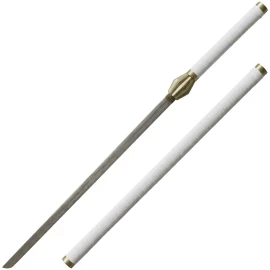
Light Wood Shirasaya Katana
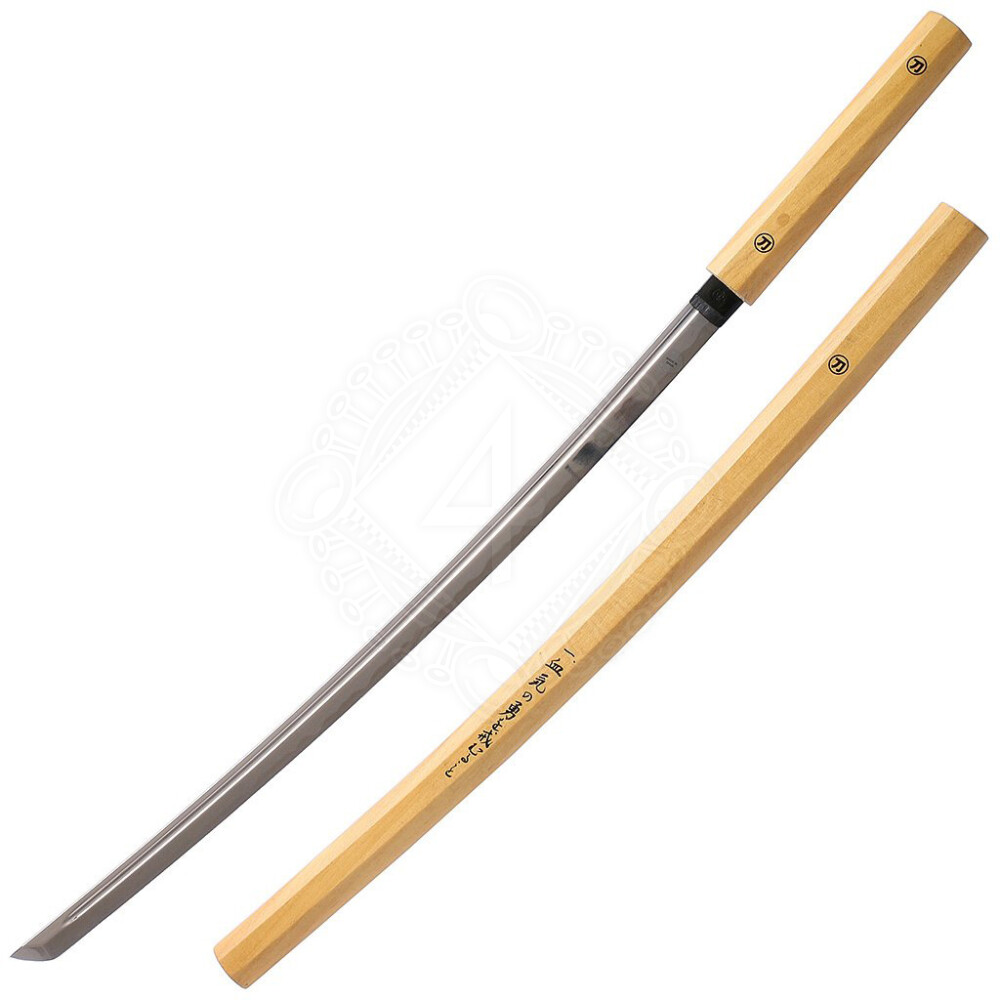
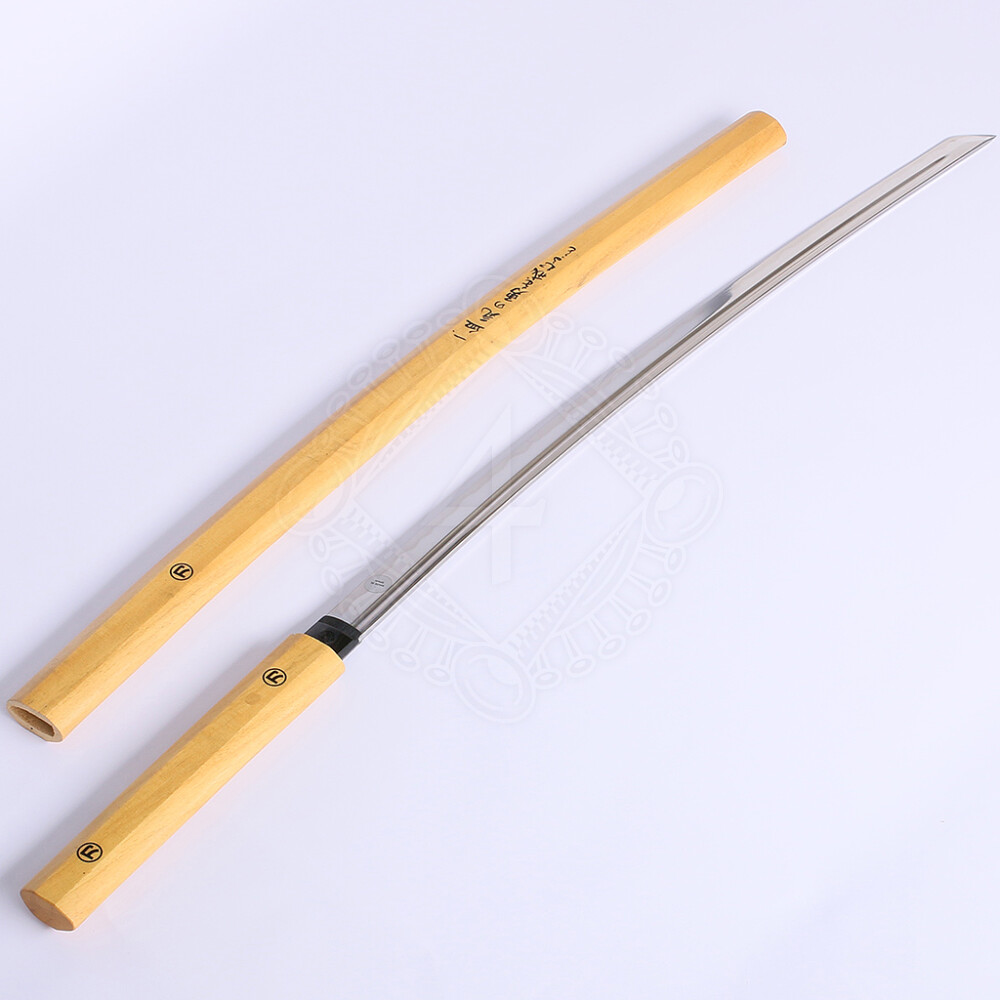
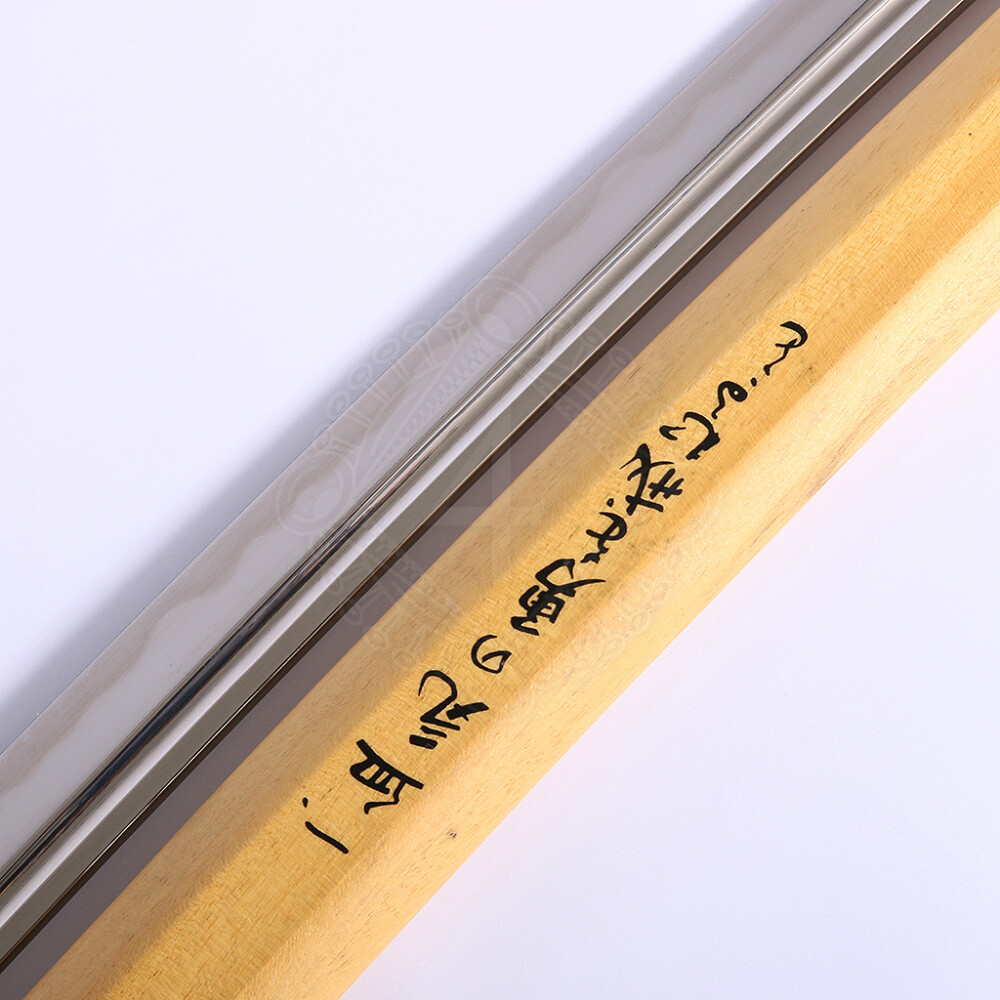
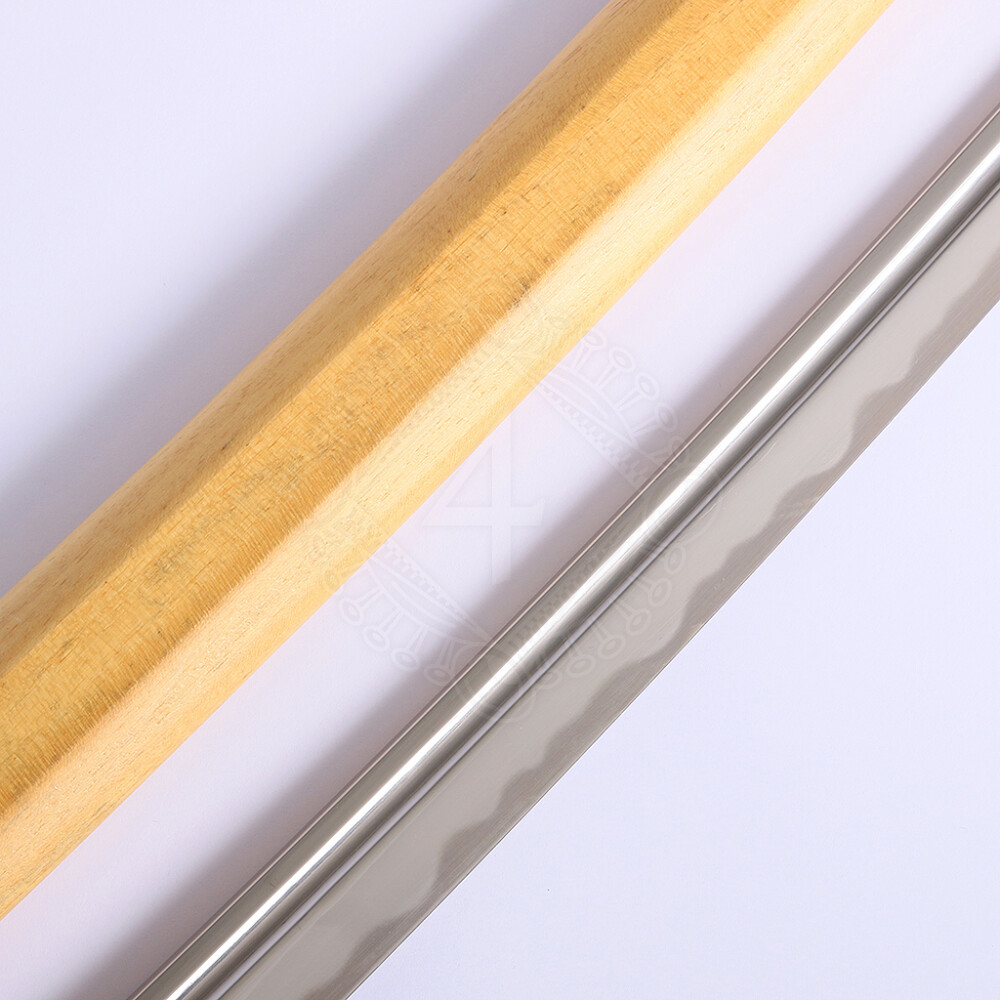

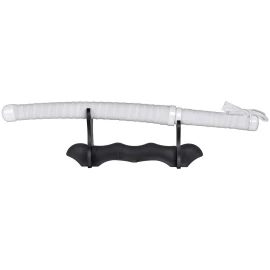
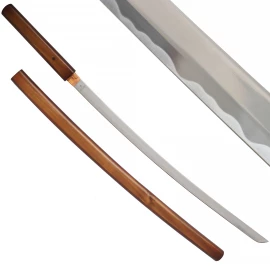
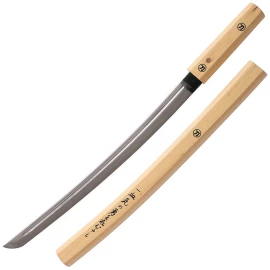
Are you looking for a centrepiece for your collection that blends the clean minimalism of Japanese design with high-quality European craftsmanship? This stunning replica of a Shirasaya Katana by the renowned Spanish brand Marto is exactly what you need. Modelled after traditional Japanese "resting scabbards," it emphasizes the natural beauty of wood. With no guard (tsuba) to break the profile, the handle flows seamlessly into the scabbard, creating the appearance of a simple wooden staff concealing a blade within. It is an ideal choice for enthusiasts of Eastern aesthetics looking for a safe, low-maintenance decorative piece. Further product information ...

Would you like to be notified as soon as the item is in stock?
You will receive a short e-mail as soon as we have it back in stock.
Light Wood Shirasaya Katana – Decorative Sword by Marto
Elegant Design and Hidden Blade
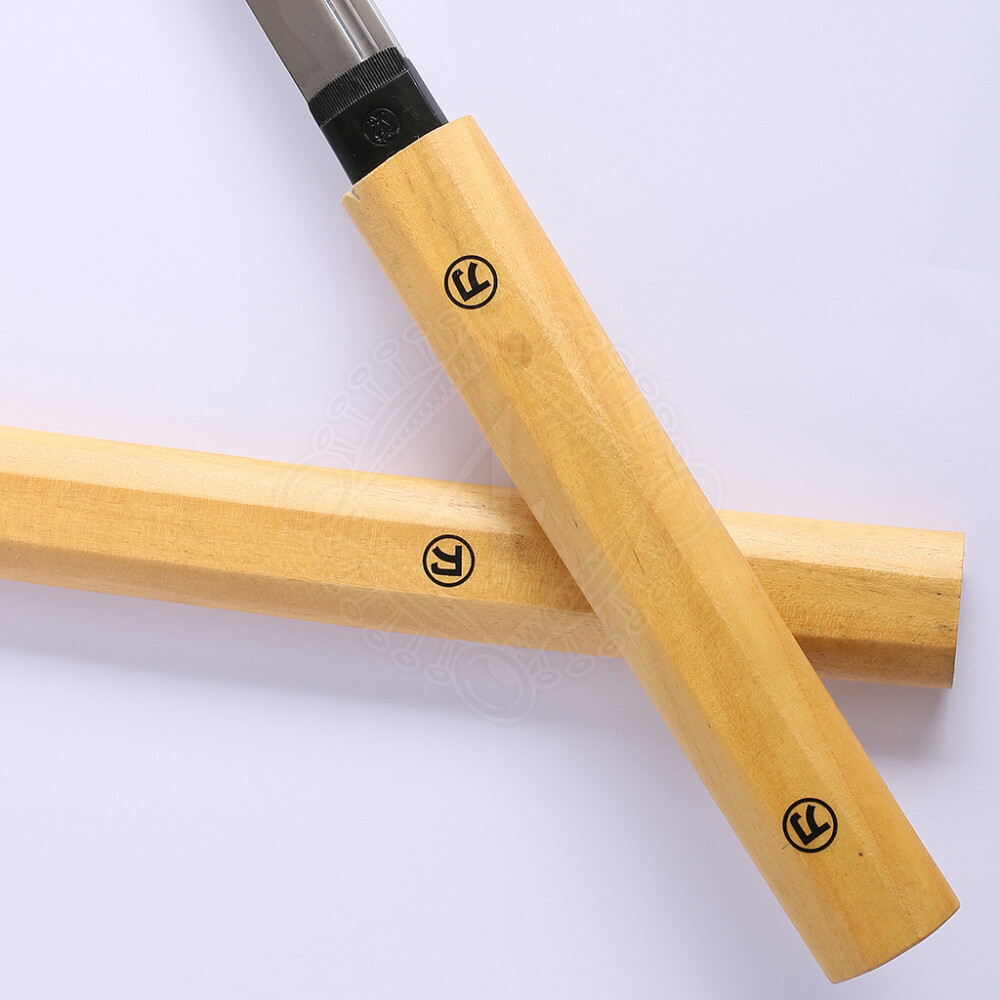
This katana represents the Shirasaya style (literally "white scabbard"). You will immediately notice the precision craftsmanship of the light natural wood used for both the handle (tsuka) and the scabbard (saya). The wood is smooth to the touch and adorned with decorative Japanese calligraphy, adding a spiritual dimension to the weapon. The assembly is secured with visible mekugi pegs, highlighting its traditional construction inspiration.
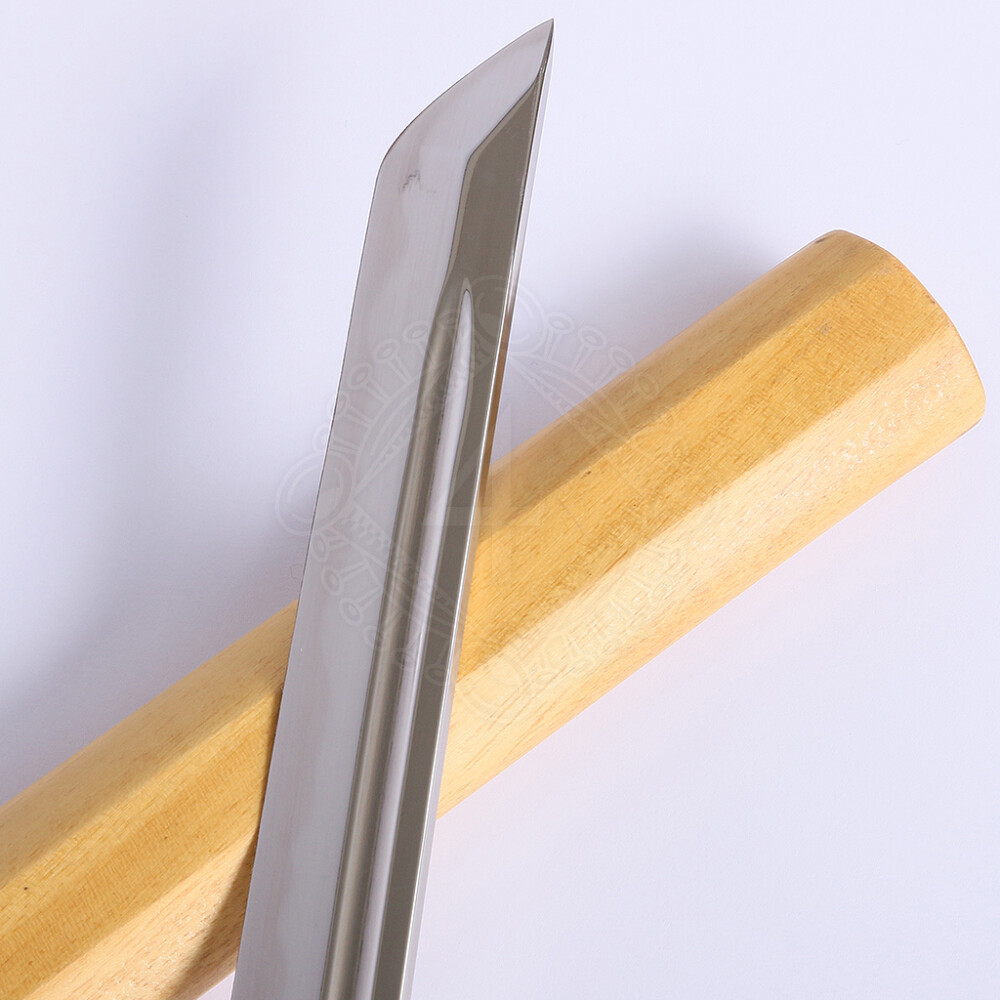
The blade is crafted from high-quality X30Cr13 stainless steel (AISI 420 type) and hardened to 48–52 HRC. While this is a decorative steel, the manufacturer has paid great attention to aesthetics. The blade features a Hamon line. Please note that this is not a result of clay tempering but is artificially created (wire-brushed/etched), yet it looks incredibly authentic and striking.
Historical Context: The Purpose of Shirasaya
Historically, in feudal Japan, the Shirasaya was not designed for combat. It was a specialized mounting meant for the long-term storage of a blade. Standard battle mountings (Koshirae) were often lacquered and sealed, which could trap moisture and cause the precious steel to rust. The natural wood of a Shirasaya allowed the blade to "breathe." Later, particularly during periods when carrying swords was banned (like the Meiji era), this style was sometimes adopted as a "hidden sword" disguised as a walking stick. This concept was popularized in the West by characters like the blind swordsman Zatoichi.
Usage and Safety Warning
It is crucial to understand that this katana is strictly a decorative item.
- Not for Combat: The stainless steel blade is more brittle than high-carbon steel and may snap under impact.
- Not for Cutting Tests (Tameshigiri): The hilt construction lacks a guard and is not reinforced for the physical shock of striking targets.
- Not for Martial Arts Practice (Iaido): The lack of a handguard (tsuba) poses a significant risk of your hand slipping onto the edge during a draw.
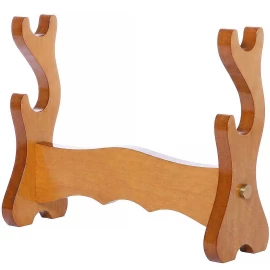
This sword will serve you best displayed on a stand (stand not included), where it can be admired by guests and enhance the atmosphere of your room.
Care Instructions
Although the blade is stainless steel and resists rust better than historical carbon steel originals, I recommend taking care of it to keep it pristine. Wipe it occasionally with a dry cloth to remove dust and fingerprints. Do not expose the wooden parts to direct sunlight or extreme humidity to prevent the wood from warping or cracking.
Specifications
| Parameter | Metric Value | Imperial Value |
|---|---|---|
| Overall Length | approx. 935 mm | approx. 36.8 inches |
| Blade Length (inc. Habaki) | approx. 695 mm | approx. 27.4 inches |
| Handle Length (Tsuka) | approx. 242 mm | approx. 9.5 inches |
| Blade Width (at Habaki) | approx. 29 mm | approx. 1.14 inches |
| Blade Thickness (at Habaki) | approx. 5.5 mm | approx. 0.22 inches |
| Weight (Sword only) | approx. 692 g | approx. 1.5 lbs |
| Weight (with Scabbard) | approx. 804 g | approx. 1.8 lbs |
| Point of Balance (from hilt) | approx. 205 mm | approx. 8.1 inches |
| Blade Material | Stainless Steel X30Cr13 (AISI 420) | |
| Manufacturer | Marto, Made in Toledo (Spain) | |
We are here for you!






.3773623034.1696456237.png.webp)

.3773623034.1696456268.png.webp)
.3773623034.1696456247.png.webp)