 Čeština
 Deutsch


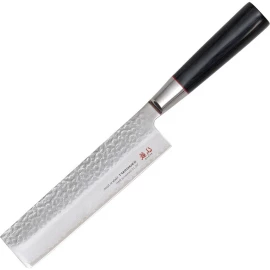
Traditional Japanese Santoku Knife
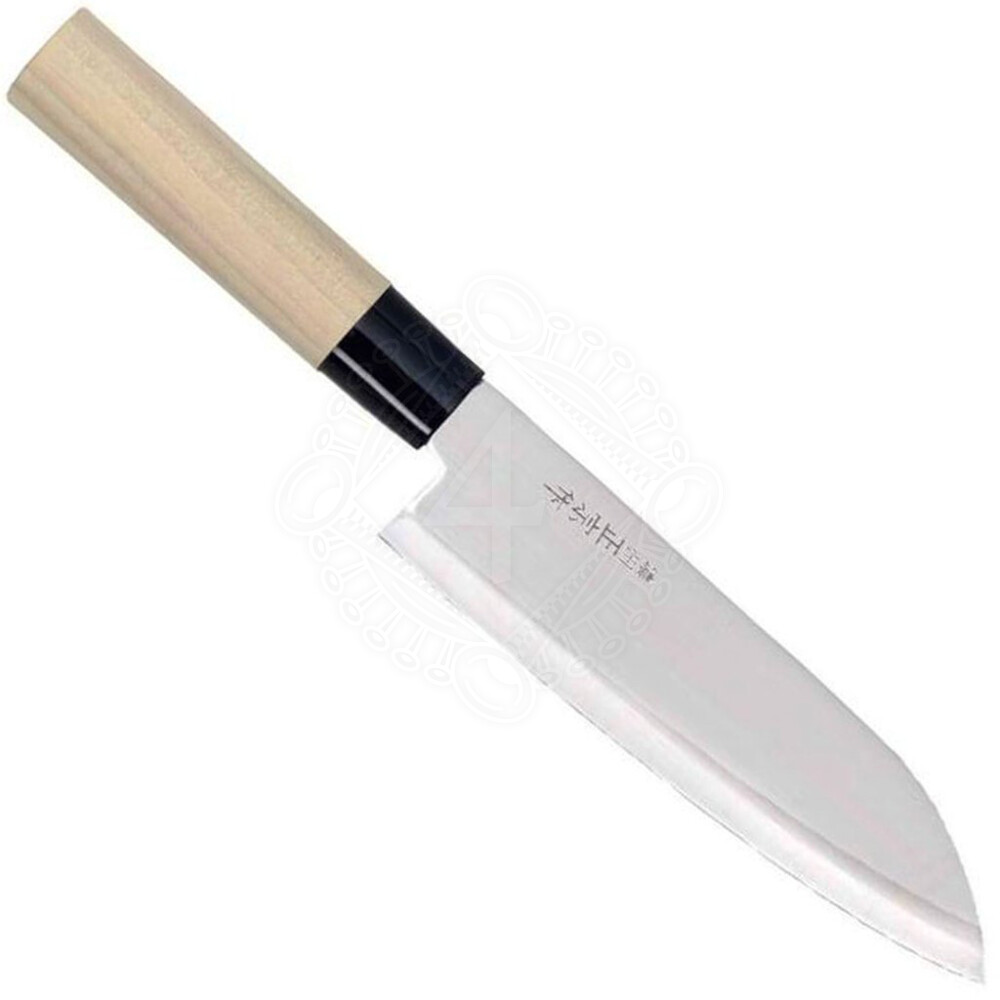
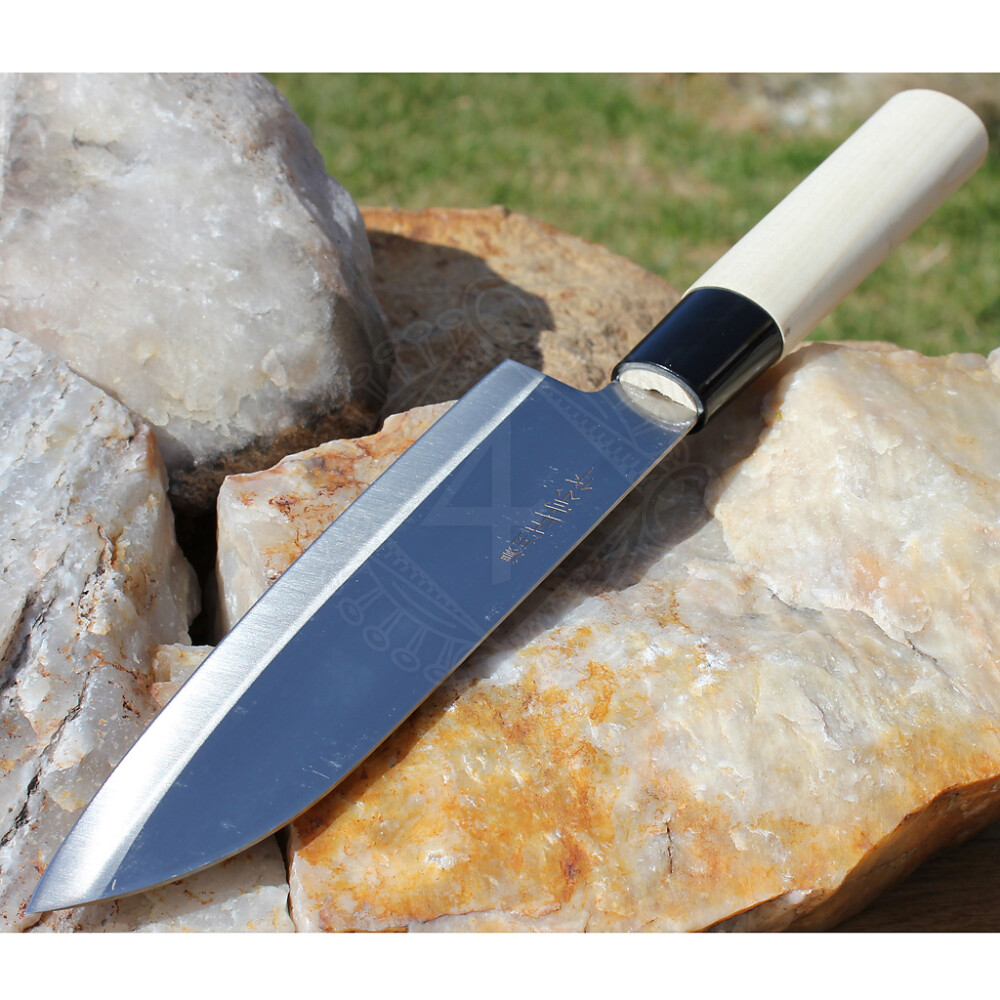
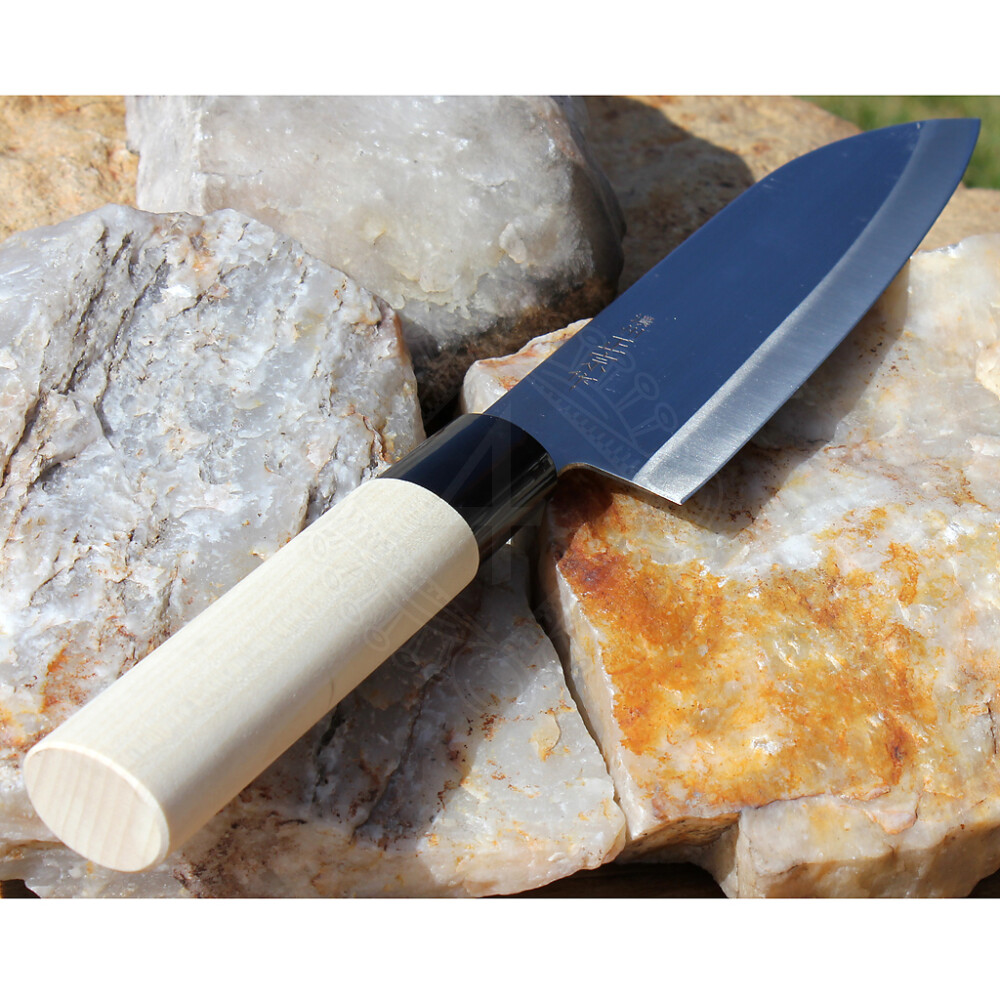
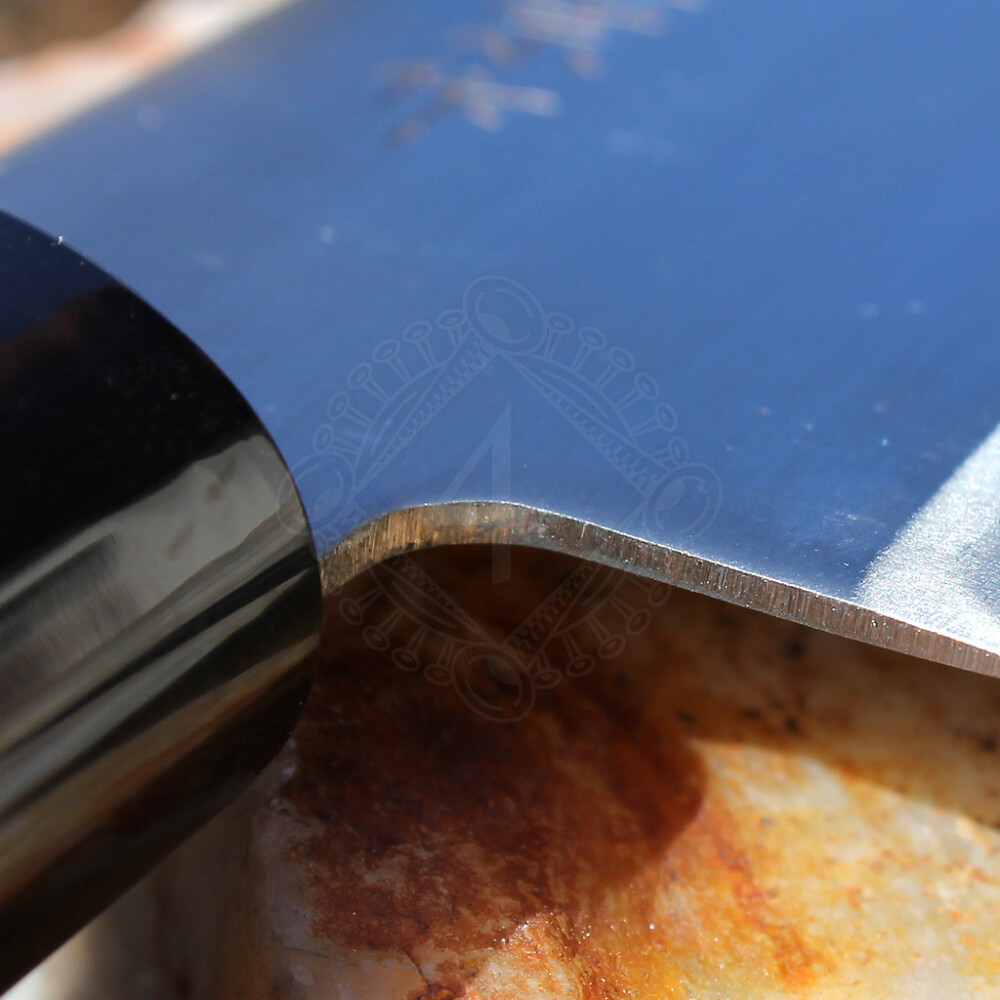
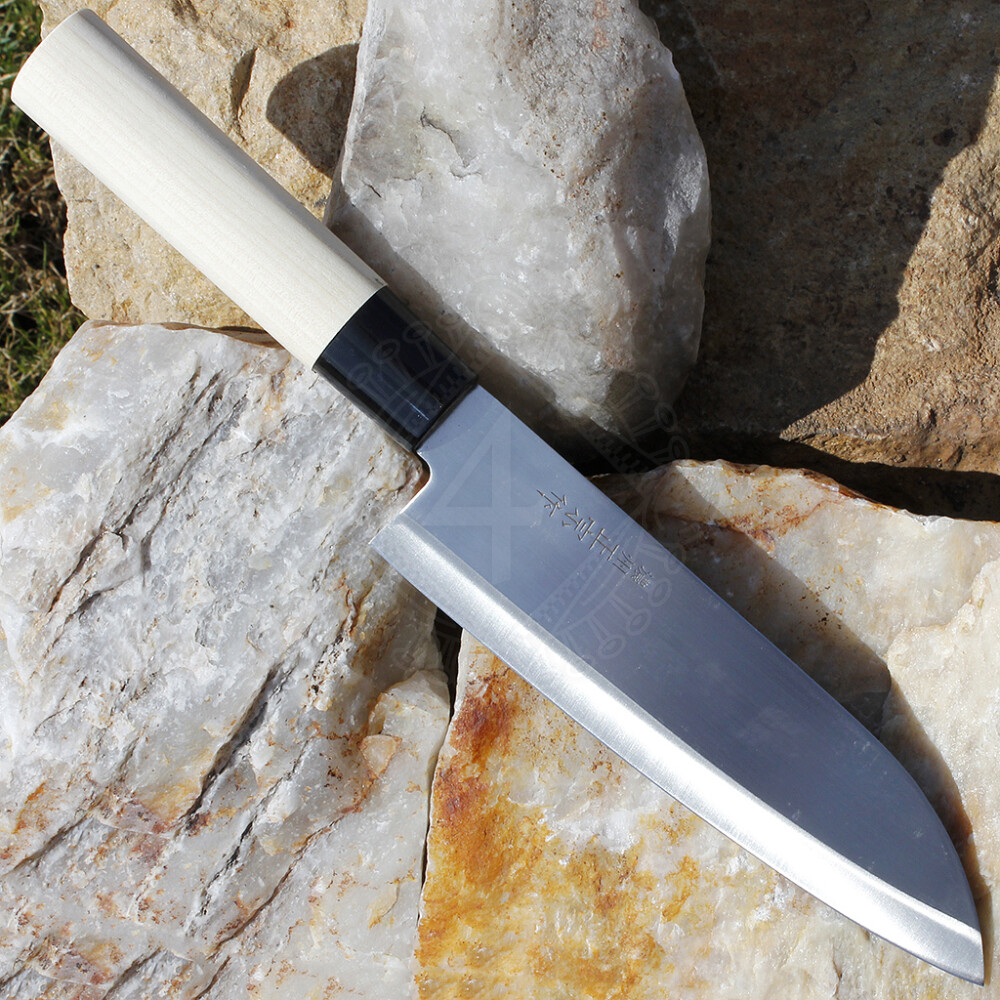
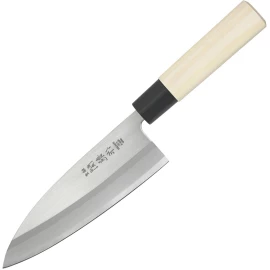
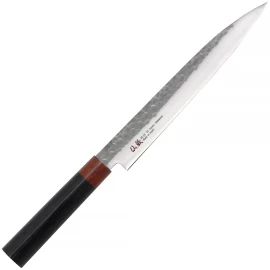
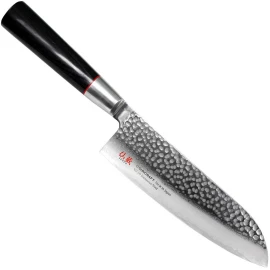
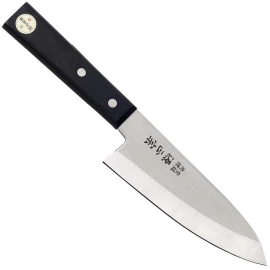
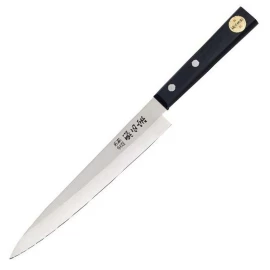
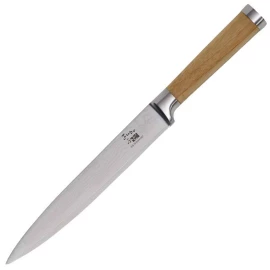
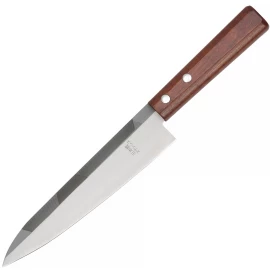
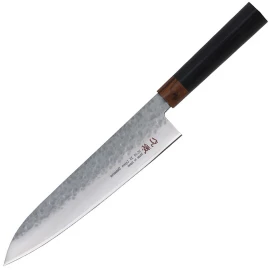
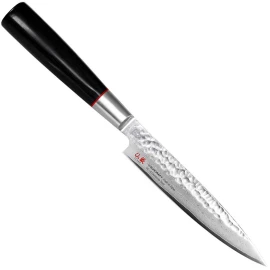
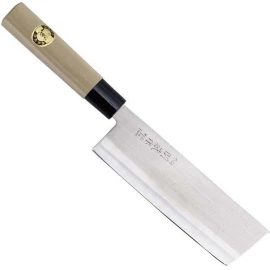
Are you looking for a tool for your kitchen that carries the spirit of true Japan and offers cutting performance that ordinary knives can only dream of? This Santoku knife is no ordinary slicer. Its uniqueness lies in the traditional blade construction, which is sharpened only on one side (known as Kataba). This style, typically reserved for professional sashimi knives, allows you to guide the cut with surgical precision. The high-quality stainless steel blade uncompromisingly separates slices of meat, fish, or vegetables without tearing the ingredients. Thanks to the lightweight wooden handle, you hardly feel the knife in your hand, allowing you to work quickly and without fatigue, just like masters in Japanese bistros. Further product information ...
Would you like to be notified as soon as the item is in stock?
You will receive a short e-mail as soon as we have it back in stock.
Traditional Japanese Santoku Knife with Single Bevel Edge
The Master of Precision Cuts
The word Santoku translates to "three virtues" or "three uses," referring to its versatility in cutting meat, fish, and vegetables. However, in this specific single-bevel design, you gain the additional advantage of extreme sharpness. The flat back side of the blade aids in straight cutting and easy separation of slices. The handle is made of natural light wood (traditionally Magnolia or Poplar is used) and is finished with a plastic collar. Its round profile is pleasant to the touch and does not slip even in a wet palm. This knife is the ideal entry ticket into the world of traditional Japanese cutlery for any enthusiastic chef.
Knife Parameters
| Knife Type | Santoku (Single Bevel / Kataba) |
| Blade Material | Stainless Steel (Made in Japan) |
| Handle Material | Natural Light Wood |
| Blade Length | 170 mm (approx. 6.7 inches) |
| Total Length | 300 mm (approx. 11.8 inches) |
| Weight | approx. 150 g (approx. 5.3 oz) |
Why a Single Bevel?
In the Western world, we are used to knives sharpened into a "V" shape. However, traditional Japanese knives often use a so-called chisel grind. This geometry creates a much sharper angle and a thinner cutting edge. Historically, this shape stems from the need for a clean cut that does not disrupt the cellular structure of the ingredient—meat retains its juices, and vegetables stay fresh longer. Working with such a knife requires a little practice (the knife tends to steer slightly to the side), but once you master the technique, you won't want to cut with anything else.
Care and Maintenance
To ensure this Japanese specialist serves you for many years, follow these rules:
- Washing: Wash the knife exclusively by hand under running water with a little detergent. Never put it in the dishwasher! Hot steam and aggressive chemicals would irreversibly damage the wooden handle and dull the edge.
- Drying: Wipe the knife dry immediately after washing to prevent stains on the steel and swelling of the wood.
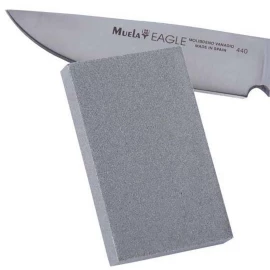
- Sharpening: Due to the single-bevel edge, forget about pull-through sharpeners. Use exclusively Japanese water stones (whetstones). Only the beveled side is sharpened; the flat back side is merely polished to remove the burr.
- Sharpening a Knife Correctly
- Usage: Although the knife is made of steel, its thin edge is prone to chipping. Do not use it to cut bones, frozen foods, or hard pits.
For safe cutting and edge protection, we recommend using a high-quality wooden or plastic cutting board that is gentle on the blade.
We are here for you!