
 Čeština
 Deutsch


Haller Fillet Knife with Flexible Blade - Outlet
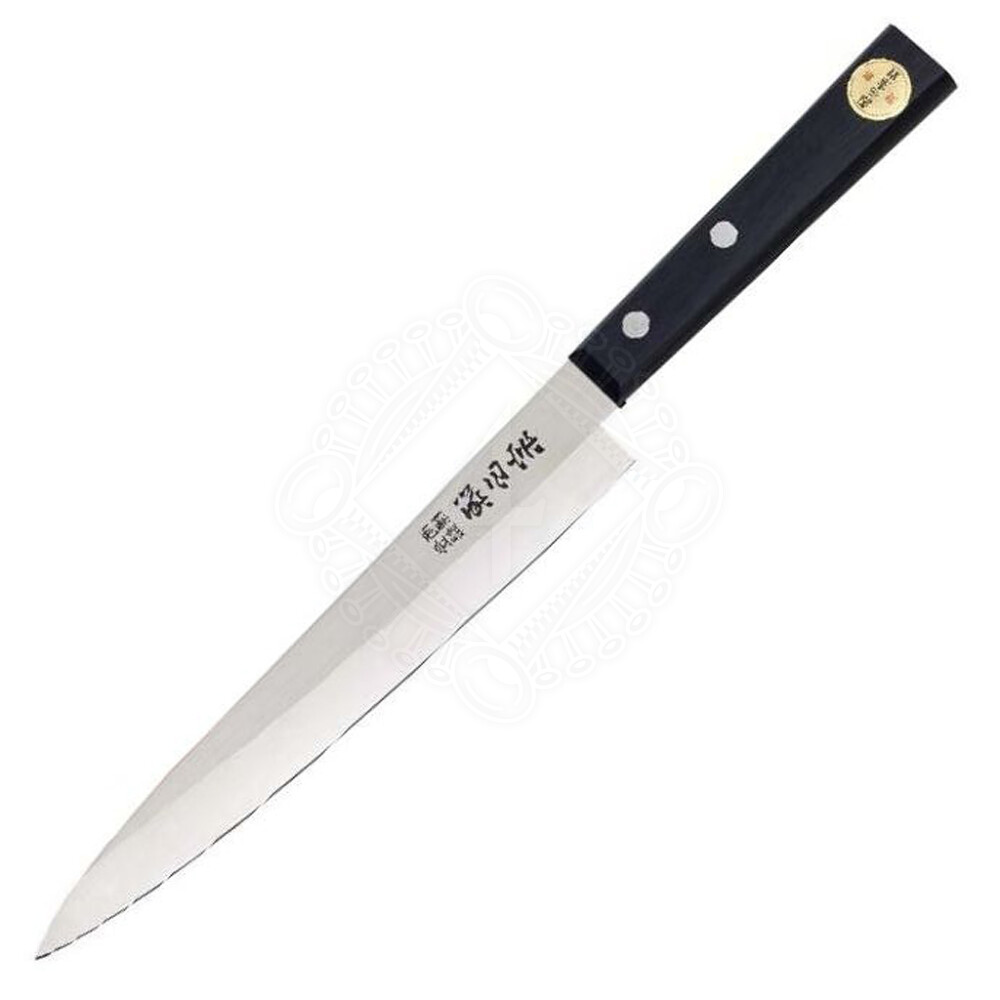
Whether you are an angler, a chef, or just a lover of precisely prepared food, this fillet knife from the brand Haller will become an indispensable part of your kitchen or outdoor equipment. It is designed to allow you to separate meat from bones and skin with ease and elegance. Its long and slender blade reaches even the most inaccessible places, ensuring that you get the most out of every piece of meat. Further product information ...

 Delivery options
Haller Fillet Knife with Flexible Blade – Pakkawood
Extra Thin and Flexible Blade for the Perfect Cut
The main advantage of this knife is its blade made of 420 Stainless Steel. This steel is known for its high corrosion resistance, which is crucial for a knife that often comes into contact with fish blood and water. The blade is also very flexible, so it bends under pressure and perfectly follows the fish's spine or poultry bones, minimizing meat loss. Thanks to its length of 180 mm, it can handle even larger pieces.
Ergonomic Handle and Safe Carry
The handle consists of scales made of Pakkawood (laminated wood) in a beautiful red-black finish that imitates wood grain but is much more durable and stable. The scales are attached to the steel with rivets. The ergonomic shape of the handle, along with the metal bolster, ensures a firm and secure grip, so the knife won't slip even from wet hands.
You will receive a practical black nylon sheath with the knife, which protects the blade during transport and allows you to have the knife safely at hand, whether you are by the water or in the kitchen.
Specifications
| Knife Type | Fillet Knife |
| Total Length | 310 mm (approx. 12.2 inches) |
| Blade Length | 180 mm (approx. 7.1 inches) |
| Blade Material | 420 Stainless Steel |
| Handle Material | Pakkawood (Laminated Wood) |
| Sheath | Nylon (Black) |
| Manufacturer | Haller |
Care and Maintenance
To ensure the knife serves you as long as possible, clean and dry it after each use. Although the steel is stainless, prolonged exposure to aggressive juices or saltwater is not beneficial. Never wash the knife in a dishwasher; high temperatures could damage the wooden handle. Maintain the edge with a sharpening steel or a fine whetstone. You can find more tips in our article on sharpening kitchen knives.
Safety Warning
The knife has a very thin and sharp tip. It is intended exclusively for slicing and filleting soft tissues. Do not use it for chopping bones, opening cans, or as a pry bar, as there is a risk of damaging the blade.
We are here for you!





.3773623034.1696456237.png.webp)

.3773623034.1696456268.png.webp)
.3773623034.1696456247.png.webp)