 Čeština
 Deutsch


Medieval Hobnailed Ankle Boots with Lacing – 13th & 14th Century
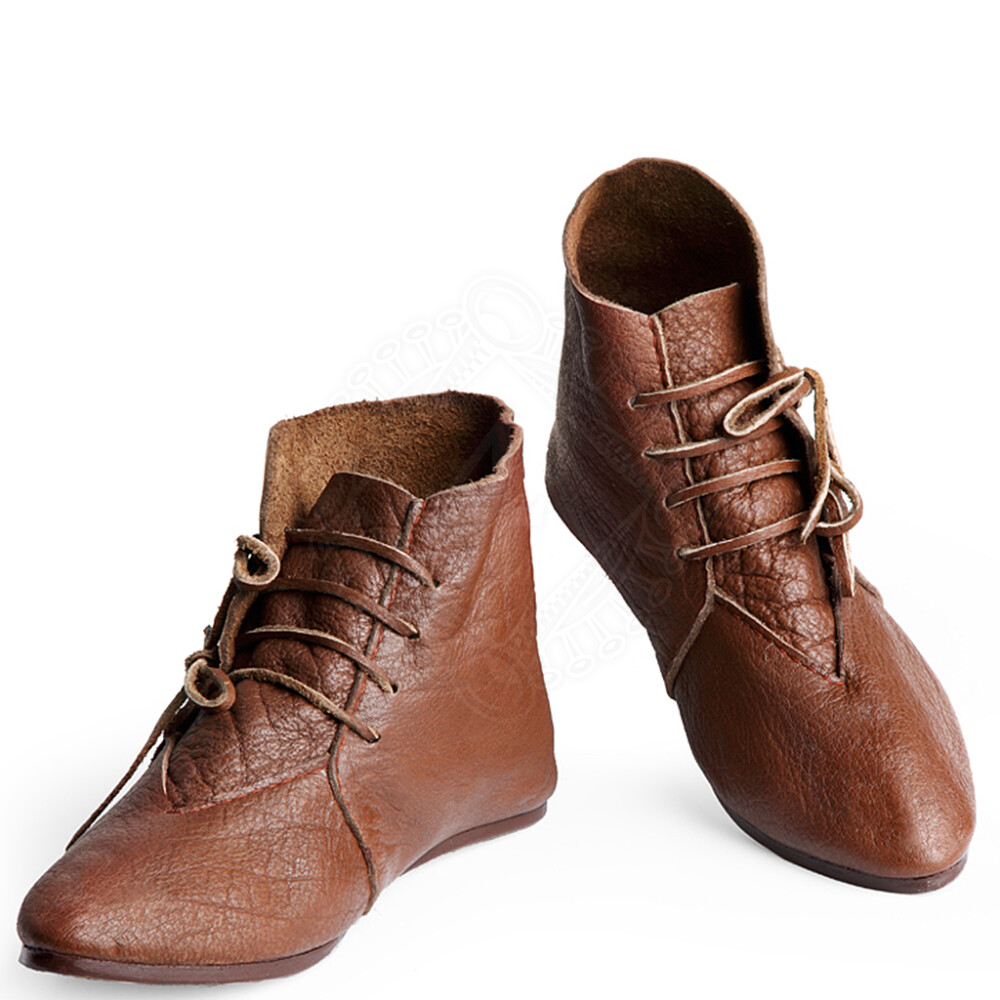
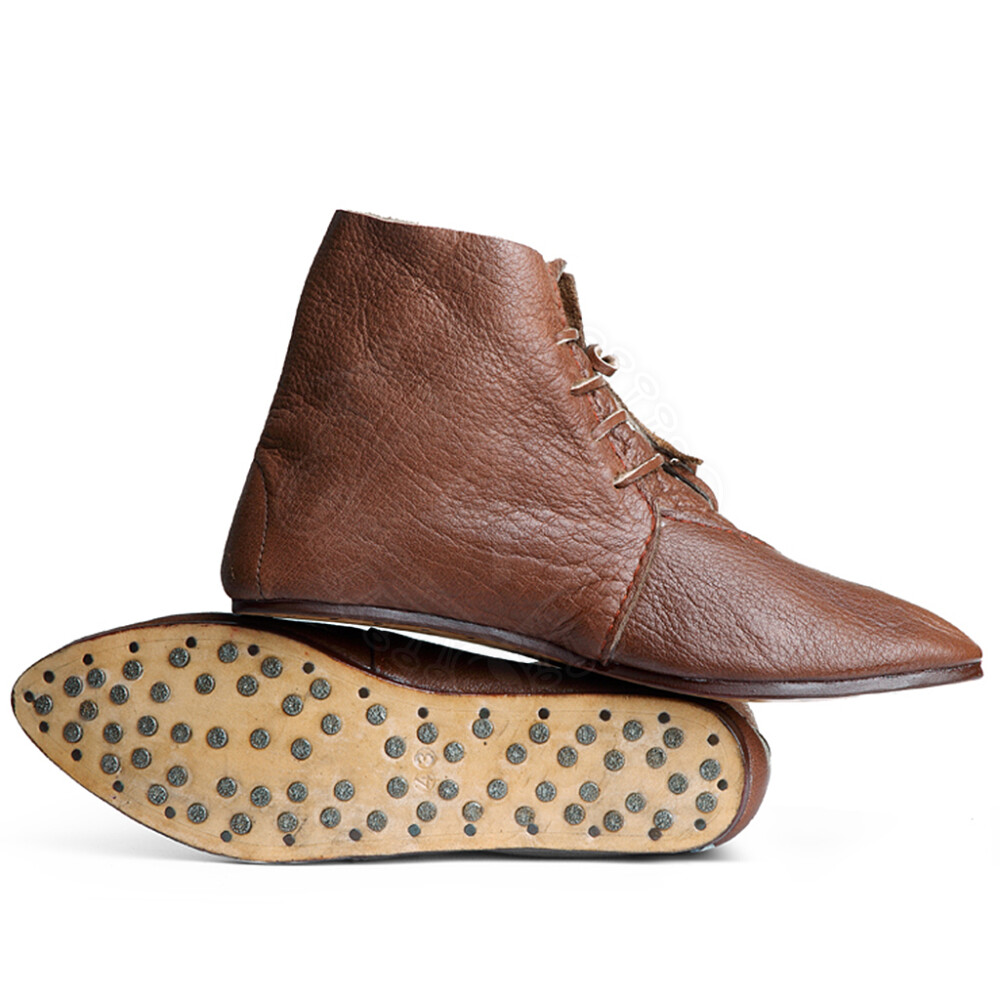
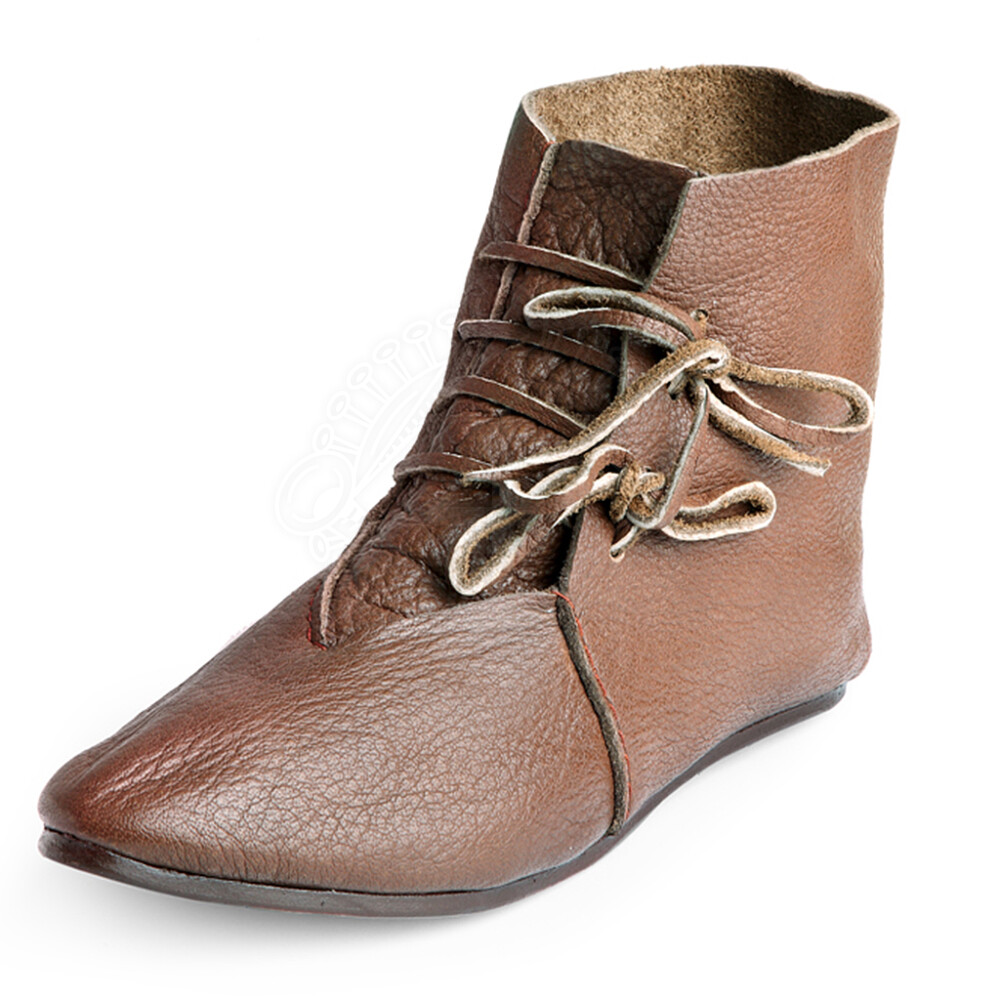
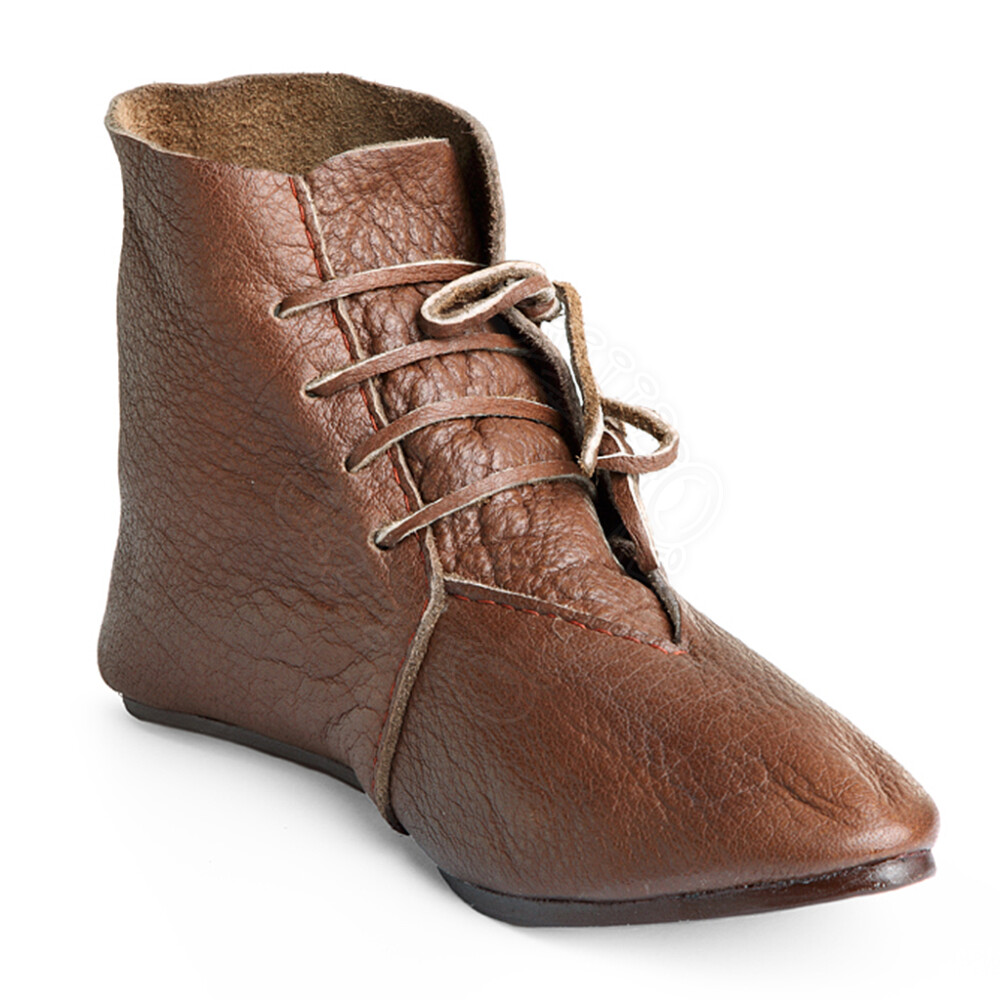
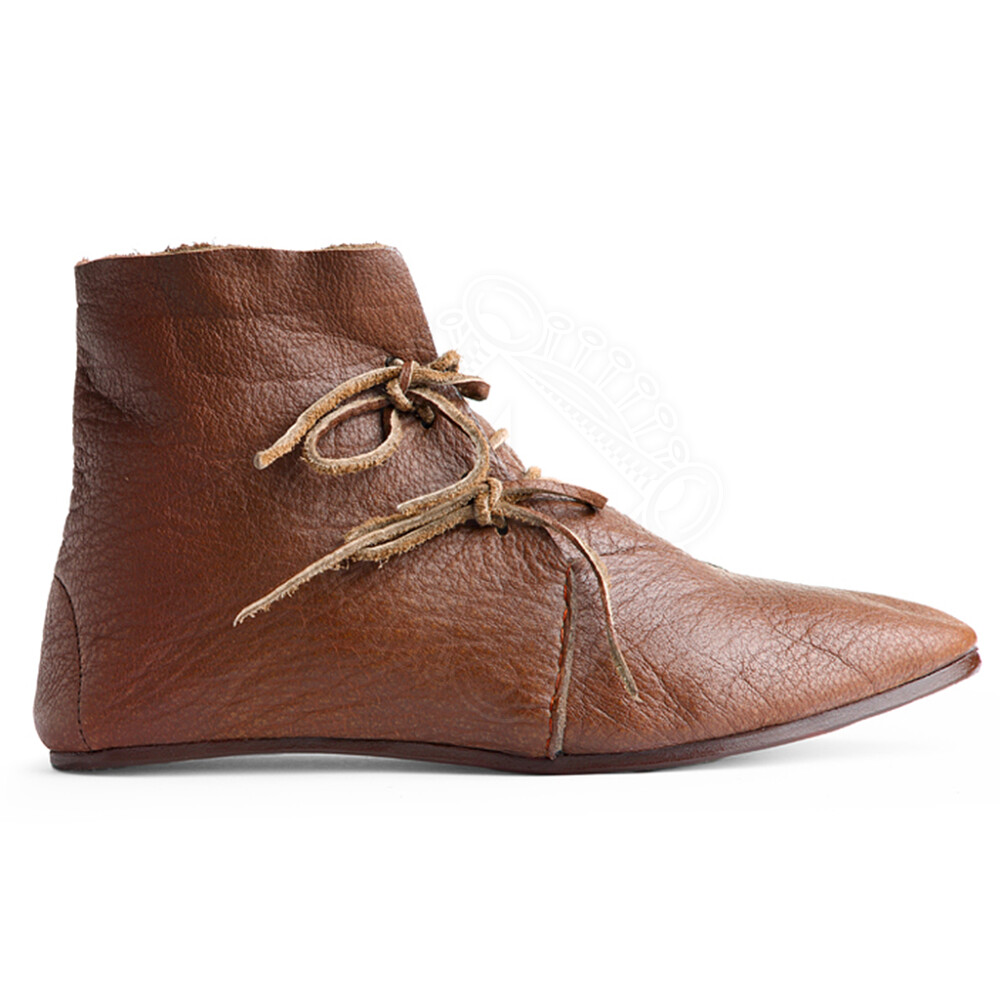
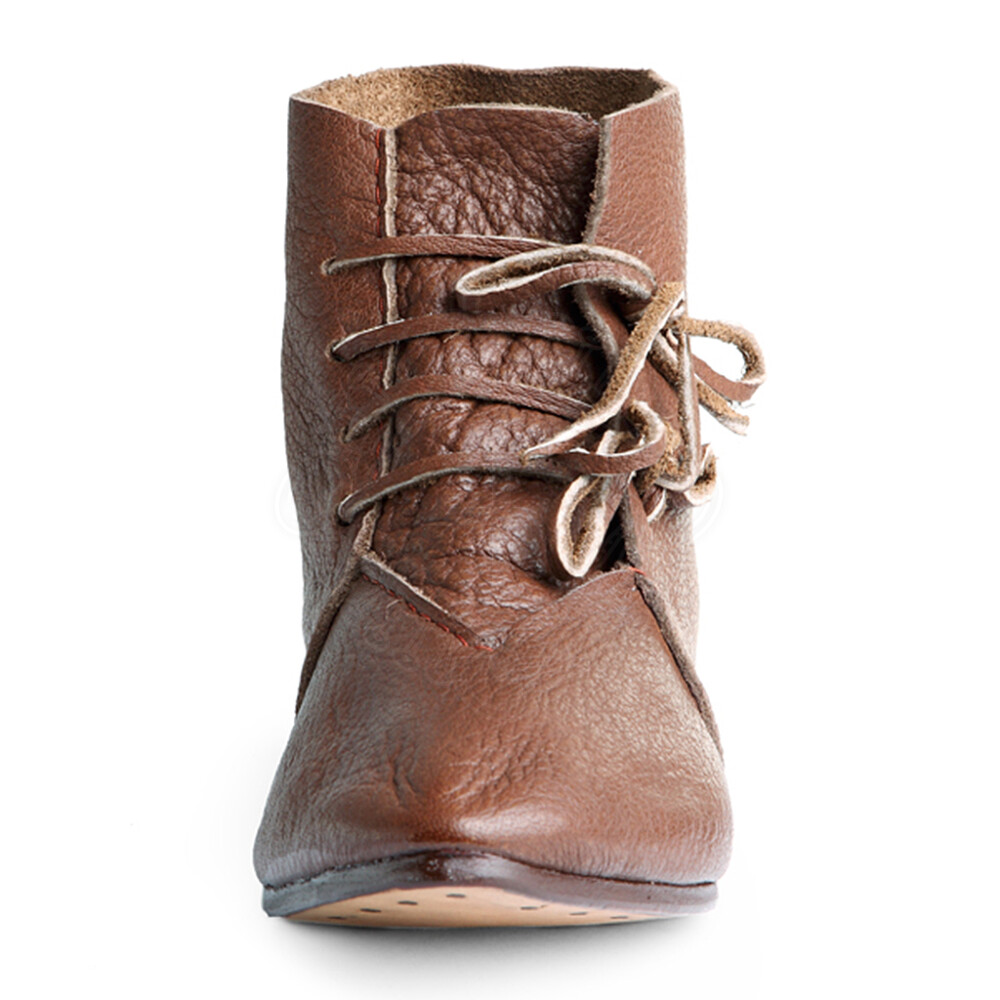

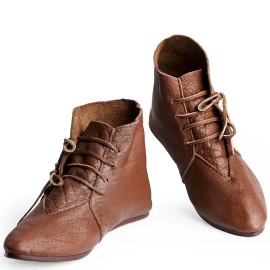
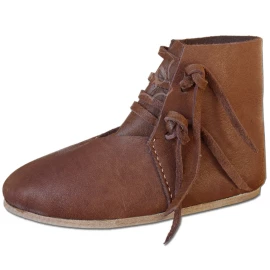
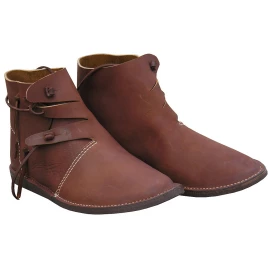
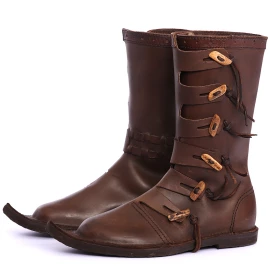
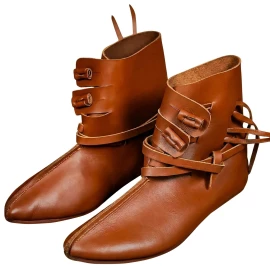
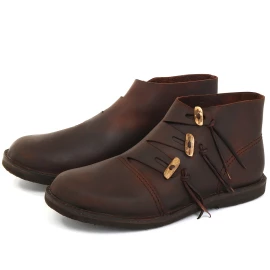
Are you preparing for a battle in a muddy field, facing a long march through the forest, or looking for authentic footwear for a soldier or pilgrim character? These hobnailed ankle boots are the uncompromising choice for rough terrain. While nobles in silk dance in halls, you need footing and stability where it's slippery. Thanks to the historically accurate construction with hobnails in the sole, these boots will support you even in conditions where smooth leather would fail. Further product information ...

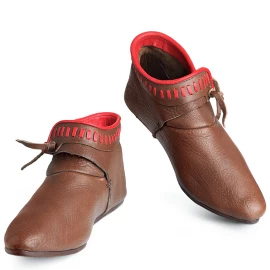
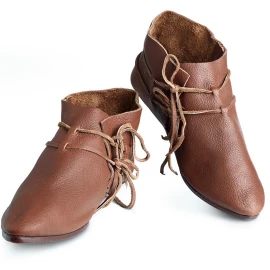
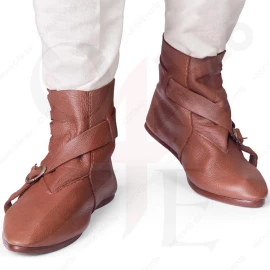
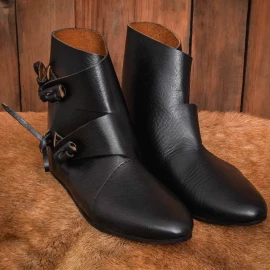
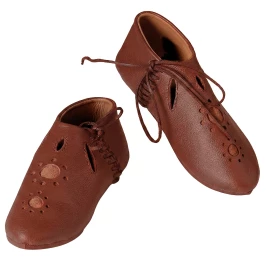
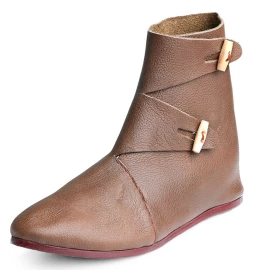
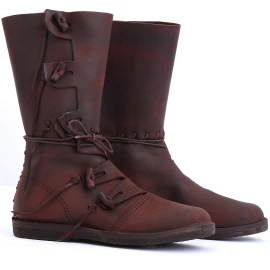
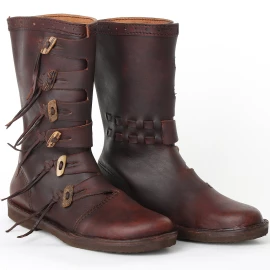
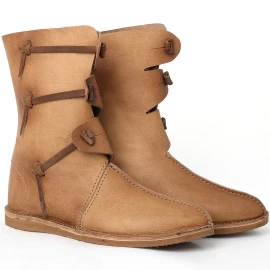
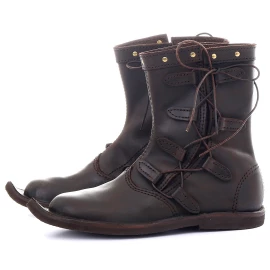
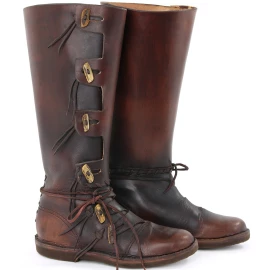
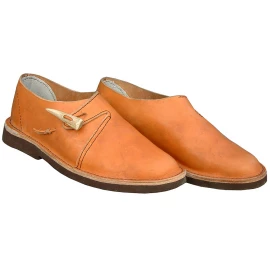
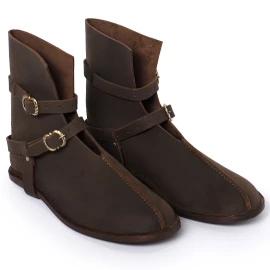
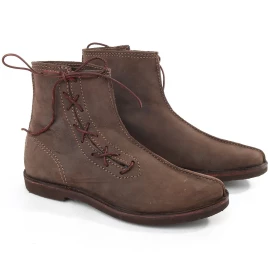
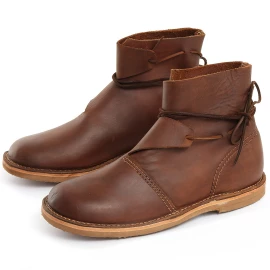
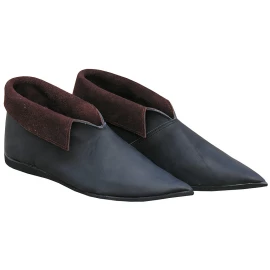
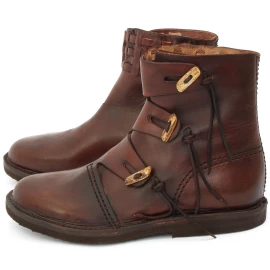
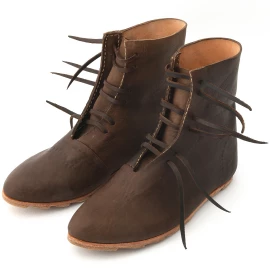
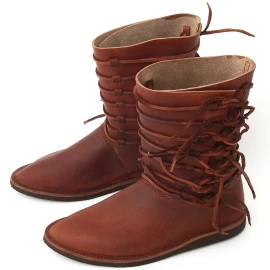
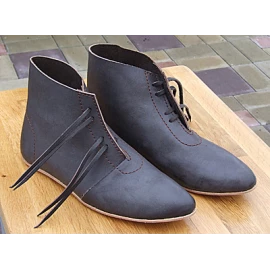
The following variants are currently available:
Medieval Hobnailed Ankle Boots with Lacing – 13th & 14th Century
Traction and Durability for Adverse Weather
The upper is sewn from high-quality and sturdy cowhide, which adapts to the shape of your foot with wear. However, the main advantage of this model is its solid leather sole densely studded with iron hobnails. This solution, widely used in the Middle Ages especially by soldiers and travellers, offers two key benefits:
- Off-road Grip: The heads of the nails bite into soft ground (grass, mud, forest floor), giving you much better stability and push-off than a smooth sole.
- Sole Protection: The nails prevent direct contact between the leather and the ground, significantly slowing down the wear of the sole when walking on stones and rough surfaces.
Historical Context and Usage
In the 13th and 14th centuries, hobnailed boots were typical equipment for infantry and people who spent their lives on the road. The practical cut with front lacing allows for tight fastening around the ankle, which you will appreciate during dynamic movement. The boots are ideal for historical re-enactment, battle reenactments, living history camping, as well as for LARP ranger or mercenary characters.
| Parameter | Specification |
|---|---|
| Upper Material | Natural Cowhide |
| Sole | Leather + Iron Hobnails (Traction) |
| Fastening | Lacing with leather thongs |
| Period | 13th – 14th Century |
| Manufacturer | Marshal Historical |
Important Safety Warning
Although the hobnails are great for the outdoors, on modern hard surfaces (tiles, asphalt, concrete, hardwood floors) they behave very slippery – much like ice skates. There is also a risk of scratching wooden floors. These boots are primarily intended for off-road use (grass, dirt). Exercise extreme caution when entering indoors or walking on slippery surfaces!
Care for Hobnailed Footwear
After every event in wet or muddy conditions, clean the boots and let them dry slowly at room temperature (never near a heater). Treat the leather regularly with grease. The iron hobnails may develop surface rust, which is a natural phenomenon – with frequent wear, the rust will wear off by itself; for storage, you can lightly wipe them with oil.
We are here for you!