 Čeština
 Deutsch


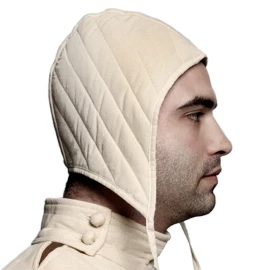
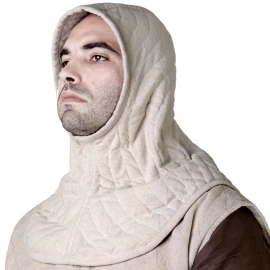
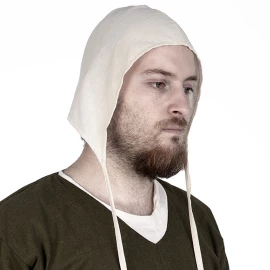
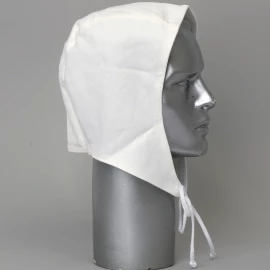
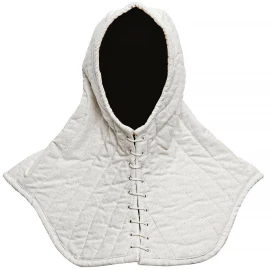
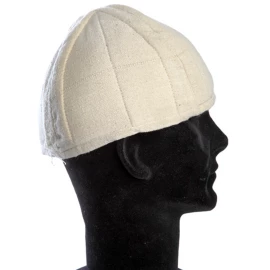
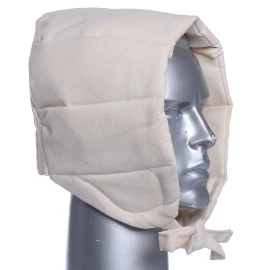
Medieval Cotton Arming Coif, Natural Canvas
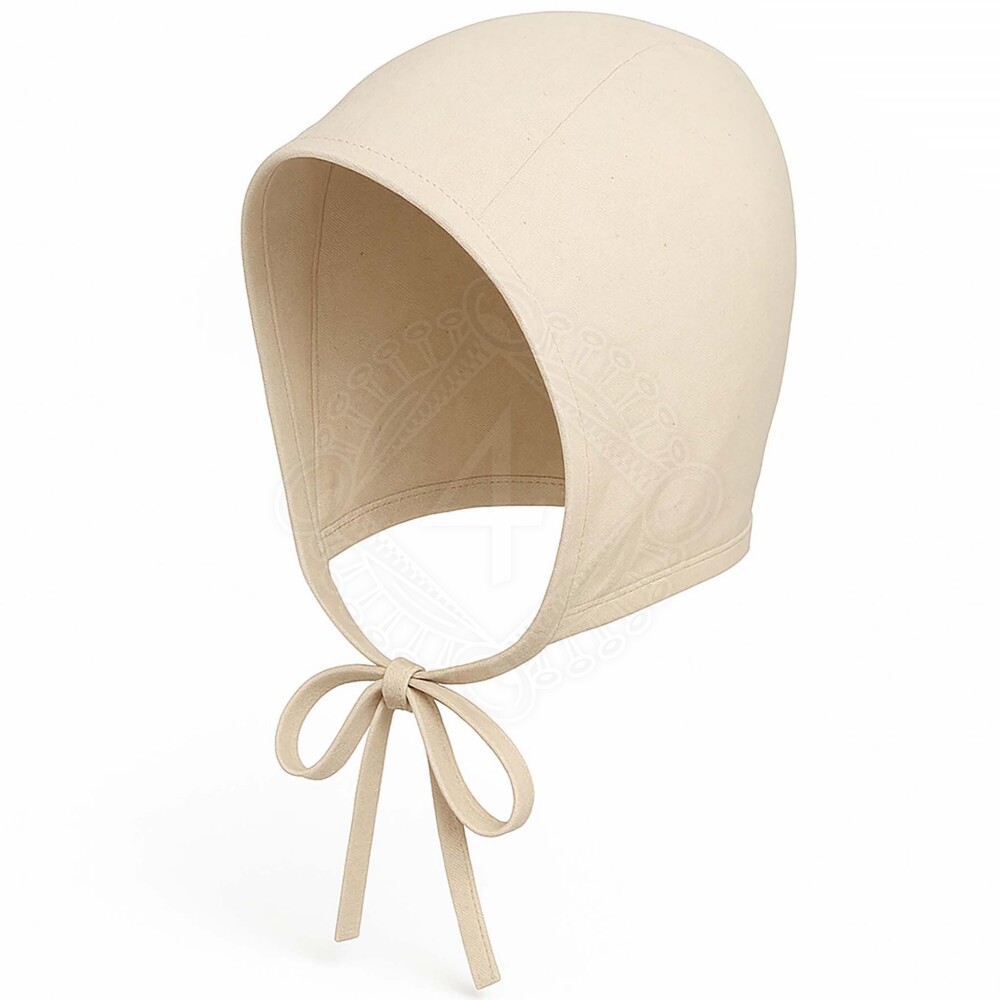
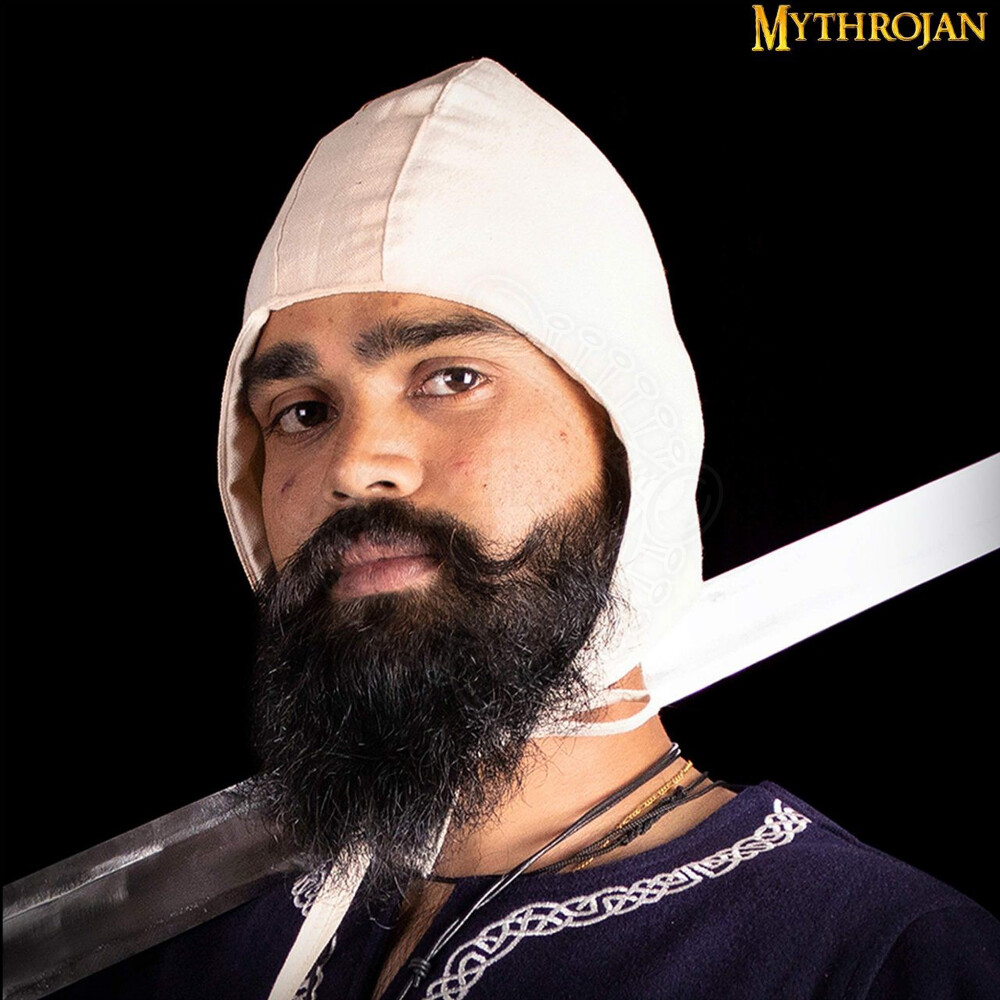
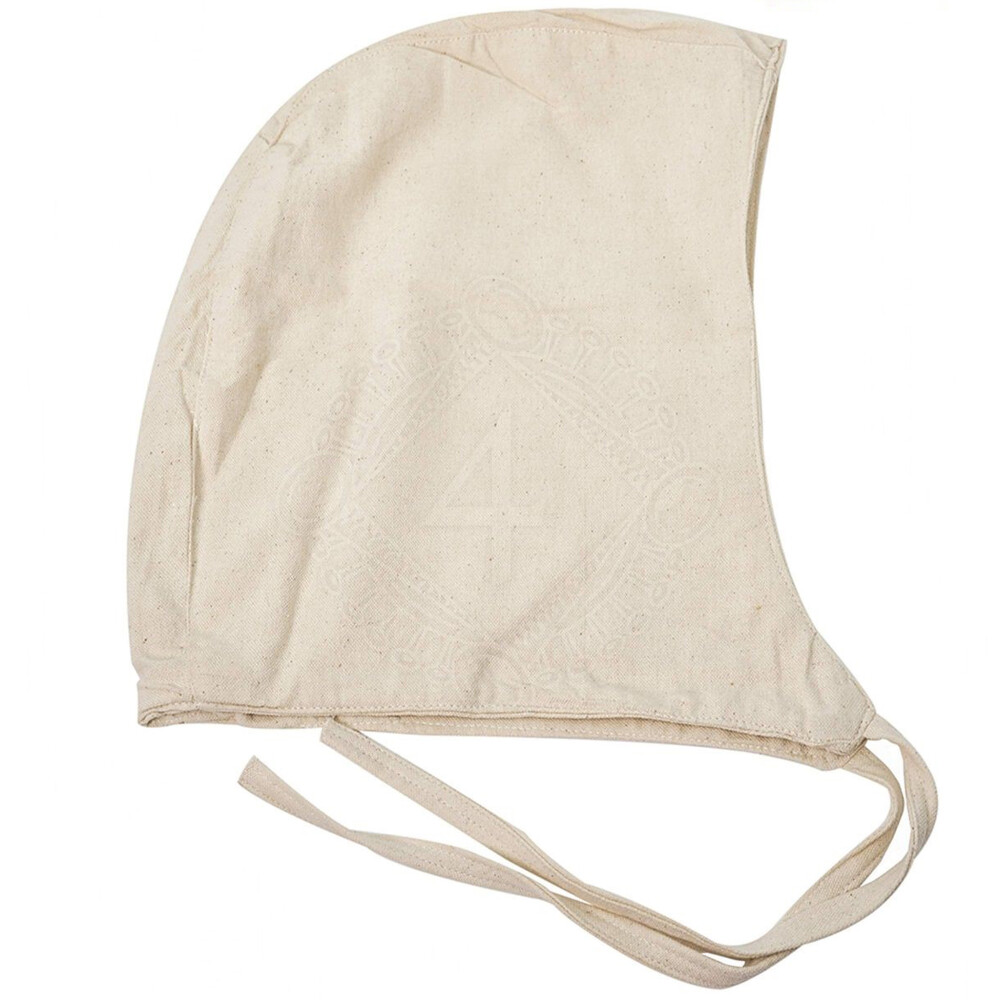
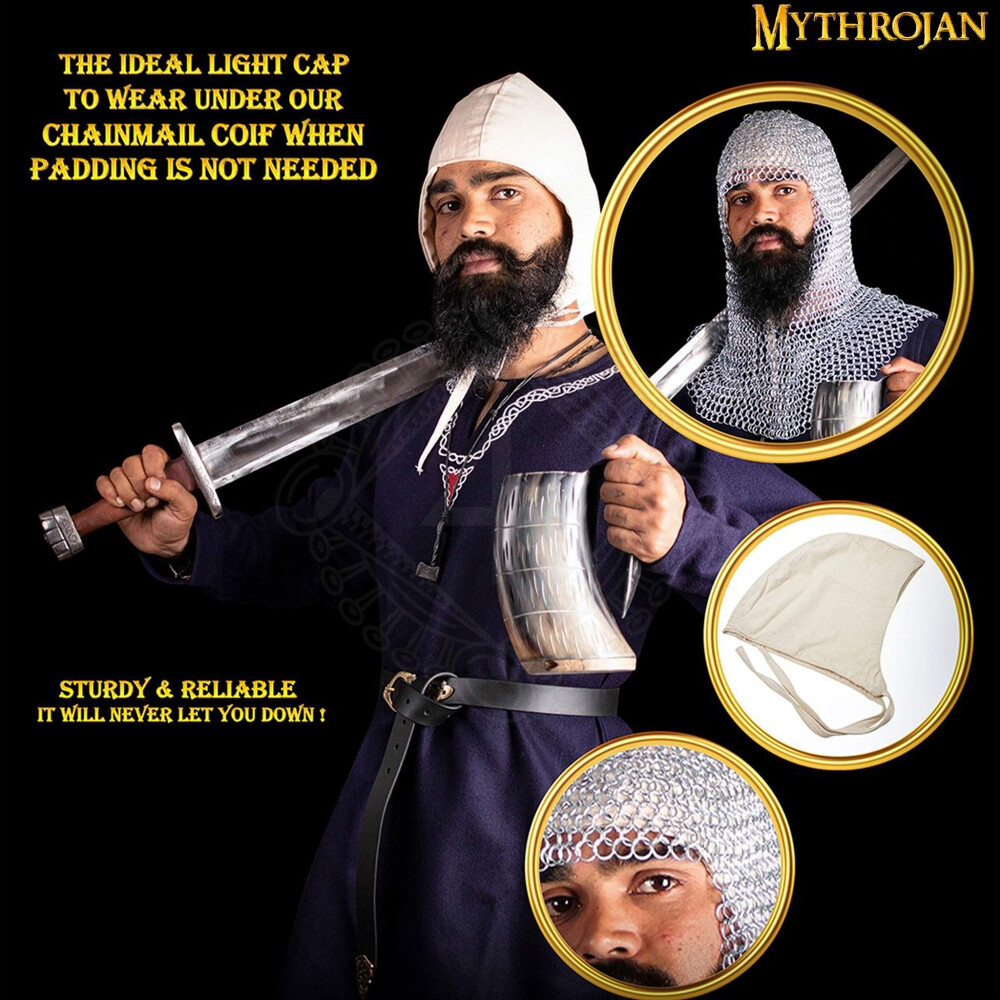
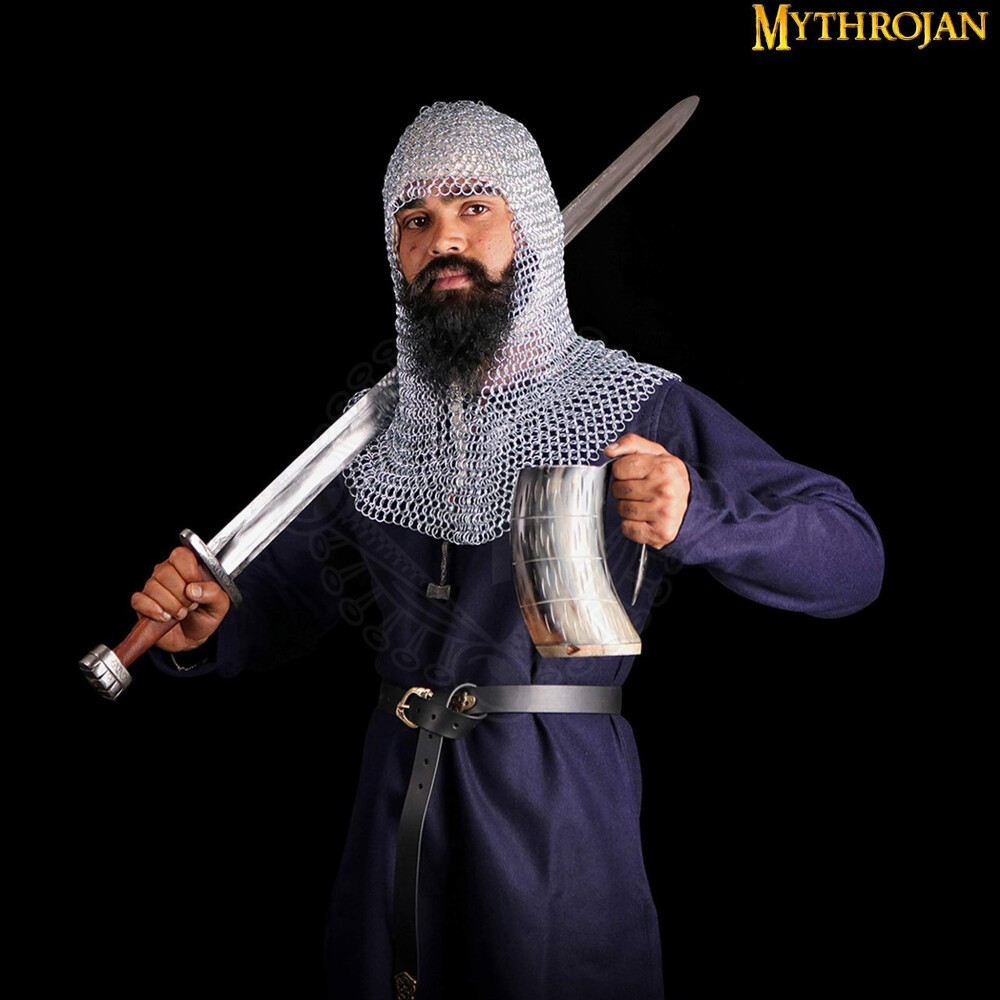

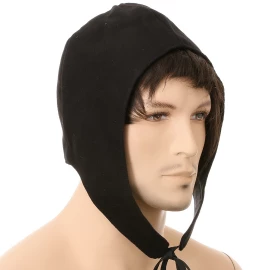
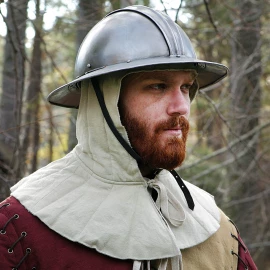
This historically faithful medieval coif is an absolutely essential accessory for your costume. Whether you're heading to a LARP, a historical festival, a re-enactment event, or a stage performance, this lightweight and breathable head covering will add a touch of authenticity to your character. You can wear it on its own as protection from the sun and dust, or as a crucial base layer under a chainmail coif or helmet. In this role, it serves as an arming cap, preventing uncomfortable hair pulling and significantly increasing your overall comfort. Further product information ...

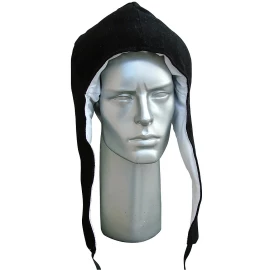
The following variants are currently available:
Medieval Cotton Arming Coif, Natural Canvas
Appearance, Cut, and Material
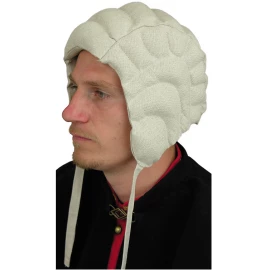
The coif has a simple yet perfectly functional design that fits snugly around the head and covers the ears. It is constructed from several panels of strong yet soft 100% cotton canvas (220gsm) in a natural, unbleached colour. The robust and precise stitching ensures a long lifespan, even with frequent and demanding use. Thanks to two sewn-in ties, you can easily and securely fasten the coif under your chin, ensuring it stays firmly in place even in the heat of battle.
The Perfect Accessory for Your Character
Versatility is its greatest strength. This type of coif was so widespread that it is suitable for a wide range of characters and historical periods. It perfectly complements the attire of:
- Knights and men-at-arms as a comfortable layer under a helmet.
- Craftsmen or peasants while working at the market or in the fields.
- Townsfolk and nobles as a common part of daily dress.
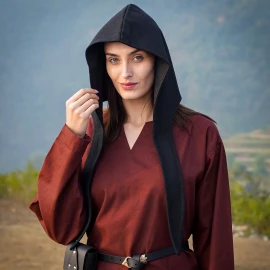
- Women and girls as a base under a veil or other, more complex headwear.
The Coif Through History
From the 12th to the 15th centuries, the coif was an utterly ubiquitous part of clothing for both men and women across all social classes. For married women, it was a symbol of modesty and was often worn beneath a veil. For men, it served a practical function (protection from the sun, keeping hair clean) and was also a sign of adulthood and the status of a free man. It was worn in the workshop, in the field, in battle, and at court.
Fun Fact: A Symbol of the Legal Elite
In medieval England, a special white silk or linen coif was worn by the "Serjeants-at-law," an elite order of barristers and judges. This coif was their distinguishing mark and a symbol of their high standing in the legal world.
How to Care for Your Coif
To ensure your coif maintains its shape and quality for as long as possible, follow these simple instructions:
- Washing: Hand wash or machine wash on a gentle cycle at up to 40°C (104°F). Use a mild detergent.
- Bleaching: Do not bleach this product.
- Drying: Do not tumble dry. Allow to air dry by hanging or laying flat.
- Ironing: Iron on a medium setting (for cotton) if necessary.
Size Chart
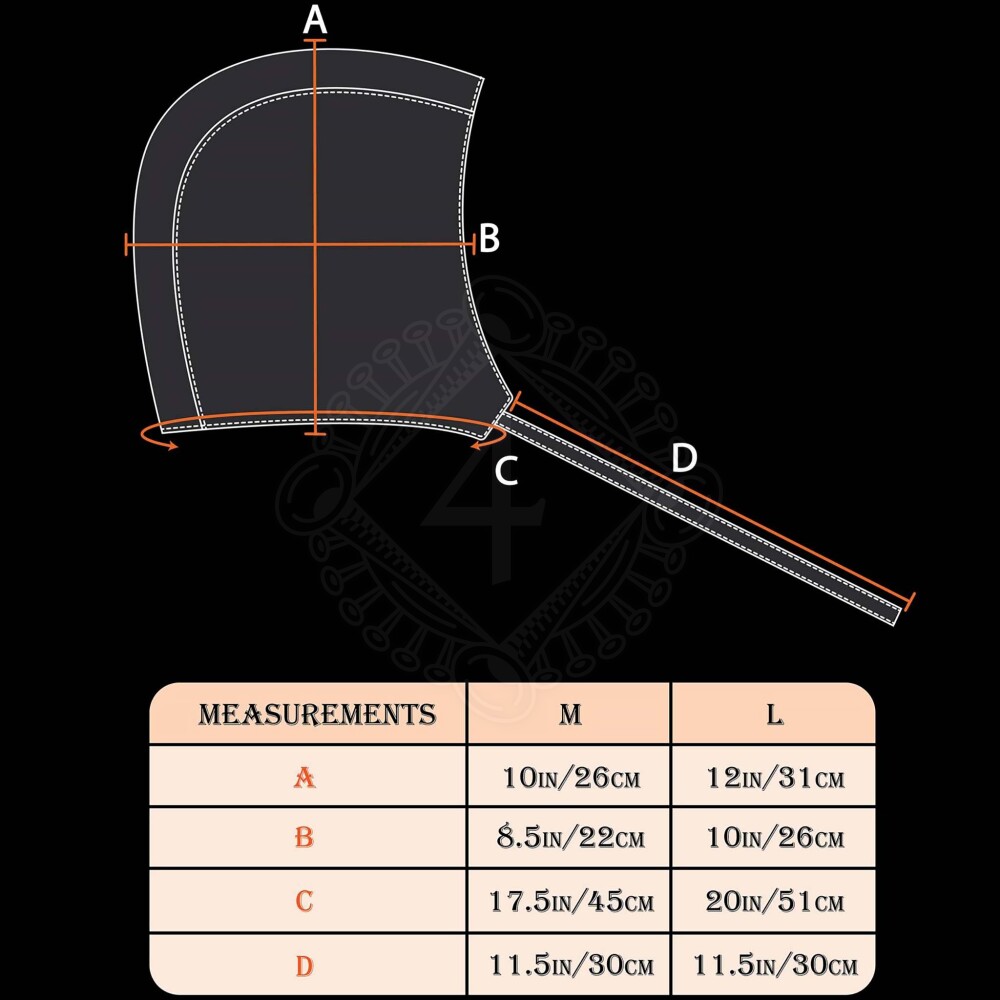
Carefully measure your head circumference and choose the correct size for a perfect, comfortable fit.
| Measurement | M | L |
|---|---|---|
| A (Front Height) | 26 cm | 31 cm |
| B (Width) | 22 cm | 26 cm |
| C (Bottom Hem Length) | 45 cm | 51 cm |
| D (Tie Length) | 30 cm | 30 cm |
| Recommended Head Circumference | up to 59 cm | 60 cm and over |
Product by Mythrojan.
We are here for you!