 Čeština
 Deutsch


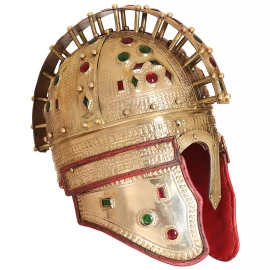
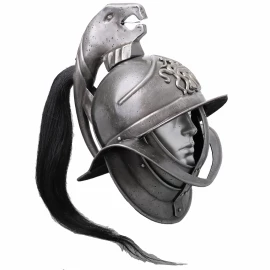
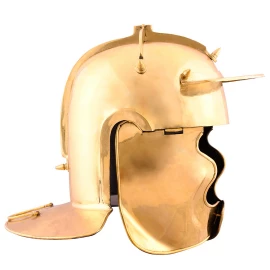
Late Roman Officer's Cavalry Helmet - Deurne Type, 4th Century
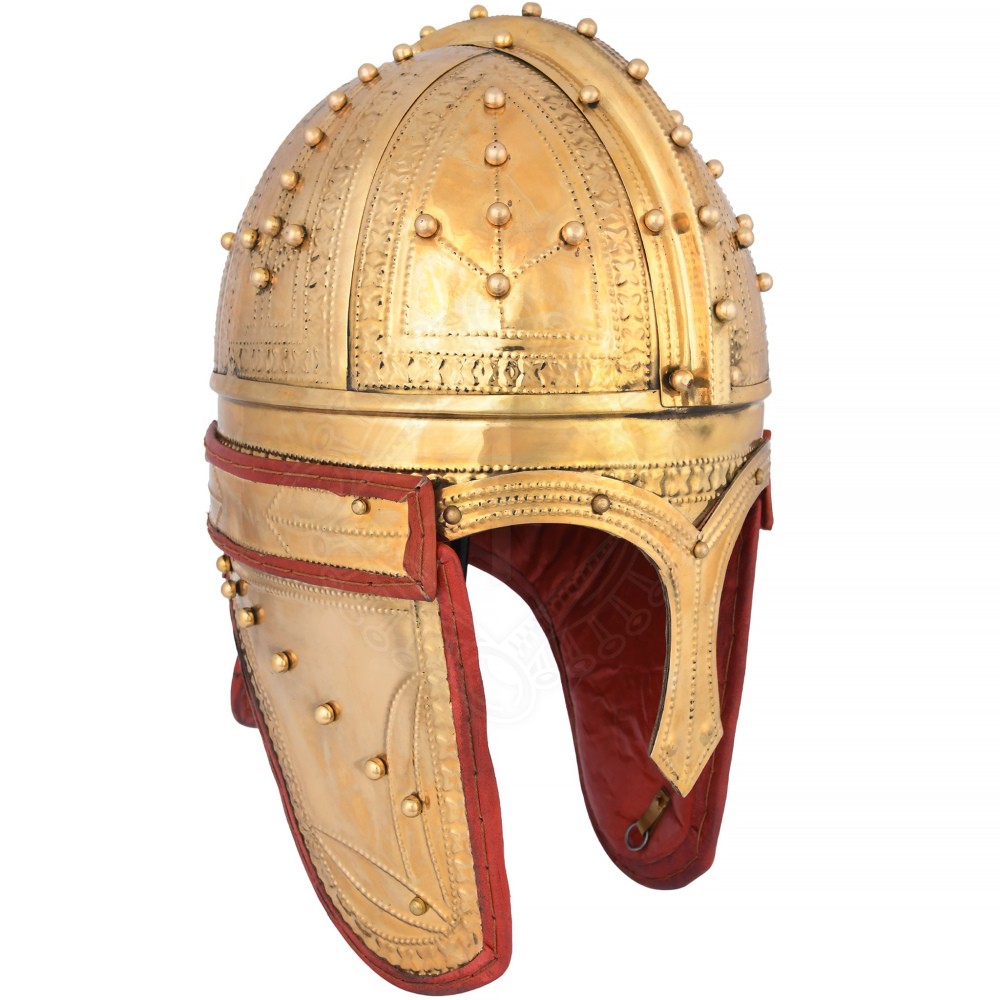
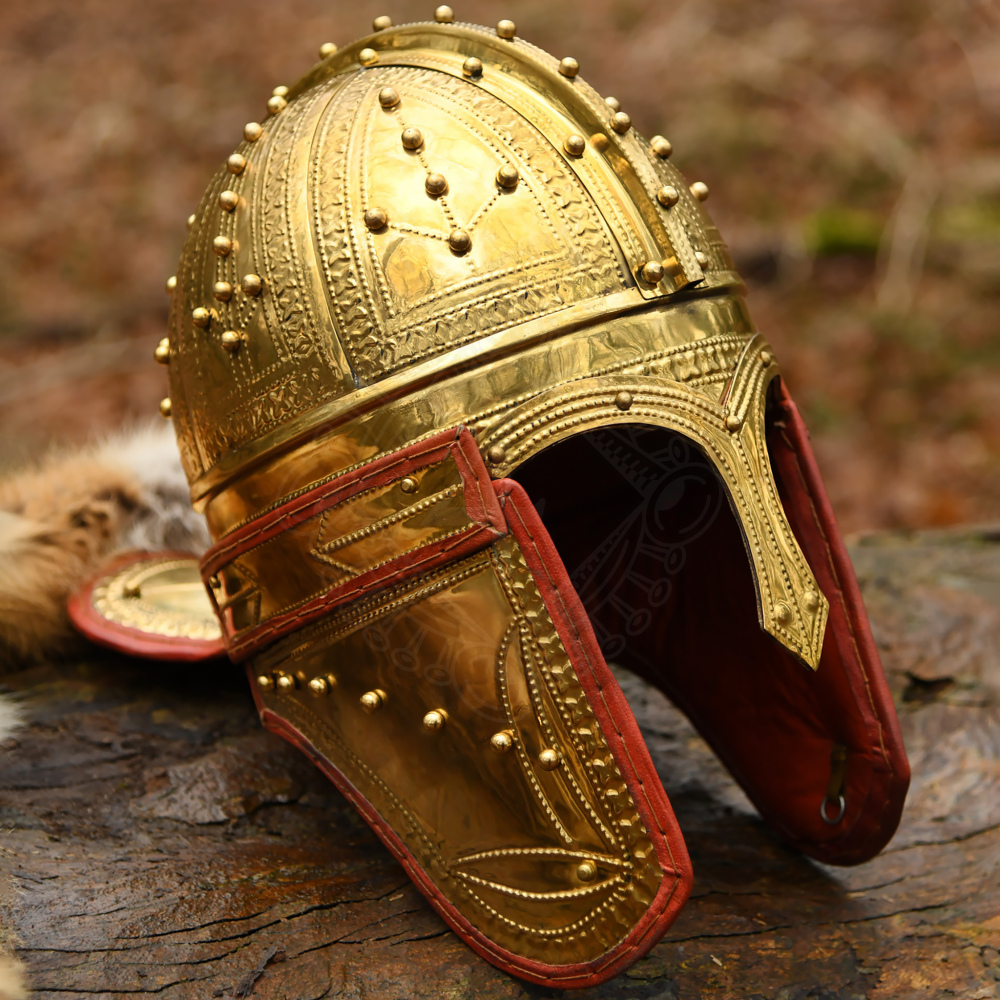
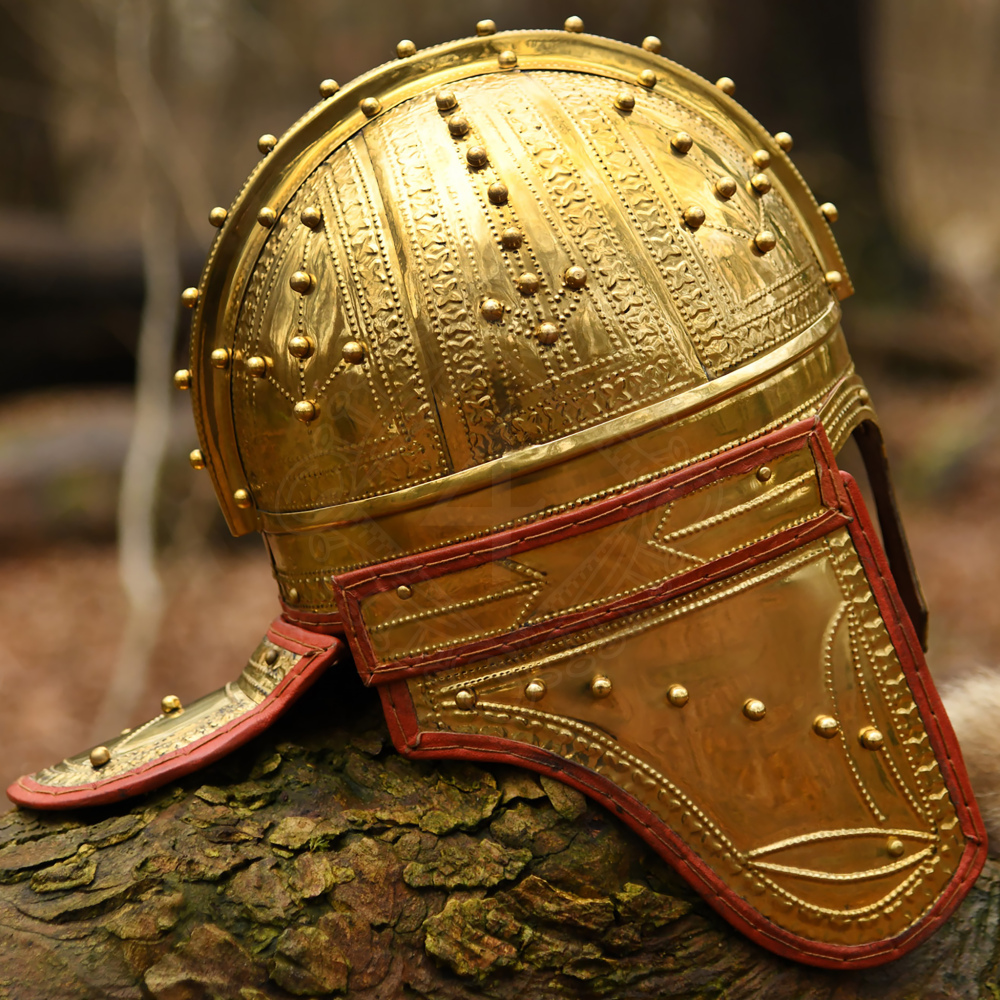
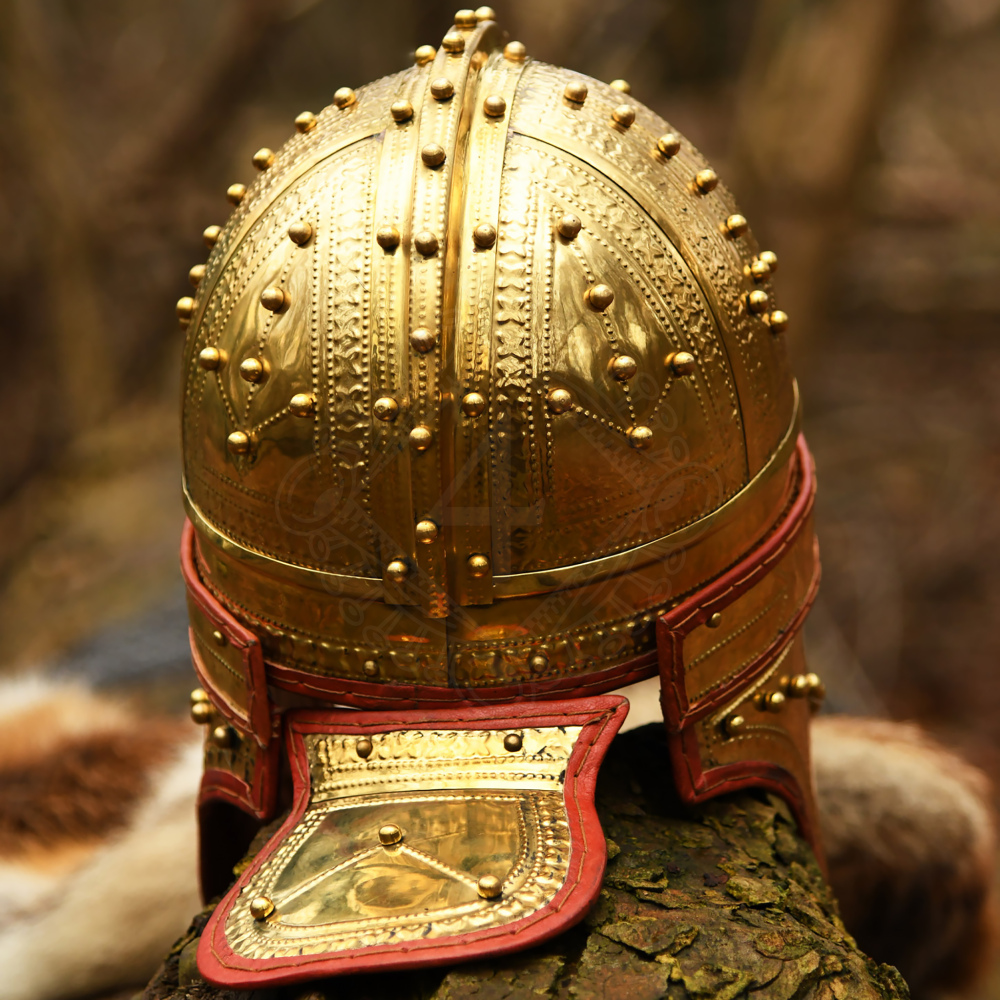
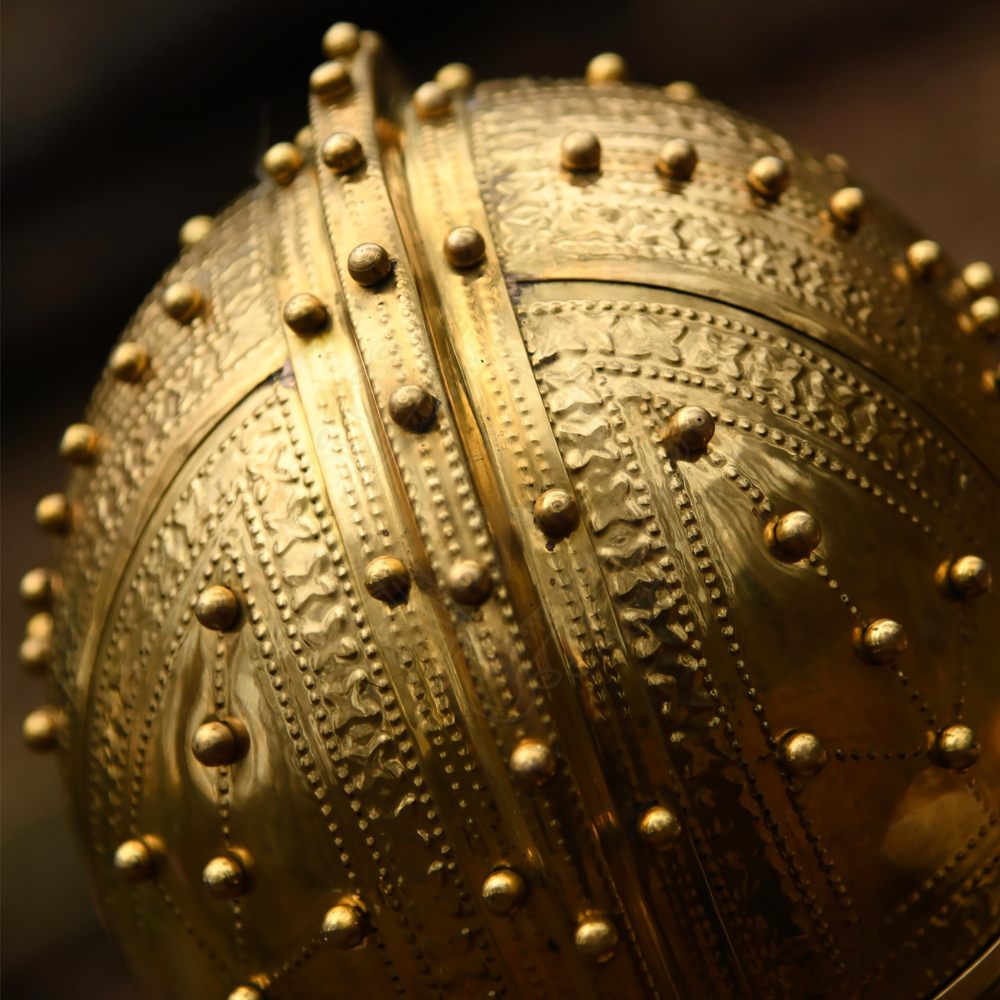
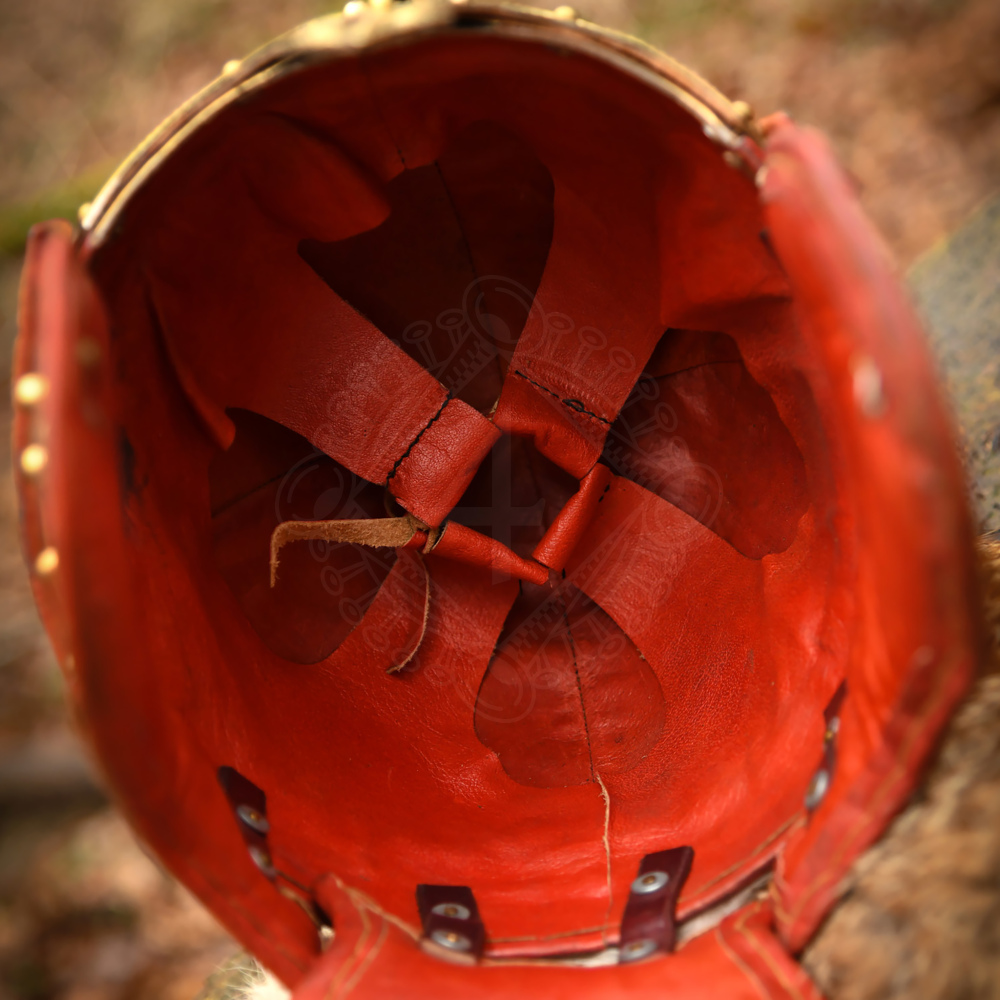
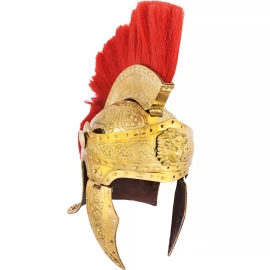
Immerse yourself in the era of Late Rome with this magnificent and intricately detailed replica of an officer's cavalry helmet, found near Deurne in the Netherlands! This helmet, dated to the early 4th century AD, is a prime example of the luxurious equipment of the Roman cavalry and its command. Its rich decoration and Spangenhelm construction testify to the high status of its original owner. A perfect piece for Late Antique reenactment, discerning collectors, or as an exclusive exhibit of Roman military history. Further product information ...

Late Roman Officer's Cavalry Helmet - Deurne Type, 4th Century
Masterful Reconstruction
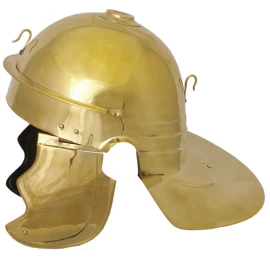
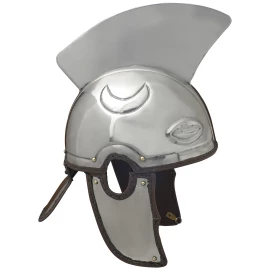
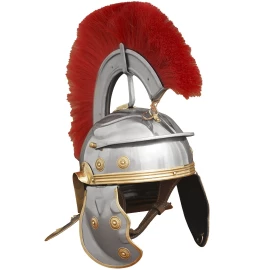
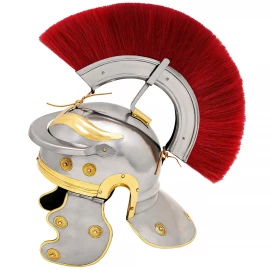
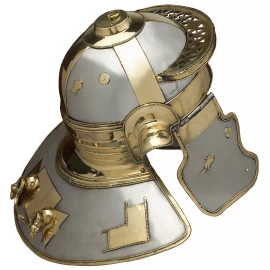
This helmet is a very faithful and skilfully crafted reconstruction of the original Deurne find. Its bowl is constructed using the Spangenhelm method – it is riveted together from six individual segments (spangen). The materials used are a combination of steel and brass, giving the helmet its characteristic, splendid appearance. The helmet features a nasal guard, articulated cheek pieces, and a neck guard which is attached via two leather straps with buckles, allowing it to be secured or even completely removed. The insides of the nasal, cheek pieces, and neck guard are lined with red leather for enhanced comfort. The overall impression is underscored by the rich decoration in the form of embossed patterns and rivets/bosses.
Handmade and Comfort
The entire helmet is the result of precise hand craftsmanship. Inside, there is a very comfortable leather liner (inlay) which not only increases wearing comfort but also helps absorb shocks and ensures the helmet sits correctly on the head.
For High-Ranking Officers of the Roman Army
The original Deurne helmet, upon which this replica is based, most likely belonged to a high-ranking officer of the Roman cavalry. Its luxurious finish and rich ornamentation indicate this status. The dating to the early 4th century AD is supported by the discovery of a Roman coin dated 319 AD found alongside the helmet.
Dimensions and Weight:
- Size (Head Circumference): Approx. 61 cm
- Internal Dimensions: Length (forehead to nape) approx. 21.5 cm, Width (ear to ear) approx. 19.5 cm
- Weight: Approx. 3.0 kg
Who Used This Helmet and When?
This type of richly decorated Spangenhelm was worn by high-ranking officers of the Late Roman cavalry in the early 4th century AD. This was a period of major military reforms under Emperor Constantine and his successors, as well as constant warfare along the empire's frontiers (the Limes). Such helmets were not only functional protection in battle but also served as symbols of status, authority, and wealth, for instance during military parades and ceremonies.
How Can You Use It Today?
This Roman officer's helmet is a top-tier item for:
- Historical Reenactment: Portraying a high-ranking officer of the Late Roman army (4th century).
- Collecting: An exclusive addition to collections of antique militaria and high-quality replicas.
- Museum Displays and Exhibitions: An illustrative example of luxury armour from Late Antiquity.
- Educational Purposes: Studying Roman military practices and craftsmanship.
- Film and Theatre: For historically accurate portrayals of Late Roman characters.
An Interesting Historical Fact
The Deurne helmet is one of the most famous examples of the Spangenhelm construction, which became widespread in Late Antiquity and influenced the development of European helmets for centuries afterwards. Its detailed study has provided valuable insights into the technology, materials, and aesthetics of Late Roman armoury and the status symbols of the military elite on the empire's frontiers.
How to Care for Your Helmet
- Handle Carefully: Due to the detailed ornamentation and combination of materials, handle the helmet with care.
- Keep Dry: Keep the helmet dry to prevent corrosion of steel parts and damage to the leather.
- Cleaning: Gently clean the metal parts (steel and brass) with a soft, dry cloth. Do not use abrasive cleaners. Steel parts can be very lightly oiled for storage (e.g., with Ballistol or conservation oil), but be careful around brass and leather.
- Leather Care: Regularly check the condition of the leather liner and lining. Treat with a suitable leather conditioner to keep it supple.
- Storage: Store the helmet in a dry place with a stable temperature, ideally padded or on a stand to prevent deformation and protect the decorations.
Acquire this luxurious replica of the Deurne helmet and own a piece of Late Roman Empire history. It is a testament to the craftsmanship and military elegance of the 4th century!
We are here for you!