
 Čeština
 Deutsch


Anglo-Saxon Fetter Lane Sword, 8th c.- Outlet
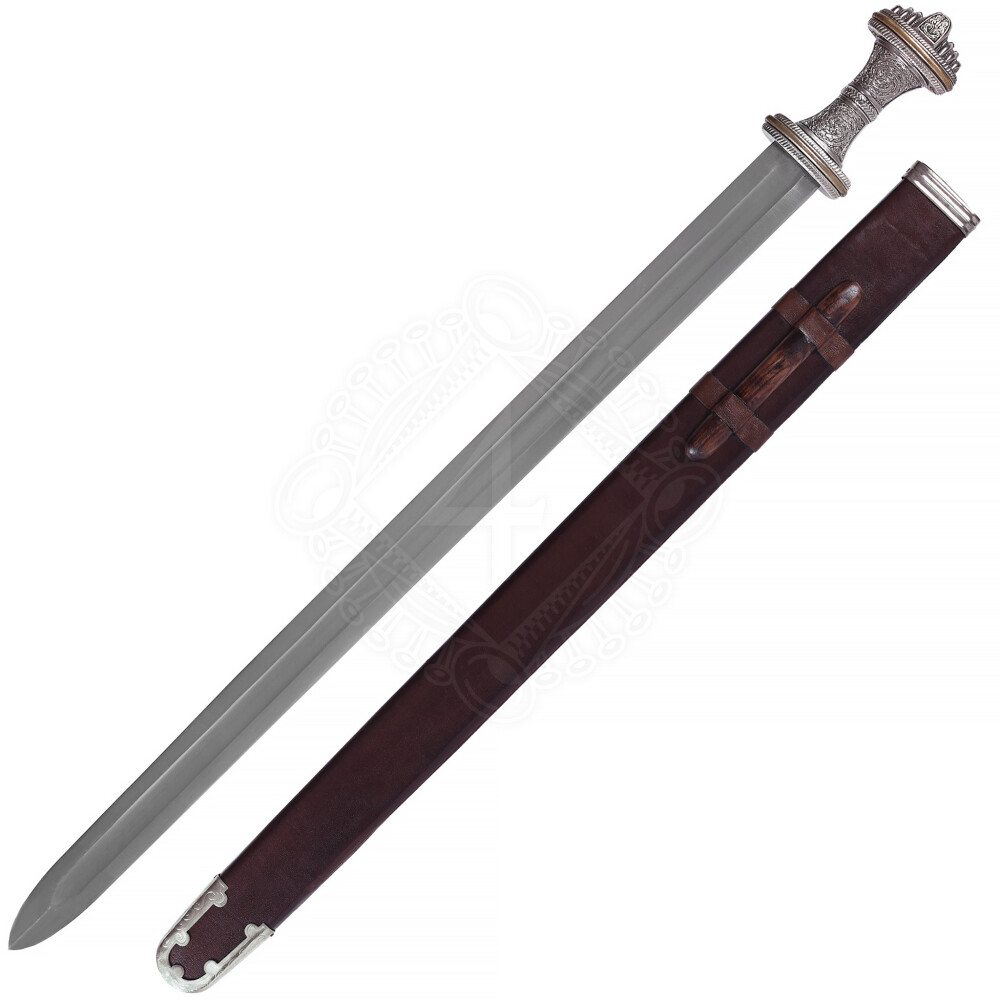
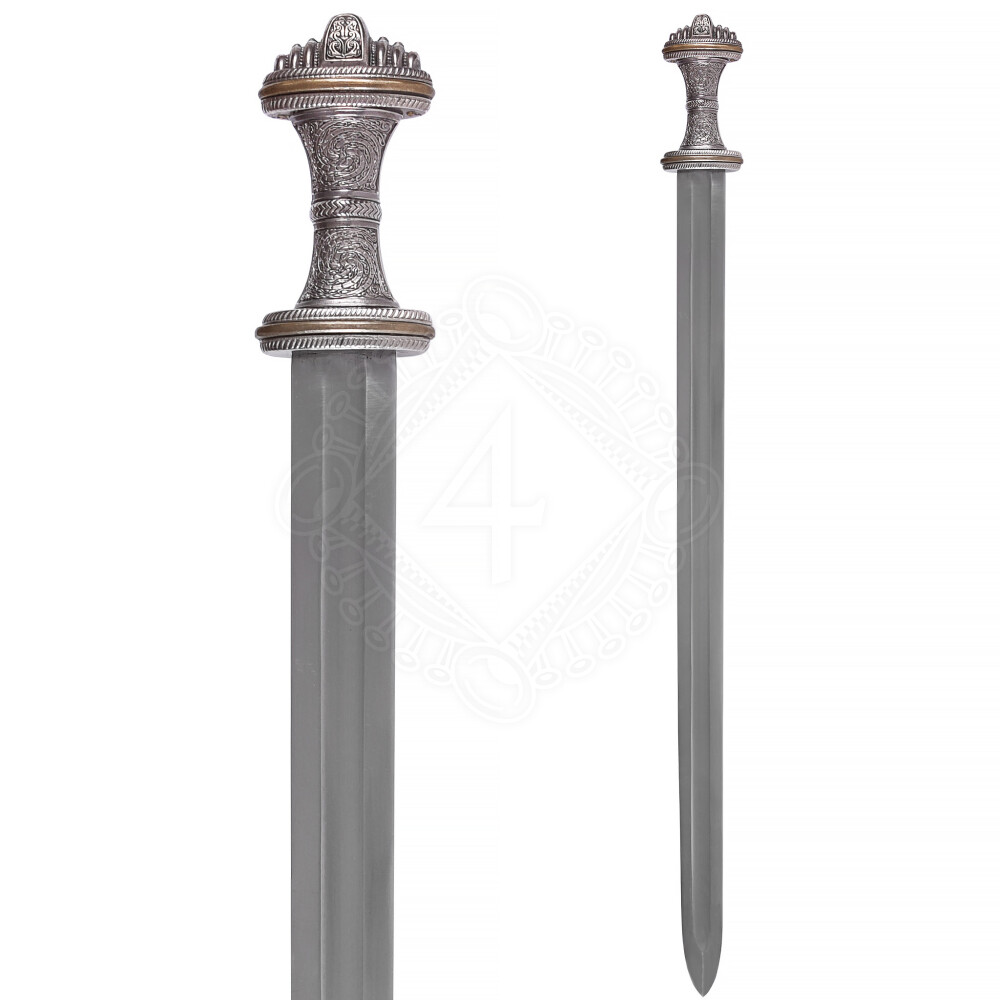
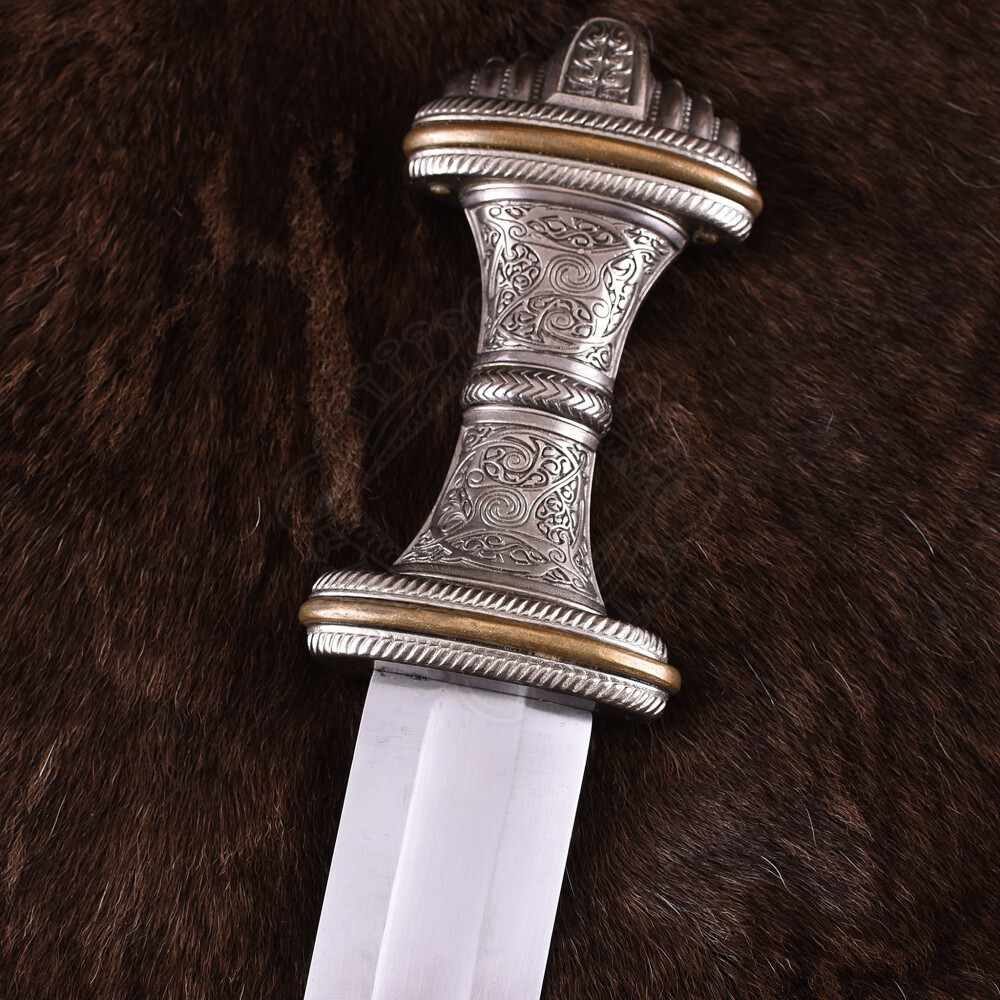
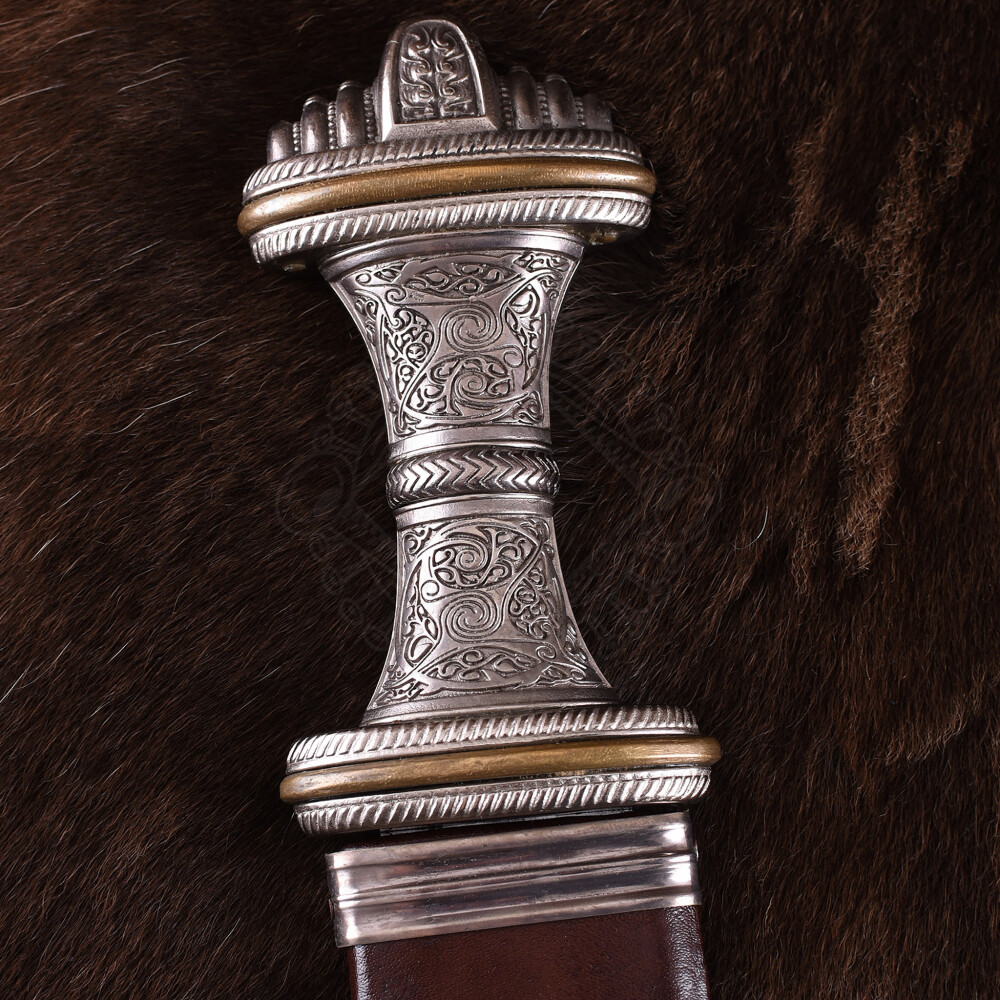

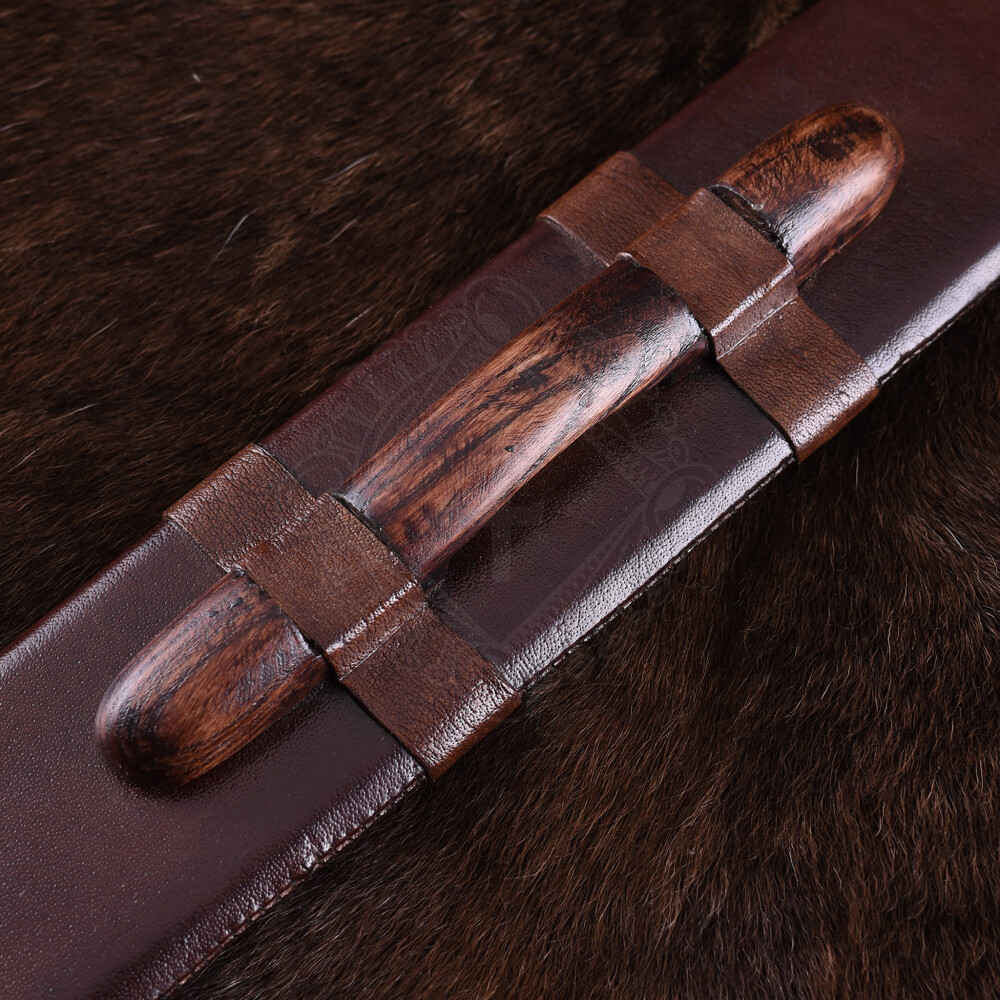
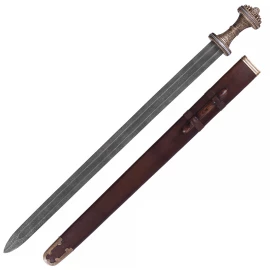
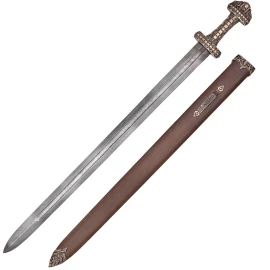
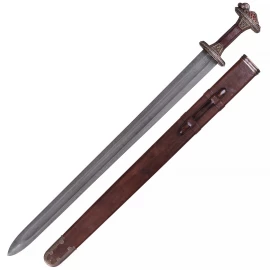
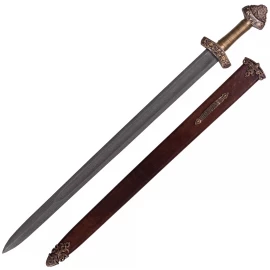
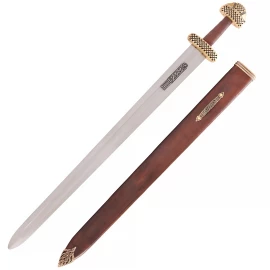
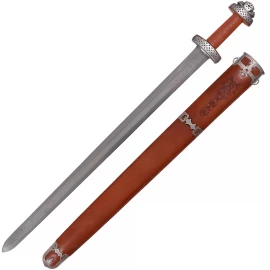
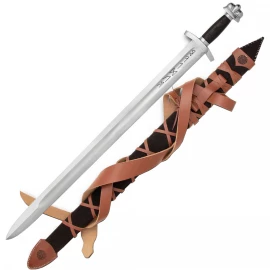
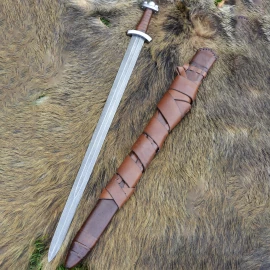
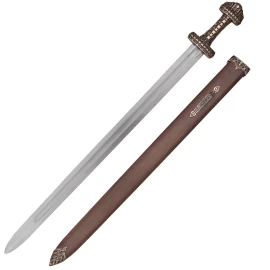
We bring you a masterful replica of the early medieval Anglo-Saxon Fetter Lane sword from the 8th century. Inspired by the famous London archaeological find now housed in the British Museum, this breathtaking piece of history will instantly captivate you with its intricate, silver-finished hilt featuring serpentine and avian motifs. Whether you are a passionate sword collector, a historical costumer preparing for a LARP or cosplay event, or seeking the perfect prop for your historical display, this one-handed sword will elevate your collection to a whole new level. The high-carbon spring steel blade and the leather-wrapped wooden scabbard add true authenticity and majesty to this exquisite weapon. Further product information ...

 Delivery options
Anglo-Saxon Fetter Lane One-Handed Sword With Ornate Silvered Hilt
Historical Context And Artefact Origins
This magnificent Anglo-Saxon sword is based on the remains of an original artefact – specifically, the upper end of a sword hilt including the pommel. Uncovered in 1893 during construction works on Fetter Lane in London (hence the name), it was subsequently donated to the British Museum. The exceptionally well-preserved, wonderfully detailed original find is made of gilded silver and stands as a truly unique piece of Middle Anglo-Saxon history. Thanks to its construction, shape, and refined ornamentation, this finely crafted masterpiece is dated to the late 8th century. Historians believe it was originally the ceremonial or prestige weapon of a wealthy Germanic warrior or nobleman.
Construction And Intricate Details
As the original archaeological find lacks a blade, a traditional early medieval style blade (broad, straight, and double-edged) was chosen for this meticulous reconstruction. The blade is forged from heat-treated EN45 spring steel and features a wide, double-sided fuller that runs almost to the tip. The parallel striking edges are unsharpened for safety.
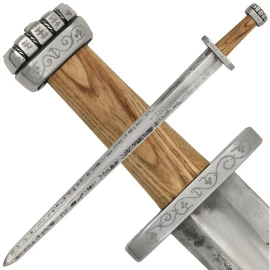
The richly decorated, cast brass hilt is tinned to give it a stunning silver appearance. Just like the historical original, it is composed of several parts riveted together. The filigree patterns adorning the museum piece have been reproduced with utmost faithfulness. The upper "cap" of the pommel consists of a central domed element framed on both sides by three smaller bumps with a beaded wire pattern. Both the pommel base and the crossguard feature a three-part construction with diagonal decorative ribbing and an untinned brass inlay providing a beautiful contrast. The lavishly and intricately decorated grip section displays different interwoven plant/vine and animal motifs on each side: writhing snakes on one side and a bird or eagle-like creature on the other.
Safe Usage And Essential Maintenance
Please note that this sword is designed strictly as a collector's or decorative item. For safety reasons, it is completely unsuitable for practical use such as historical fencing (HEMA), SCA, stage combat, or cutting tests. Using it for such activities could result in severe damage to the blade and hilt, and poses a serious risk of injury to yourself and others. The edges are approximately 1 mm (0.04 inches) thick, making it a safe yet authentic-looking prop for your historical attire.
The EN45 high-carbon steel used for the blade is not rust-proof. To ensure your sword serves you well and maintains its pristine look for years to come, regular maintenance is required. We highly recommend wiping the blade down after any contact with moisture or skin, and treating it with a light coat of universal oil, such as Ballistol or WD-40. The tinned brass fittings and leather scabbard simply need an occasional wipe with a soft, dry cloth.
Our Accessory Recommendations
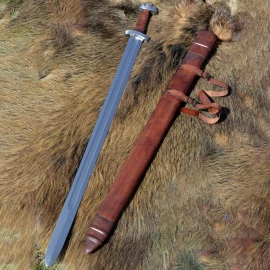
To carry this early medieval sword with pride, we recommend pairing it with a sturdy historical leather belt, which will easily thread through the scabbard's wooden belt loop. A linen tunic and a woollen cloak fastened with a penannular brooch will beautifully complete your Anglo-Saxon noble ensemble.
Detailed Sword Specifications
| Blade Material | EN45 Spring Steel (High Carbon Steel, not stainless) |
| Hilt Material | Tinned brass with untinned brass accents |
| Overall Length | approx. 94 cm / 37.0 inches |
| Blade Length | approx. 79 cm / 31.1 inches |
| Blade Thickness | approx. 4.5 mm / 0.18 inches |
| Edge Thickness | approx. 1 mm / 0.04 inches (unsharpened) |
| Hilt Length (Total) | approx. 15 cm / 5.9 inches |
| Grip Length | approx. 8.5 cm / 3.3 inches |
| Max. Blade Width | approx. 4.5 cm / 1.77 inches |
| Point of Balance (PoB) | approx. 12 cm / 4.7 inches forward of the guard |
| Scabbard Material | Wooden core, genuine leather cover, wooden belt loop, tinned brass fittings |
| Max. Belt Width for Scabbard | 5 cm / 2.0 inches |
| Weight (without scabbard) | approx. 1.6 kg / 3.53 lbs |
| Weight (with scabbard) | approx. 2.0 kg / 4.41 lbs |
Please bear in mind that the specifications above may vary slightly from piece to piece due to the handcrafted nature of the item.
We are here for you!







.3773623034.1696456237.png.webp)

.3773623034.1696456268.png.webp)
.3773623034.1696456247.png.webp)