
 Čeština
 Deutsch


11th Century Medieval Dagger, Hand-Forged Steel with Leather Scabbard - Outlet
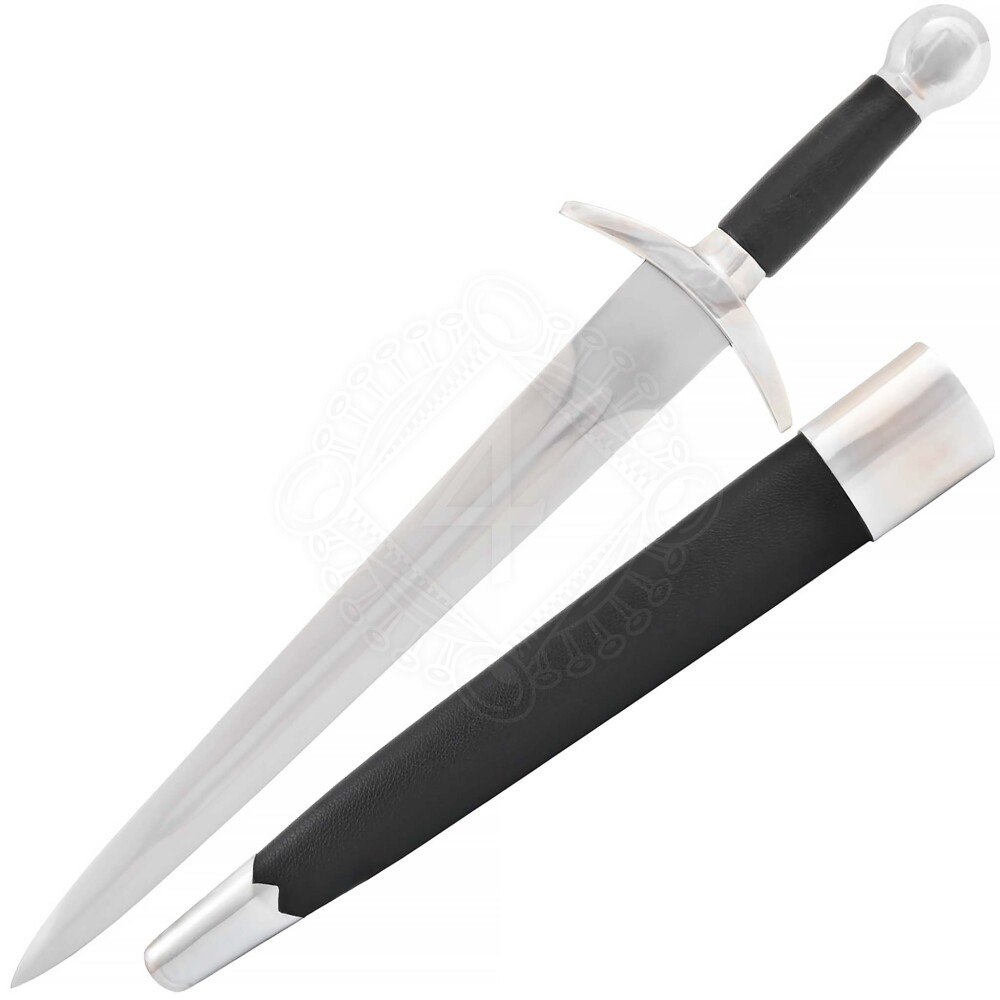
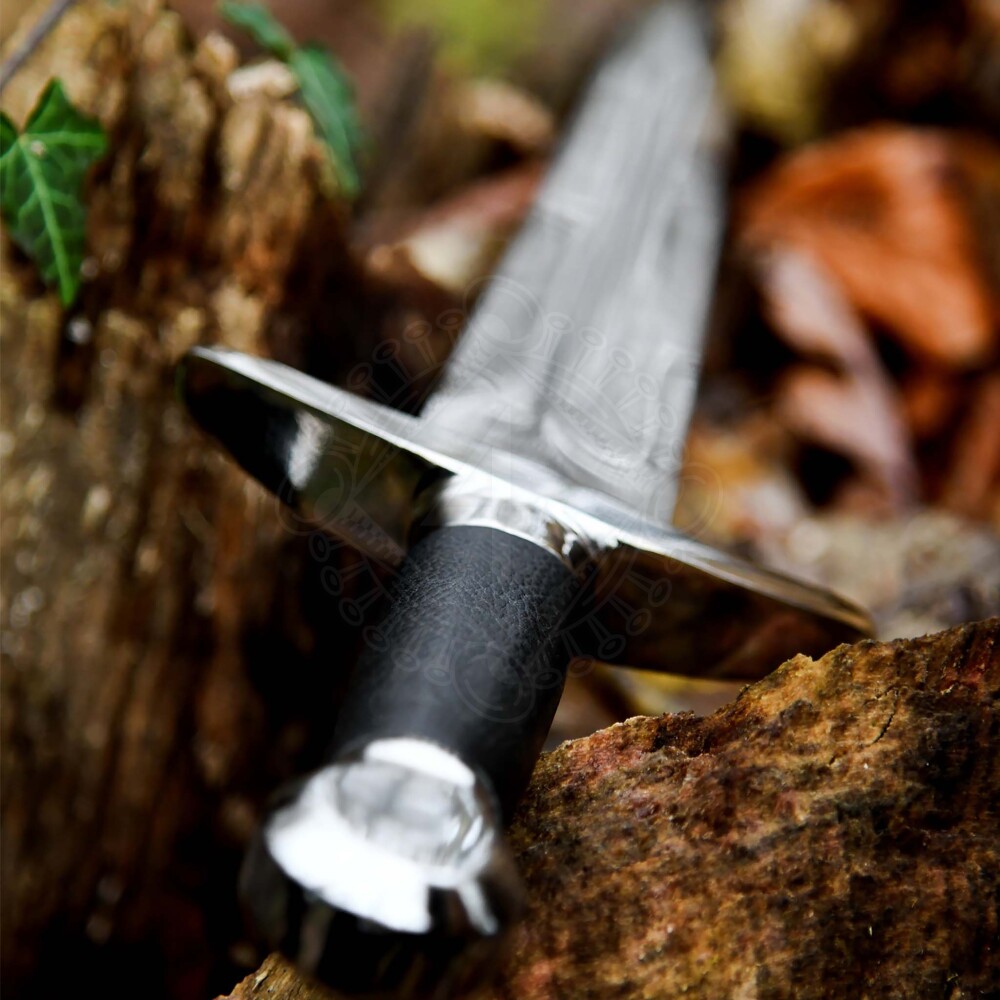
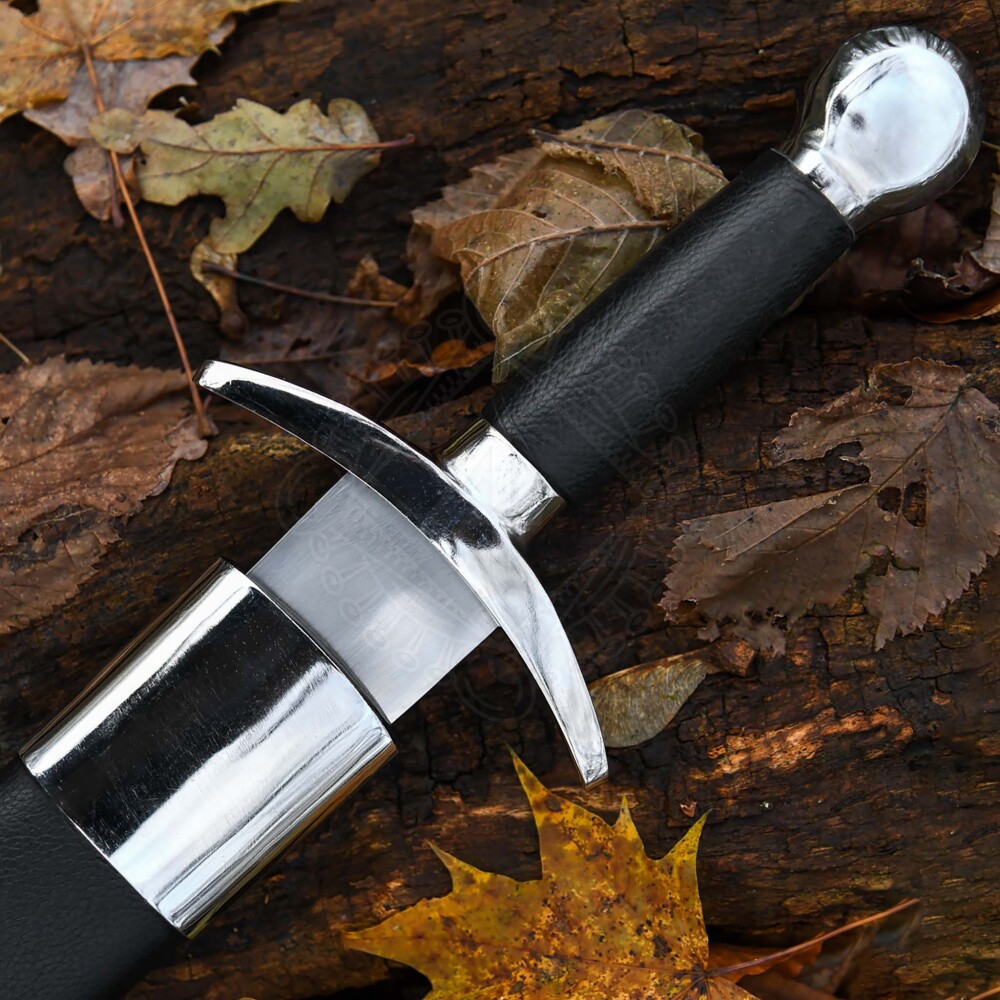
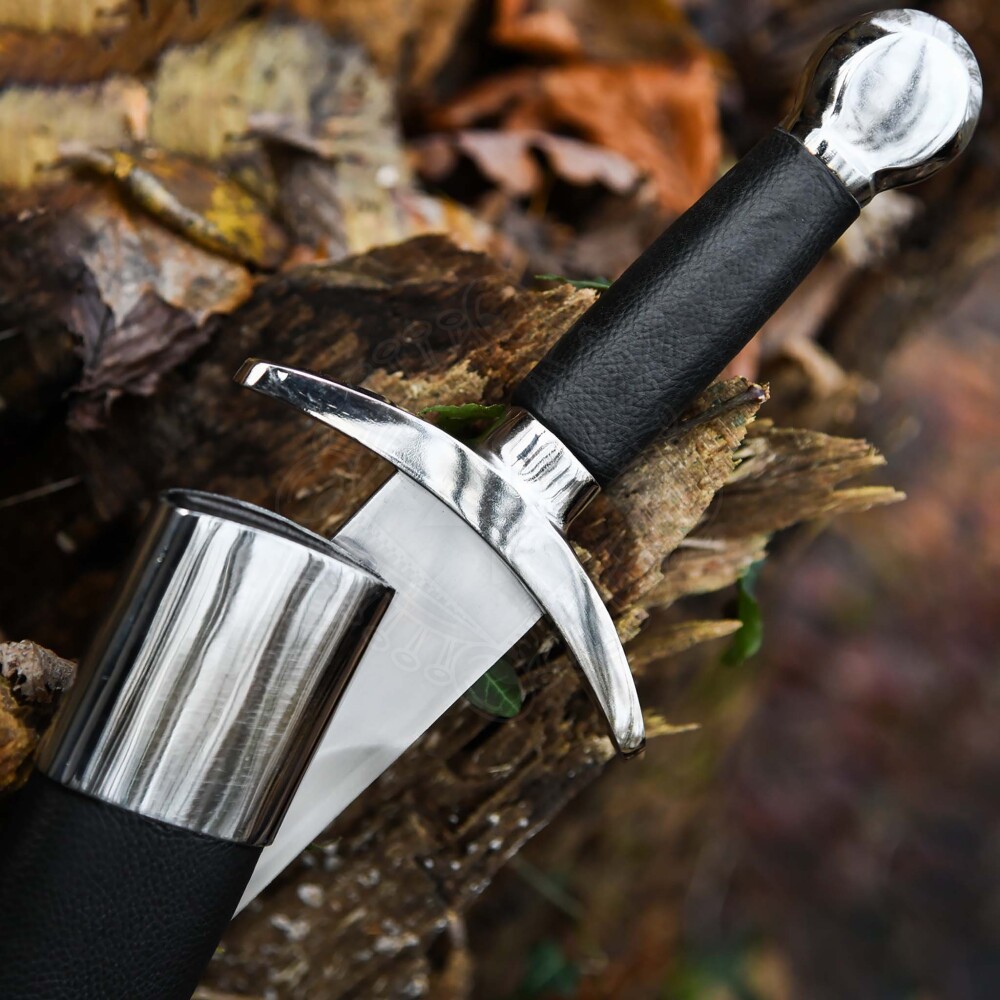
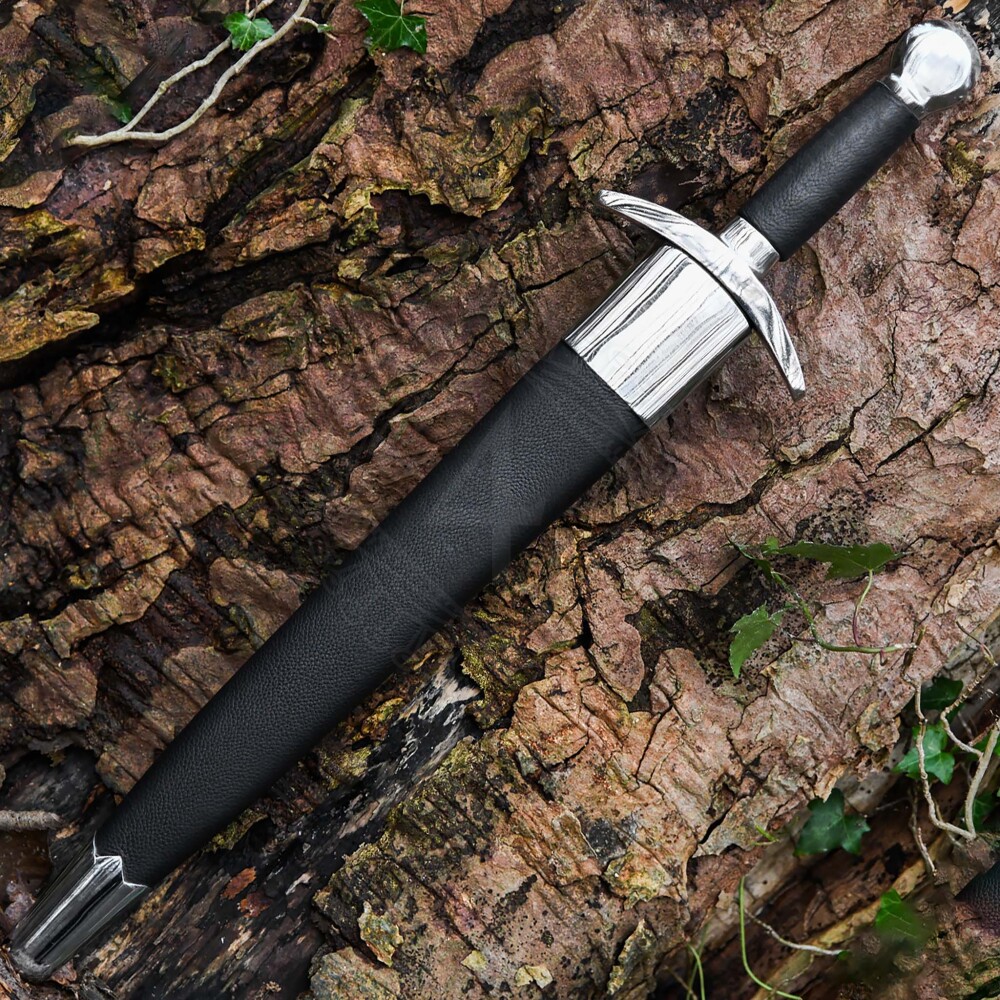
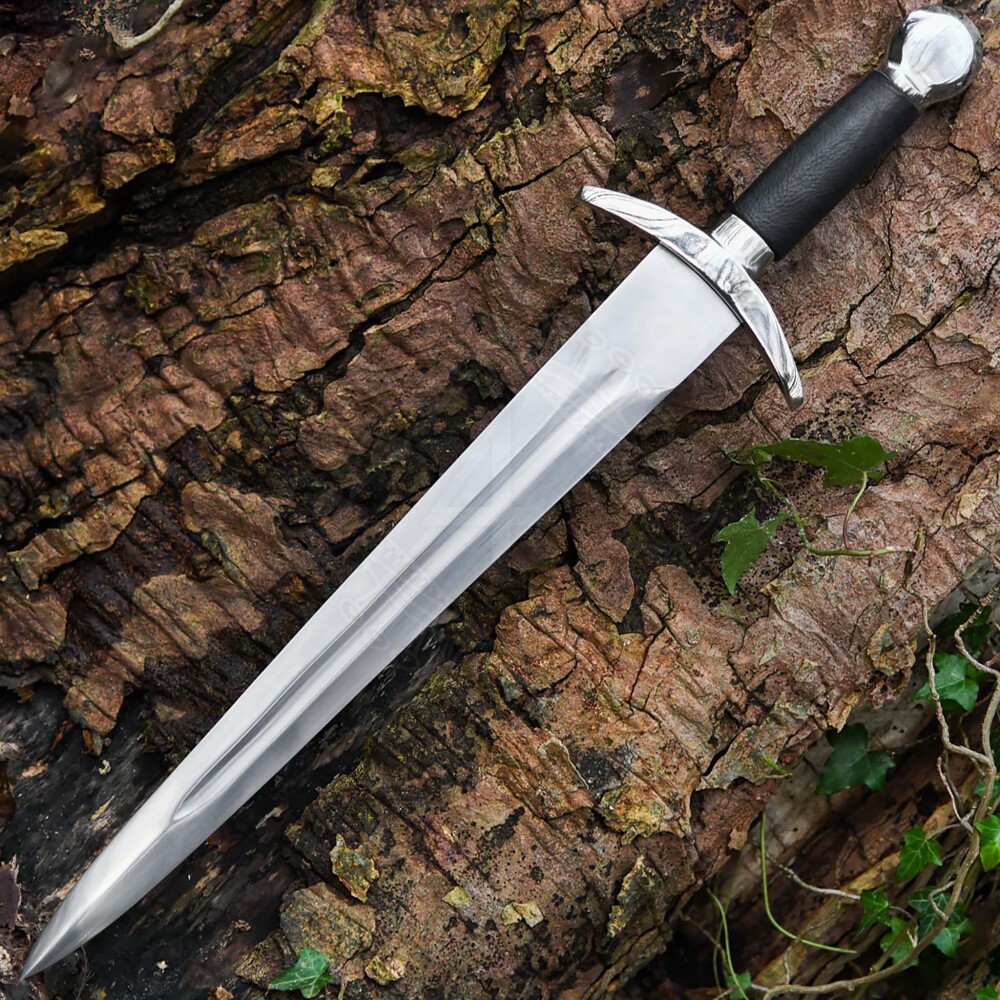
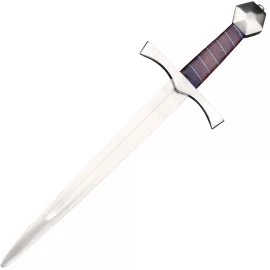
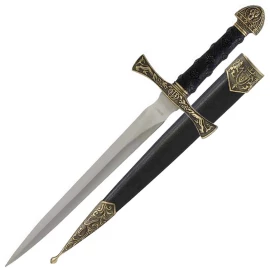
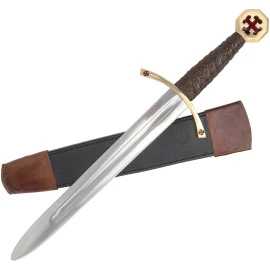
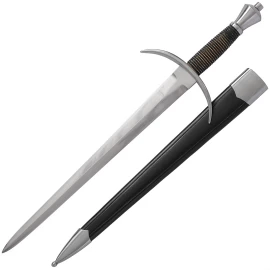
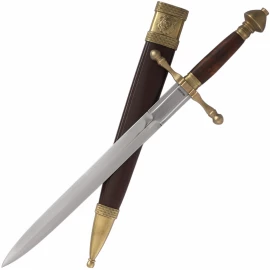
Step back into the rugged era of the early Middle Ages! This impressive 11th-century medieval dagger is an absolute must-have for your collection of historical replicas or the perfect finishing touch for your period reenactment costume. The combination of a hand-forged steel blade, a solid hardwood grip wrapped in genuine leather, and sturdy metal fittings gives this weapon a fascinatingly authentic look. The dagger comes complete with a custom-fitted, leather-wrapped scabbard. Although it is a decorative version, its substantial weight of over one kilogram provides the unmistakable feel of holding a true weapon wielded by ancient warriors. Bring a tangible piece of history directly into your home! Further product information ...

 Delivery options
11th Century Medieval Dagger, Hand-Forged Steel with Leather Scabbard
Detailed Craftsmanship and Historical Design
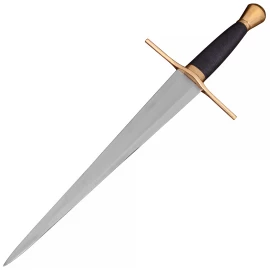
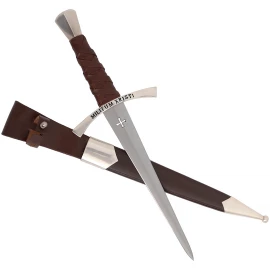
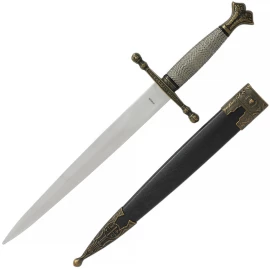
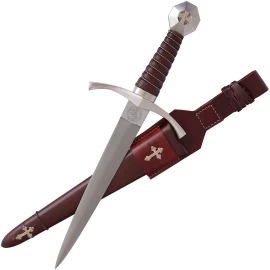
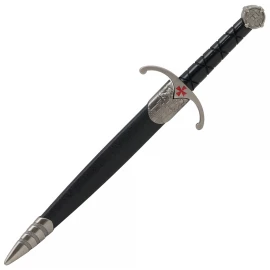
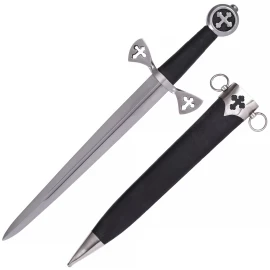
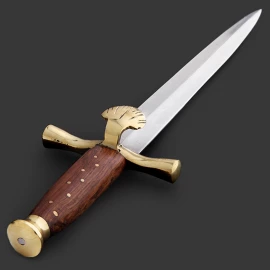
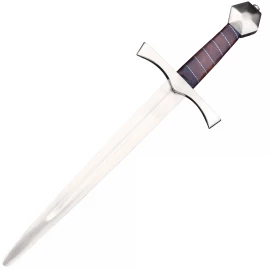
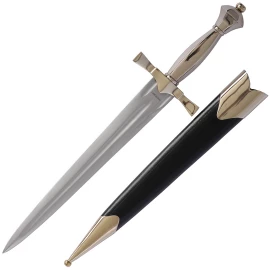
The centrepiece of this edged weapon is the broad, hand-forged steel blade, featuring a prominent fuller (blood groove). This reduces the overall weight and gives the blade its typical historical profile. The grip is crafted from durable hardwood and carefully wrapped with leather to ensure a secure and slip-resistant hold. A particularly interesting construction detail is the pommel, which is doubly screwed to the blade tang at the end of the grip, providing the entire hilt assembly with added stability. The robust, slightly curved crossguard reliably protects your hand from slipping onto the edge. The included scabbard is also covered in leather and finished with a polished metal chape and locket.
Technical Specifications of the Medieval Dagger
| Overall Dagger Length | 54.5 cm |
| Blade Length | 40.0 cm |
| Maximum Blade Width | 4.5 cm |
| Weight without Scabbard | 1,020 g |
| Weight incl. Scabbard | 1,240 g |
| Blade Material | Hand-forged steel |
| Grip and Scabbard Material | Hardwood, genuine leather, metal fittings |
Fascinating Fact from the Early Middle Ages
Did you know that in the 11th century, a dagger was not merely a secondary weapon for close-quarters combat, but also served as a crucial status symbol? Noblemen and wealthy warriors often carried daggers with richly decorated pommels and crossguards to display their wealth and power. At the same time, it was a highly versatile everyday tool – used for everything from cutting meat at a banquet to performing minor crafts in a military encampment.
How to Properly Maintain Your Dagger
To ensure this medieval dagger brings you joy for years to come and retains its authentic shine, it requires some basic care. The blade is forged from high-carbon steel and is therefore not rust-proof. After handling, always wipe the blade clean with a dry cloth and lightly coat it with a high-quality gun oil to prevent surface corrosion. The leather wrapping on the grip and the scabbard will benefit from an occasional treatment with a beeswax-based leather balm. Always store the dagger in a dry place at a stable room temperature.
What You Must Absolutely Avoid
Because this model is explicitly designed as a decorative piece, the blade is not tempered, and the dagger is not battle-ready. Never use it for full-contact historical fencing (blade-on-blade combat), do not chop wood with it, and never use it as a pry bar. Doing so could loosen the crossguard, severely notch the blade, or even cause it to snap. This beautiful item is intended solely for display purposes, as an accessory for your historical attire, or as a theatrical prop.
Recommended Accessories
To complete your historical outfit and carry the dagger comfortably at your waist, I highly recommend adding the following accessory to your order:
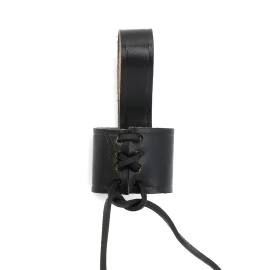
- Matching belt frog/holder made of 3-4 mm thick cowhide leather, SKU: 0201017724
We are here for you!





.3773623034.1696456237.png.webp)

.3773623034.1696456268.png.webp)
.3773623034.1696456247.png.webp)