
 Čeština
 Deutsch


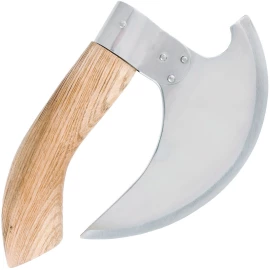
Hospitaller's Heavy Field Cleaver with Cutout Maltese Cross
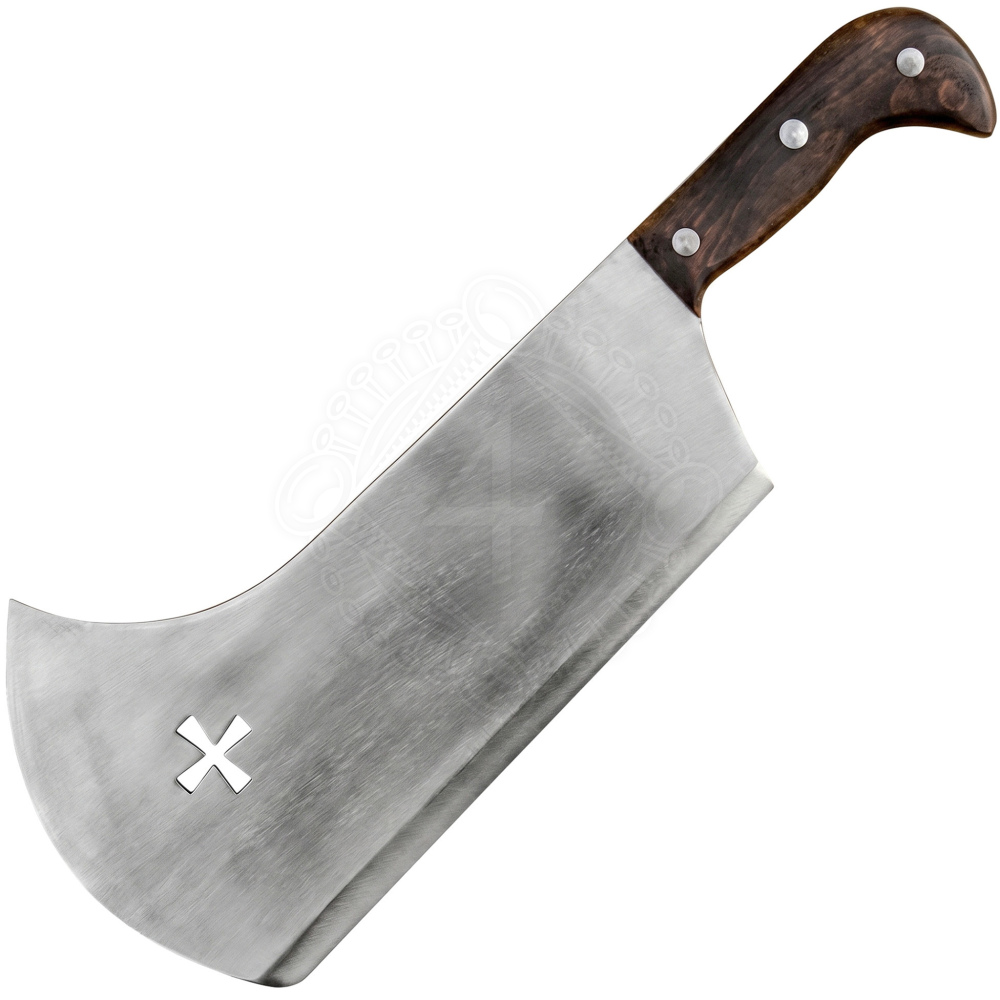


If you are looking for a tool that combines the raw power of the medieval kitchen with the deep symbolism of chivalric orders, this cleaver is exactly for you. Forget modern tin substitutes; you are holding an honest piece of steel weighing nearly 3 lbs (1.4 kg), capable of handling any challenge in the field kitchen with ease. Thanks to the expertly filed Maltese cross in the blade, you will immediately fit into the camp of the Knights of St. John at any historical reenactment or LARP event. It is a tool for men who are not afraid of hard work and appreciate a functional replica that looks just as good on your belt as it does on the chopping block. Further product information ...
Hospitaller's Heavy Field Cleaver with Cutout Maltese Cross
Technical Specifications and Construction
This cleaver is engineered for maximum impact. The single-beveled edge allows for more precise control when portioning large pieces of meat and makes sharpening in field conditions significantly easier.
| Total Length | approx. 16.1" (410 mm) |
| Blade Length | approx. 11.2" (285 mm) |
| Blade Thickness | approx. 0.2" (5 mm) |
| Blade Material | High-carbon steel (not stainless) |
| Weight | approx. 3.04 lbs (1380 g) |
| Grind Type | Single bevel (chisel grind) |
| Handle Material | Dark wood, riveted construction |
| Decoration | Pierced Maltese cross in the blade |
Historical Context and Usage
The Order of Hospitallers, later known as the Knights of Malta, was not only a military force but primarily a nursing order. Their massive complexes in Jerusalem or Rhodes required precise logistics and the ability to feed hundreds of pilgrims and the sick. Field kitchens accompanying troops on campaigns had to be equipped with robust tools that could withstand rough handling. Massive cleavers of this type were essential for butchering entire carcasses and preparing hearty meals for both the knight-brothers and their servants. The Maltese cross symbol on the tool clearly declared it as property of the Order, protecting it from theft in the chaotic environment of a military encampment.
Usage Instructions and Safety Warnings
Use the cleaver exclusively for its intended purpose—portioning food in a historical camp setting. It has a very sharp edge and, due to its weight, generates enormous kinetic energy when swung.
- Working Safety: Always chop on a stable wooden block. Ensure that neither your free hand nor any other person is within the swing's reach.
- Limitations: Although the blade is made of durable high-carbon steel, striking a very hard bone (such as a beef shank) with excessive force can cause microscopic chipping of the edge. Chop with care.
- Combat Use: This product is not intended for contact fencing or man-to-man combat. It is a working tool and camp equipment.
Care and Maintenance
Because this cleaver is made of genuine high-carbon steel, it requires your attention to prevent rust. The steel is not stainless, which is the trade-off for its excellent mechanical properties and edge retention.
- After Each Use: Thoroughly wash the blade with lukewarm water, dry it, and immediately wipe it with a cloth soaked in vegetable oil (if used for food) or technical gun oil (if for display only).
- Long-term Storage: Never store the cleaver in a damp environment. Keep the blade protected by a light film of oil.
- Handle Care: Occasionally treat the wooden handle scales with linseed oil or beeswax to prevent the wood from drying out or cracking.
Recommended Accessories
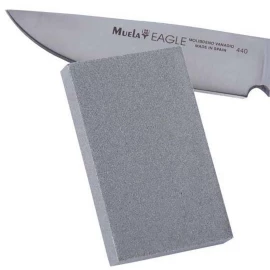
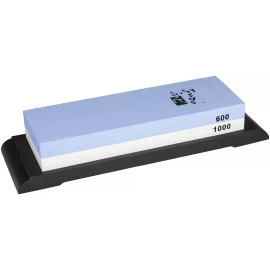
We recommend getting a high-quality leather sheath for safe belt carry. To maintain a perfect edge, a natural whetstone with a grit of 800 to 1000 will serve you well. Your historical kitchen will be perfectly complemented by a forged tripod for the campfire and a hand-carved wooden bowl.
We are here for you!


(1).2152382459.1713554205.jpg.webp)





.3773623034.1696456237.png.webp)

.3773623034.1696456268.png.webp)
.3773623034.1696456247.png.webp)