
 Čeština
 Deutsch


Roman Barbed Bronze Arrowhead, 1st–3rd Century AD
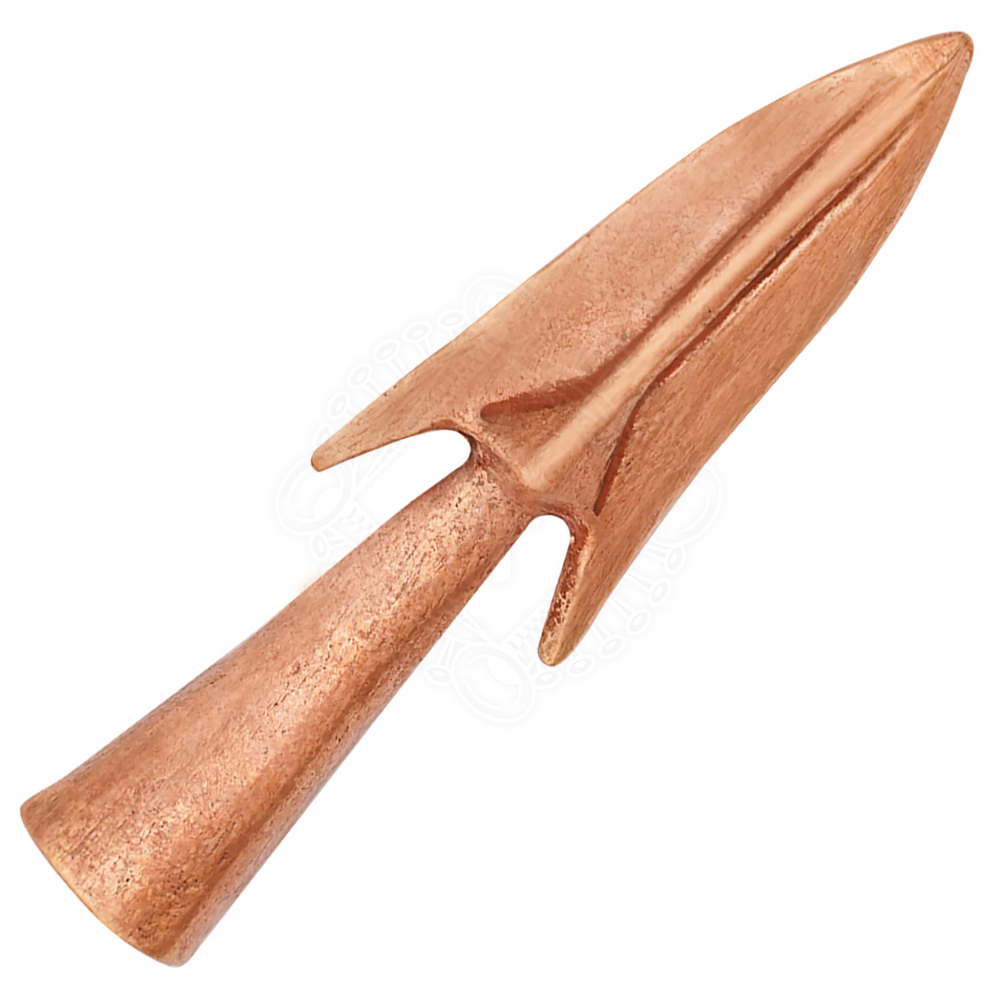




Equip yourself with an authentic replica of a Roman arrowhead and connect with the military legacy of one of history's greatest empires. Cast from solid bronze using the lost-wax method, this arrowhead is a faithful reproduction of projectiles used by Roman archers on the volatile frontiers of the Empire between the 1st and 3rd centuries AD. Its design is not accidental—it was engineered to inflict maximum damage and be incredibly difficult to remove. Further product information ...

Would you like to be notified as soon as the item is in stock?
You will receive a short e-mail as soon as we have it back in stock.
Roman Barbed Bronze Arrowhead, 1st–3rd Century AD
A Faithful Replica of Roman Legacy
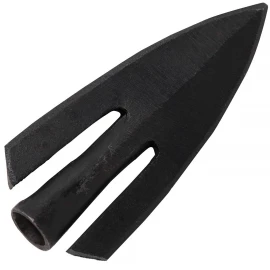
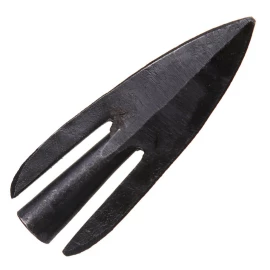
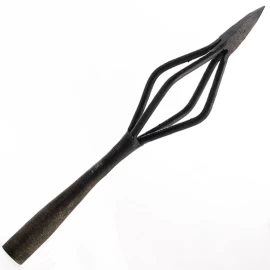
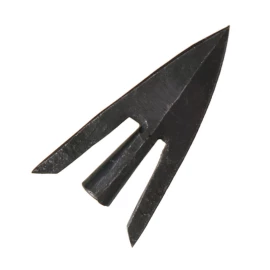
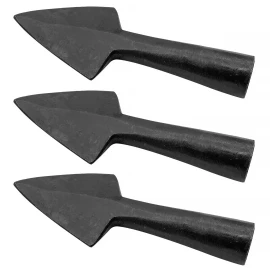
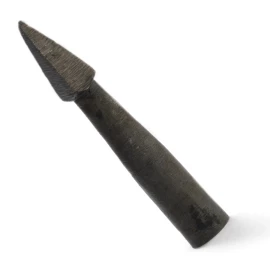
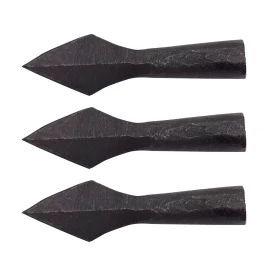
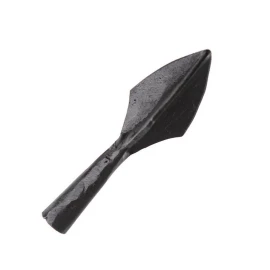
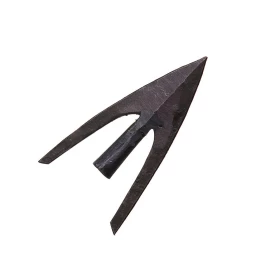
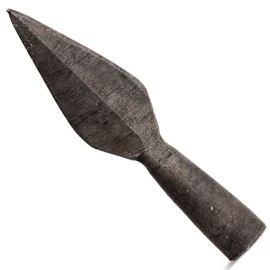
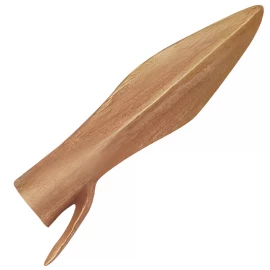
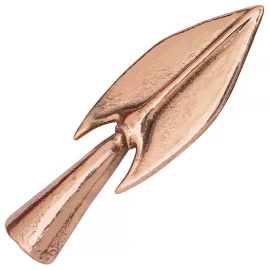
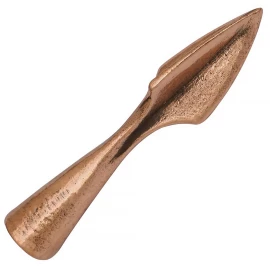
This arrowhead features several distinctive elements. It has a leaf-shaped blade with a central rib that increases its strength and penetration power. The most striking feature, however, is the two pronounced rear-facing barbs at the base of the blade. Once embedded in a target, these barbs would catch on flesh or armour, preventing the arrow from being easily extracted. The head is fitted with a conical socket for hafting onto an arrow shaft, complete with a small lashing hole for securing it with thread, sinew, or cord.
Each piece is meticulously crafted using the lost-wax casting method (cire perdue), a technique common even in antiquity. This ensures a high degree of historical accuracy and makes every arrowhead unique.
How Can You Use This Arrowhead?
This replica is perfect for:
- Historical Arrow-Making: Create fully functional arrows for historical archery or living history displays.
- Re-enactment and Living History: Complete your kit as a Roman legionary or a member of the auxiliary cohorts (auxilia).
- Collecting: Add a fascinating piece of Roman military technology to your collection.
- Educational Purposes: An excellent visual aid for museums, schools, or historical presentations.
The Deadly Tool of Roman Archers
Arrowheads of this type are found at archaeological sites across the former Roman Empire, particularly in the regions of military camps and frontier forts (Limes Romanus) in provinces such as Dacia, Germania, and Britannia. They were used by both infantry and auxiliary archers, who were often recruited from peoples renowned for their archery skills, such as the Syrians. Their purpose was to disrupt enemy formations, weaken morale, and inflict painful, hard-to-treat wounds.
Historical Tidbit: A Medical Challenge
Extracting a barbed arrowhead was a significant challenge for ancient physicians. Roman military surgeons (medici) used specialised tools, such as arrow extractors (forceps sagittarius), to remove the projectile from a wound. If this was not possible, the arrow shaft sometimes had to be pushed all the way through the injured limb and removed from the other side. A wound from such an arrow often meant either death or a permanent disability.
Technical Specifications
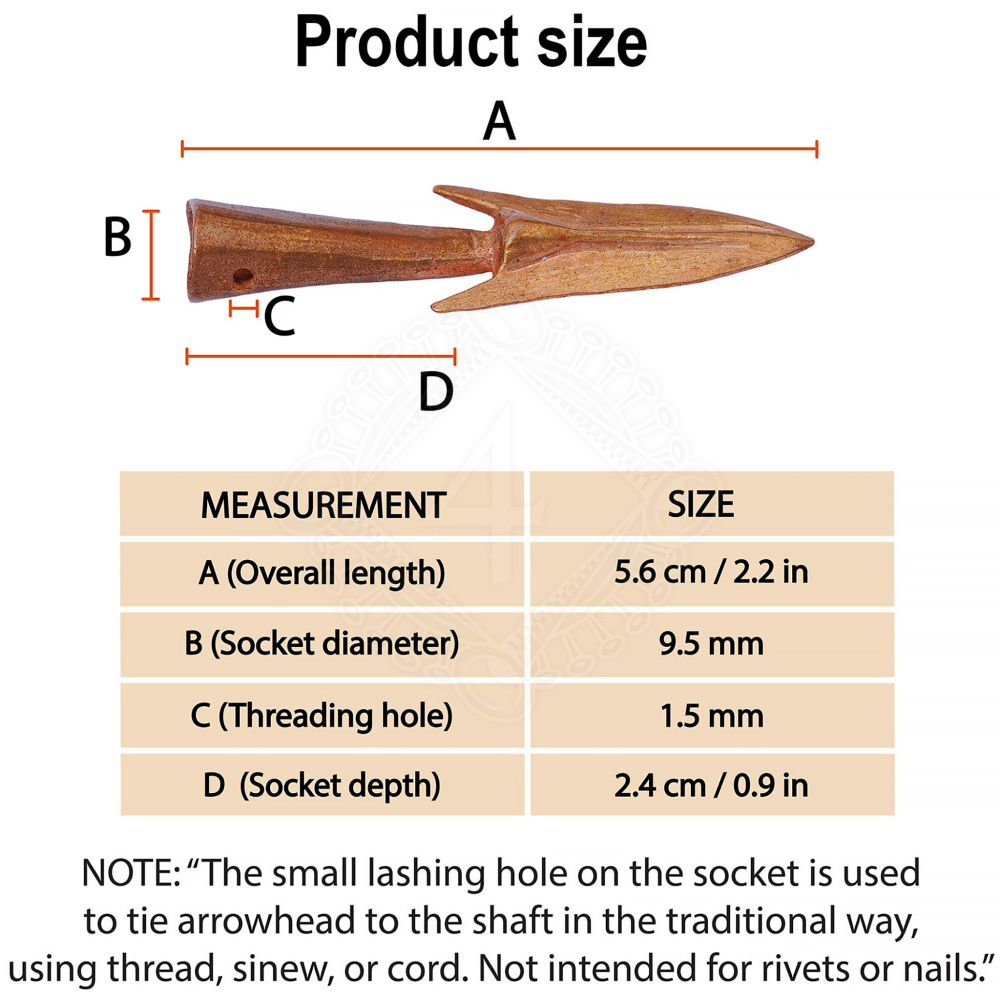
- Overall Length (A): Approx. 5.6 cm (2.2 in)
- Socket Depth (D): Approx. 2.4 cm (0.9 in)
- External Socket Diameter (B): Approx. 9.5 mm
- Lashing Hole Diameter (C): Approx. 1.5 mm
- Material: Solid Bronze
How to Care for Your New Arrowhead
Although bronze is a durable material, proper care will extend its life and preserve its appearance. Wipe it with a clean, dry cloth and store it in a dry place to prevent oxidation. Do not use chemical polishes—a natural patina adds to its authenticity. For better preservation, you can occasionally apply a light coat of oil.
Safe Use Guidelines
WARNING: This is not a toy but a replica of a functional historical weapon. The head is sharp and can cause serious injury. Exercise extreme caution when mounting it on a shaft and during any handling. If you decide to create a functional arrow, only shoot in safe, designated areas (such as an archery range) and never aim at people or animals. You are solely responsible for its safe use.
We are here for you!






.3773623034.1696456237.png.webp)

.3773623034.1696456268.png.webp)
.3773623034.1696456247.png.webp)