
 Čeština
 Deutsch


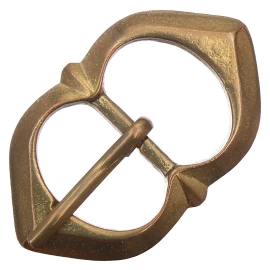
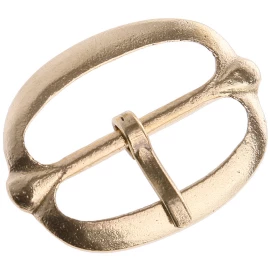
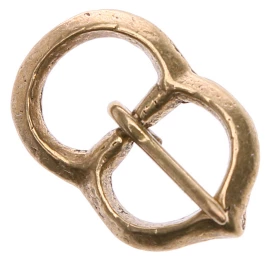
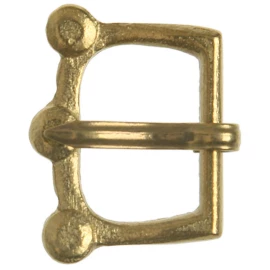
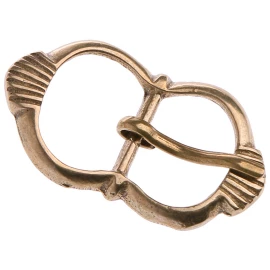
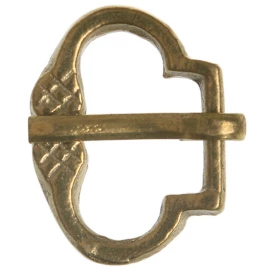
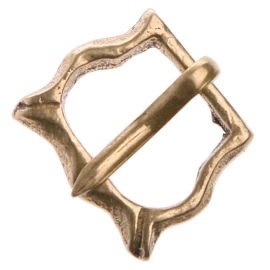
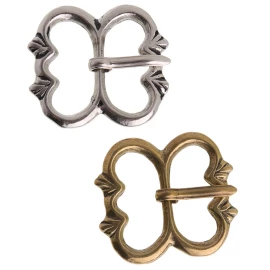
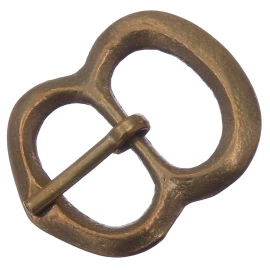
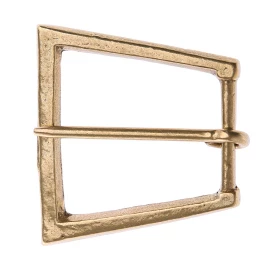
Late Medieval Bronze Buckle with Concave Sides, for 2 cm Strap - Outlet

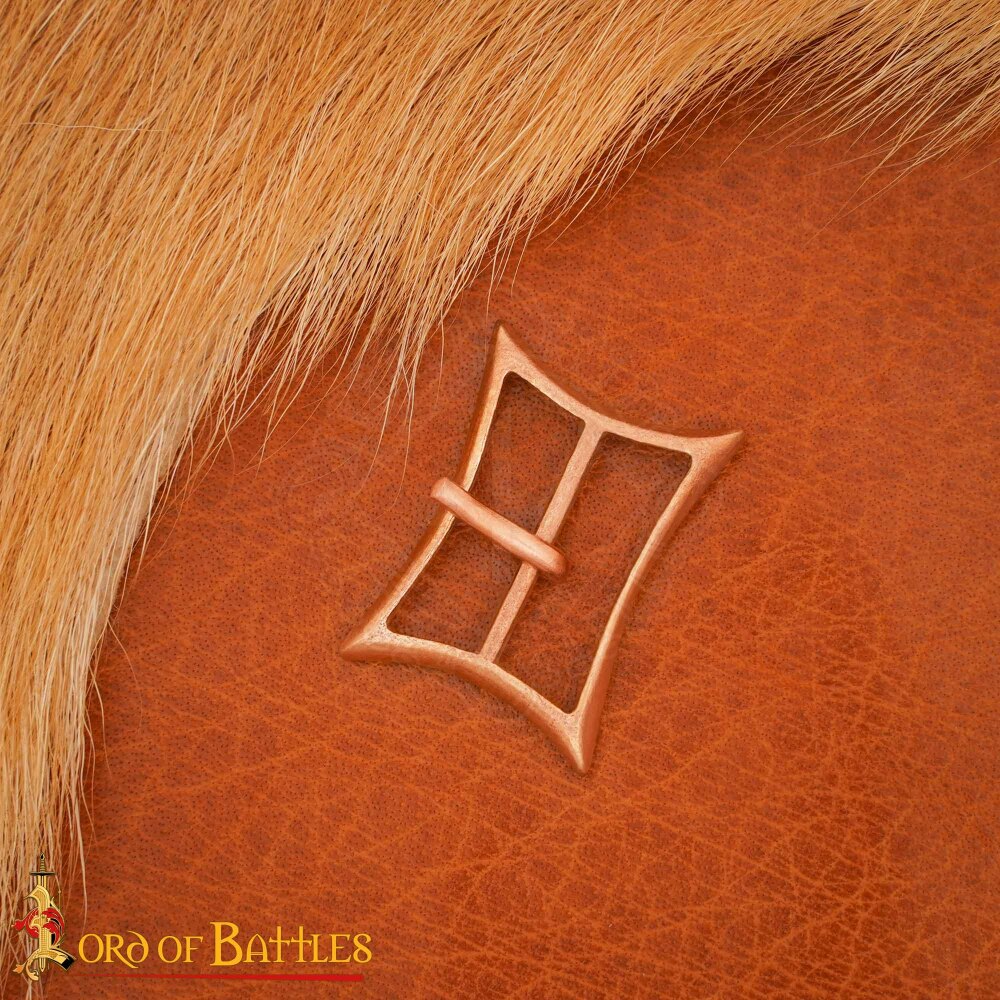
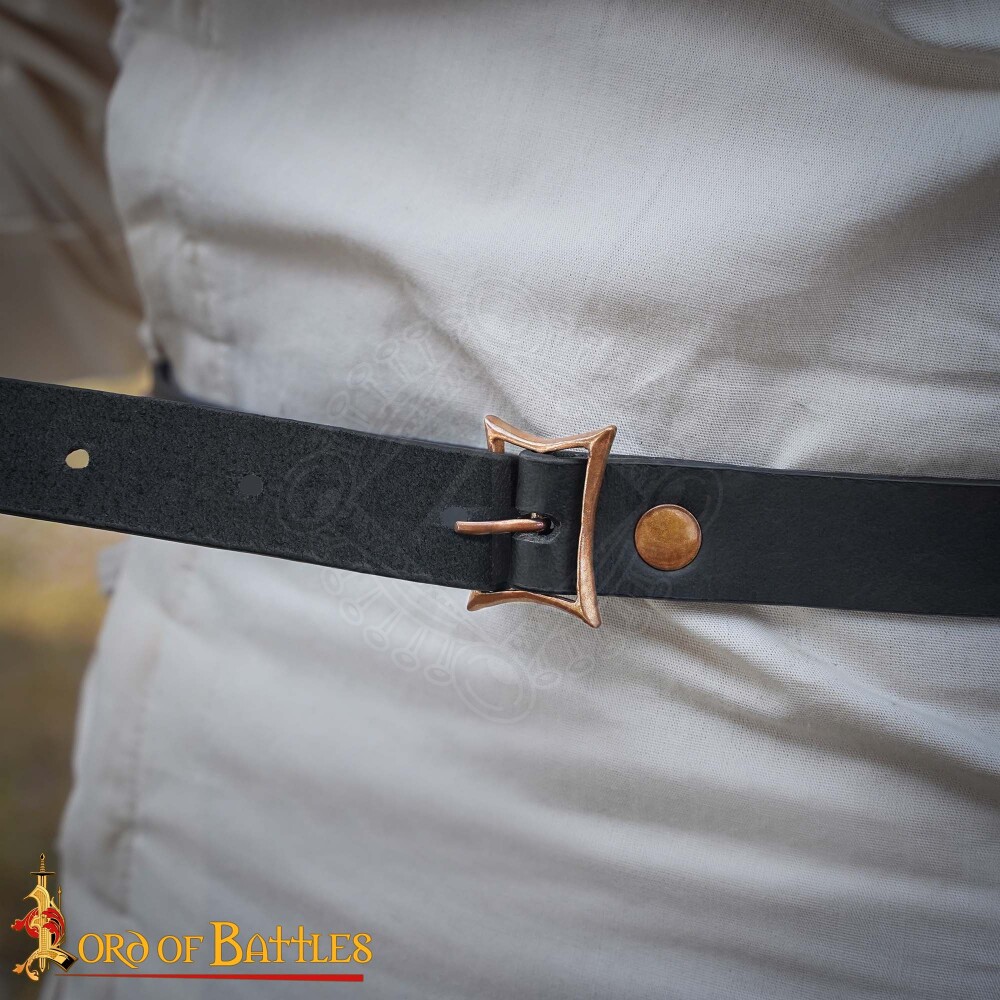
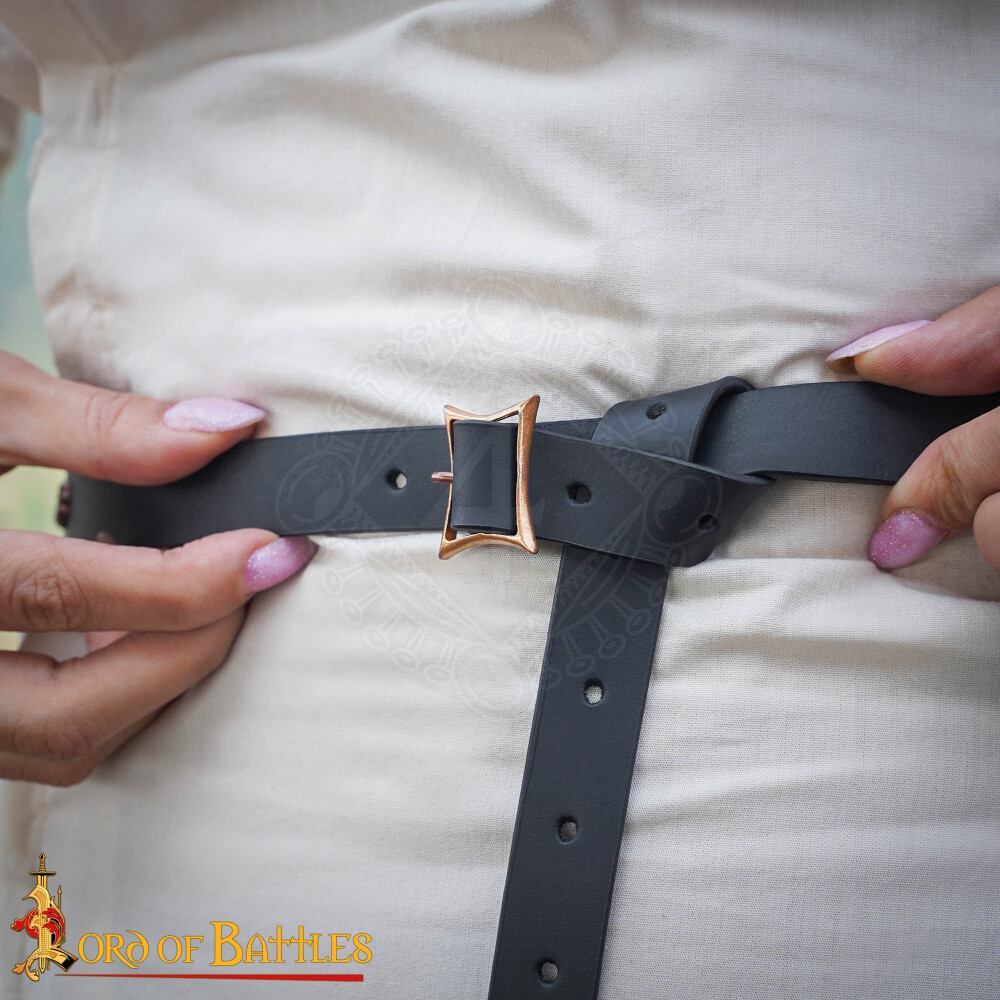

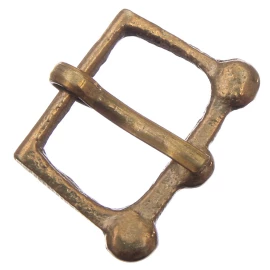
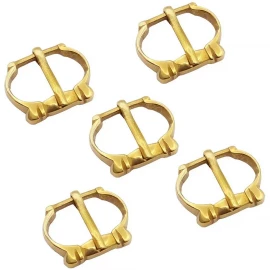
Complete your historical costume with a detail that truly matters! This elegant and minimalist bronze buckle is a faithful replica of a design popular during the Late Middle Ages and Renaissance, from approximately 1450 to 1600. Its characteristic shape with concave, curved sides is a timeless classic that suited the civilian attire of both men and women. The buckle is crafted from solid bronze using the lost-wax casting method, ensuring its strength and historical authenticity. Thanks to its versatile size, it is ideal for narrow belts on dresses, tunics, and doublets, but it also serves perfectly as a shoe buckle or a strap for a pouch. It's the perfect choice for re-enactment, LARP, or anyone involved in historical crafts. Further product information ...

 Delivery options
The following variants are currently available:
Late Medieval Bronze Buckle with Concave Sides, for 2 cm Strap
An Elegant Accessory from the Late Middle Ages
In the 15th and 16th centuries, fashion began to trend towards functional elegance and cleaner lines, even in accessories like belt buckles. This type of simple frame buckle with gently curved sides was very popular. Unlike the massive and ornate buckles with large strap ends from the High Middle Ages, this small buckle has a discreet and tasteful appearance. It was an essential part of the everyday attire of townspeople, craftsmen, and peasants alike. Its simplicity made it accessible and its shape made it stylish. Our replica perfectly captures this spirit – it is functional, durable, and stylistically clean, just like its historical predecessors.
How to Attach the Buckle to a Belt
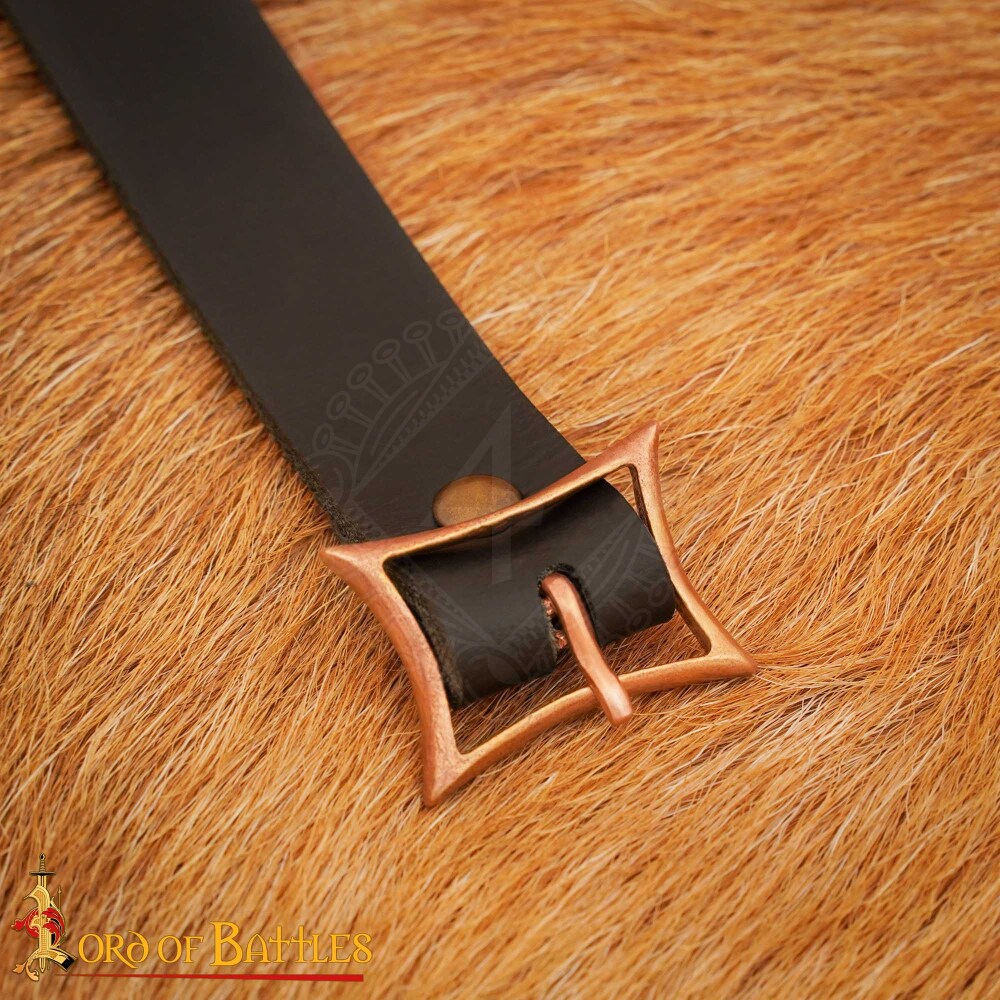
Attaching this buckle to a belt strap is a simple process that any crafter can handle. You will need a leather strap with a maximum width of 2 cm.
- At one end of the strap, cut a small longitudinal slit for the buckle's tongue (pin) with a sharp knife. The slit should be about 1-2 cm from the end.
- Thread the end of the strap through the buckle, folding it around the central bar. The buckle's tongue must pass through the slit you cut.
- Secure the folded end of the strap firmly to the main part of the belt. You can use a small rivet, which you peen over, or simply sew it with strong thread (waxed linen thread).
- And you're done! Your new historical belt is ready for use.
| Technical Specifications | |
|---|---|
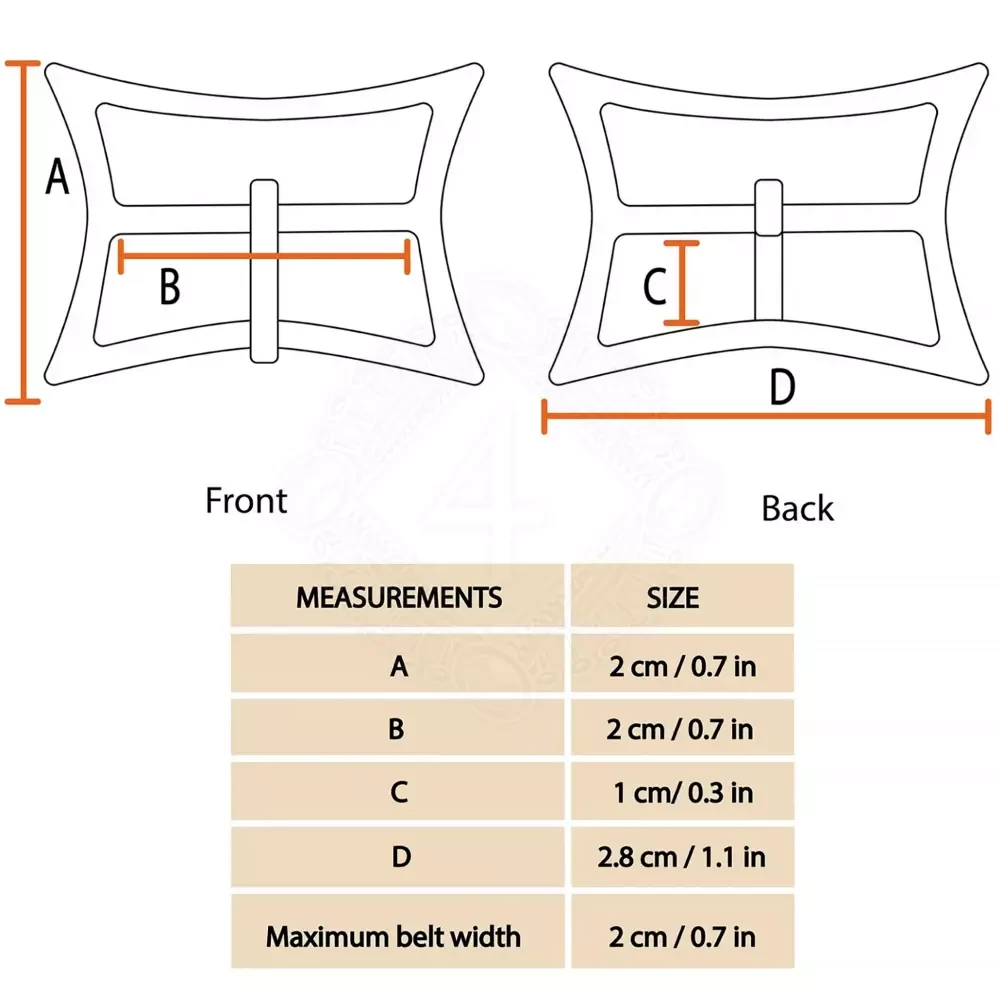
| Overall Width (D): | 2.8 cm / 1.1 in |
| Overall Height (A): | 2.0 cm / 0.7 in |
| For Strap of max. Width: | 2.0 cm / 0.7 in |
| Material: | Solid Bronze |
| Finish Options: | Polished Bronze / Antique Bronze |
A Historical Curiosity: Buckles as an Indicator of Fashion
Did you know that for archaeologists and historians, small items like buckles, buttons, and brooches are incredibly valuable? They are like time capsules of fashion. Changes in the shapes, sizes, and materials of buckles often mirror the trends of the era and allow for very precise dating of archaeological layers. The proliferation of simple geometric buckles like this one in the 15th and 16th centuries signals a shift in civilian fashion towards greater practicality and understated elegance, reflecting the changes in society at the time.
Caring for Your Bronze Buckle
This bronze buckle is made to last. To maintain its appearance, follow these simple tips:
- Store it in a dry place to prevent excessive oxidation.
- Avoid contact with harsh chemicals.
- For the polished version, you can restore its shine by gently buffing it with a soft cloth.
- For the patinated (antique bronze) version, do not clean the surface, in order to preserve its authentic, aged look.
We are here for you!






.2152382459.1713382643.JPG.webp)




.3773623034.1696456237.png.webp)

.3773623034.1696456268.png.webp)
.3773623034.1696456247.png.webp)