
 Čeština
 Deutsch


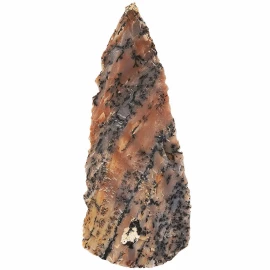
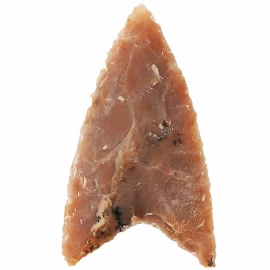
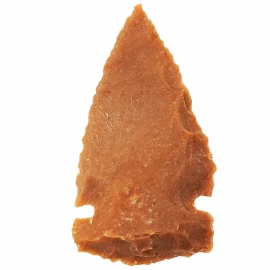
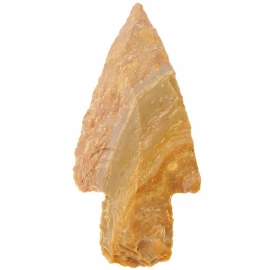
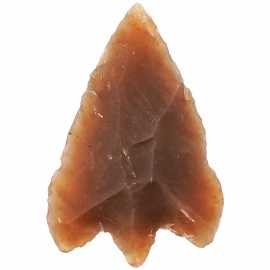
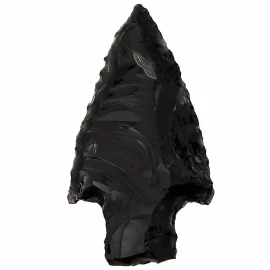
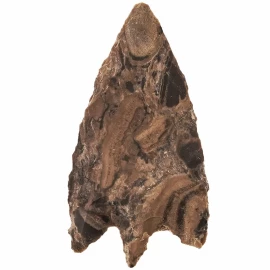
Flint Javelin Head (1pc) - Outlet
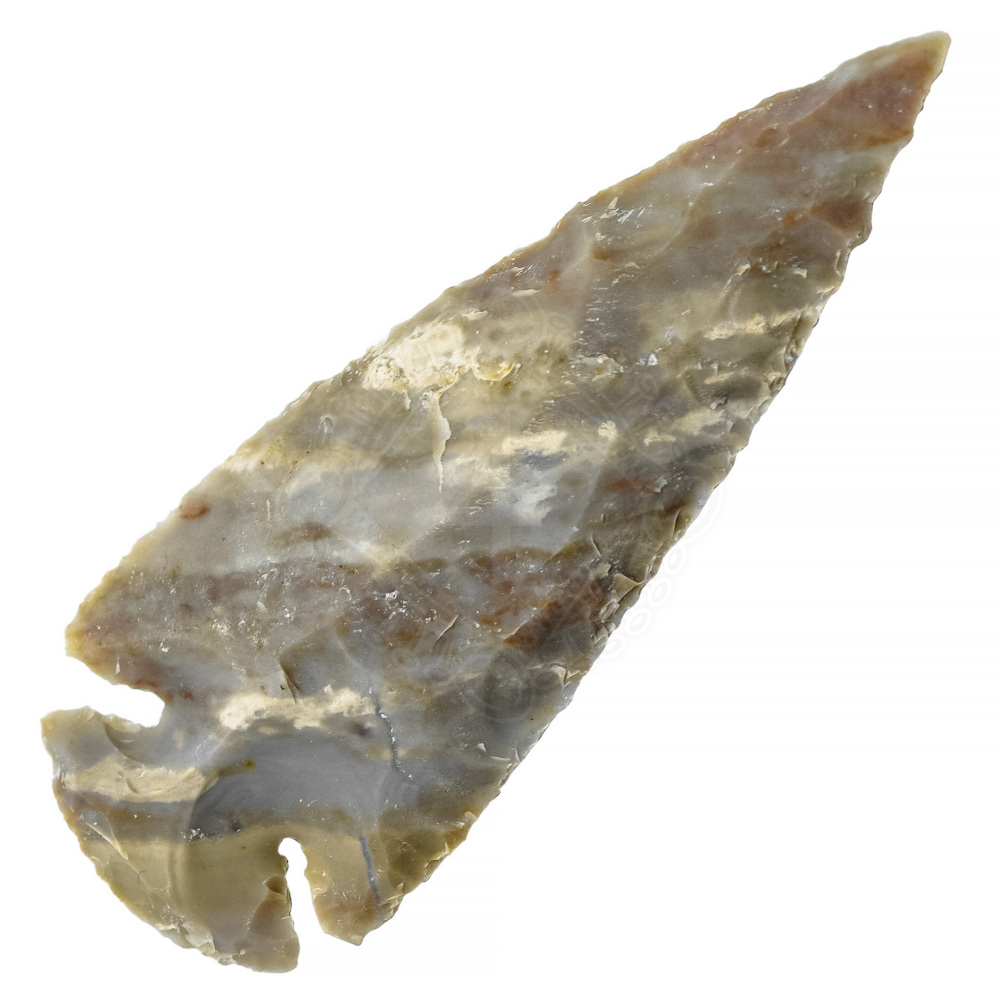
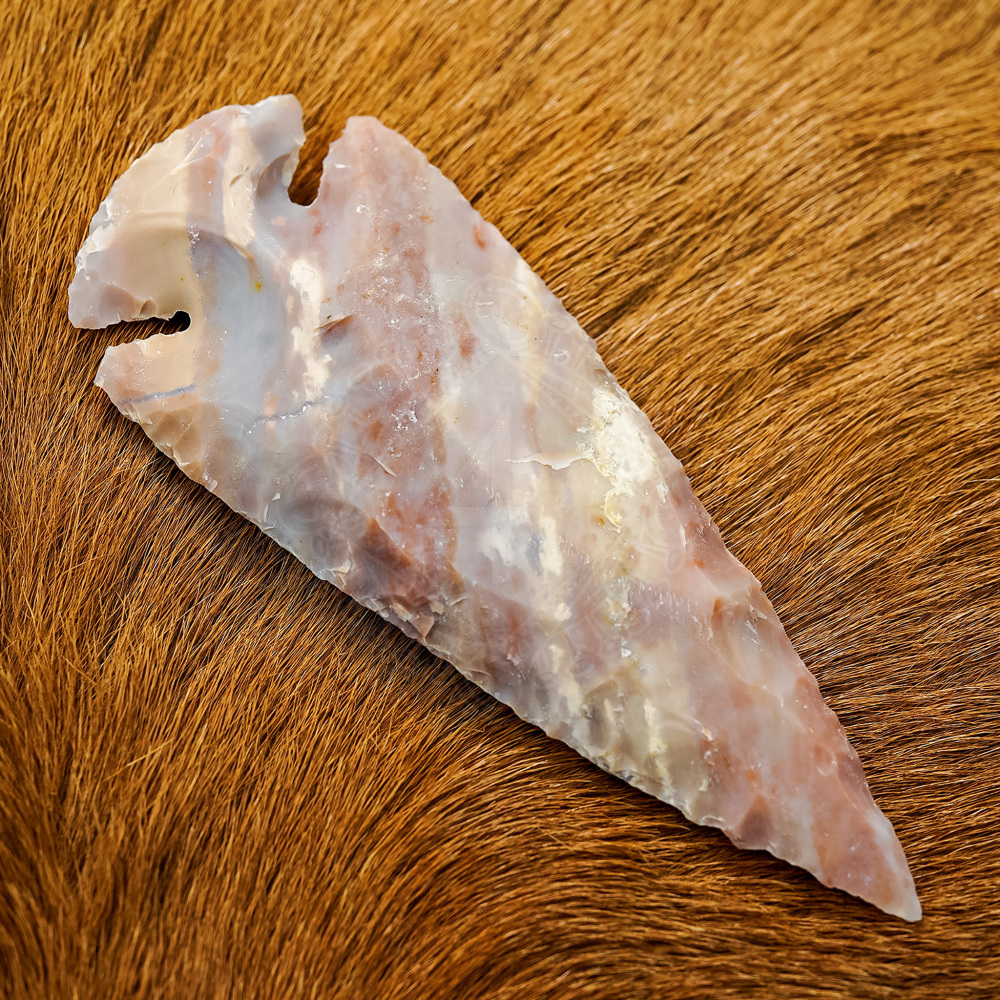

This large arrowhead or javelin tip is crafted from a solid piece of flint stone. These stone arrowheads are fine replicas of the Neolithic tools that were being used in the pre-historic times or the Stone-Age. Further product information ...

 Delivery options
The following variants are currently available:
Flint Javelin Head
Please Note: Item size and colour may vary. Arrowheads are sold individually in pieces, not as a pack or set.
Approximate flint weights depending on the length:
- 4 inches .. 68 g
- 5 inches .. 84 g
Dimensions of the photographed specimens:
- 4 inch tip ... 105 x 32 x 13 mm
- 5 inch tip .. 131 x 40 x 15mm
How to Make a Stone Age Spear: A Guide to Hafting a Flint Spearhead
Building an authentic spear replica is a fascinating project. With an impressive 5-inch flint spearhead like the one you have, you can use historical techniques to make your own primitive spear that is both fully functional and historically accurate. This guide will show you exactly how to haft a spearhead and select the perfect wooden shaft.
Hafting the Flint Spearhead: A 3-Step Guide
The key to a durable bond is a combination of a precise fit, the right adhesive, and a strong wrapping. The notches at the base of your flint point are essential for achieving a secure and stable haft.
Step 1: Preparing the Wooden Shaft
- Splitting the Shaft: At the end of the wooden shaft, carefully cut a central, lengthwise split. It should be slightly deeper than the base of your spearhead. You can start the split with a saw and refine it with a sturdy knife.
- Carving the Bed: Carefully carve out the inside of the split to create a snug bed for the stone spearhead. The goal is for the flint to have maximum surface contact with the wood, preventing any wobbling and ensuring stability.
Step 2: Binding and Gluing with Historical Materials
-
The Right Adhesive (Birch Pitch): By far the most authentic and effective prehistoric adhesive is birch pitch. A common alternative is a mix of pine resin, powdered charcoal, and a small amount of beeswax.
- Application: Gently heat the birch pitch or resin mixture until it's viscous. Apply the hot glue into the prepared bed in the shaft and lightly coat the base of the spearhead. Immediately set the point firmly in place.
-
The Binding Material (Sinew or Rawhide): For the wrapping, animal sinew (from deer, for example) or thin strips of rawhide are the best and most authentic choices.
- Preparation: Soak the sinew or rawhide in water until it is completely soft and flexible.
- Wrapping: While it's still wet, wrap the material tightly around the joint. Start below the notches, crisscrossing the wrapping over the notches and around the shaft. Pull every loop as tight as possible.
Step 3: Drying and Sealing
- The Drying Process: Let the entire joint dry completely for several days. As it dries, the sinew or rawhide will shrink, creating immense pressure and a rock-solid bond that is tighter than any modern cord could achieve.
- Sealing: Once dry, you can paint the entire wrapping with another thin layer of heated birch pitch. This waterproofs the fibres and makes the haft even more durable.
The Perfect Wooden Shaft: Properties and Selection
Choosing the right wood is just as crucial for a good spear as hafting the point correctly.
Wood Properties: Look for a wooden shaft that is strong, flexible, and as straight as possible. The wood must be well-seasoned (dry) to prevent it from warping or cracking later.
- Best Types of Wood for a Spear:
- Ash (Fraxinus excelsior): Traditionally considered the best wood for spears and tool handles in Europe. It's extremely tough and resilient.
- Hazel (Corylus avellana): A very common and excellent choice. It grows naturally straight, is lightweight, and flexible, making it perfect for a javelin or throwing spear.
- Maple (Acer): Also a very strong and reliable option.
Recommended Spear Shaft Length and Diameter: The dimensions depend on the spear's intended use (thrusting vs. throwing) and your own height.
- Length: A good rule of thumb for an all-round spear is your own height, so roughly 170 to 190 cm (5'7" to 6'3") for an adult.
- Diameter: The shaft should feel comfortable and secure in your hand. A diameter of about 2.5 to 3.5 cm (1 to 1.4 inches) in the grip area is ideal.
- Taper: A historically accurate spear shaft often tapers slightly towards both ends. This improves the balance and overall dynamics of the weapon.
An Important Safety Warning
Please remember: even though it is a replica, you are creating a fully functional and sharp weapon. Exercise extreme caution during its construction and in all subsequent handling. Never point the spear at people or animals.
We are here for you!







.3773623034.1696456237.png.webp)

.3773623034.1696456268.png.webp)
.3773623034.1696456247.png.webp)