 Čeština
 Deutsch


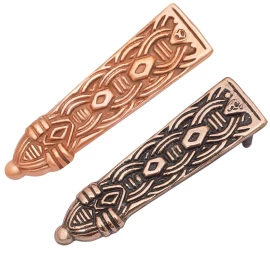
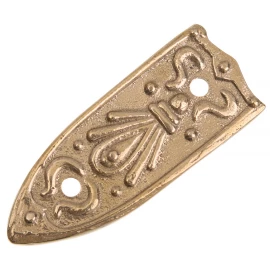
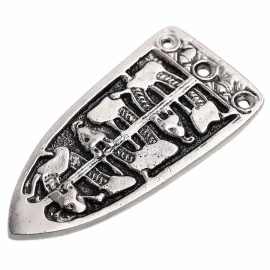
Brass Viking Strap End with Openwork Scrollwork - Outlet
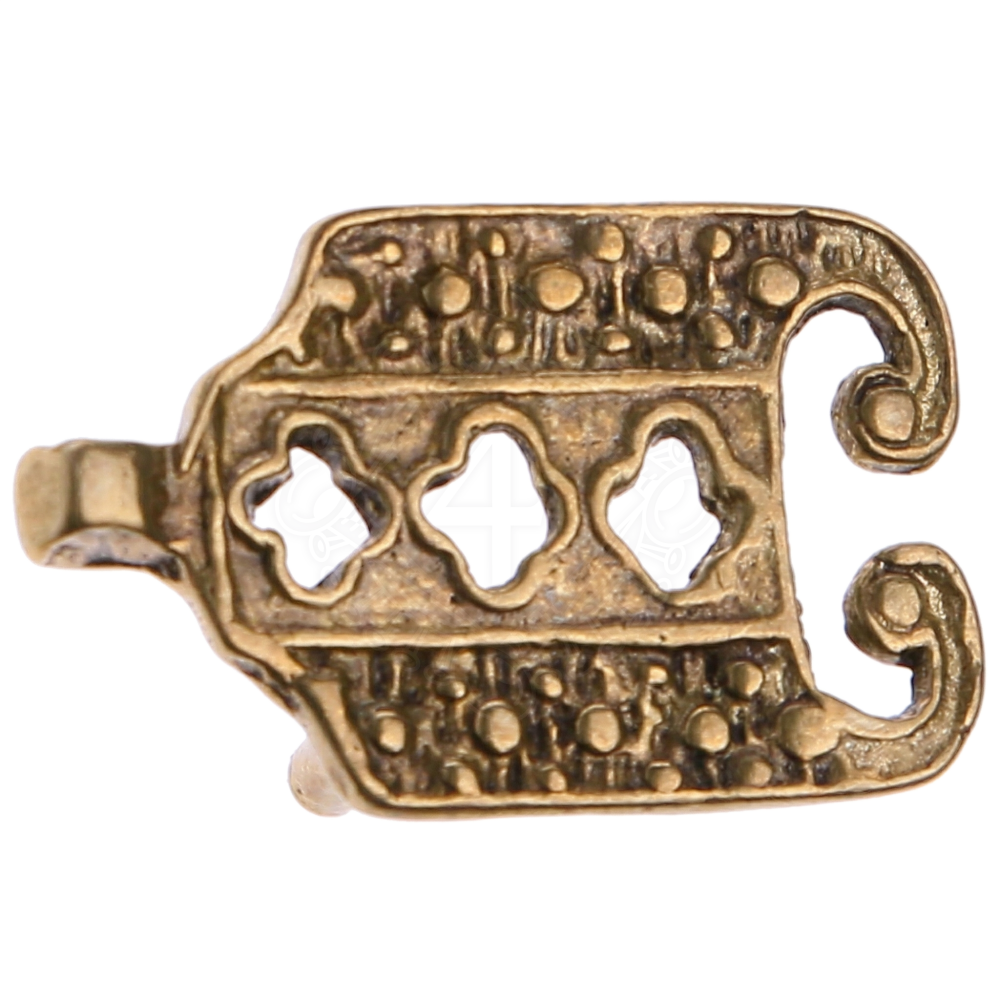
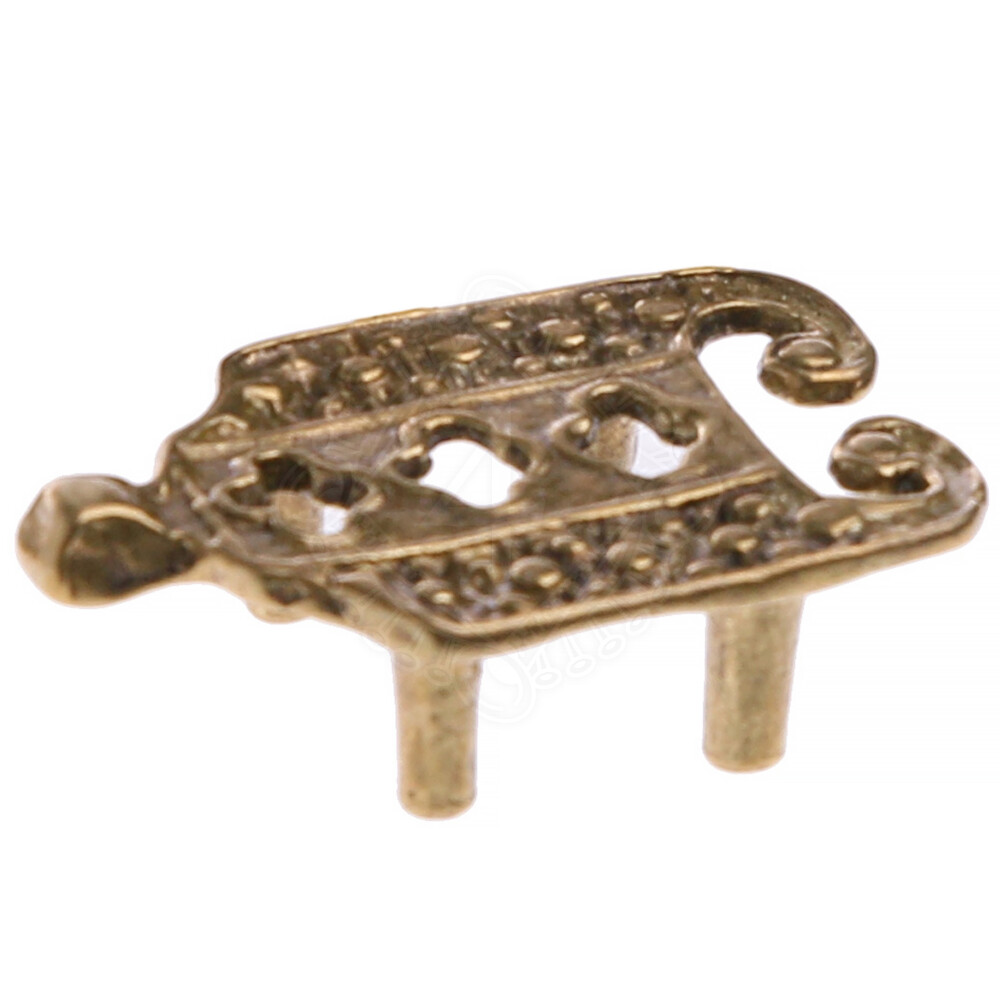
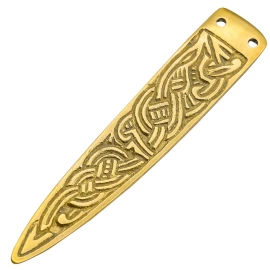
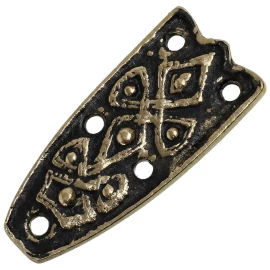
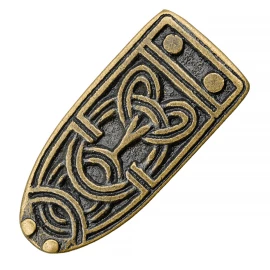
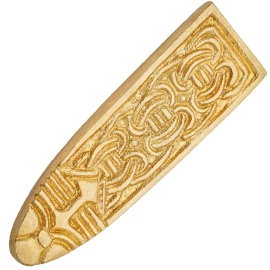
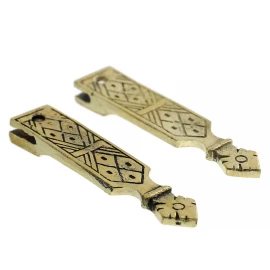
Are you looking for that perfect detail to elevate your historical kit to a whole new level? This strap end is not just a simple piece of metal; it is a statement of your status and your refined eye for craftsmanship. Imagine the golden hue of the brass gleaming at your hip during a feast in a mead-drenched hall or as you march toward the battlefield in the shield wall. Thanks to the precise hand-casting and the unique openwork design featuring S-shaped motifs, your belt will achieve an authentic Early Medieval aesthetic. It is robust, functional, and designed to withstand the harsh conditions of Viking voyages and demanding multi-day LARP events. Give your belt the jewel it deserves and show everyone that no part of your equipment is left to chance. Further product information ...

Radiant North: Hand-Cast Brass Viking Strap End with Openwork Scrollwork
Technical Specifications and Craftsmanship
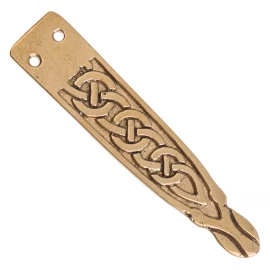
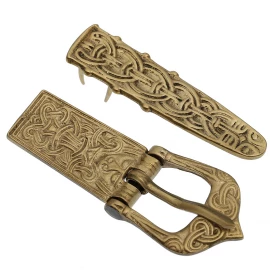
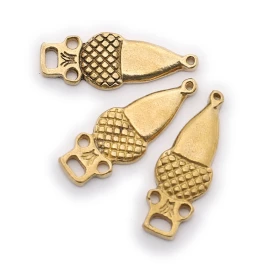
This product is manufactured using traditional hand-casting from high-quality brass, giving it a unique texture and patina that industrial mass production cannot replicate. The surface is adorned with geometric dots and openwork cutouts that lighten the construction while adding a touch of elegance typical of Early Medieval finery.
| Material | Brass (high-quality hand-cast) | Brass (high-quality hand-cast) |
| Total Length | approx. 34.8 mm | approx. 1.37" |
| Width | 21.64 mm | approx. 0.85" |
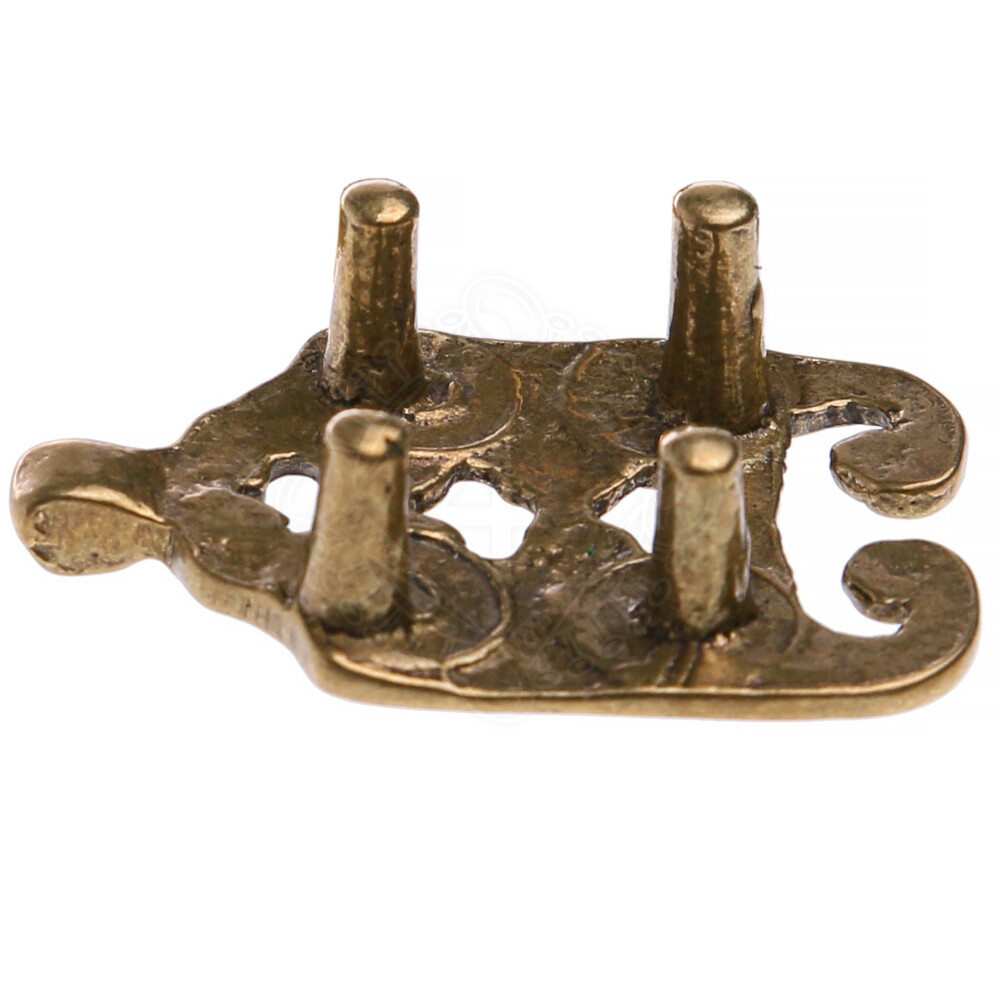
| Mounting | 4 integrated rivets on the back | 4 integrated rivets on the back |
| Style / Period | Early Medieval / Viking Age / Celtic Influence | Early Medieval / Viking Age / Celtic Influence |
Historical Context and Symbolism
In the Early Middle Ages, especially among the Norsemen (Vikings) and Baltic tribes, a belt was more than just a practical tool for holding clothes or hanging weapons. It was a symbol of status and wealth. The more ornate the belt fittings—the buckle and the strap end—the higher the owner's position in the social hierarchy. The strap end served to protect the end of the leather strap from fraying. Its weight also ensured that the free end of the belt hung elegantly along the leg. The openwork and spiral motifs seen on this piece draw inspiration from transitional styles where Celtic ornamentation blended with emerging Germanic aesthetics.
Installation and Maintenance
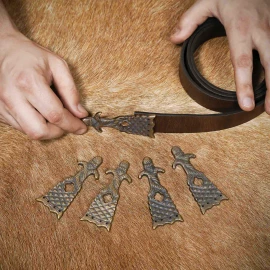
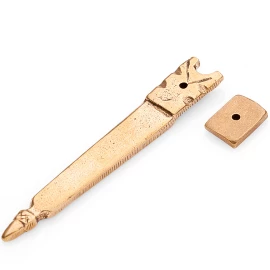
For proper installation onto a leather strap, we recommend punching four holes into the leather that match the spacing of the rivets on the back of the strap end. We recommend riveting these over a metal washer or backplate to prevent the rivets from pulling through the leather and to ensure maximum durability. If a backplate is unavailable, carefully flatten the rivets using a ball-peen hammer on a solid surface, taking care not to damage the decorative front side.
- Brass Care: Brass naturally oxidizes and develops a darker patina over time. If you prefer a high-shine finish, we recommend using a polishing paste for non-ferrous metals and a soft cloth.
- Safety Warning: Exercise caution when riveting to avoid injury or damaging the ornate front side. Ensure the rivets are filed smooth to prevent them from snagging on your clothing or armor.
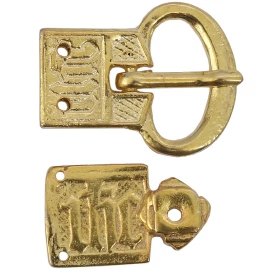
We recommend pairing this strap end with a matching Viking-style brass buckle and a high-quality cowhide leather strap from our collection to complete your historically accurate set.
We are here for you!