
 Čeština
 Deutsch


Roman Leather Baldric for the Gladius (Balteus) - Outlet
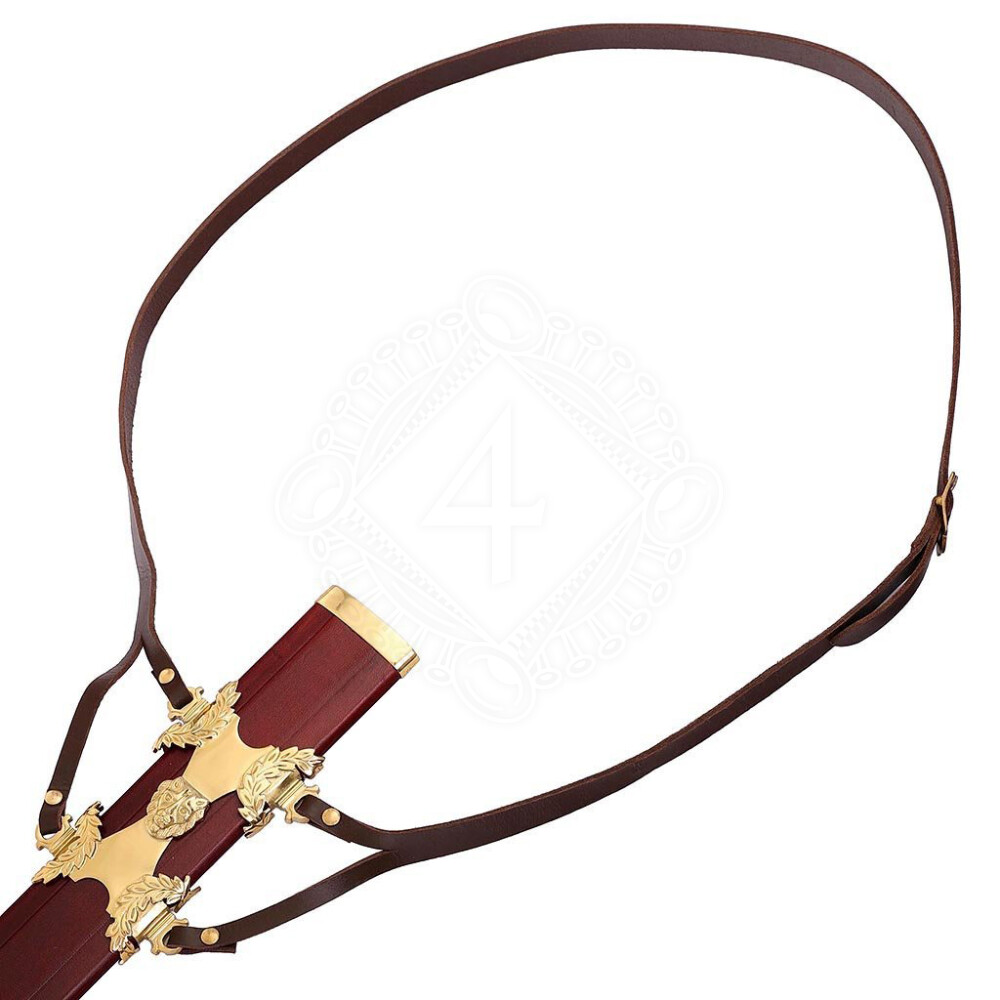
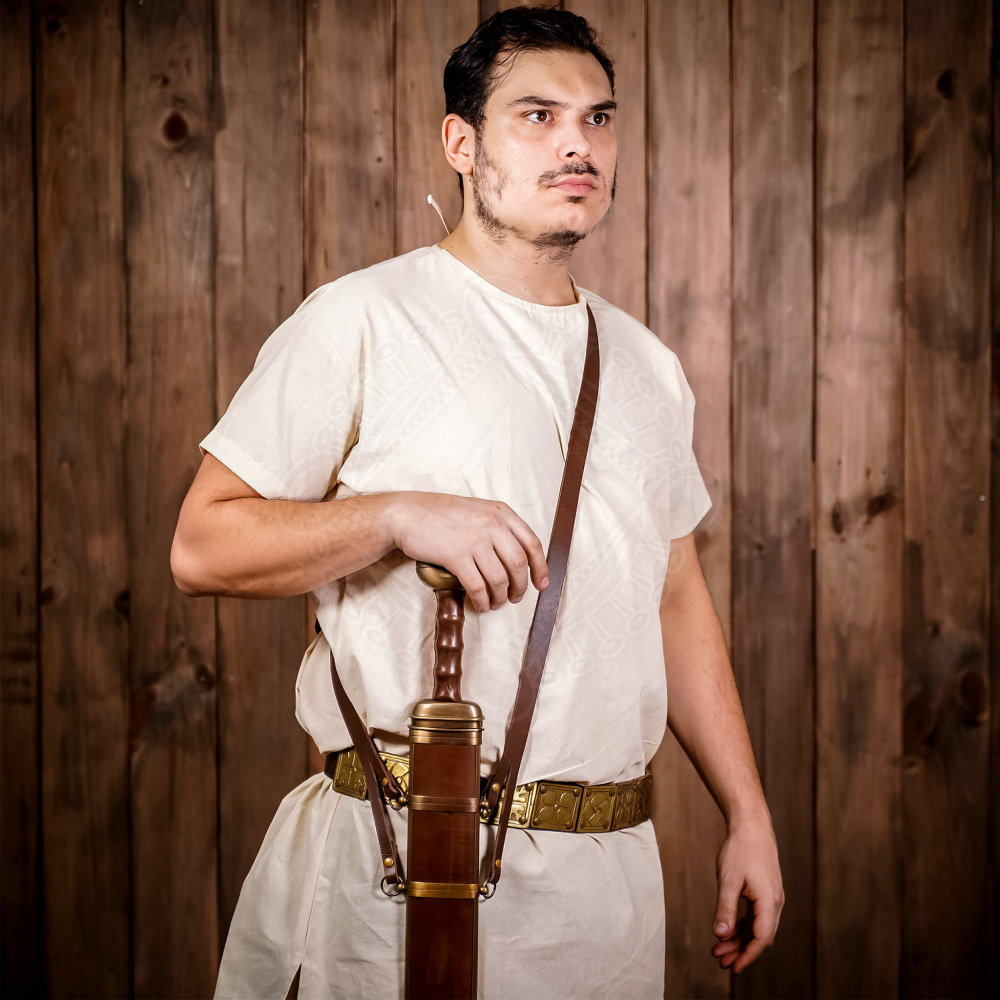

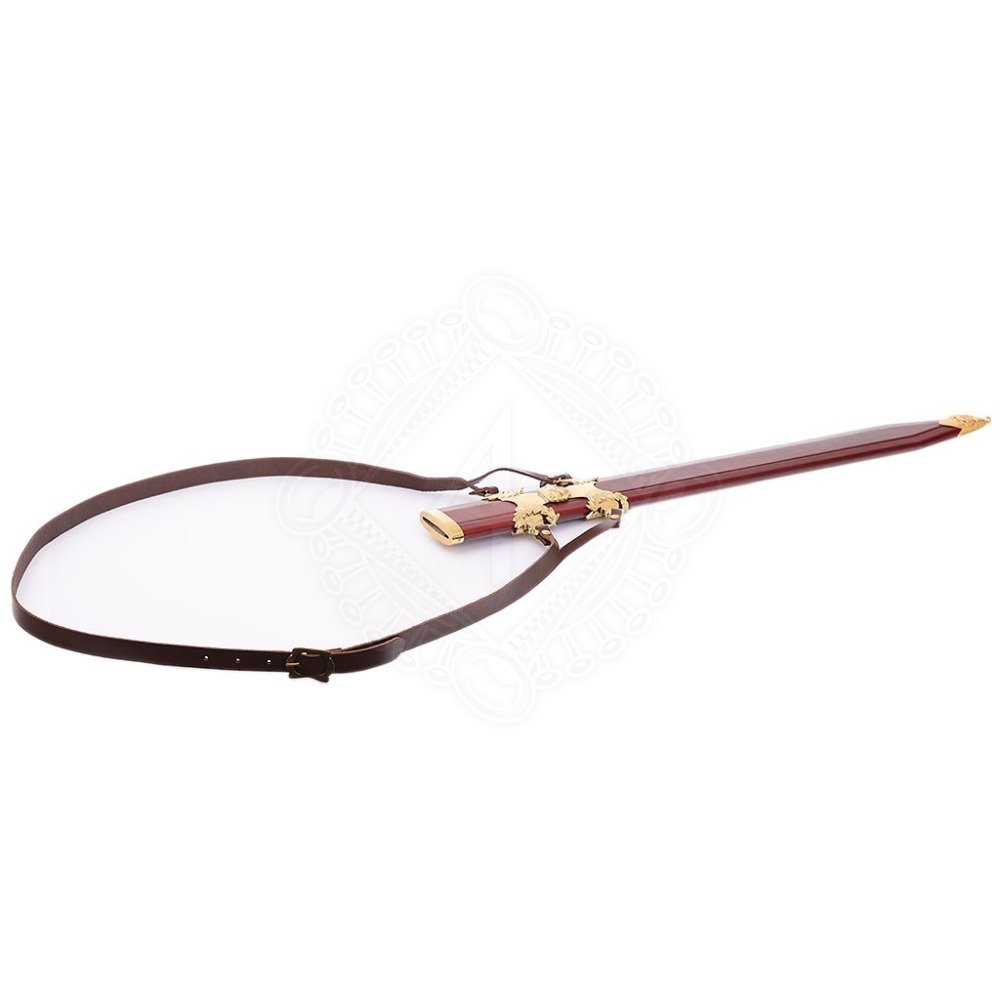

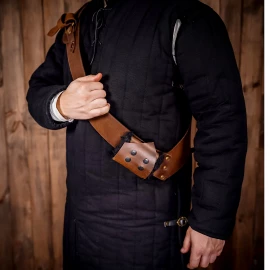
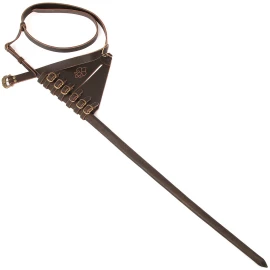
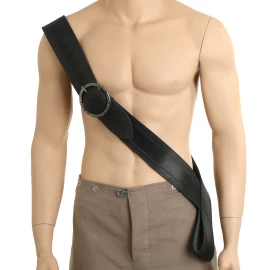
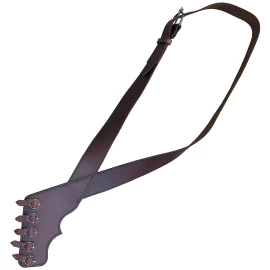
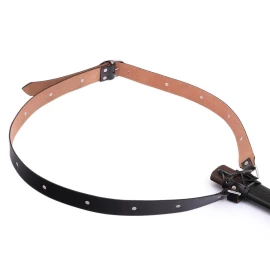
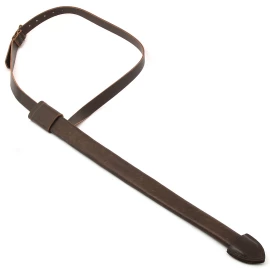
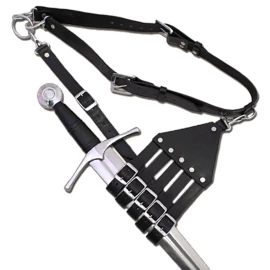
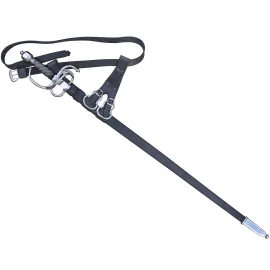
Complete your Roman armour with this functional and authentically crafted leather baldric. This type of shoulder belt, known in Latin as a balteus, is designed for the comfortable carry of a gladius sword and its scabbard. Unlike a standard waist belt, it distributes the weapon's weight across the shoulder and torso, ensuring greater comfort during long periods of wear. It is made from strong, drum-dyed buff leather with a matte finish and is available in brown and black. Further product information ...

 Delivery options
The following variants are currently available:
Roman Leather Baldric for the Gladius (Balteus)
Carry Your Gladius Like a True Legionary
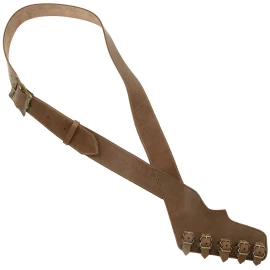
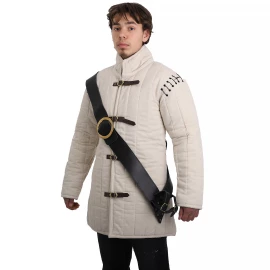
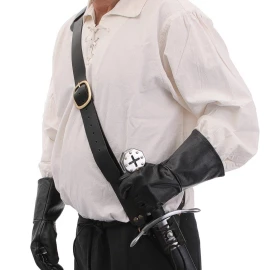
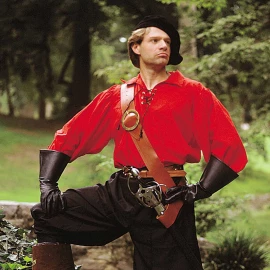
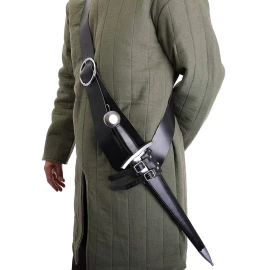
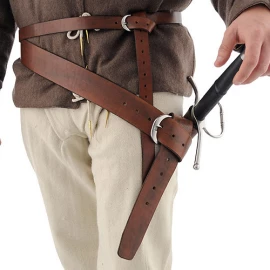
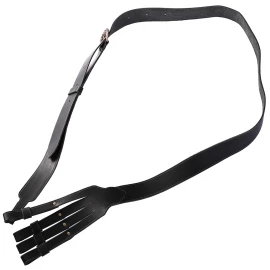
This sword belt is a key accessory for anyone striving for an accurate portrayal of a Roman soldier for reenactment, LARP, or theatrical performances. It allows the gladius to be worn on the left hip, as was befitting of officers and certain types of units. Thanks to its adjustable length, you can easily fit it to your body and armour type. Four sturdy loops ensure that the scabbard remains stable and at the correct angle.
A Glimpse into History: Balteus vs. Cingulum
Roman soldiers used two main types of belts. The Cingulum Militare was the belt worn at the waist, often richly decorated, which served as a symbol of military status. However, for carrying the sword, the shoulder belt—the balteus—was frequently used. It was particularly practical because it distributed the sword's weight more effectively and the weapon did not get in the way when walking or handling a shield (scutum). While carrying methods changed over the centuries, the balteus remained an important part of a legionary's equipment.
An Interesting Fact: On Which Side Was the Sword Worn?
It might surprise you to learn that common legionaries most often wore their gladius on their right hip. The reason was practical: it didn't get tangled with the large shield held in the left hand when drawn. In contrast, centurions and senior officers often wore their swords on the left side, similar to knights in the Middle Ages. This was one of the marks of their distinct rank and status. This baldric, therefore, allows you to portray a Roman officer.
How to Attach the Scabbard and Care for the Baldric
Attachment Instructions
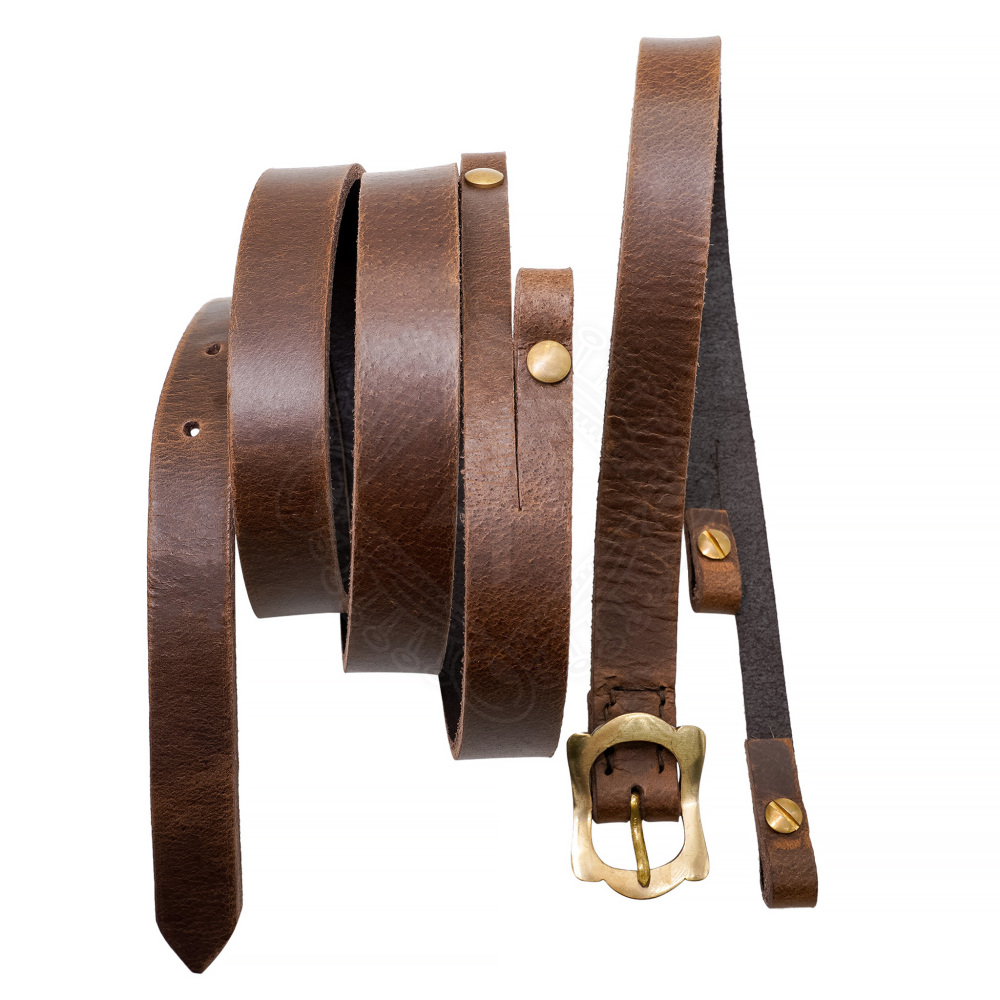
Attaching your scabbard is simple. Each of the four leather loops is fastened with a brass saddler's screw. Using a flathead screwdriver, you can undo the screws to open the loops. Thread them through the rings on your scabbard (two at the top, two at the bottom) and then tighten the screws securely. This ensures a safe and stable fit.
Leather Care
As this is genuine leather, it requires proper care. Protect the baldric from moisture. For regular cleaning, wipe it with a soft cloth. In case of stains, use a damp cloth and a small amount of mild soap lather to gently clean the spot. To extend its life and maintain its suppleness, we recommend occasionally treating it with a leather care product.
Construction and Specifications
- Product: Roman Shoulder Baldric for Sword (Balteus)
- Available Colours: Brown, Black
- Material: Genuine Buff Leather (approx. 3 mm thick)
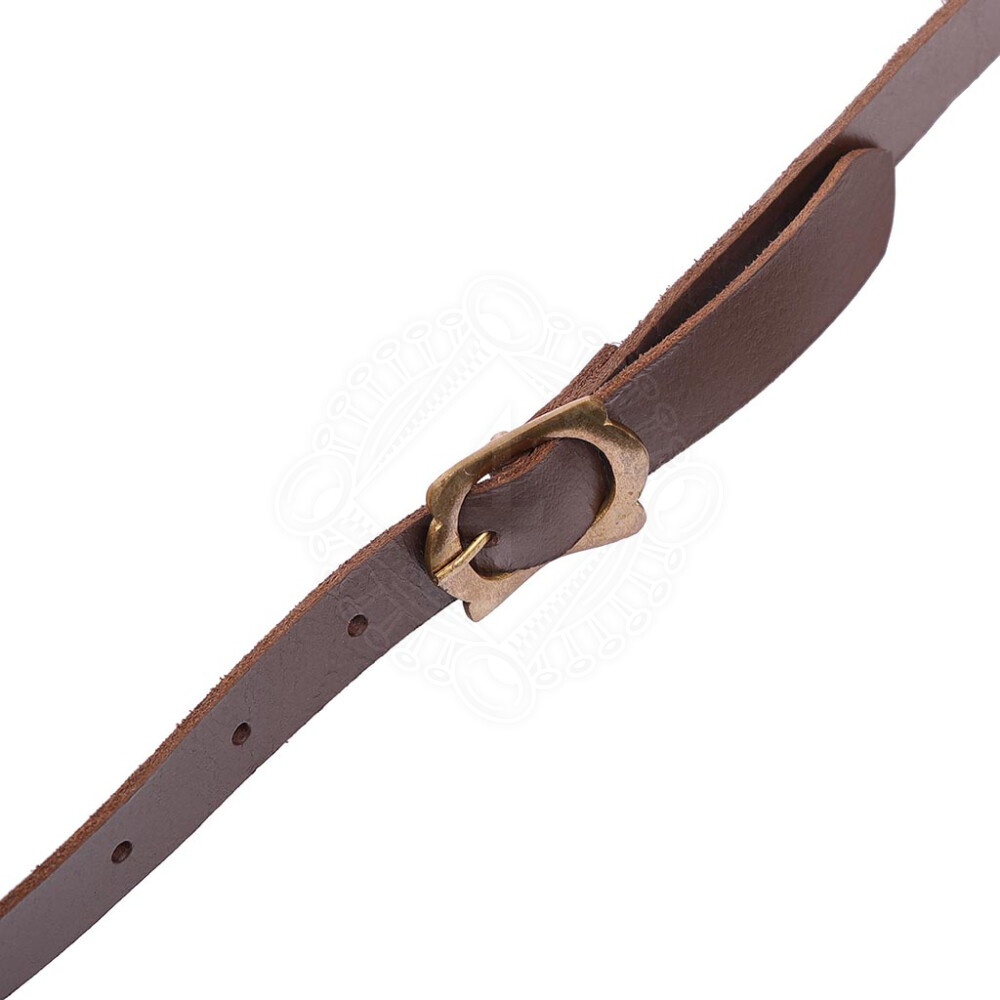
- Hardware: Solid Brass (buckle, saddler's screws)
- Overall Length (unbuckled): approx. 171.5 cm (67.5 inches)
- Adjustment Range (via buckle): by approx. 12 cm (4.7 inches)
- Strap Width: approx. 22.8 mm
- Buckle Dimensions: approx. 35.9 x 47.6 mm
- Screw Head Diameter: approx. 9.5 mm
- Weight: approx. 140 g
- Please Note: The sword and scabbard shown in the photos are not included.
We are here for you!




.3773623034.1696456237.png.webp)

.3773623034.1696456268.png.webp)
.3773623034.1696456247.png.webp)