 Čeština
 Deutsch


Late Medieval Plate Legs – The Infantryman
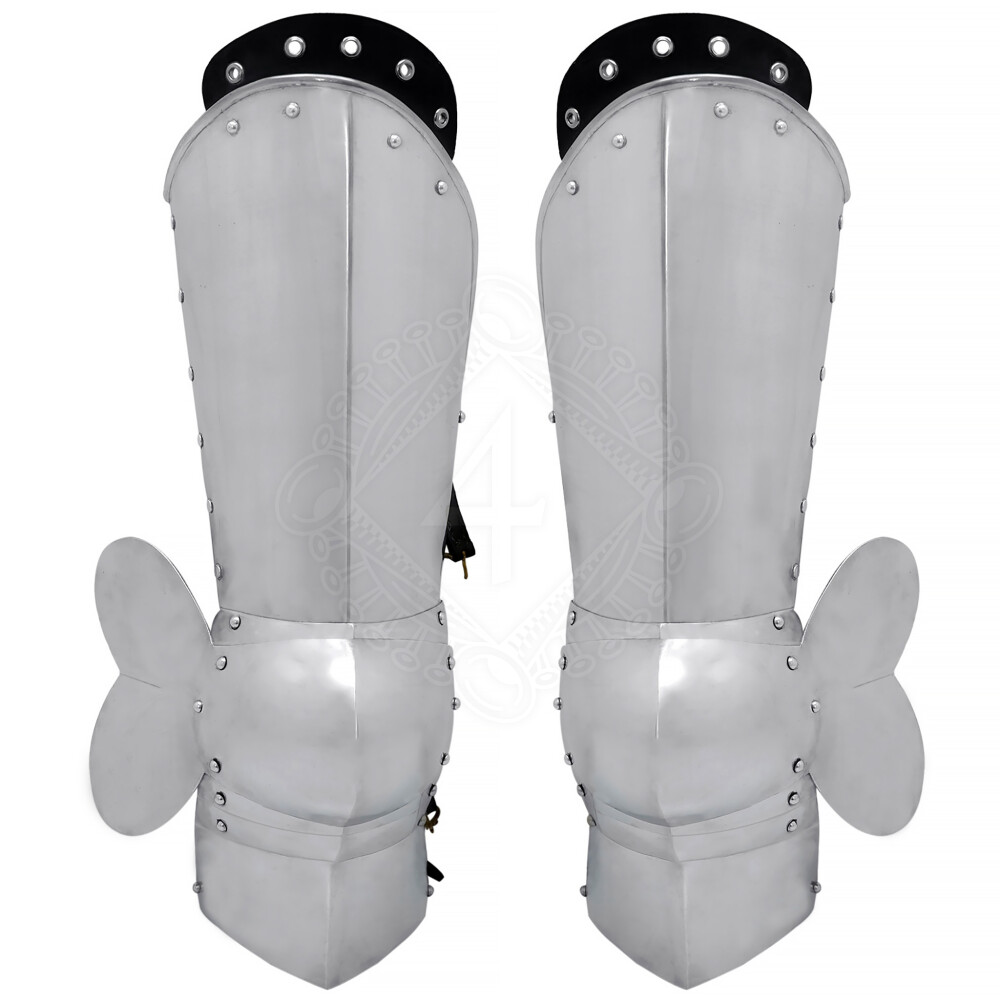
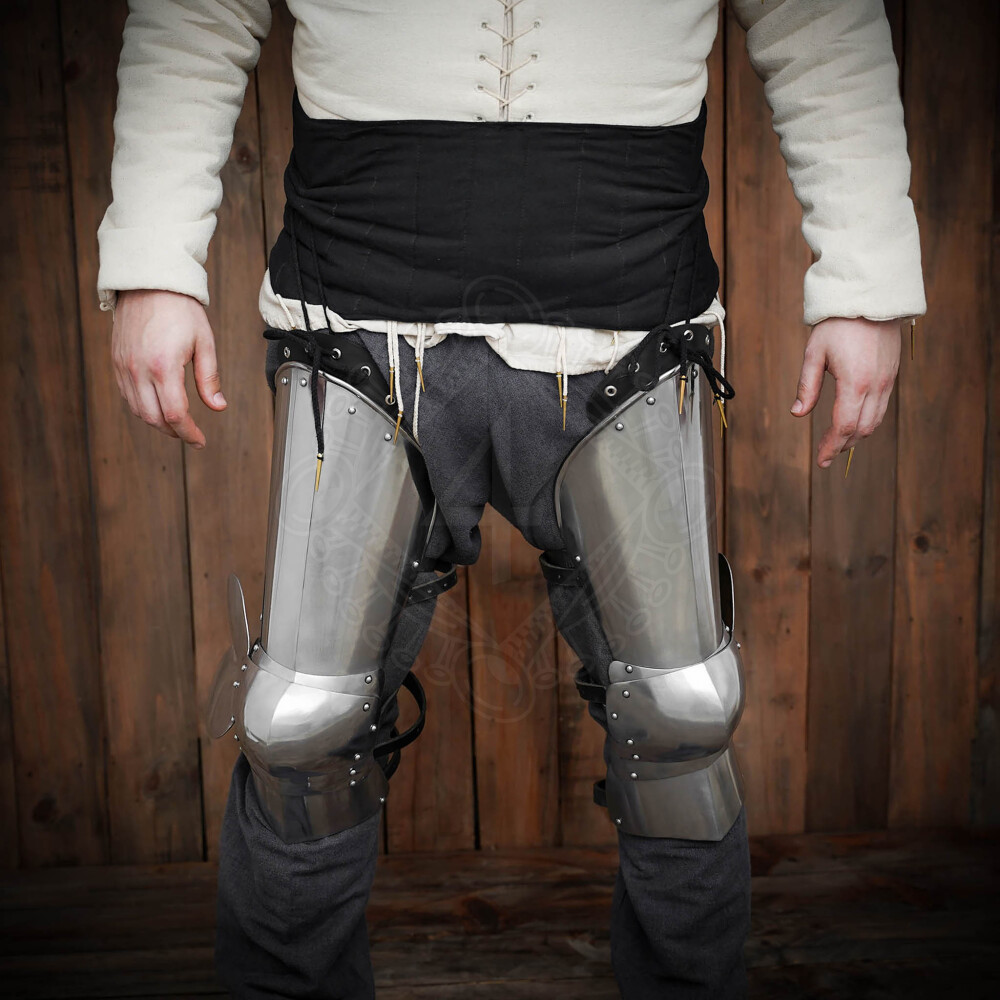
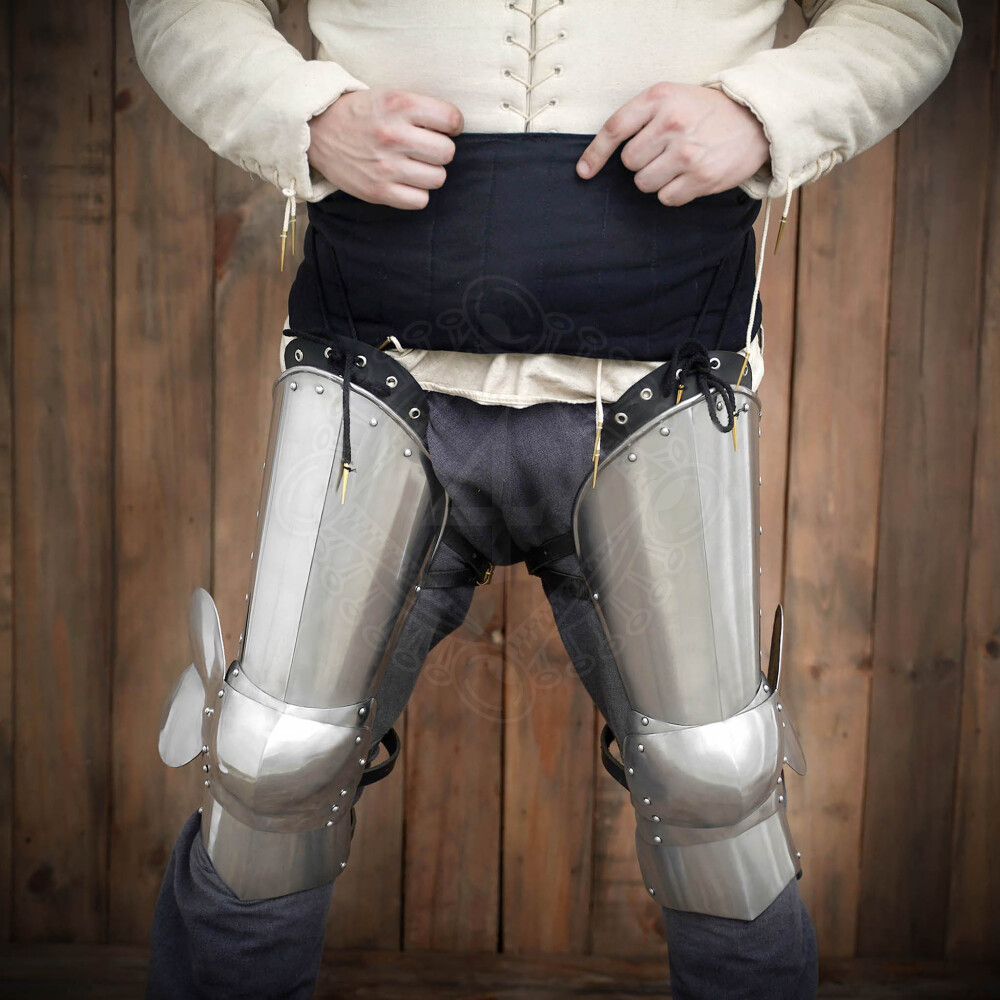
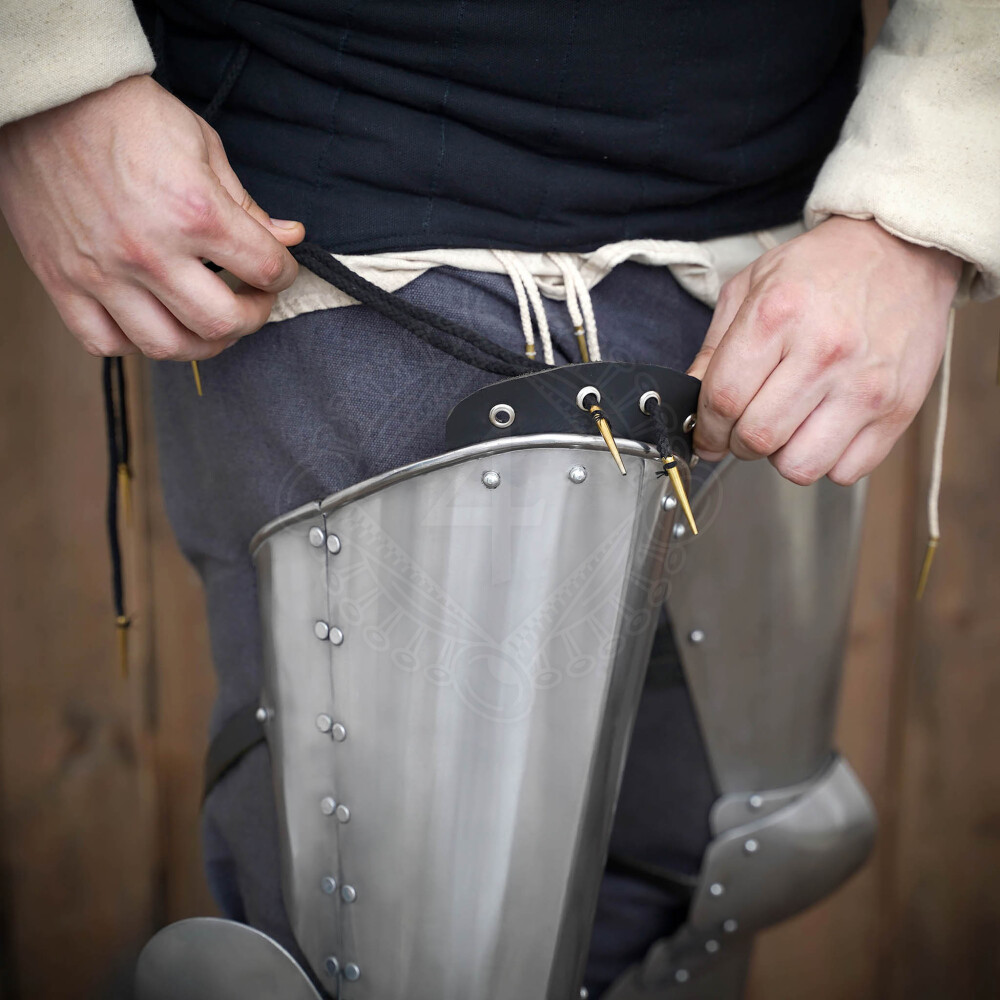
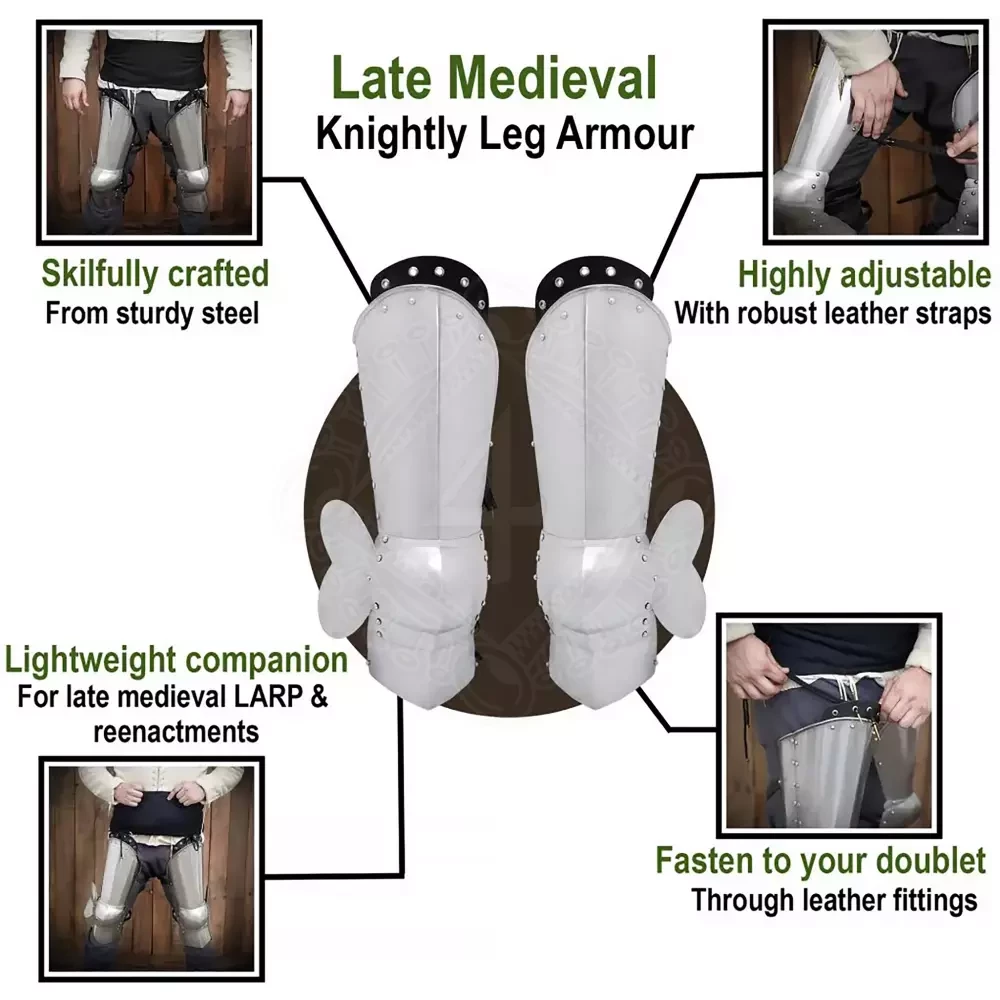

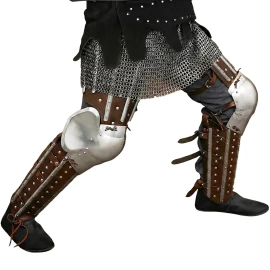
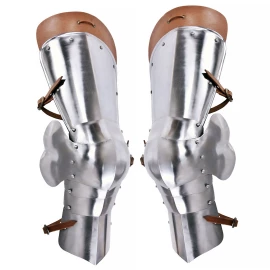
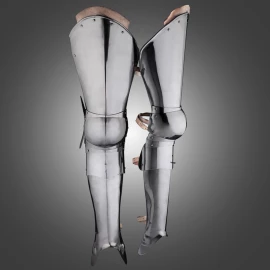
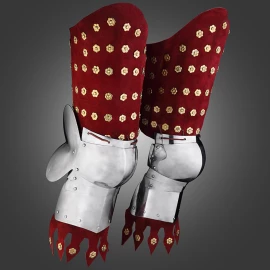
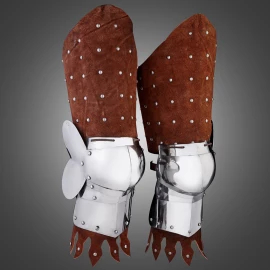
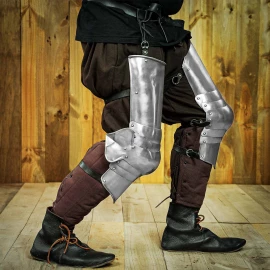
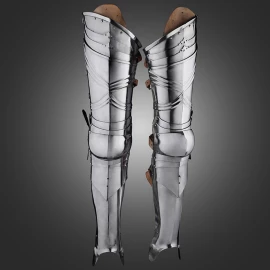
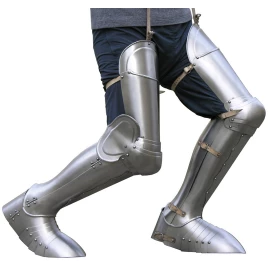
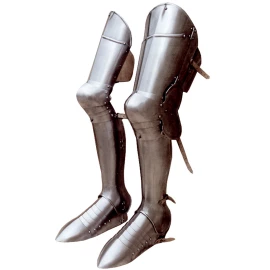
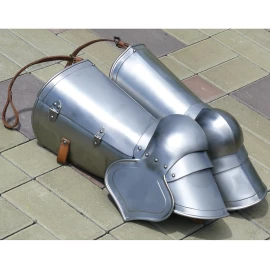
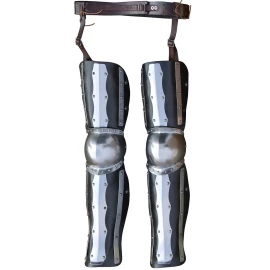
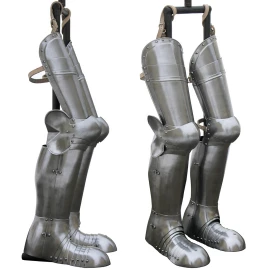
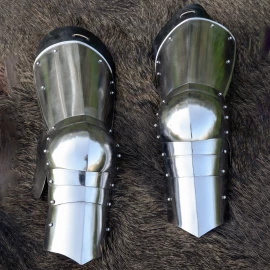
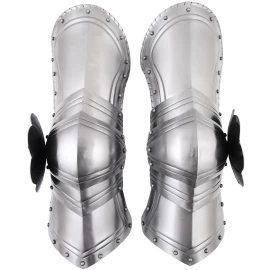
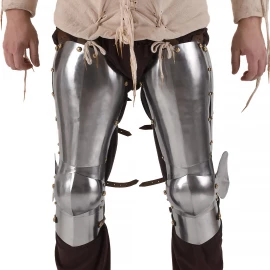
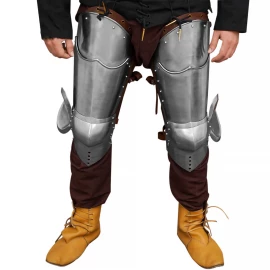
Do you want to keep your legs safe on the battlefield without sacrificing mobility? With these steel leg guards, you get both (provided you wear the right hose underneath). This set is designed based on patterns from the 14th and 15th centuries, when knightly cavalry dominated, but foot soldiers also needed solid protection. These are so-called three-quarter legs, protecting the thigh, knee, and upper shin, representing an ideal compromise between protection and agility. Made of 1.6 mm (16 gauge) steel, they can withstand tougher treatment during historical fencing or LARP. Further product information ...

Late Medieval Plate Legs – The Infantryman
Construction for Movement and Defense
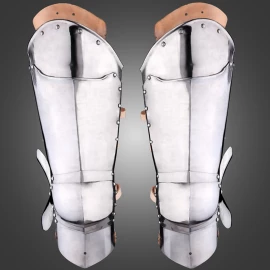
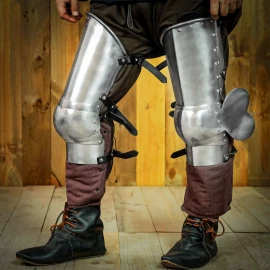
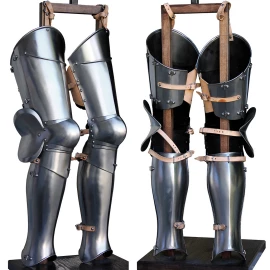
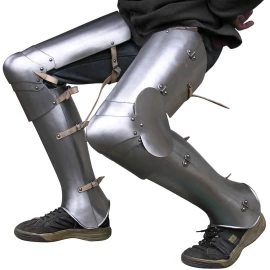
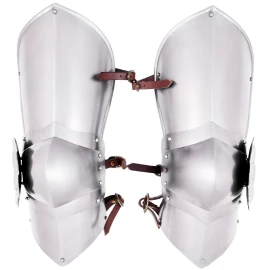
The armour consists of three main parts that are articulated (riveted for movement): * Thigh Plate (Cuisse): Shaped to cover the front and side of the thigh. * Poleyn with Wings: Massive knee protection equipped with wide side fans (wings). These aren't just decoration – they protect the sensitive ligaments in the knee from side strikes, a common target. * Upper Greave (Demi-greave): A short plate that seamlessly follows the knee and tucks into high boots or combines with separate shin guards.
How Does It Stay On?
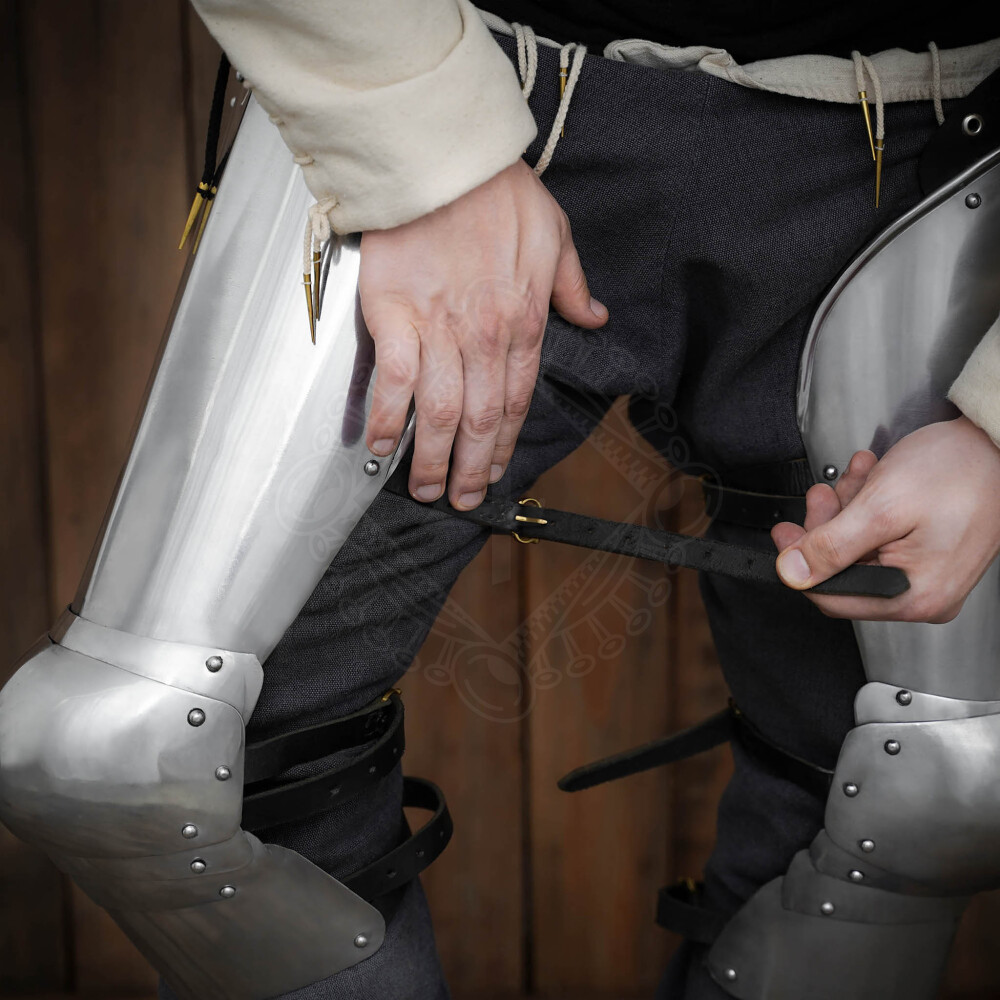
To ensure the armour doesn't slip, it features a thoughtful fastening system: * Leather Straps: Three pairs of robust genuine leather straps with brass buckles wrap around the leg at the thigh, below the knee, and around the calf. * Lacing (Pointing): The upper leather tab of the thigh plate has holes for tying (pointing) the armour to a belt (arming belt) or a doublet (pourpoint). This point is crucial – without being tied to a belt/garment, the leg armour will slide down!
Historical Context
This type of leg protection was common among men-at-arms during the Hundred Years' War and the Hussite Wars. While full leg armour covered the limb all the way down, this "lighter" version was popular for its practicality – it allowed for easier walking and was cheaper to produce, yet protected the most vulnerable areas.
Product Parameters
| Material | Mild Steel |
| Material Thickness | approx. 1.6 mm (16 Gauge) |
| Total Length | approx. 56.5 cm (22.2 in) |
| Width (Thigh) | approx. 20 cm (7.9 in) - curved measurement |
| Width (Calf) | approx. 15 cm (5.9 in) |
| Weight (Pair) | approx. 2380 g (5.25 lbs) |
| Finish | Polished |
| Fastening | Leather straps, brass buckles |
Care and Maintenance
Steel requires care to prevent rust.
- Wipe the armour dry and oil it (WD40, Ballistol) after every use.
- Treat leather parts with leather conditioner to prevent hardening and cracking.
- Store in a dry place.
Important Warning
This leg armour is made of 1.6 mm mild steel. It is suitable for historical fencing (re-enactment) and stage combat. For maximum comfort and protection against chafing, we strongly recommend wearing padded chausses (gambeson legs) underneath. The armour is not certified for full-contact sports like Buhurt.
We are here for you!