 Čeština
 Deutsch


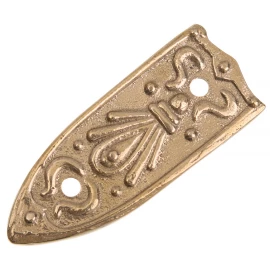
Viking Belt Chape in Jelling Style, Solid Brass - Outlet
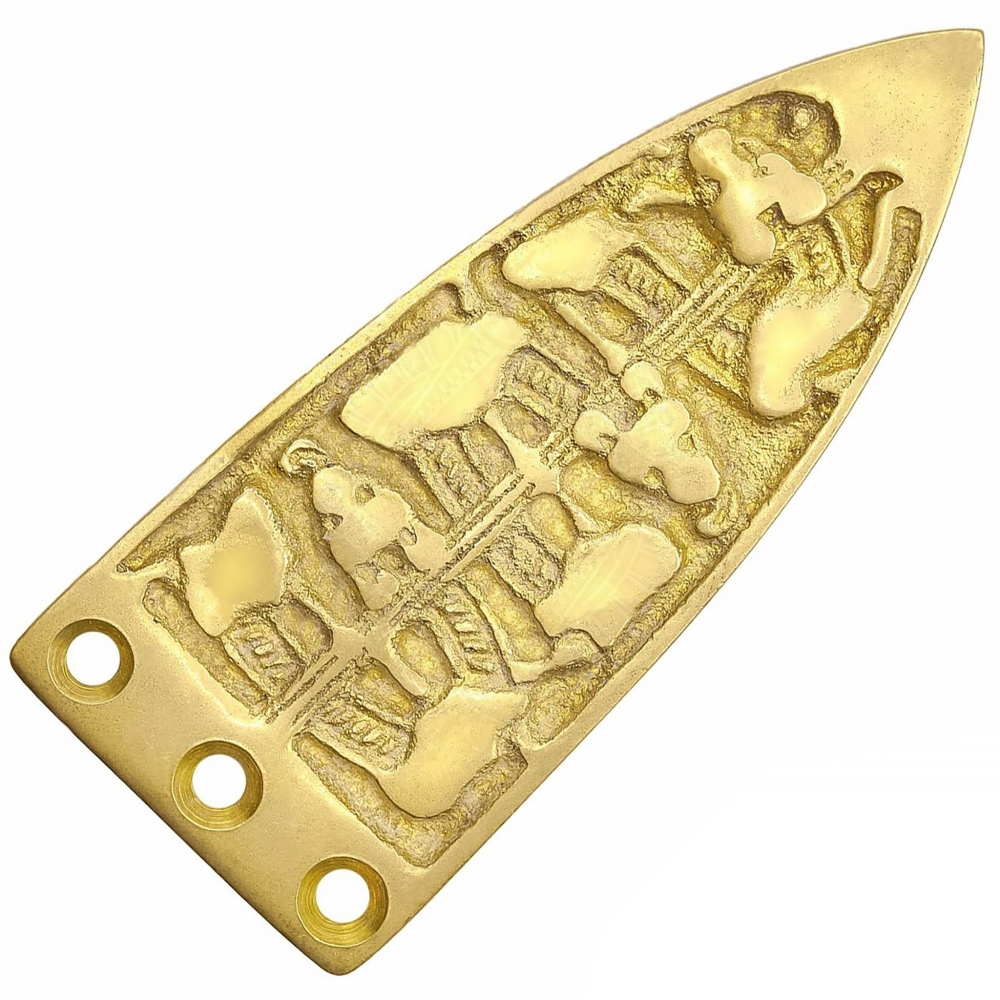
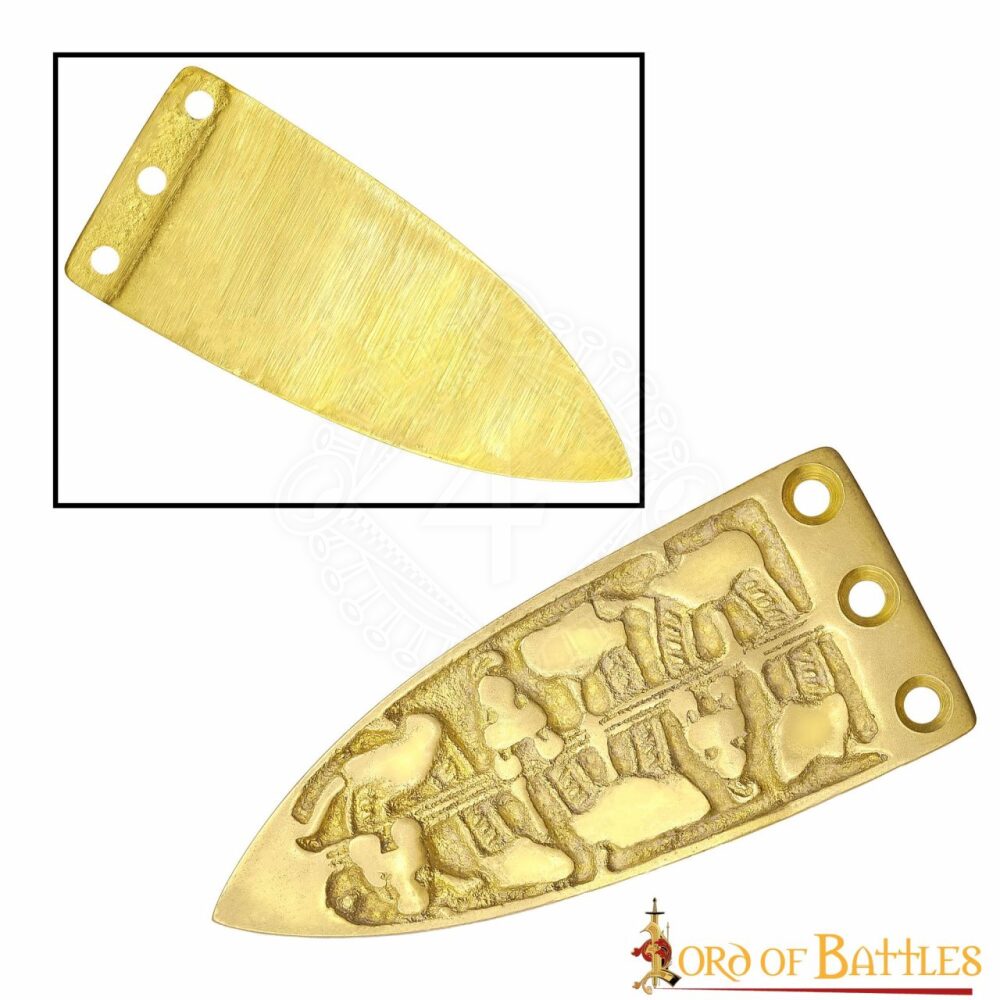
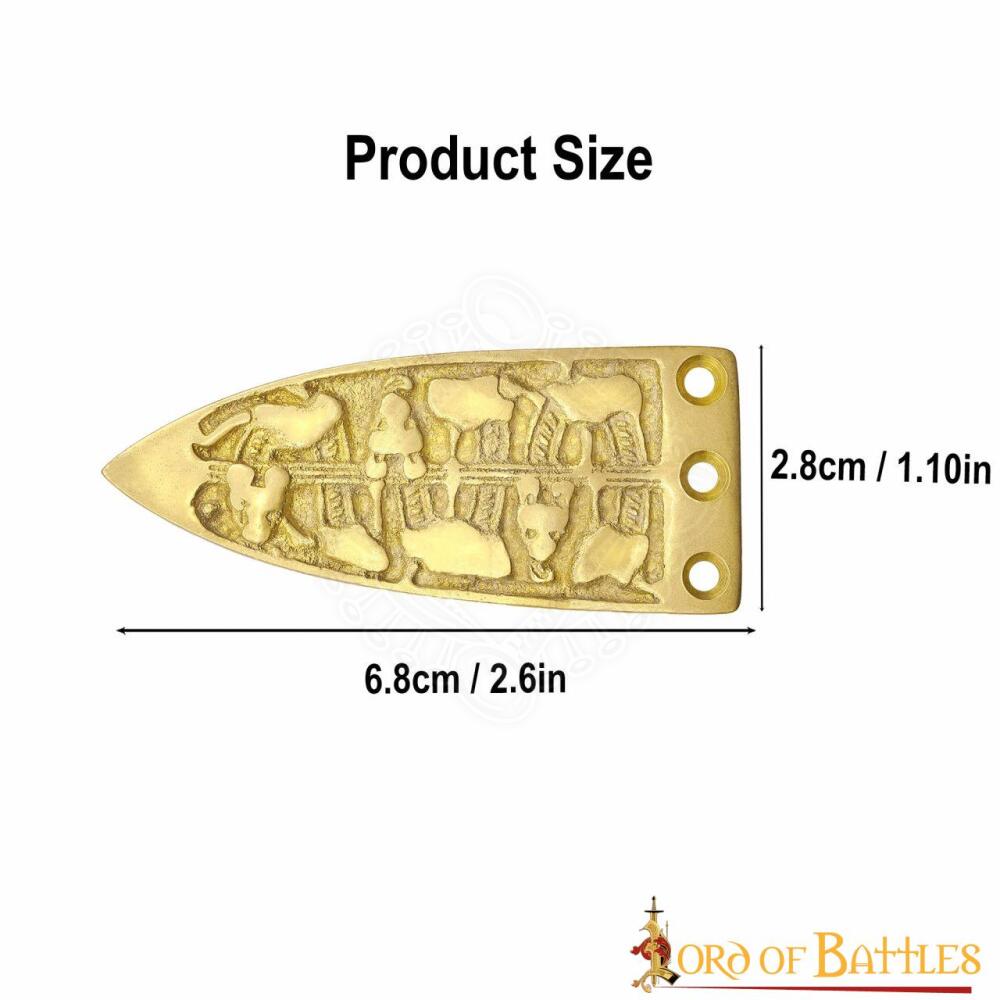
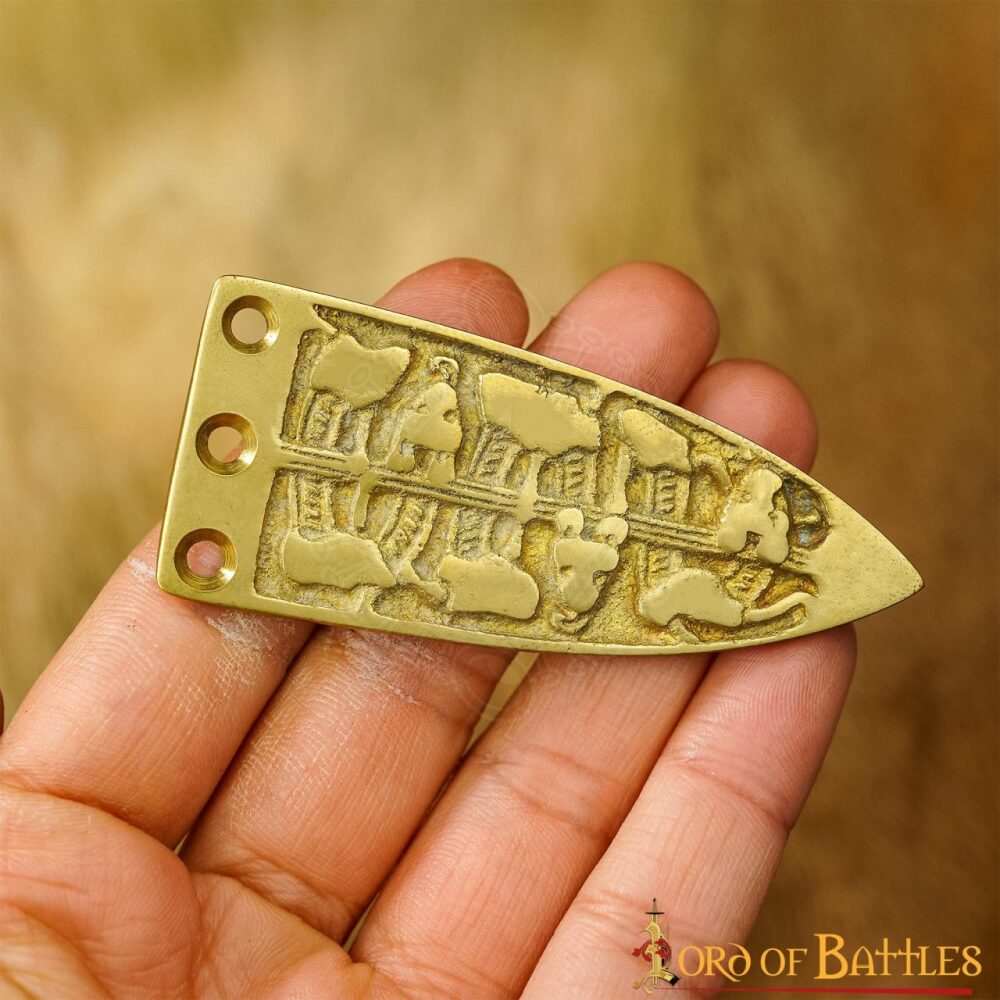
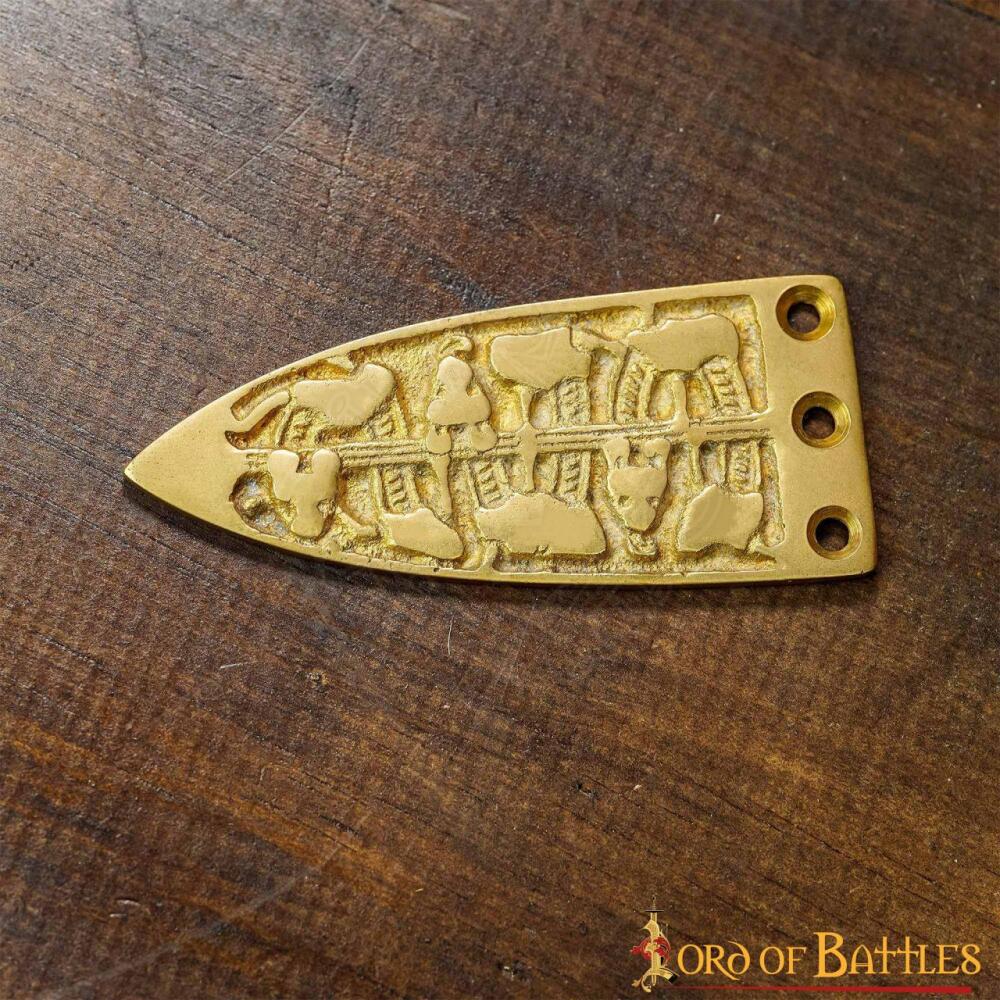
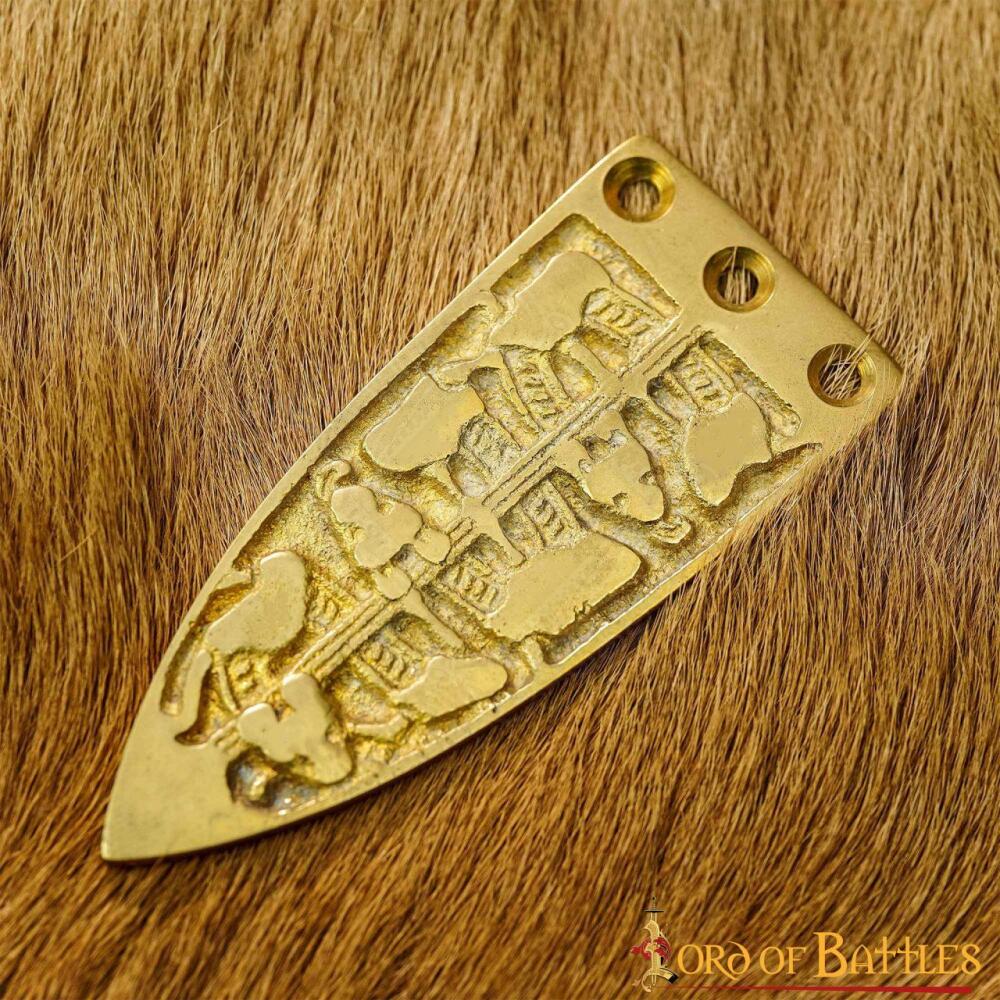
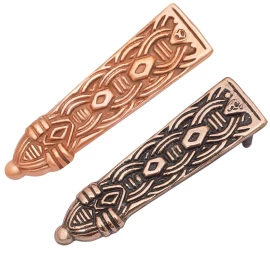
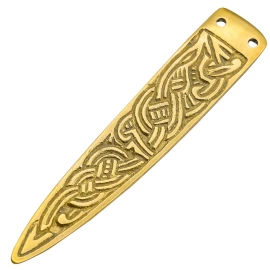
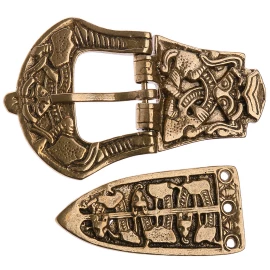
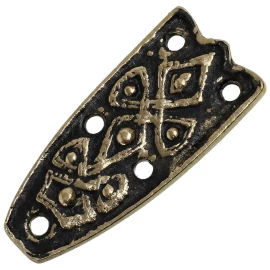
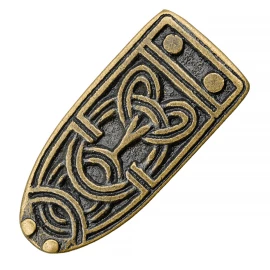
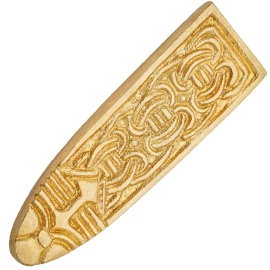
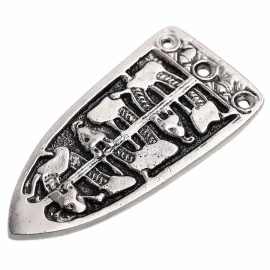
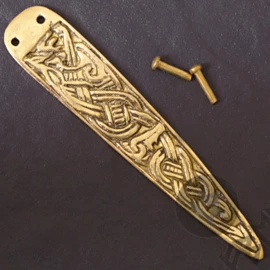
Give your Viking belt the perfect finishing touch with this magnificent chape, crafted from solid brass. Its design faithfully replicates the 10th-century Jelling art style, renowned for its intertwined serpentine and animal motifs. This belt end is not just a practical accessory that protects the end of your strap from fraying; it is a statement piece that elevates the authenticity of your historical costume for reenactment, LARP, or festivals. Further product information ...

Viking Belt Chape in Jelling Style, Solid Brass
An Authentic Accessory for Every Warrior
This belt chape is precisely cast from pure, solid brass, giving it a premium weight and a noble appearance. The detailed relief depicts stylized animals whose bodies intertwine in the characteristic Norse artistic fashion. This is no cheap trinket, but a solid piece of metal that will give your belt a professional and period-accurate look. It is precisely the kind of detail that separates a beginner's costume from a true connoisseur's kit.
The Art and Symbolism of the Jelling Style
The Jelling art style, named after the royal finds in Jelling, Denmark, dominated Scandinavian art from approximately 880 to 1000 AD. It is characterized by the depiction of ribbon-like, intertwined animals—often serpents or dragons—with distinctively profiled bodies, almond-shaped eyes, and elongated limbs. This style adorned not only metal objects like jewelry and belt fittings but also monumental runestones.
A Taste of History
The most famous monument of the Jelling style is the larger of the two Jelling Stones, raised by King Harald Bluetooth around 965 AD. Often called "Denmark's birth certificate," this stone famously depicts a great beast battling a serpent on one side, and the oldest depiction of a crucified Christ in Scandinavia on the other. The stone thus symbolically documents the transition of Viking-age Denmark from paganism to Christianity.
How to Mount and Care for Your Chape
Mounting the Chape
Attaching the belt end is straightforward. Taper the end of your leather belt to match the chape's shape. Then, punch or drill holes in the leather that correspond to the three holes on the chape. Finally, fasten the chape securely using rivets. Please note: rivets are not included.
Caring for Your Chape
As this chape is made from solid brass, it will naturally develop a darker patina over time and with exposure to the elements. Many history enthusiasts prefer this authentic, aged look. If you wish to maintain its original shine, simply polish it from time to time with a soft cloth and a standard brass cleaner. To slow the patination process, keep it dry.
Specifications
| Parameter | Value |
|---|---|
| Material | Solid Brass |
| Style | Jelling |
| Period | c. 880-1000 AD |
| Overall Length | Approx. 6.8 cm / 2.6 inches |
| Width | Approx. 2.8 cm / 1.1 inches |
| For Belt Widths up to | 3.1 cm / 1.2 inches |
| Attachment | 3 holes for rivets (not included) |
We are here for you!