
 Čeština
 Deutsch


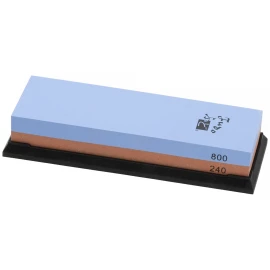
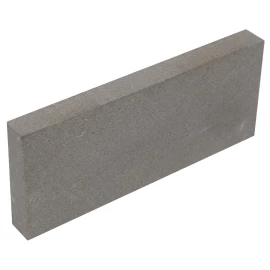
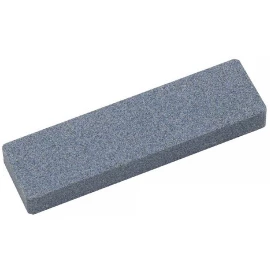
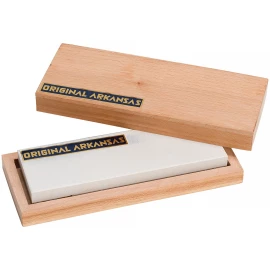
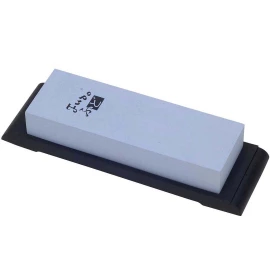
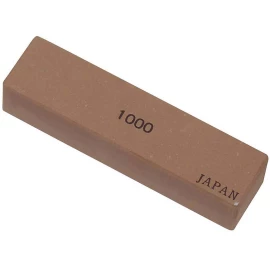
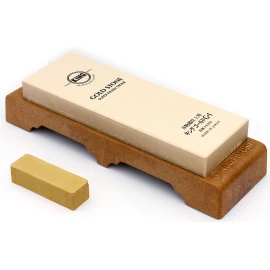
Sharpening Stone 240 Grit
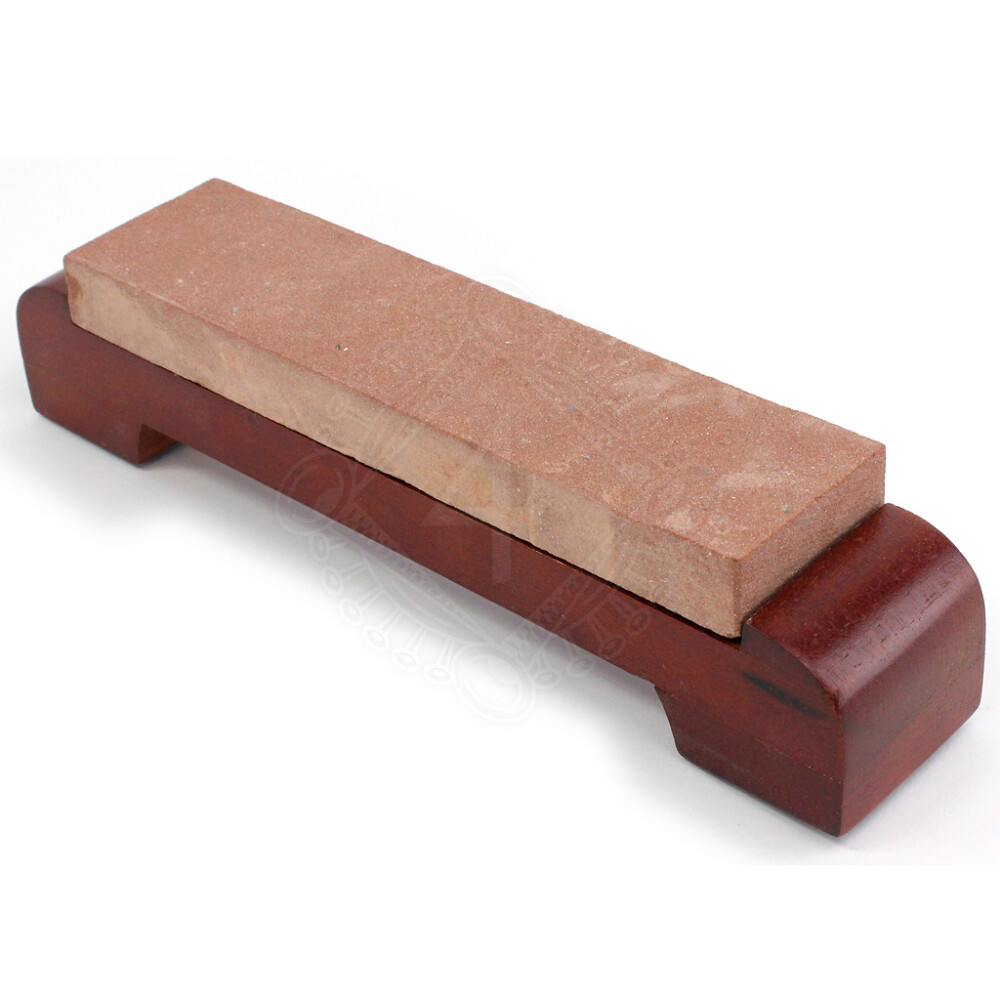
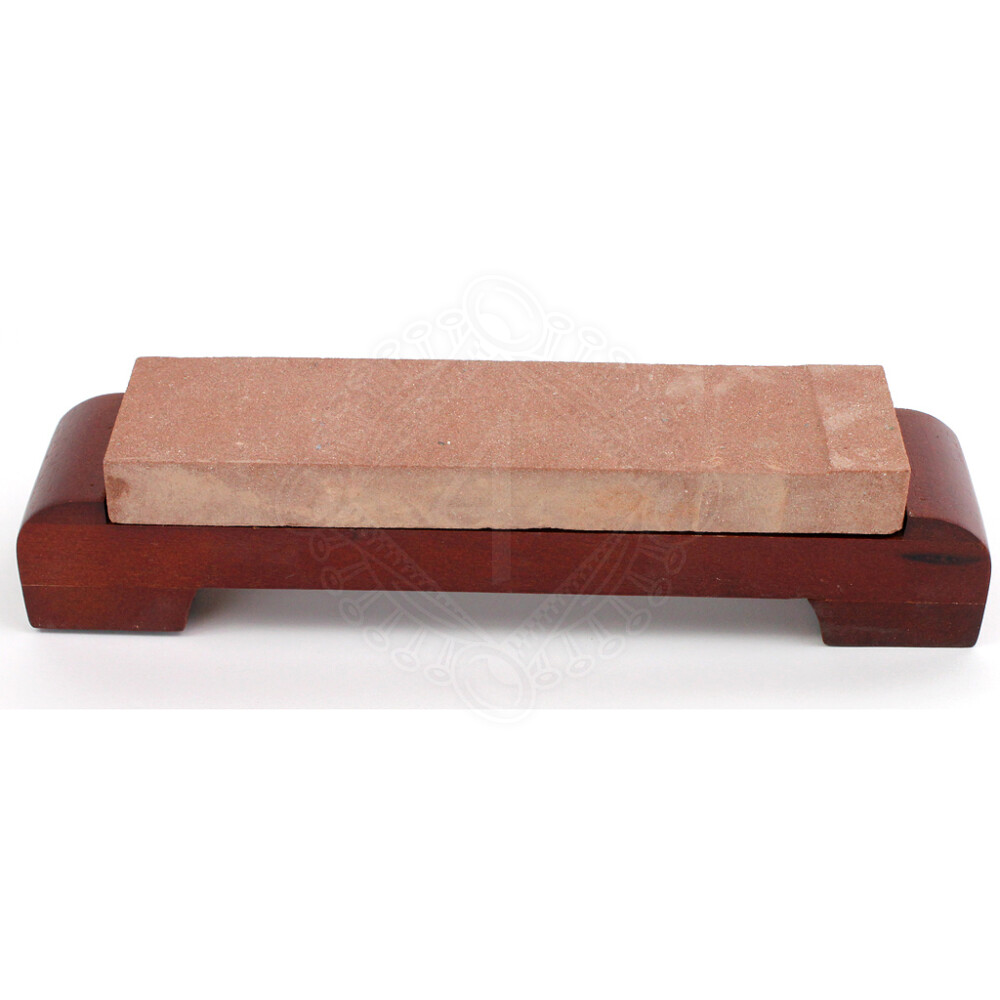
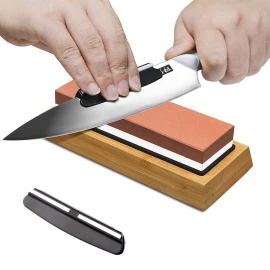
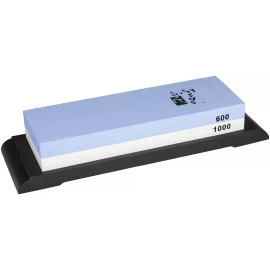
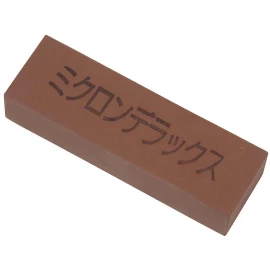
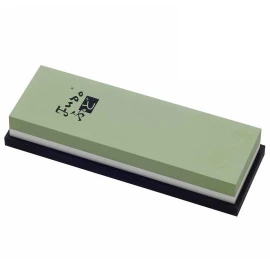
Sharpening knives is not rocket science, provided you know how to do it and have the right tools. This traditional 240-grit whetstone is the ideal choice for any swordsman, hunter, or craftsman who needs to prepare their tools for demanding tasks. The sharpening stone is set in an elegant dark wooden base, which is not only aesthetically pleasing but primarily ensures stability during work and protects your workbench from unwanted scratches. With its medium-coarse profile, this stone is perfect for basic sharpening of duller edges and creating a precise bevel before moving on to fine polishing. Further product information ...

Would you like to be notified as soon as the item is in stock?
You will receive a short e-mail as soon as we have it back in stock.
Sandstone Monolith: Traditional Sharpening Stone 240 Grit on Wooden Base
Technical Specifications and Features
This sharpening tool is designed to give you maximum control over angle and pressure throughout the sharpening process.
| Parameter | Value |
|---|---|
| Total length | approx. 200 mm (approx. 7.87") |
| Stone width | approx. 50 mm (approx. 1.97") |
| Stone thickness | approx. 20 mm (approx. 0.79") |
| Base material | Lacquered wood |
| Grit | 240 (medium-coarse) |
Guide to Proper Sharpening
For best results, always use water. Before use, submerge the sharpening stone in water for at least 5 minutes until bubbles stop rising. Water acts as a lubricant and washes away loosened steel and abrasive particles, preventing the stone from "clogging."
Avoid cheap mechanical pull-through sharpeners with discs. These can locally overheat the blade, causing the steel to temper (lose its hardness), and they do not allow you to choose the correct angle. With this flat stone, you have the freedom to set the angle precisely according to your tool type:
- Filleting and kitchen knives: 15–20° (very fine edge)
- Hunting and outdoor knives: 25–28° (durable edge)
- Chisels and woodworking tools: 35–40°
Procedure: Place the blade on the stone at the desired angle. Pull the knife with the edge towards you and slightly to the side, as if you wanted to cut a wafer-thin slice off the stone. Ensure the movement is smooth and the angle remains constant. Alternate sides regularly to create a perfectly symmetrical edge.
Historical Insight and Trivia
Historically, sharpening swords and knives was considered a key skill for every warrior. In the Middle Ages, natural sandstones and slates were primarily used for this purpose. Interestingly, famous Japanese sword polishers used a variety of natural stones of different grits, and the process of sharpening a single katana could take dozens of hours. A high-quality sharpening stone was valued in the field as much as the weapon itself, as a blunt sword in battle was more like a heavy club than a cutting tool.
Care and Safety
To ensure the stone serves you for many years, follow these rules:
- After each use, rinse the stone with clean water and let it dry naturally in the air.
- Never expose the whetstone to extreme temperatures (e.g., drying on a radiator), as the stone or wooden base may crack.
- Be extremely careful when sharpening to prevent your fingers from slipping onto the knife edge.
- You can occasionally treat the wooden base with a bit of linseed oil to maintain its luster and moisture resistance.
To go with this sharpener, we recommend purchasing a finer grit stone for final polishing and a bottle of blade oil to protect your freshly sharpened knife from corrosion.
We are here for you!






.3773623034.1696456237.png.webp)

.3773623034.1696456268.png.webp)
.3773623034.1696456247.png.webp)