
 Čeština
 Deutsch


Set of 5 Bronze Ball Buttons – Late Medieval - Outlet
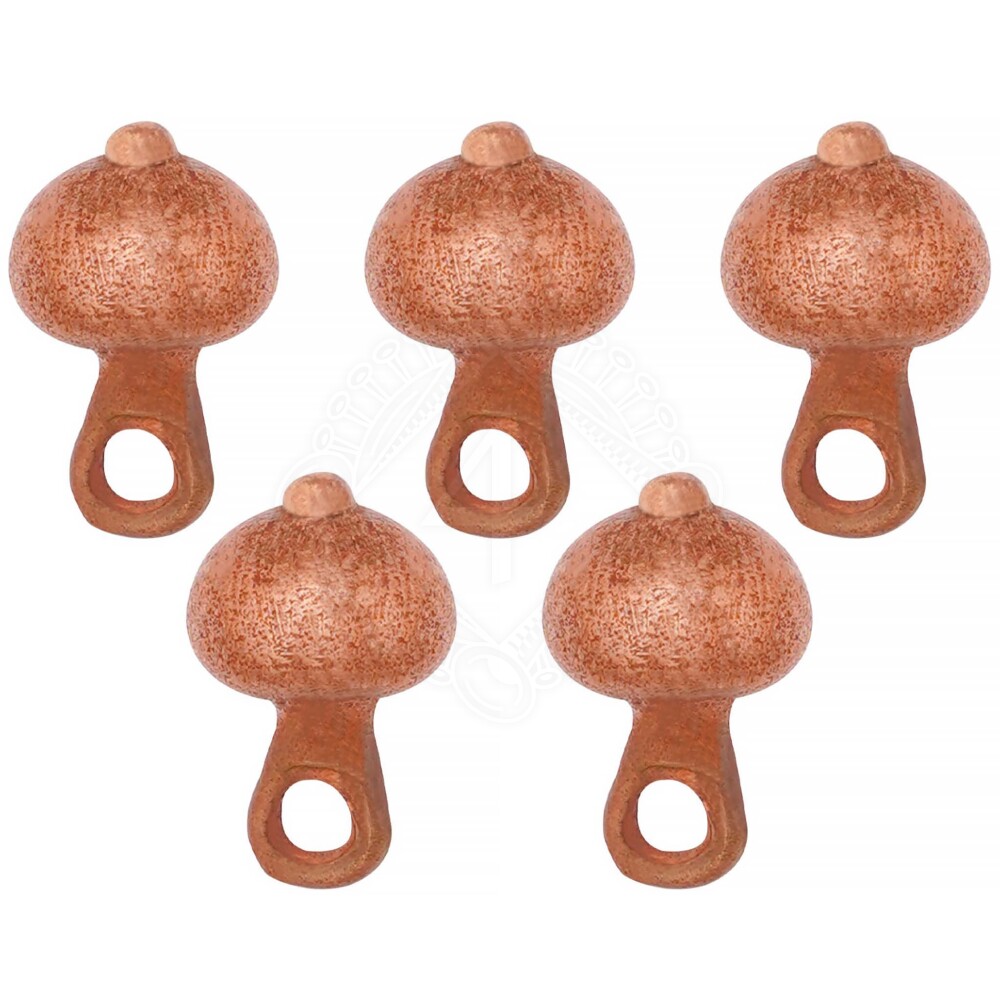

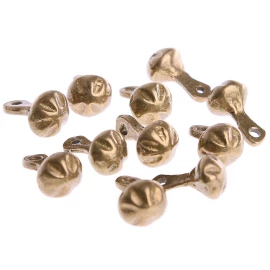
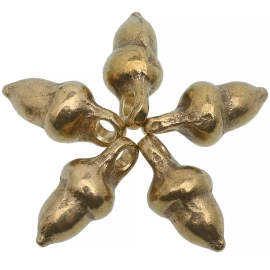
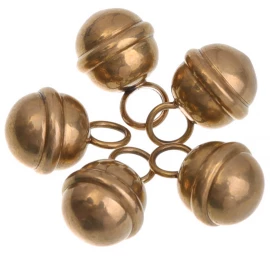
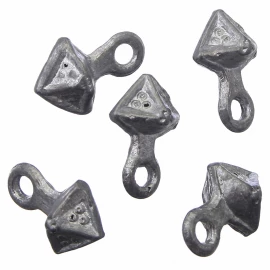
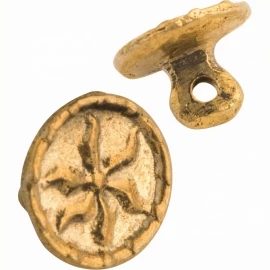
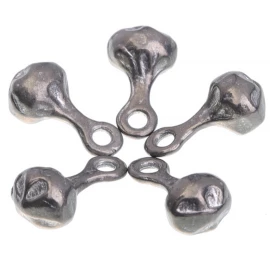
They say the devil is in the details. In historical re-enactment, this is doubly true. We often see beautifully hand-stitched costumes ruined by the use of modern wood or plastic buttons. If you want to take your authentic look to the next level, this set of five late medieval cast bronze buttons is exactly what you need. They are robust, feature a beautiful texture, and their shape makes them easy to fasten even on thick fabrics. Further product information ...

 Delivery options
Set of 5 Bronze Ball Buttons – Late Medieval | Lost Wax Casting
The Button Revolution
What seems ordinary to us today was a revolutionary invention in its time. In the 14th century, the widespread adoption of buttons allowed for a dramatic change in silhouette. Clothes began to fit tightly, following the contours of the body. Iconic garments such as the doublet, pourpoint, cotehardie, or tight-fitting sleeves would have been impossible to wear without rows of small, sturdy buttons. These replicas are perfect for the 14th and 15th centuries, a time when buttons evolved from mere decoration into a functional necessity.
Craftsmanship and Design
Each button in this set is made using the ancient lost wax casting method. This technique ensures that the button is not just a pressed piece of sheet metal, but a solid piece of bronze with a unique, slightly rough surface structure that looks incredibly historical. The spherical shape, reminiscent of an acorn or mushroom cap, features a sturdy shank with an eyelet on the bottom for attachment.
Specifications
| Material | Cast Bronze |
| Production Method | Lost Wax Casting |
| Head Diameter | approx. 12 mm (0.47 in) |
| Overall Height | approx. 16 mm (0.63 in) |
| Quantity | Set of 5 pieces |
| Attachment Type | Shank (eyelet) |
Usage Guide: How to Attach Properly
Shank buttons offer a significant advantage over flat buttons: they provide space for the buttonhole layer of the fabric to sit neatly underneath the button head. To ensure you don't lose them on the battlefield or during a dance:
- Use strong linen thread, ideally waxed.
- Loop the thread through the shank multiple times, but do not pull it completely tight against the fabric; allow the button some "wiggle room" for easier fastening.
- If sewing onto leather or a padded jack (gambeson), we recommend reinforcing the back of the fabric with a small piece of leather or canvas to prevent the thread from pulling through.
Care Instructions
Bronze naturally oxidizes over time and develops a patina. This is a desirable effect for historical costumes. However, if green verdigris appears, wipe it off with a dry cloth to prevent it from staining your clothes. Warning: Do not machine wash garments with these buttons attached! The heavy solid metal could damage the washing machine drum or tear the fabric. Hand wash or spot clean only.
We are here for you!





.3773623034.1696456237.png.webp)

.3773623034.1696456268.png.webp)
.3773623034.1696456247.png.webp)