
 Čeština
 Deutsch


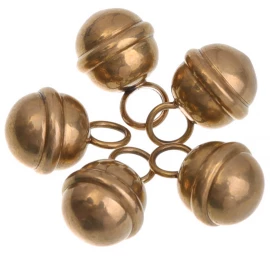
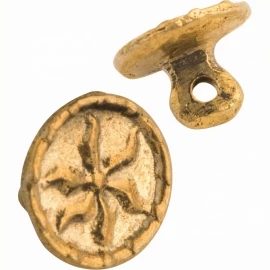
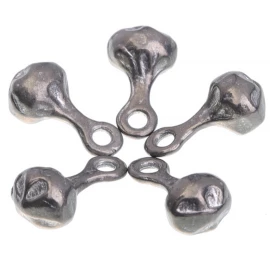
Medieval Globular Buttons 14x9mm, Bronze, Set of 5 - Outlet
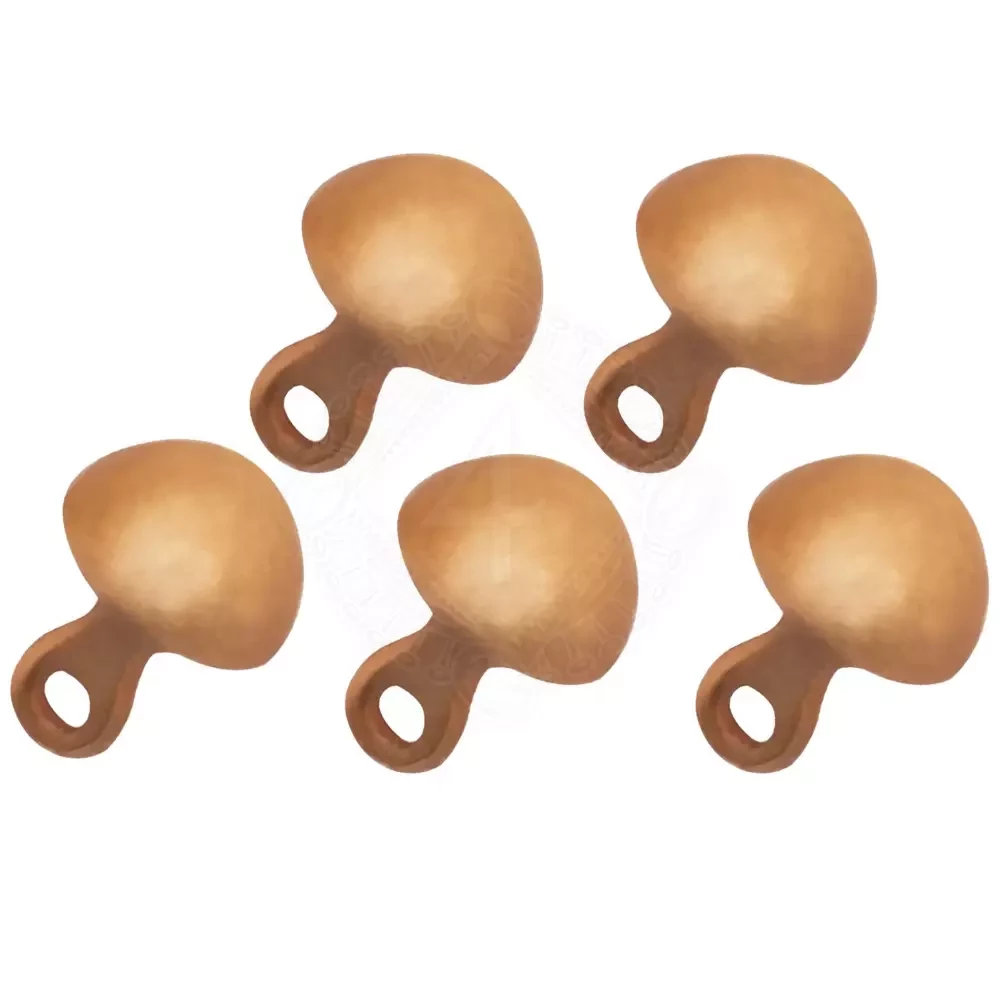
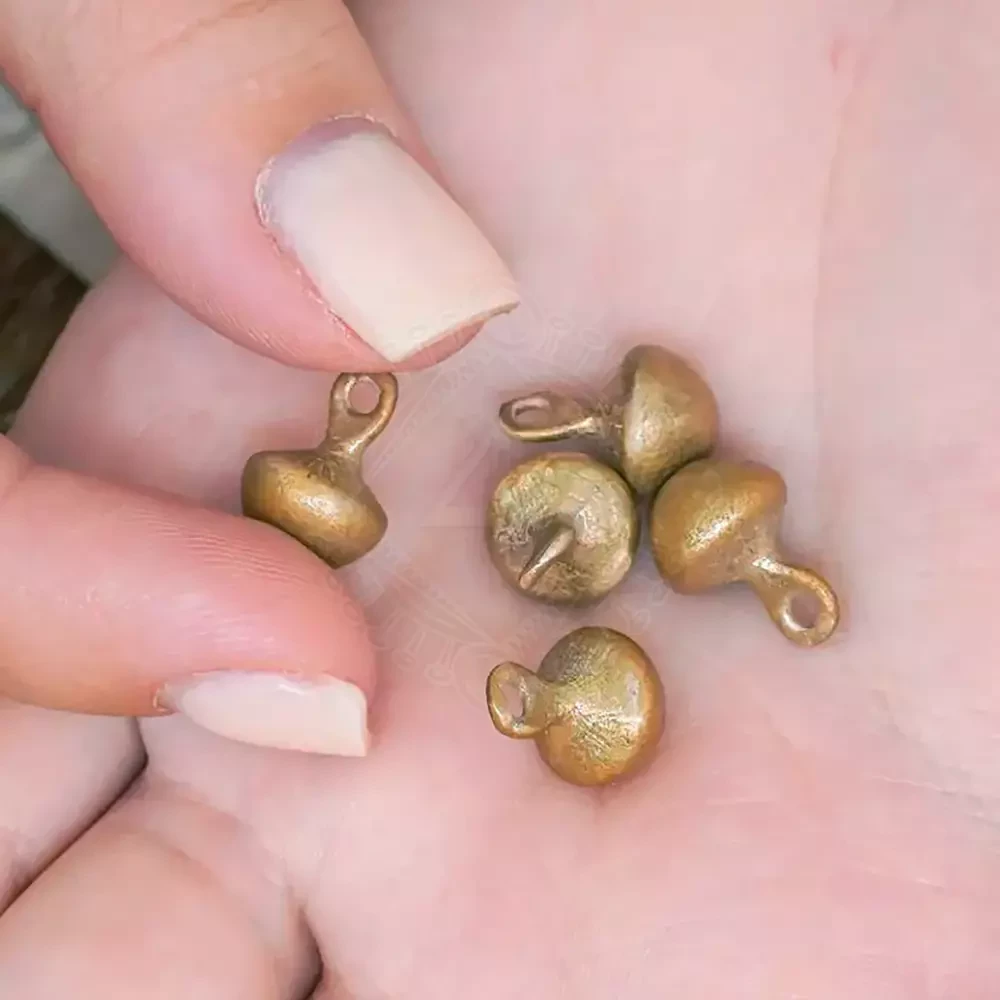
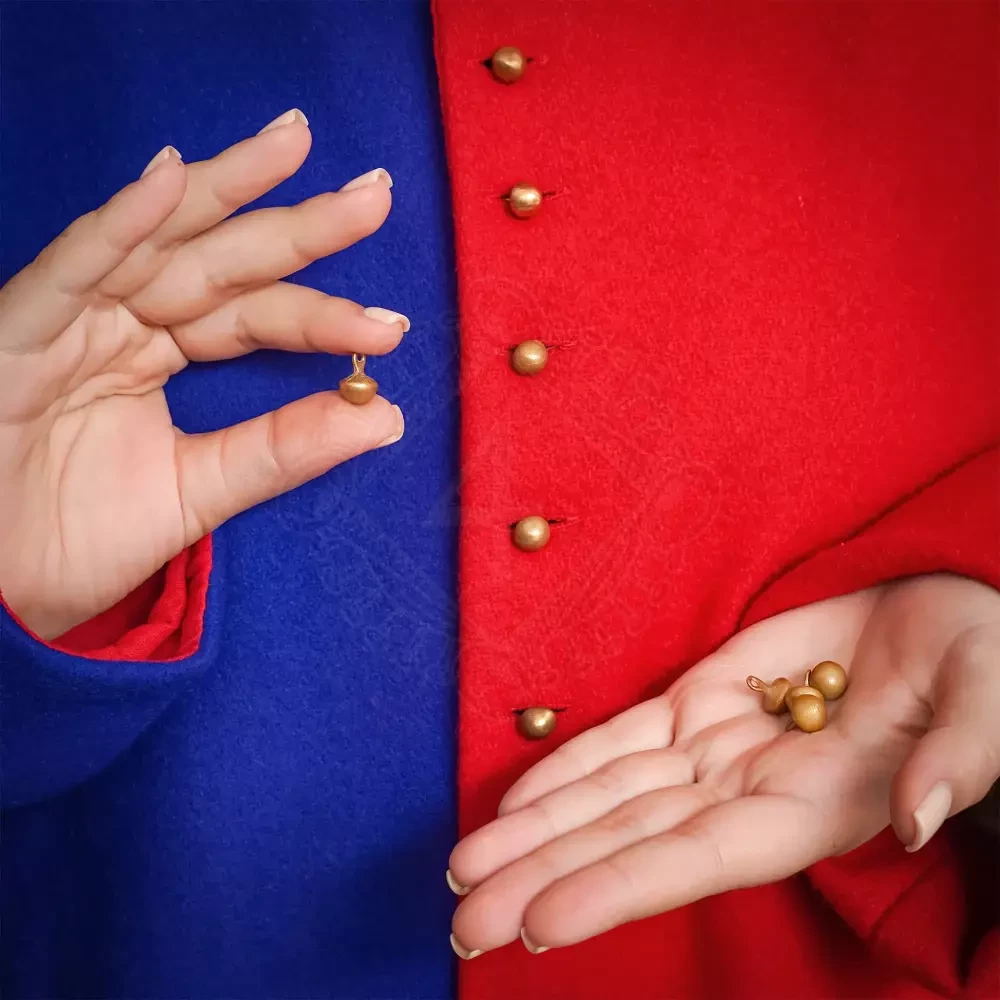
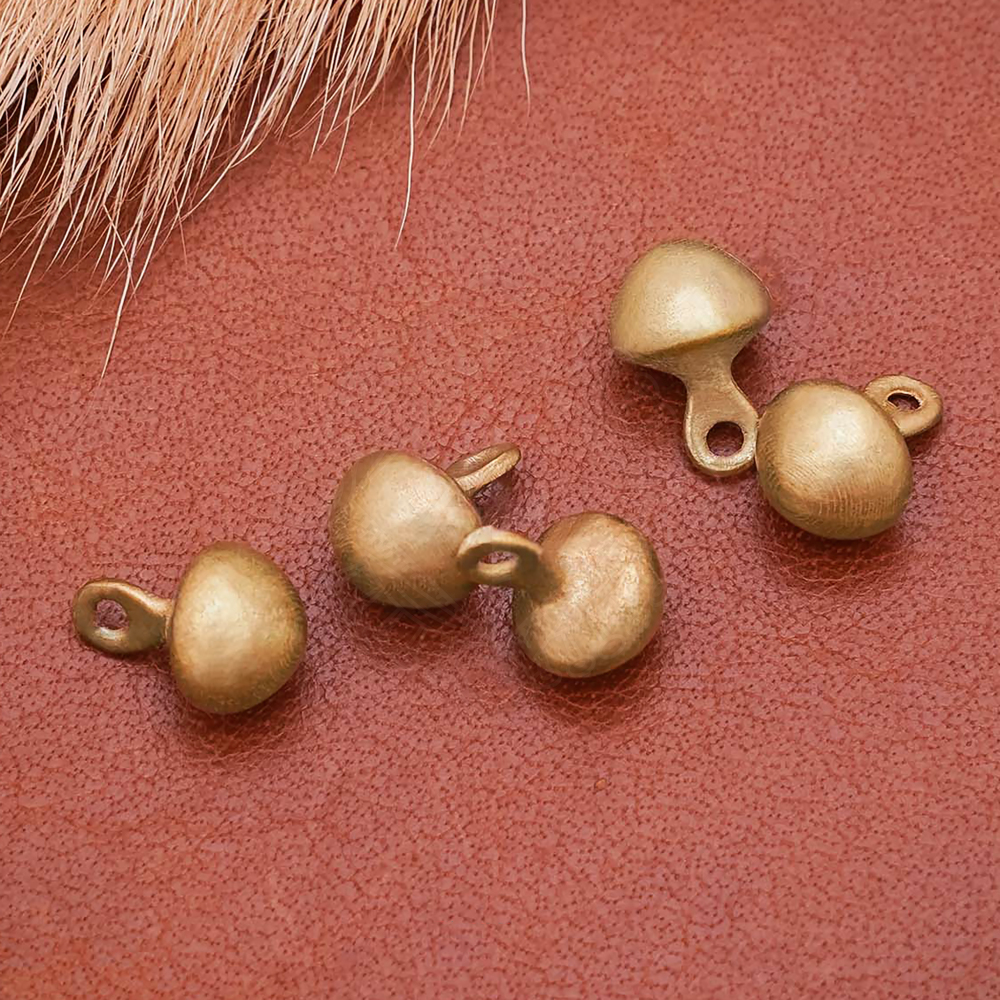
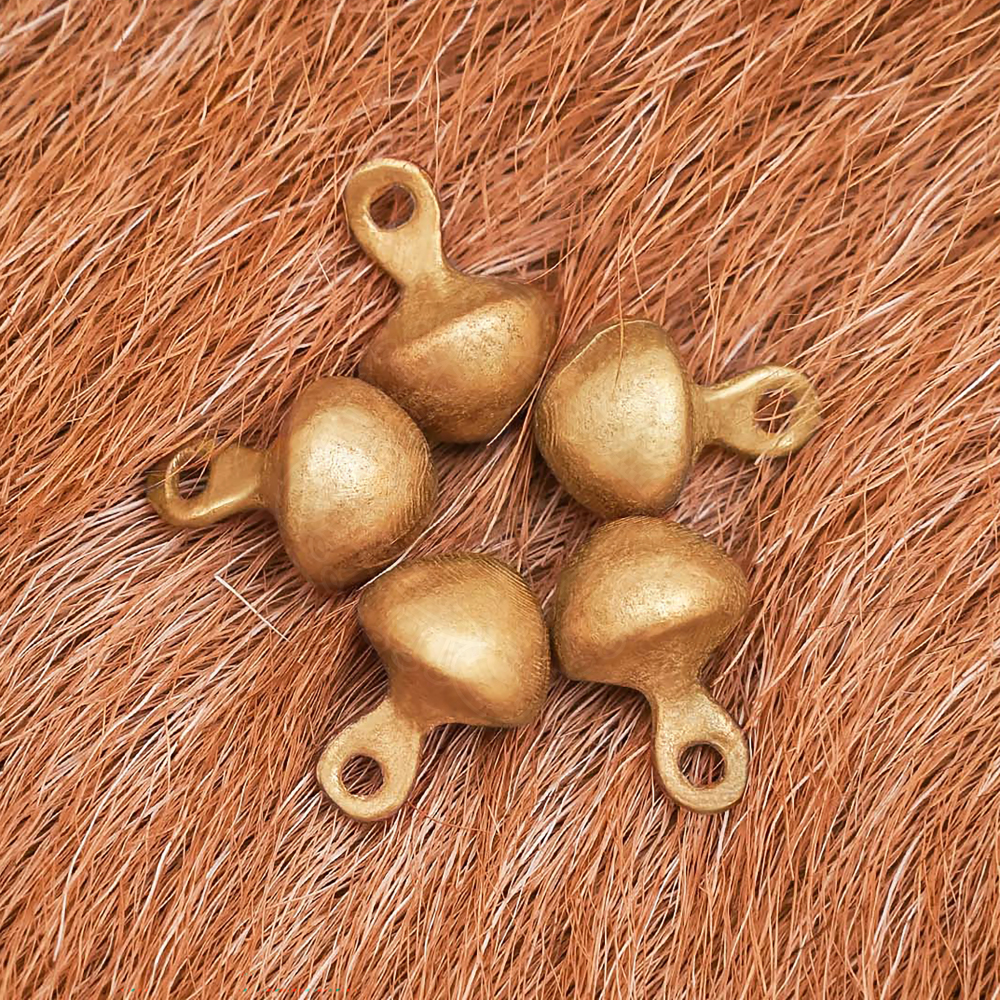

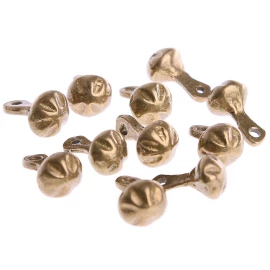
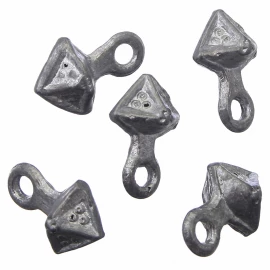
Complete your historical garment with a detail that enhances its authenticity. This set of five globular-shaped bronze buttons is the perfect choice for period doublets, tunics, shirts, or women's gowns. Each button is precisely cast from solid bronze using the traditional lost-wax method, which guarantees perfect details and high durability. Their simple yet elegant design corresponds to finds from the High and Late Middle Ages. Whether you are an experienced re-enactor or simply appreciate quality accessories, these buttons will give your costume the right historical character and a touch of luxury. Further product information ...

 Delivery options
The following variants are currently available:
Medieval Globular Buttons 14x9mm, Bronze, Set of 5
The Detail that Defines the Whole
In medieval fashion, buttons were not just functional items but often a symbol of wealth and social status. Long rows of tiny buttons on sleeves or down the front of a garment were a sign of luxury. With this set, you can easily upgrade your clothing and elevate it to the next level. Thanks to the practical shank on the back, sewing them on is quick and easy.
How to Attach Them?
Sewing these buttons on is simple. We recommend using a strong thread, ideally linen or silk, which is not only period-correct but also very durable. Pass the thread through the shank on the back of the button and sew it firmly to the fabric with several stitches to ensure it holds securely even with frequent use.
Buttons as a Status Symbol
While earlier garments were fastened with brooches and pins, the 14th and 15th centuries saw a huge boom in the use of buttons. With the advent of more fitted clothing, such as men's doublets, they became a necessity. Wealthy burghers and nobility could afford garments decorated with dozens, sometimes even hundreds, of buttons made from precious metals, flaunting their wealth. This simple globular shape was one of the most widespread and popular across Europe.
Precision Through the Art of Ancient Masters
Each button is crafted using the ancient technique of lost-wax casting (cire perdue). This method, thousands of years old, allows for the creation of even the finest details. A wax model is used to create a mould, into which molten bronze is then poured. The result is a precise and smooth casting with an authentic appearance, which is subsequently hand-finished.
Specifications
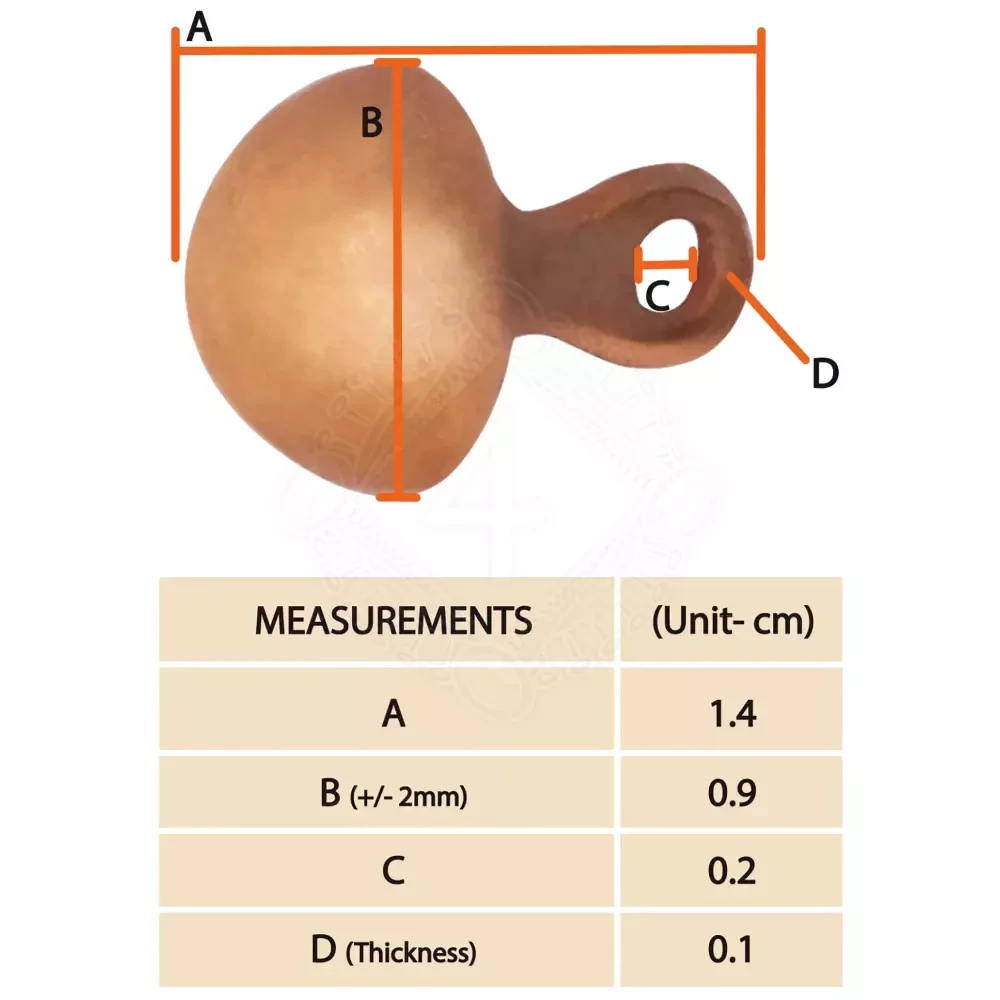
| Material | Solid Bronze |
| Manufacturing Method | Lost-wax casting |
| Overall Length (A) | approx. 14 mm |
| Head Diameter (B) | approx. 9 mm (± 2 mm) |
| Inner Eyelet Diameter (C) | approx. 2 mm |
| Eyelet Material Thickness (D) | approx. 1 mm |
| Weight per piece | approx. 3 g |
| Package Contents | 5 pieces of buttons |
Due to the handmade nature of the product, the dimensions and weight of individual pieces may vary slightly.
Caring for Bronze Accessories
Bronze is a virtually maintenance-free material that develops a natural patina over time, which is highly desirable for historical accessories. If you wish to maintain its original shine, simply polish it occasionally with a soft cloth and a metal polishing compound. We recommend washing garments with these buttons by hand or on a gentle cycle in the washing machine, ideally in a protective laundry bag, to prevent damage to the buttons or the machine's drum.
We are here for you!




.3773623034.1696456237.png.webp)

.3773623034.1696456268.png.webp)
.3773623034.1696456247.png.webp)