 Čeština
 Deutsch


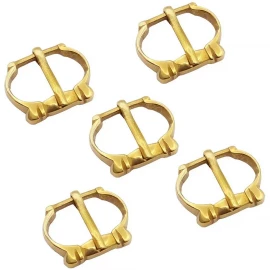
Set of 5: Stuart & Napoleonic Era Historical Buckles (20mm Replicas)
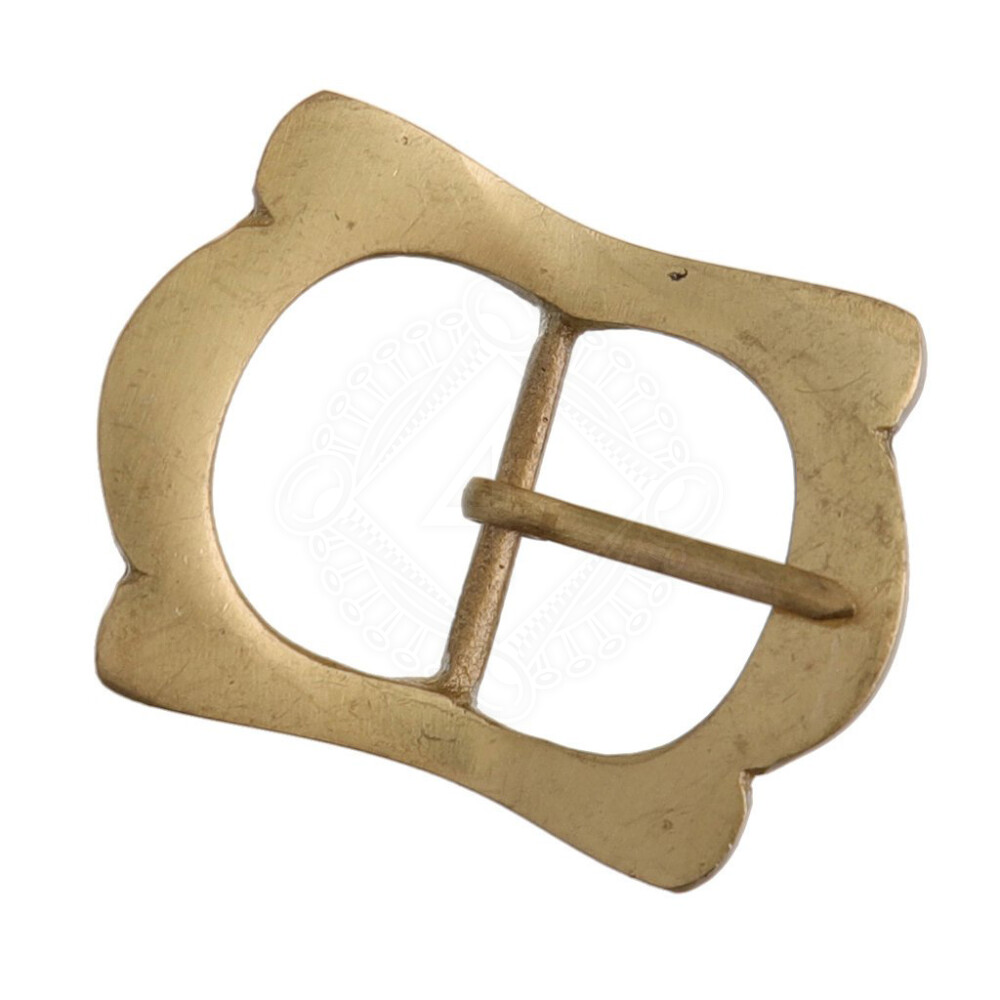
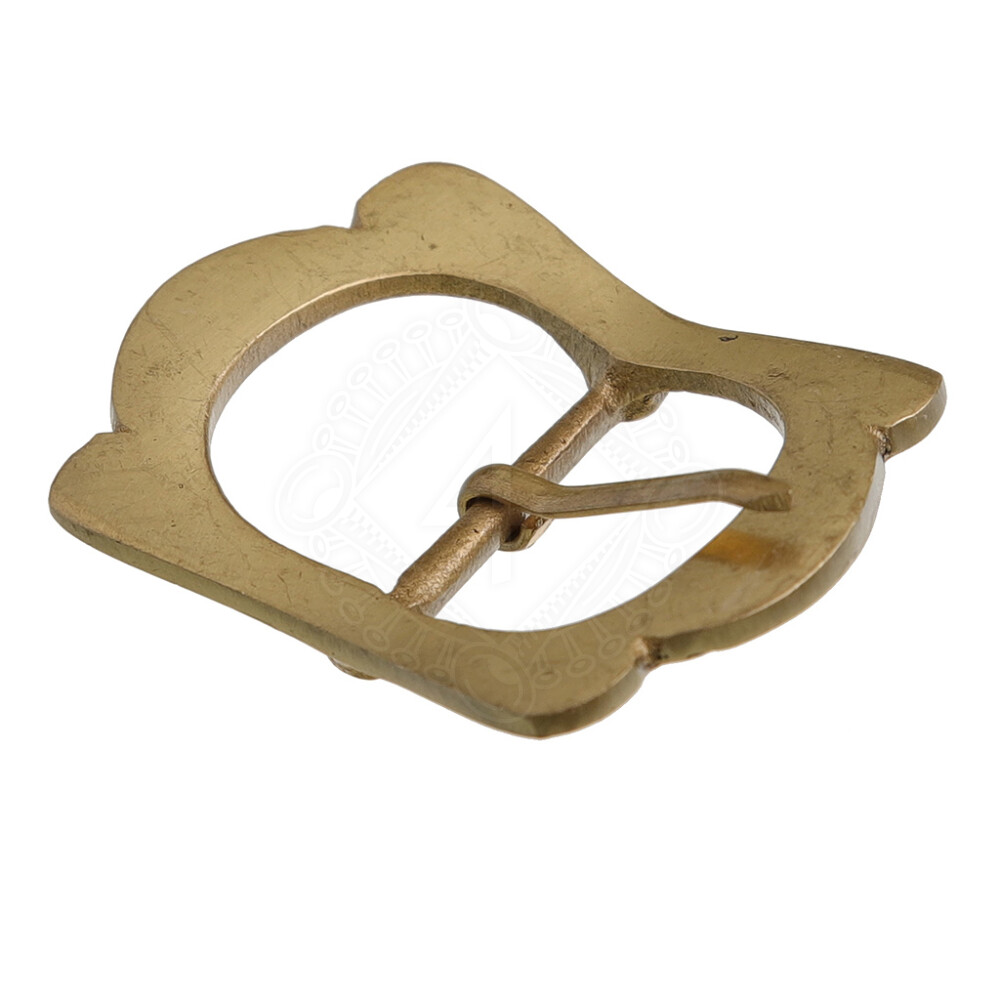
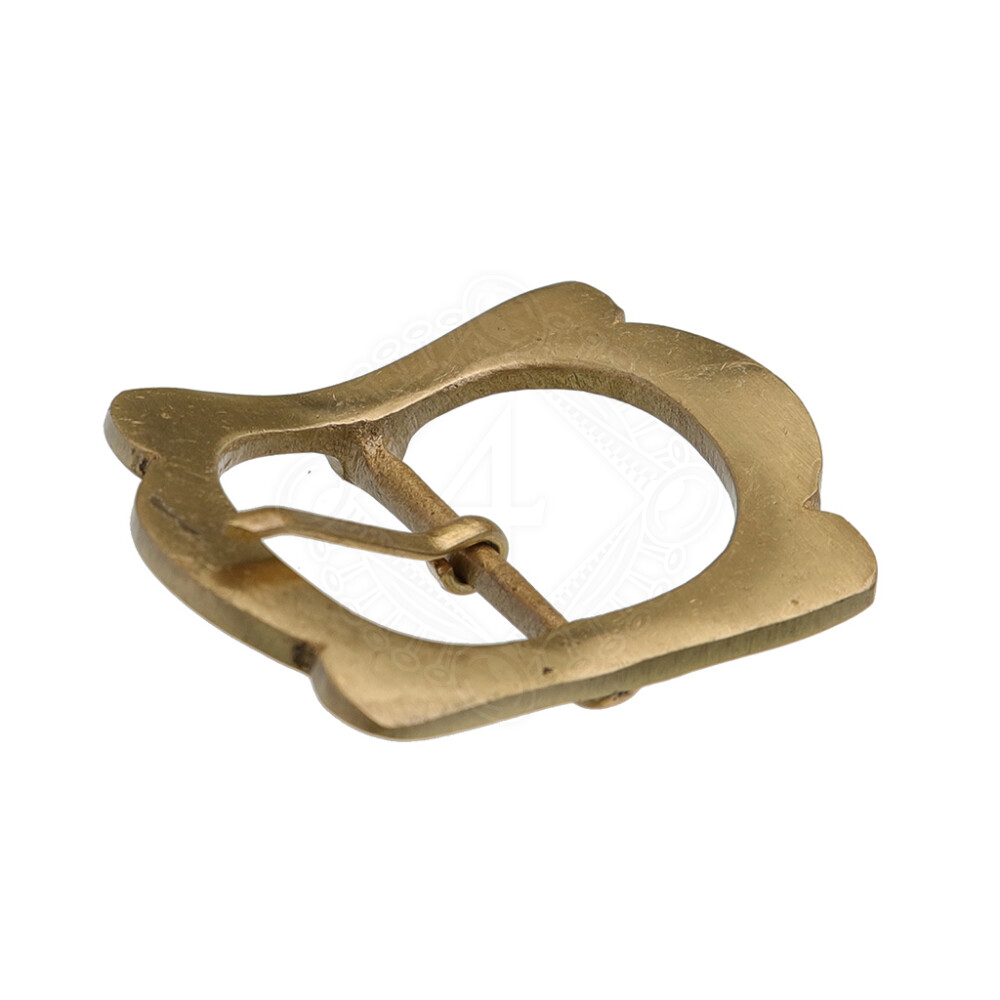
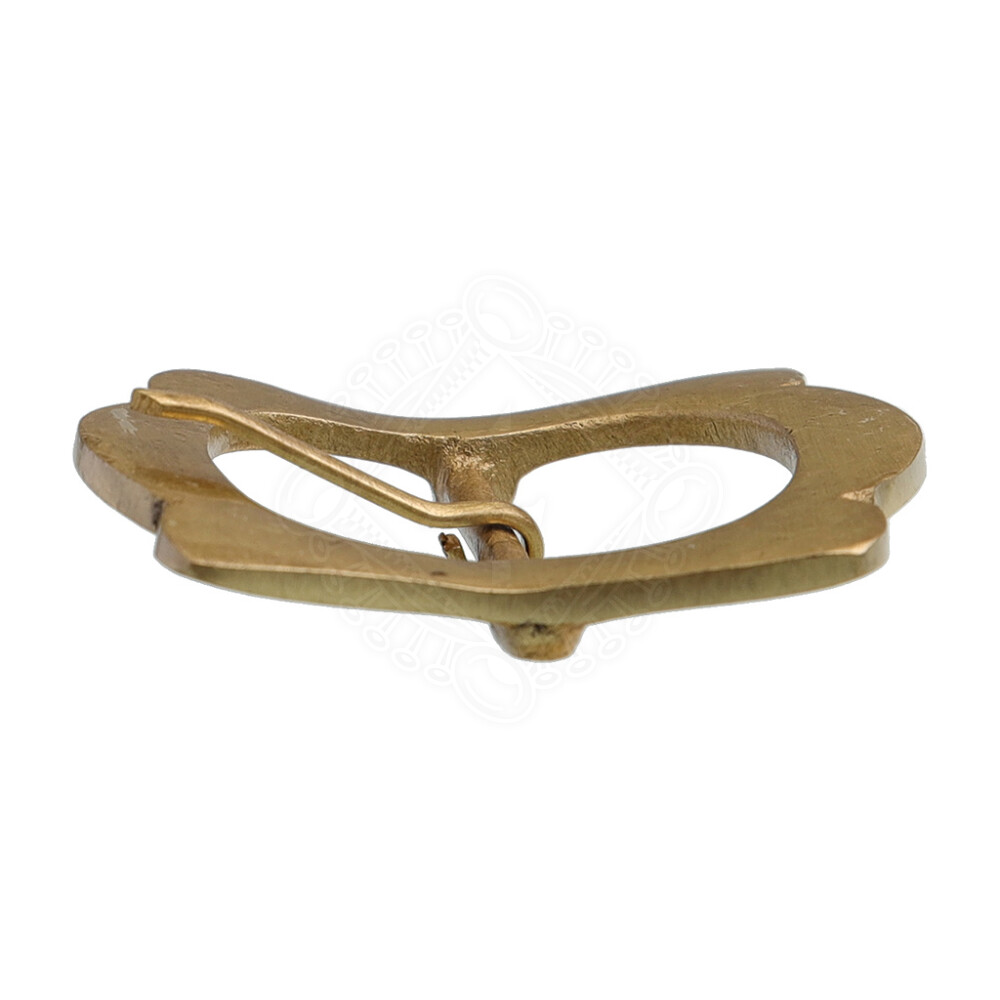
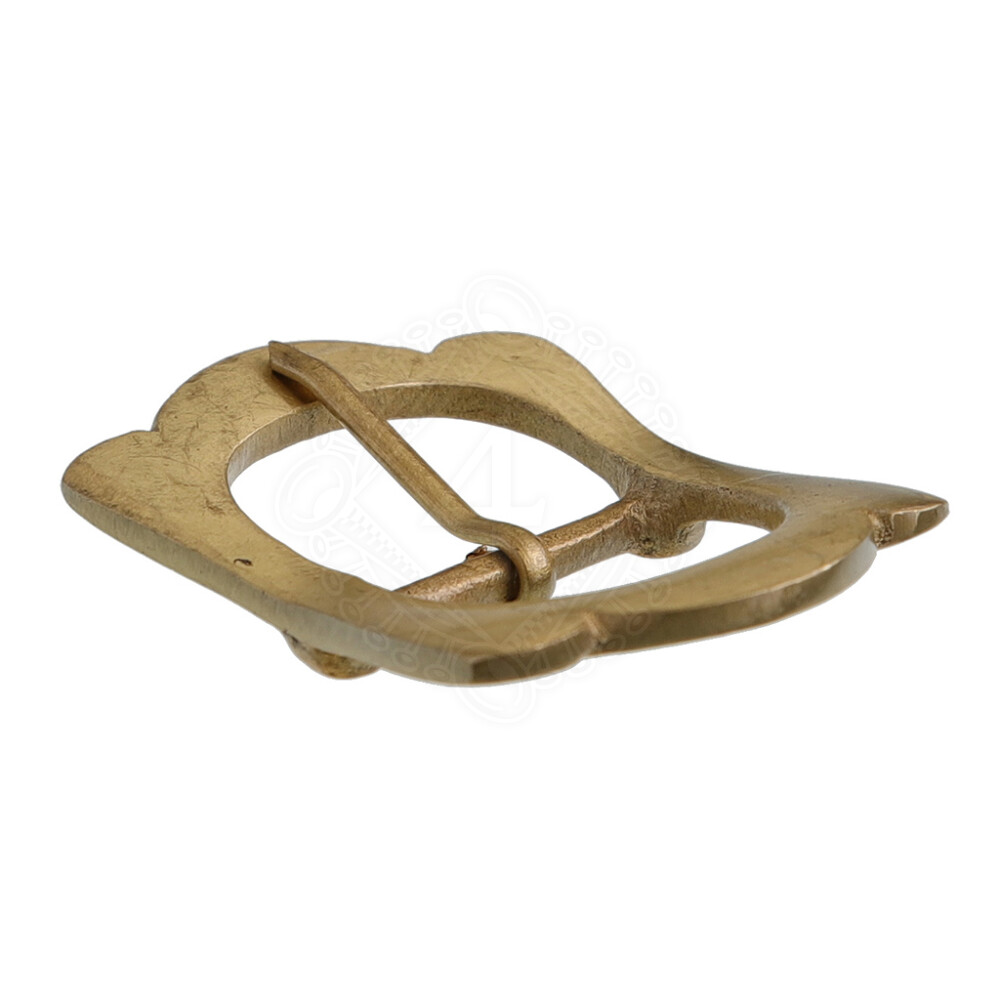

Enhance your historical costume or original accessory with this set of five meticulously crafted replicas of period buckles! These buckles, designed for 20mm wide belts or straps, are ideal for a broad historical timeframe covering the Stuart, Georgian, and Napoleonic eras. They will lend an authentic look to your belts, shoes, or bags and are perfect for historical reenactment, LARP, and costume design. This is a high-quality branded product from Lord Of Battles®. Further product information ...

Set of 5: Stuart & Napoleonic Era Historical Buckles (20mm Replicas)
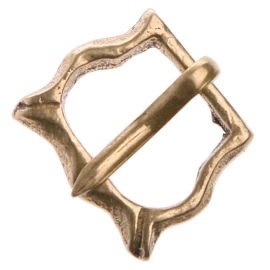
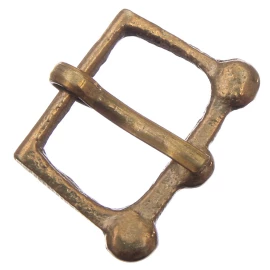
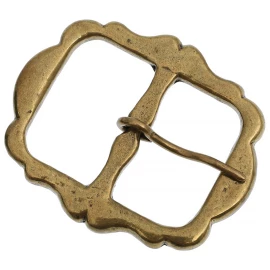
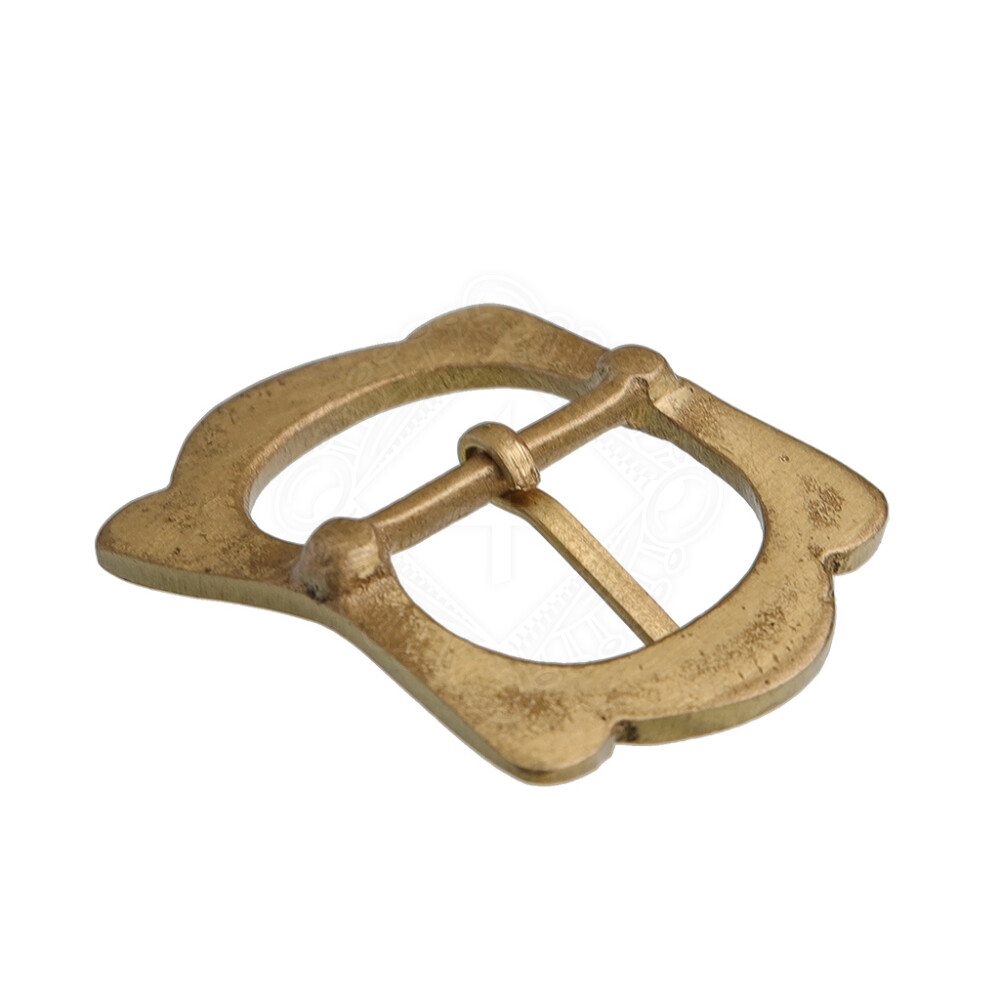
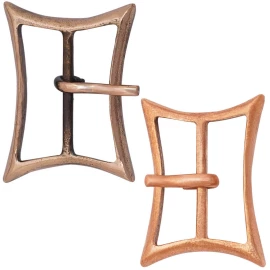
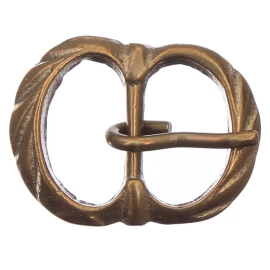
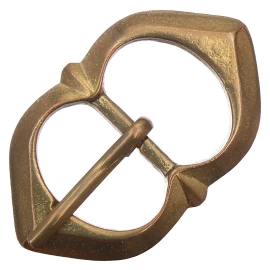
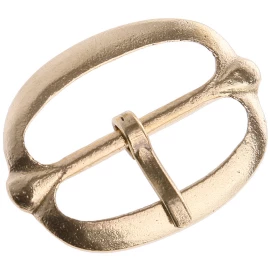
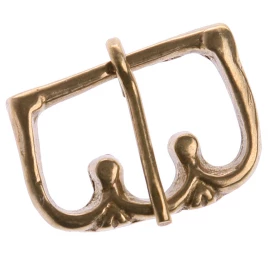
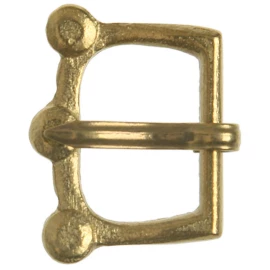
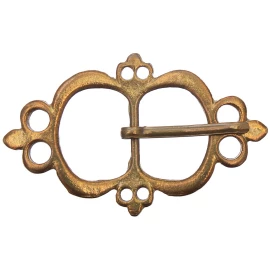
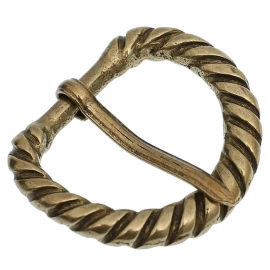
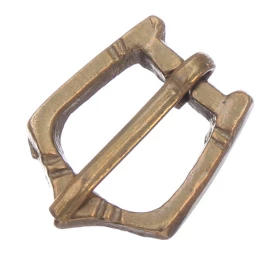
This set contains five identical buckles. Each buckle is crafted from metal with an antique brass-effect finish, giving it a patinated, historic appearance. The frame of the buckle is essentially rectangular, but its outer edges are elegantly rounded and finely contoured, transitioning into characteristic small protrusions or "lugs" at the corners. Therefore, it's not a simple, plain rectangle, but a more ornate style of buckle typical of the historical periods it represents. The buckle features a single, movable central prong (tongue) attached to a fixed central bar. The overall design of these belt buckles faithfully replicates historical examples from the late 16th to the early 19th century.
Use in History and Today
How Can You Use This Buckle?
This versatile buckle, designed for 20mm straps, is excellently suited for a wide range of your creative projects. You can use it, for example, for:
- Belts for historical costumes – ideal for the Tudor period, Elizabethan era, Stuart era, Jacobite era, English Civil War, Georgian era, or the Napoleonic period.
- Straps on period footwear to enhance historical authenticity.
- Closures on bags, pouches, purses, or haversacks.
- Bandoliers, weapon frogs, and other military or civilian accessories.
- Creating costumes for LARP (Live Action Role Play), historical reenactment events, theatrical performances, and film productions.
- Crafting original fashion accessories with a touch of history.
A Glimpse into History: Who Wore Similar Buckles and How?
Rectangular buckles with a simple frame began to appear in Europe in the second half of the 14th century. However, their real heyday and widespread use occurred mainly in the 16th and 17th centuries, during the Elizabethan and Stuart eras. After 1570, designs became significantly more diverse, and buckle frames more elaborate. This particular type of buckle, with its characteristically rounded and slightly shaped edges, gained considerable popularity towards the end of the Elizabethan era (late 16th century) and was extensively used throughout the Stuart period (17th century) and the Georgian era (18th to early 19th century). Such buckles adorned not only belts but also footwear, bags, military bandoliers, and a whole range of other leather accessories. They were worn by people across various social strata, with the material and ornamentation of the buckle often indicating the status and wealth of its owner.
Interesting Historical Facts
Did you know that even a seemingly ordinary item like a buckle was subject to fashion trends and could reveal a lot about its owner? While double rectangular buckles, for instance, were used as early as the 13th century, archaeological finds of buckles from earlier medieval periods are surprisingly limited. The rise of single-prong rectangular buckles, like this replica, came later. Their design gradually evolved from very simple and purely functional forms to more ornate versions. Thus, buckles not only fulfilled their practical function but also became an important fashion statement and, in some cases, a subtle indicator of social status or affiliation.
Guide to Attaching the Buckle and Punching Belt Holes
Attaching the Buckle to a Belt
- Take the end of the leather strap (with a maximum width of 20mm) to which you want to attach the buckle.
- Thread this end of the strap through the opening in the buckle formed by the frame and the fixed central bar (i.e., the side without the movable prong). The prong should point outwards at this stage, away from you if you are assembling the belt.
- Fold the threaded end of the strap back onto its reverse side. The length of the fold should be sufficient for a firm and reliable attachment; usually, 3 to 5 cm (approx. 1.2 to 2 inches) is adequate.
- Now, either securely sew this folded end to the main part of the strap or rivet it. For a more historically authentic look, stitching with strong linen or hemp thread was often used.
How to Correctly Punch Holes in Your Belt
- Put the belt with the already attached buckle around your waist (or over the garment you will wear it with) to determine the required length and hole placement as accurately as possible.
- Pass the free end of the belt through the buckle and tighten it until the belt sits comfortably.
- Carefully mark the spot on the strap where the buckle's prong naturally rests on the leather. This will be your main, most frequently used hole.
- To allow for size adjustment (e.g., when wearing over different thicknesses of clothing), it is practical to add more holes. Typically, 2-3 holes are punched on either side of the main hole, with a regular spacing of approximately 2 to 2.5 cm (approx. 0.8 to 1 inch).
- To punch the holes in the leather, use a specialized tool – preferably a hollow punch of a suitable diameter and a mallet, or rotary leather hole punch pliers. Ensure the hole is large enough for the buckle's prong to pass through easily, but not too large, so the strap is not unnecessarily stressed at the hole and does not tear. A round hole shape is ideal.
Product Specifications:
- Material: Metal (alloy with an antique brass-effect finish)
- Suitable for strap width: up to 20 mm
- Quantity per set: 5 pieces
- Style corresponds to periods: Tudor, Elizabethan Era, Stuart Era, Jacobite Era, English Civil War, Georgian Era, Napoleonic Wars (approx. late 15th century to early 19th century)
- Manufacturer: Lord Of Battles®
We are here for you!






.2152382459.1713382643.JPG.webp)