
 Čeština
 Deutsch


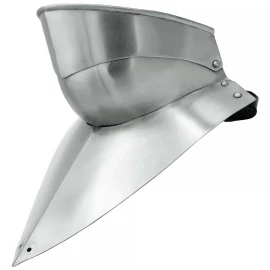
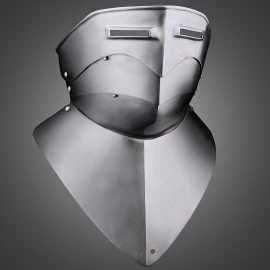
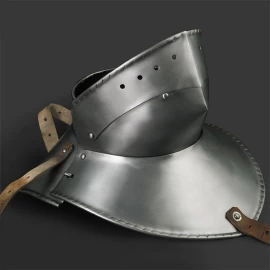
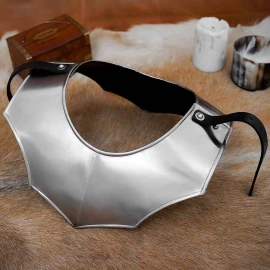
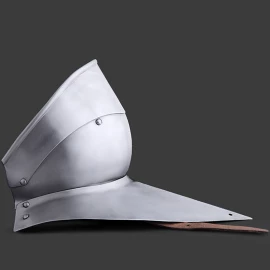
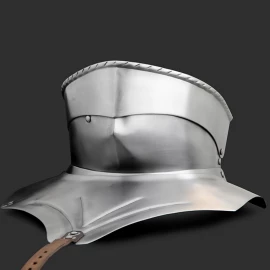
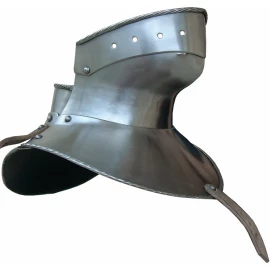
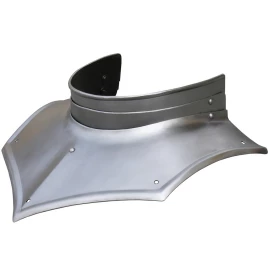
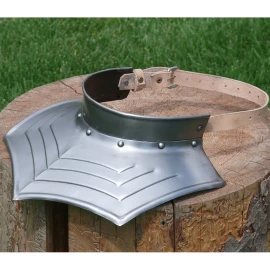
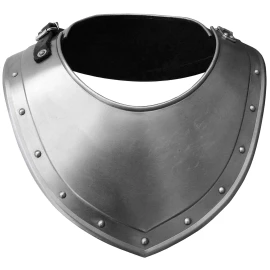
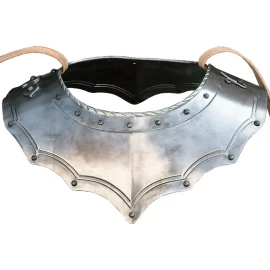
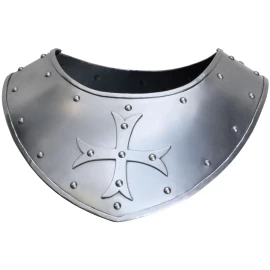
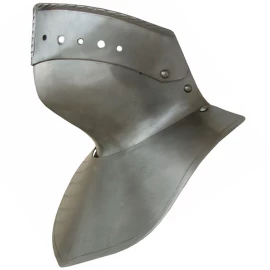
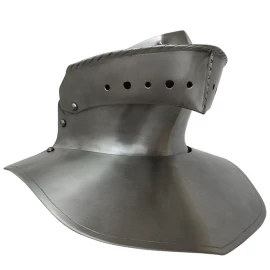
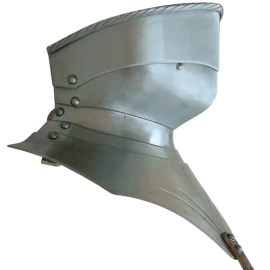
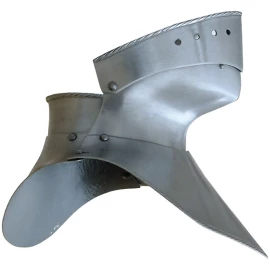
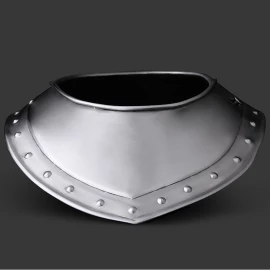
Steel Gorget for Late Medieval Armour, 15th Century
1x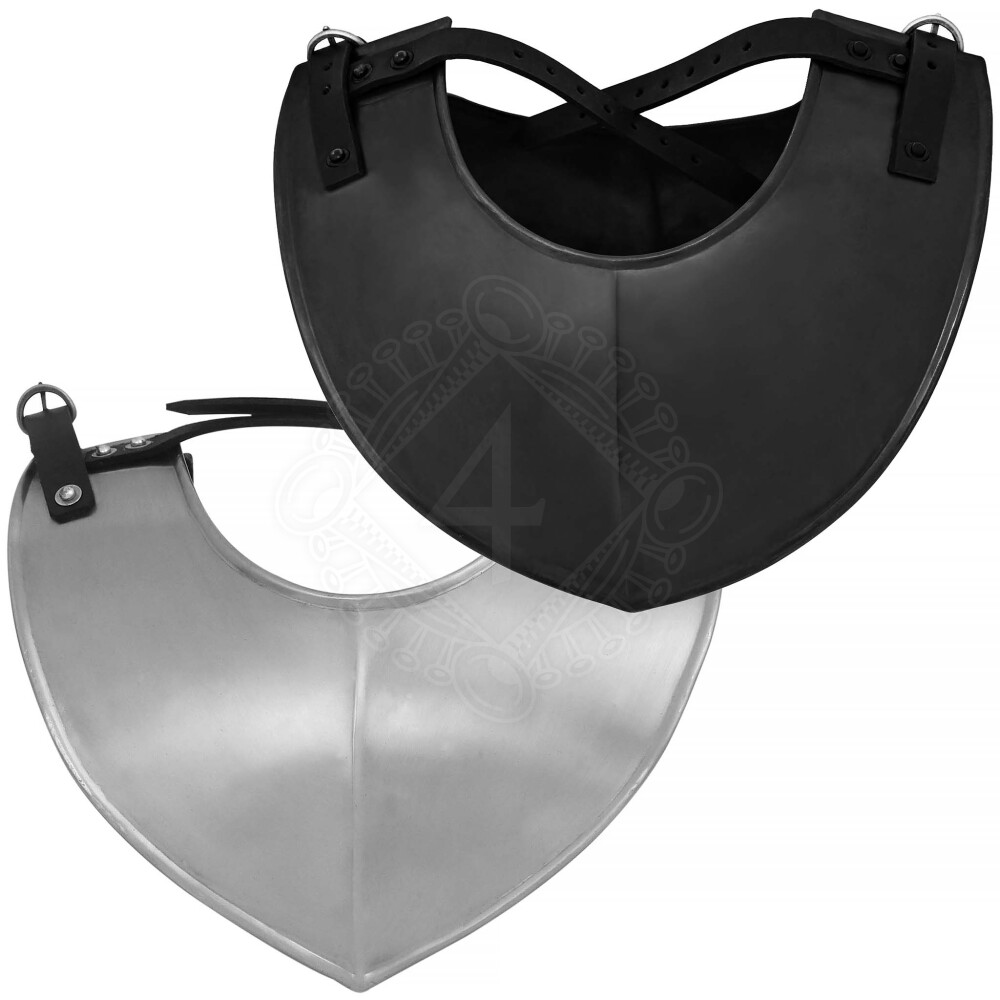


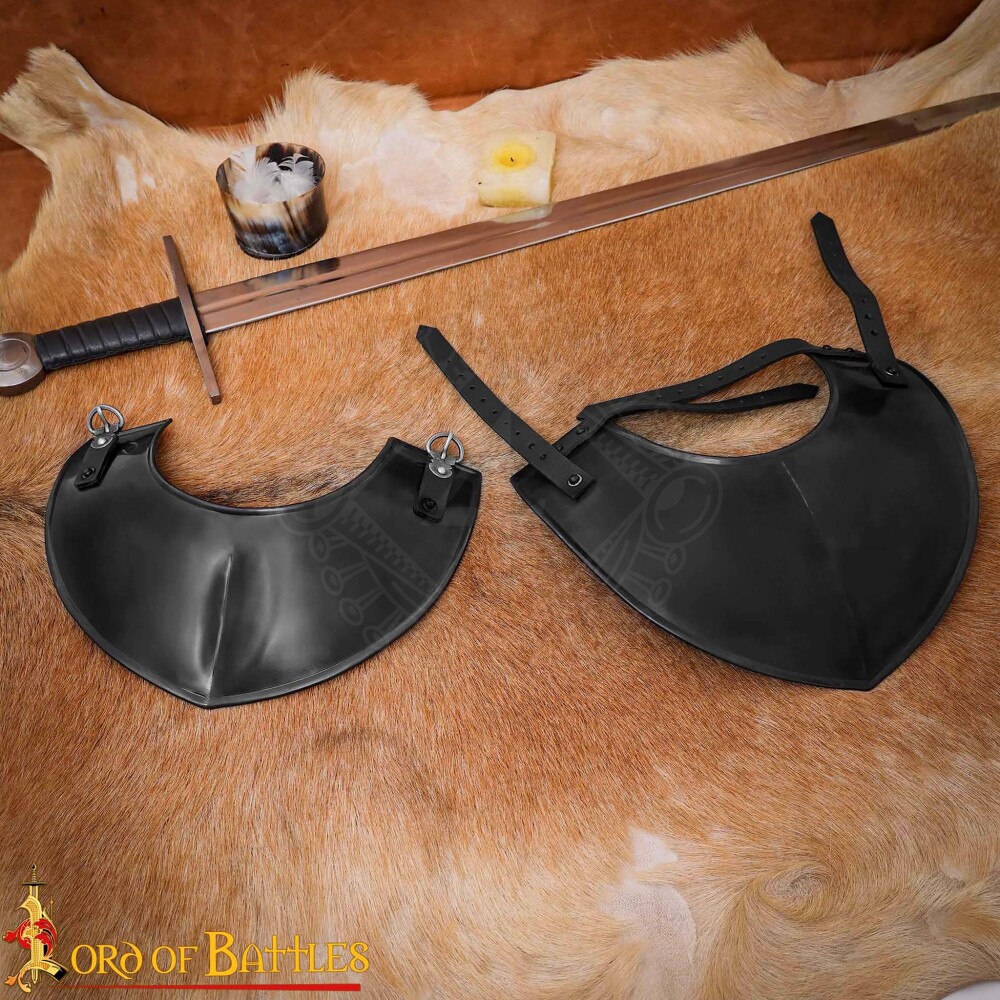
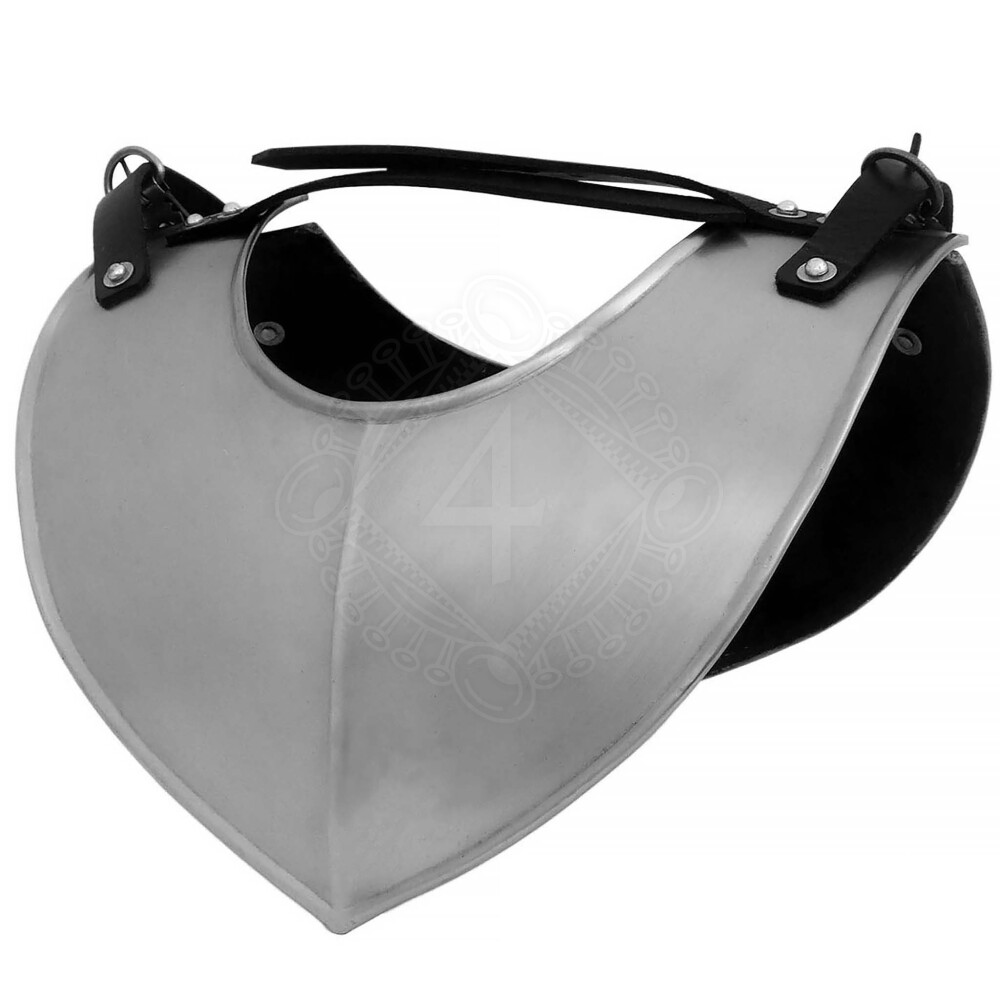

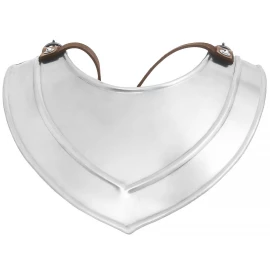
Protect Your Neck Like a True Man-at-Arms! Complete your harness with a crucial piece of protection! This simple yet fully functional steel gorget is inspired by historical designs of the 15th century. It's the ideal choice when portraying a foot soldier, archer, mercenary, or billman. Its robust construction provides not only an authentic look but also reliable protection for your neck and collarbones during historical combat, LARP, or reenactment events. Further product information ...

Steel Gorget for Late Medieval Armour, 15th Century
Functional Design and Customisation Options
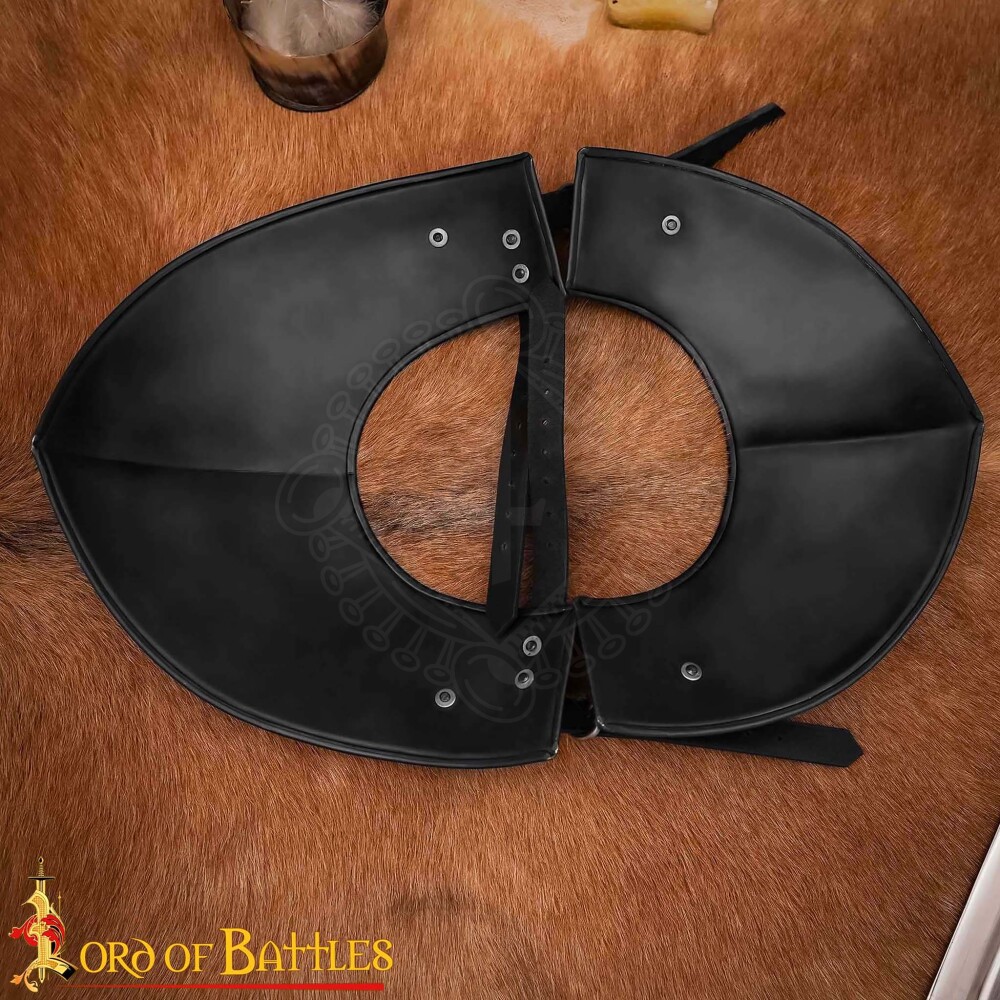
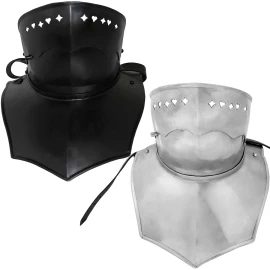
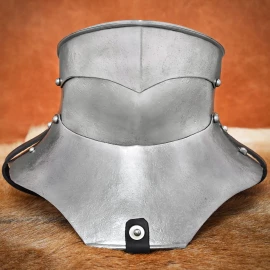
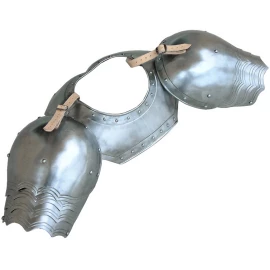
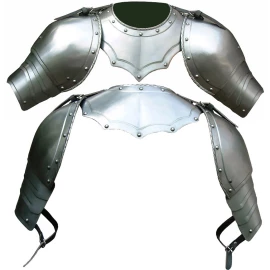
The gorget is cleverly crafted from two separate pieces—a front and a back plate. This articulated design ensures excellent head mobility and comfortable wear.
- Material and Finish: It is handcrafted from tough mild steel. You can choose between two thicknesses (1.0 mm or 1.2 mm) and two finishes—an elegant polished surface or a rugged blackened one.
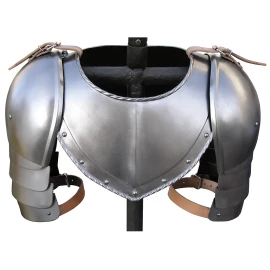
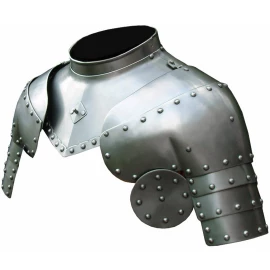
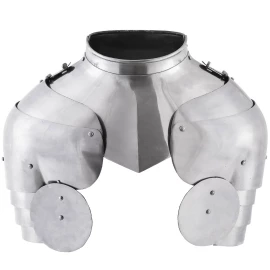
- Pauldron Mounts: Sturdy leather straps with buckles are riveted onto the shoulders, allowing for the easy and secure attachment of your pauldrons.
- Fastening: Both plates connect on the shoulder with a durable leather strap, allowing for easy size adjustment.
- Corrosion Protection: The inside of the gorget is painted black to protect it from rust and extend its lifespan.
Technical Specifications
- Material: Mild Steel, Genuine Leather
- Available Thickness: 1.2 mm (18 gauge)
- Available Finish: High-Polish or Blackened
- Front Plate Dimensions: approx. 12.4 in (width) x 11.8 in (height) / 31.5 cm x 30 cm
- Back Plate Dimensions: approx. 12.5 in (width) x 9.2 in (height) / 32 cm x 23.5 cm
- Weight: approx. 1.43 lbs / 650 g
The Gorget Through the Ages
In the 15th century, the gorget became an indispensable part of plate armour. It evolved to address the need to protect the vulnerable gap between the helmet and the cuirass. Unlike earlier mail coifs or collars, a solid steel plate offered far superior protection against both cuts and thrusts, making it a standard piece of equipment for every warrior on the late medieval battlefield.
A Glimpse into History
The word "gorget" comes from the Old French word gorge, which simply means "throat." Its name is therefore perfectly descriptive, highlighting its primary function.
Care and Maintenance Guide
To keep your gorget in excellent condition, proper care is essential.
- Protective Oil: Your gorget is coated with a layer of protective oil for shipping. This can be easily wiped off with a dry cloth or a cloth with a bit of mineral spirits before first use.
- Rust Prevention: After each use, especially in damp conditions, wipe the gorget dry. For the polished version, regularly apply a thin layer of protective oil (like WD-40 or Ballistol) to maintain its shine and prevent rust.
- Storage: Store your gorget in a dry place, away from humidity, to ensure its longevity.
We are here for you!







.2152382459.1713555710.jpg.webp)






.3773623034.1696456237.png.webp)

.3773623034.1696456268.png.webp)
.3773623034.1696456247.png.webp)