 Čeština
 Deutsch


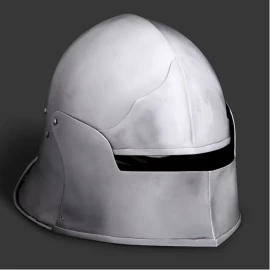
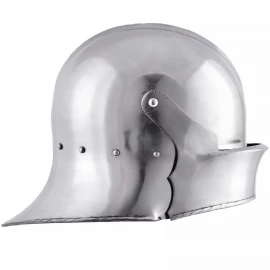
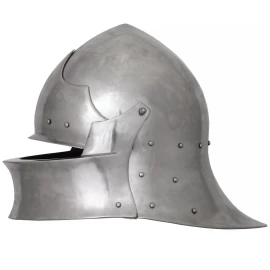
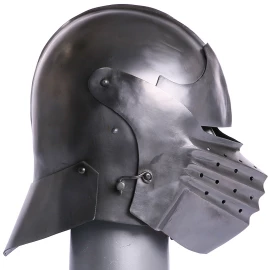
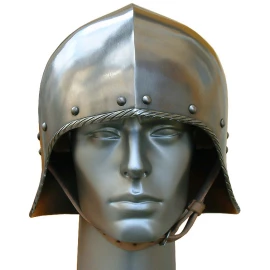
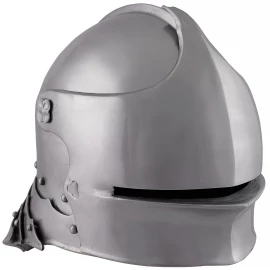
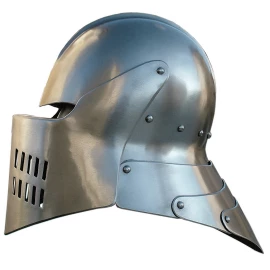
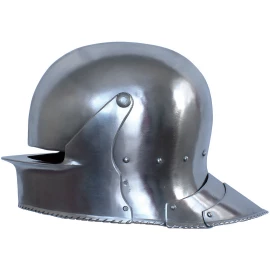
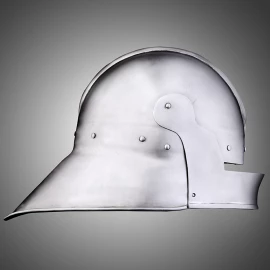
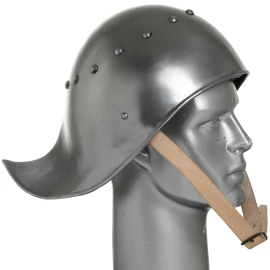
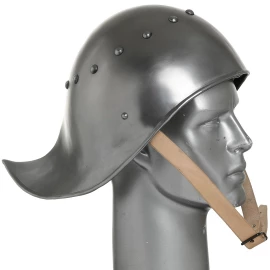
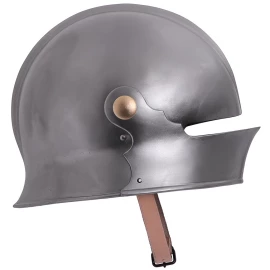
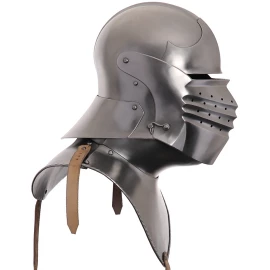
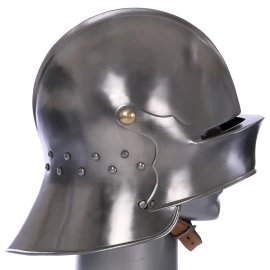
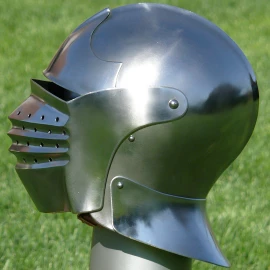
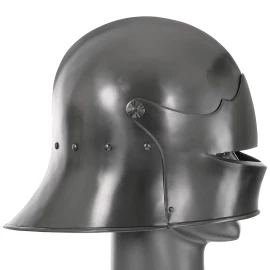
Short Renaissance Sallet With Movable Visor, Late 15th Century - Outlet
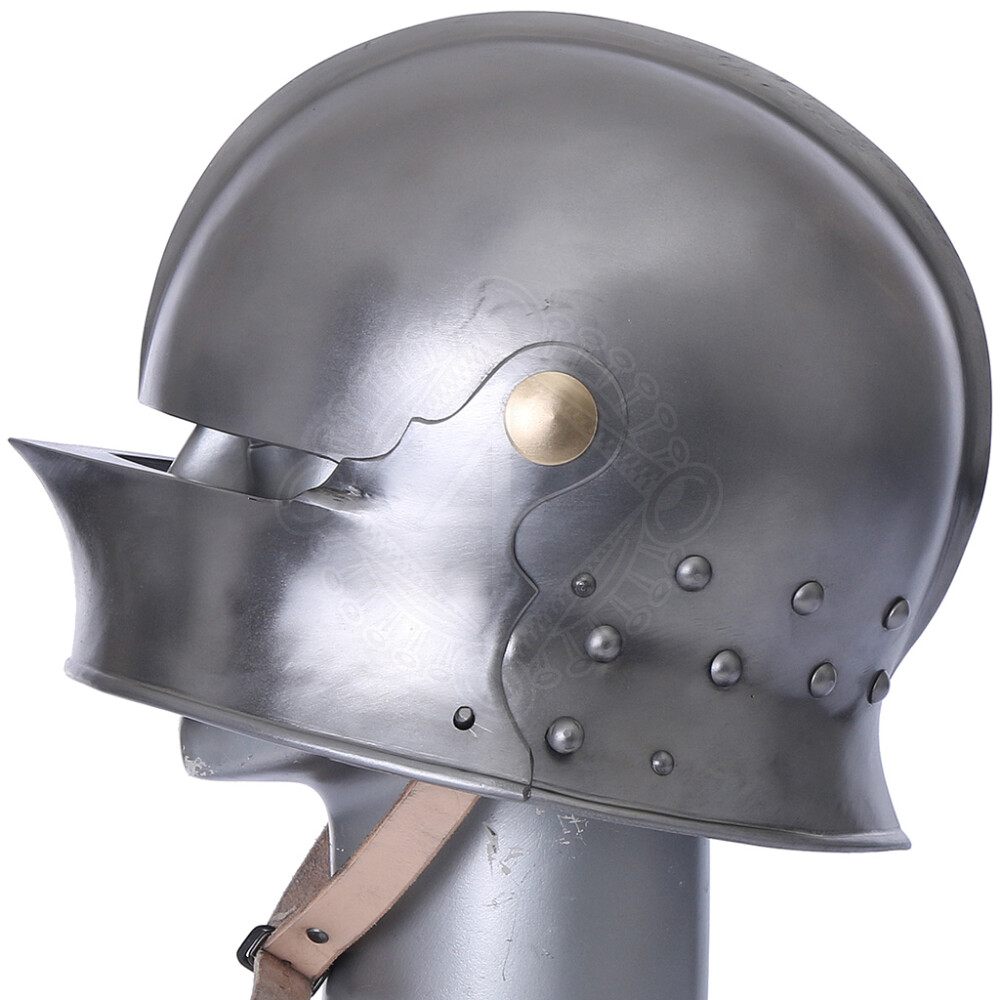
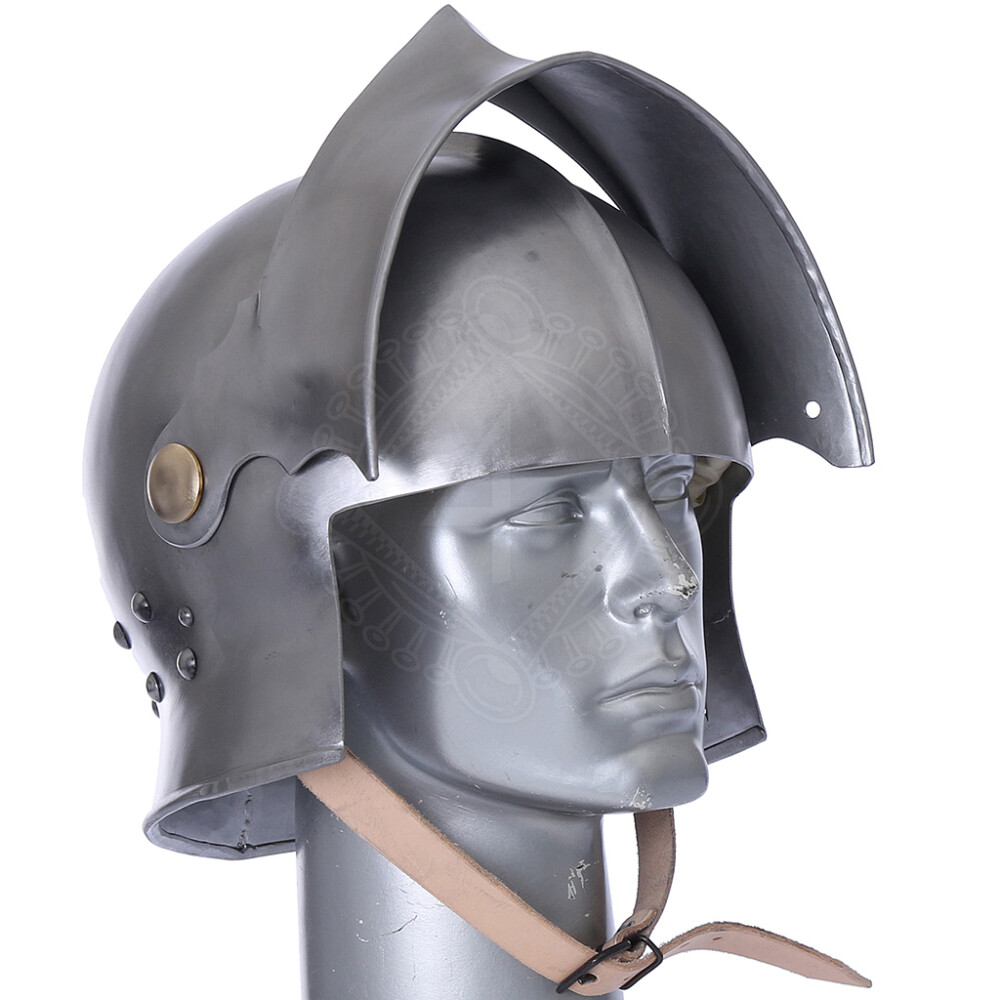
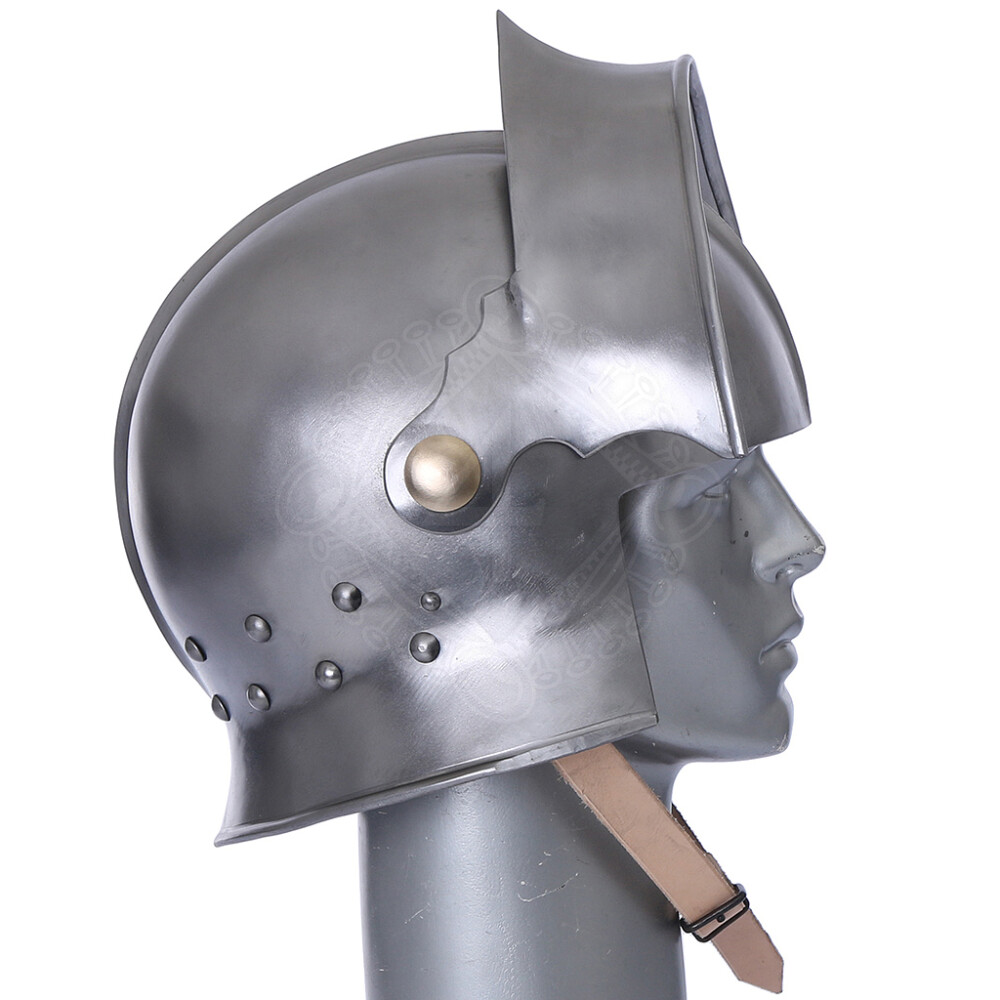
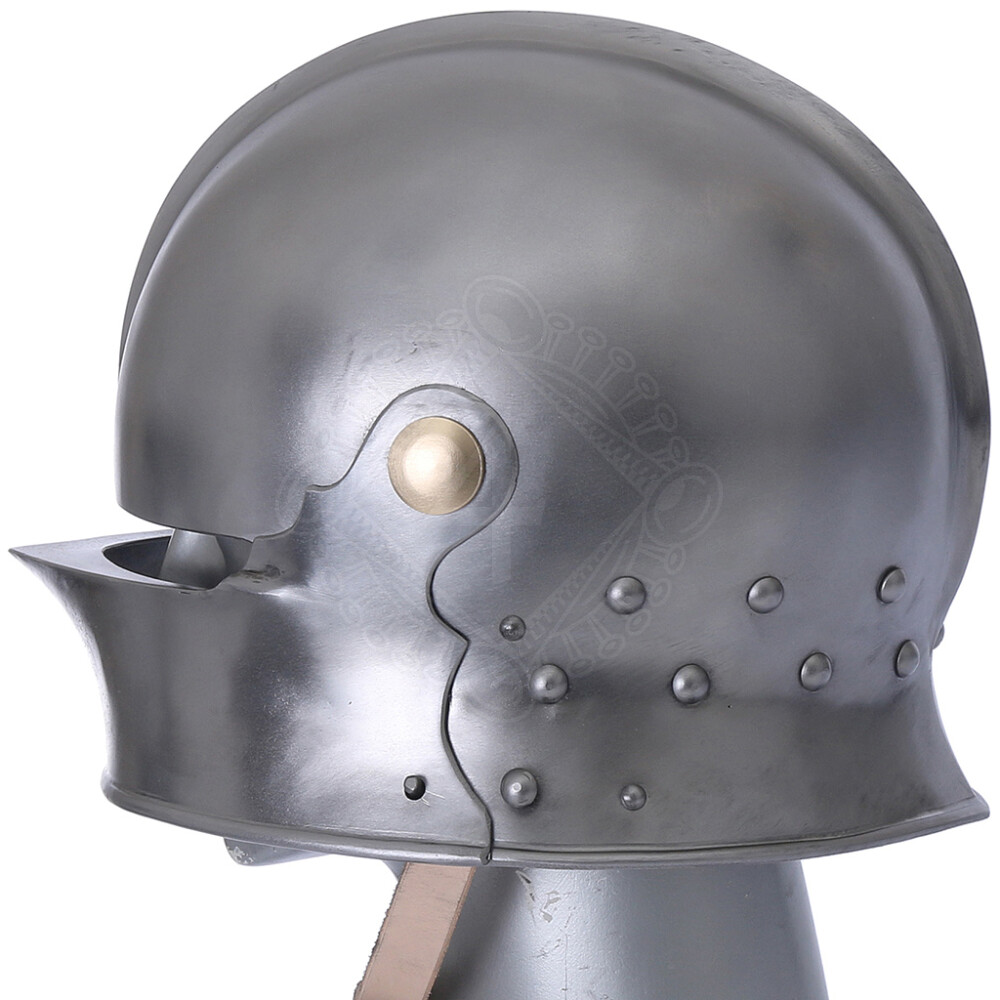
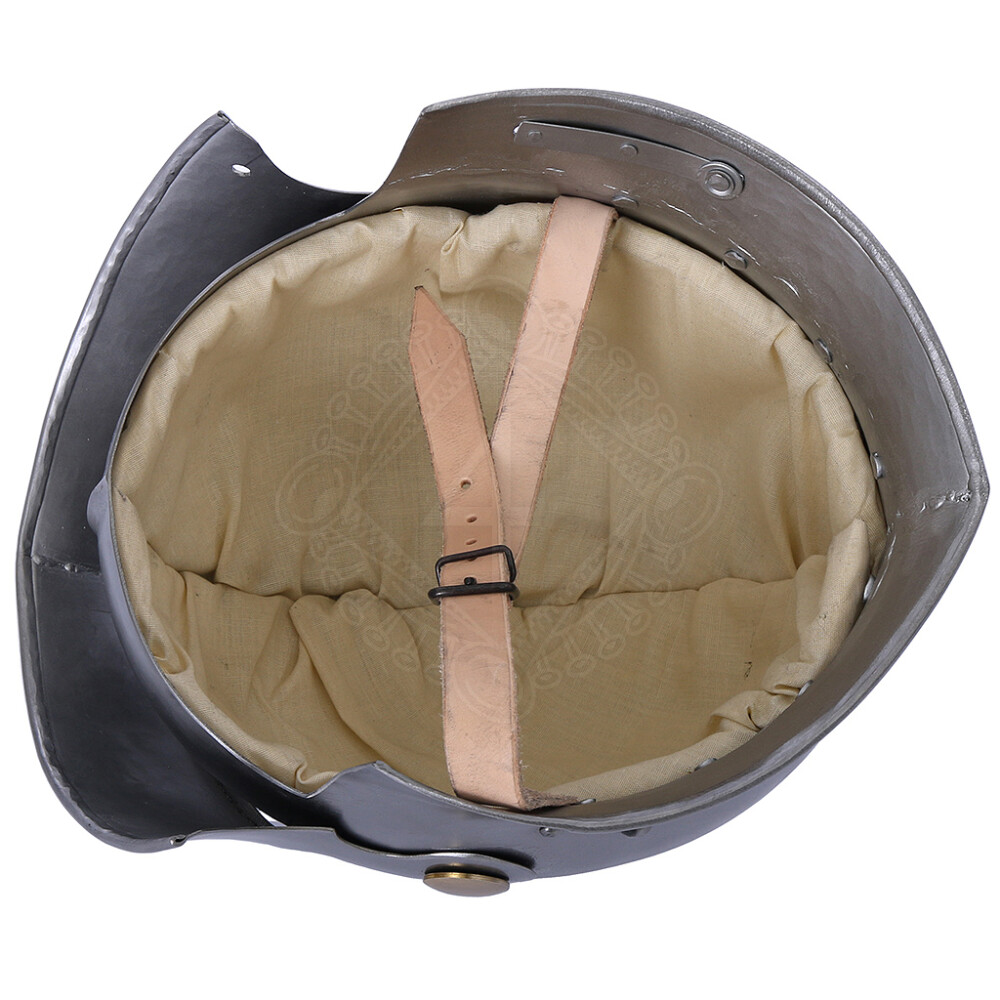
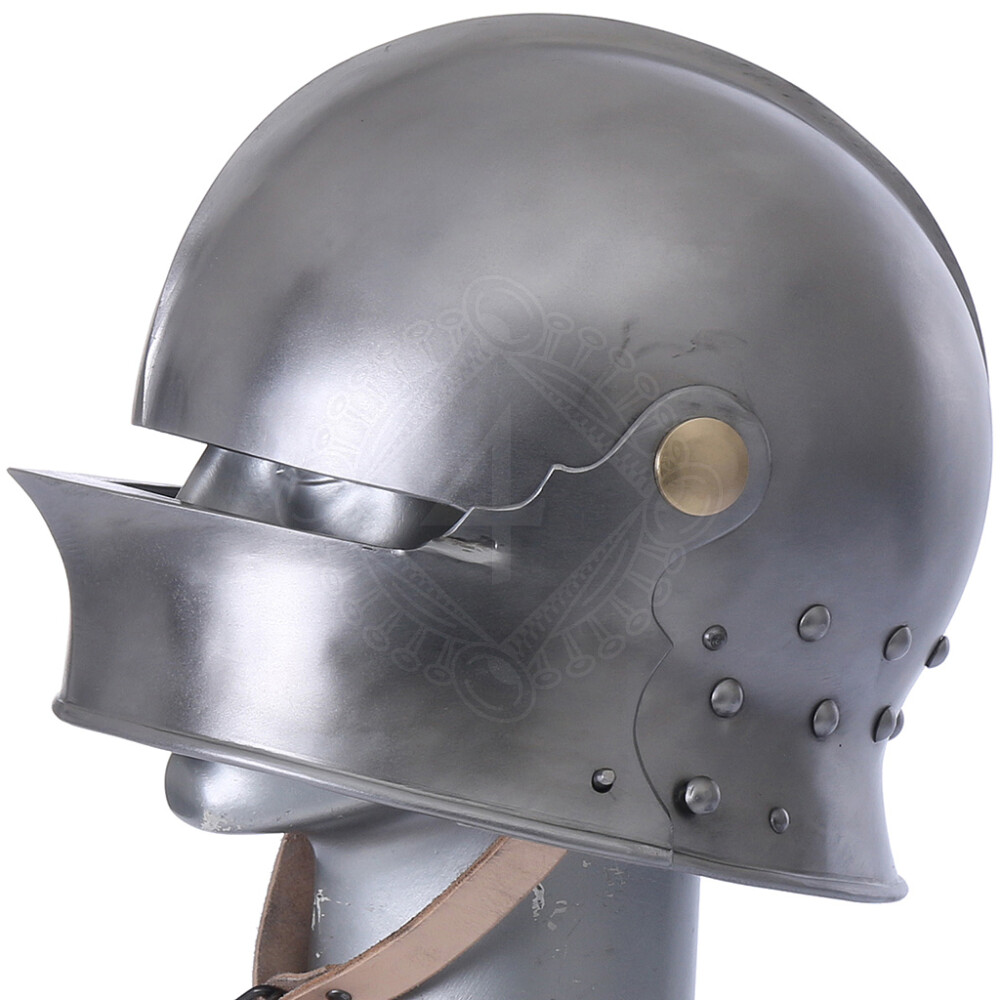

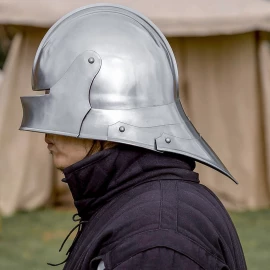
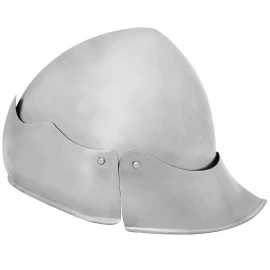
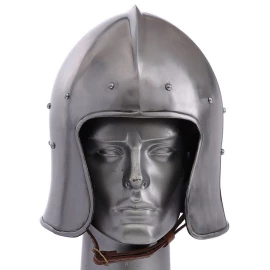
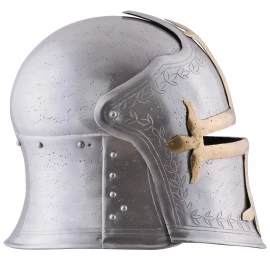
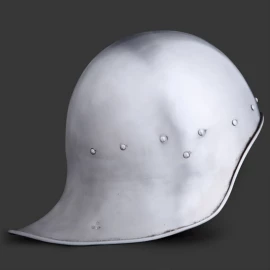
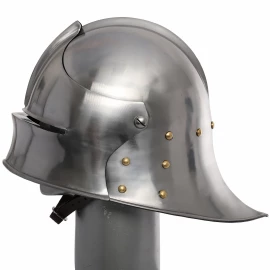
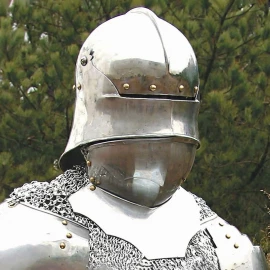
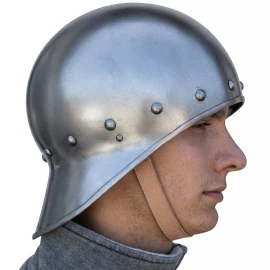
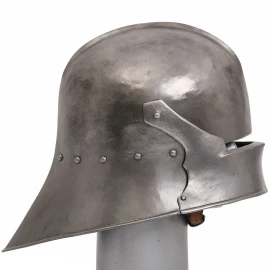
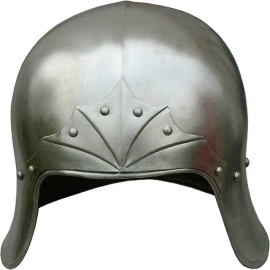
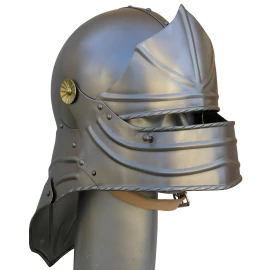
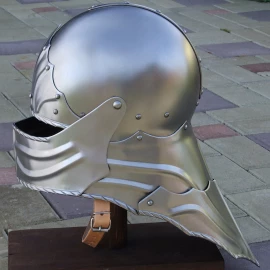
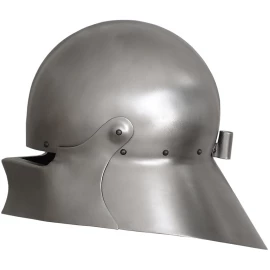
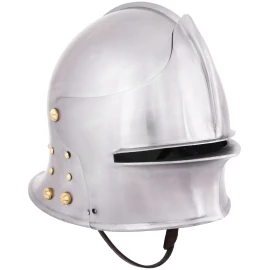
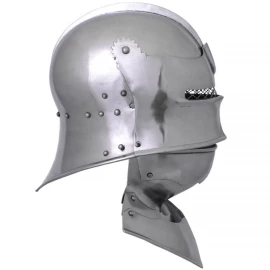
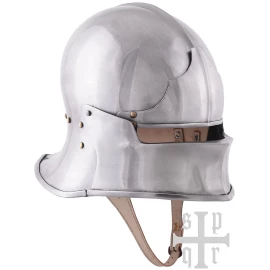
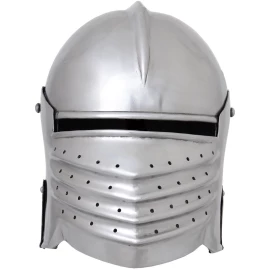
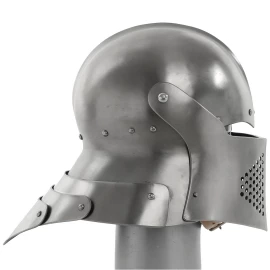
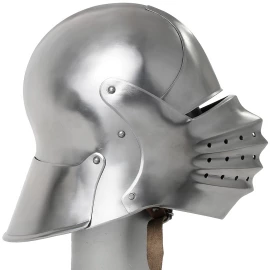
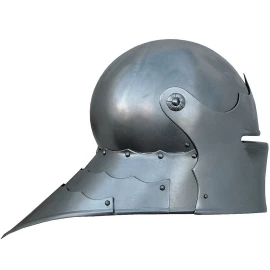
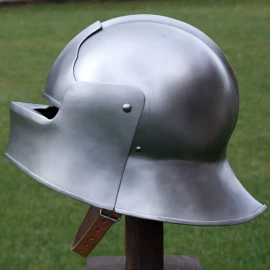
Are you looking for reliable and authentic head protection that won't let you down in any historical battle, LARP, or reenactment? We present to you this precisely crafted short sallet dating from the period of 1475–1520. This helmet perfectly combines the elegance of the emerging Renaissance with uncompromising practical functionality. Its compact shape and pivoting visor will provide you with an excellent field of vision and the necessary freedom of movement, while the solid mild steel ensures your safety. Whether you are an experienced HEMA fencer, an enthusiastic re-enactor, or a collector of militaria, this historically accurate piece will give your armour the perfect look. Get ready for your next epic adventure and step onto the battlefield with confidence! Further product information ...

The following variants are currently available:
Short Renaissance Sallet With Movable Visor, Late 15th Century
Historical Context and Evolution of the Sallet
The sallet became one of the most popular and widespread helmet types of the 15th century, gradually replacing older models like the bascinet. While German regions preferred sallets with a highly elongated and articulated tail to protect the neck, the short sallet enjoyed great popularity in Italy and Western Europe. This type of helmet provided excellent head mobility and did not restrict the fighter when looking upwards or side-to-side. It was commonly worn in combination with a plate bevor (which we highly recommend adding to your gear), which protected the lower face and throat. The product is the ideal addition for portraying a man-at-arms, mercenary, or city guard from the turn of the 15th and 16th centuries.
Craftsmanship Details and Practical Application
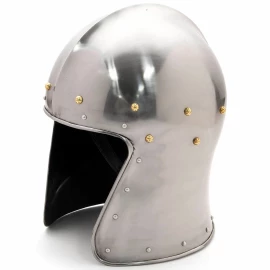
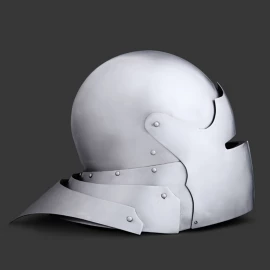
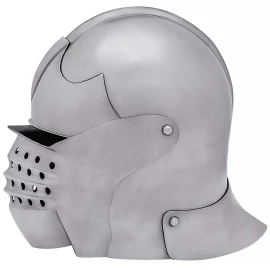
The helmet is made of high-quality mild steel, and its design is enhanced by massive brass rivets that serve as pivot points for the movable visor. The eye-slit (ocularium) is designed to offer an optimal compromise between eye protection and peripheral vision. The lower edge of the helmet flares outward slightly, effectively deflecting incoming weapon strikes away from the vulnerable neck area. The standard version includes a comfortable, shock-absorbing quilted fabric liner and a robust leather chin strap with a historical metal buckle to secure the helmet firmly on your head.
Safety and Maintenance Guidelines
This replica of historical plate armour is fully functional for light stage combat, LARP, and historical re-enactment. However, please note that it is not protective armour suitable for full-contact heavy combat such as buhurt, Battle of the Nations (HMB), or similar extreme sports, where helmets made of specially tempered steel with greater thickness are strictly required. For maximum wearing comfort and better shock absorption, we strongly advise you to wear a padded arming cap (coif) underneath the helmet.
To ensure your helmet lasts as long as possible and remains free of rust, the mild steel requires regular maintenance. After every use (especially after contact with sweat or rain), the helmet must be wiped dry and treated with gun oil (e.g., Ballistol or WD-40). If you choose the polished surface option, we recommend occasional buffing with a specialised metal polishing paste.
Technical Specifications
| Historical Period: | 1475–1520 (Late Gothic and Early Renaissance) |
| Material: | Mild steel, brass, leather, textile |
| Steel Thickness (optional): | 1.5 mm (approx. 16 gauge / 0.059 inches) or 2.0 mm (approx. 14 gauge / 0.078 inches) |
| Surface Finish (optional): | Polished steel or brushed (matte) steel |
| Inner Liner (optional): | Quilted fabric liner (standard) or leather liner |
| Fastening: | Leather chin strap with a metal buckle |
Custom Tailoring
We know that every head is unique. This helmet can be custom-made exactly to your measurements. To place an order for custom production, we need to know your exact body dimensions. Please carefully measure the values corresponding to codes 1a to 1j according to our armour measurement chart. Before measuring, be sure to read our detailed guide on how to choose the right helmet size, and do not forget to measure your head circumference while wearing the padded arming cap you plan to use under the helmet.
This helmet can be made to measure after your measurements ‘1a’ to ‘1j’ in this measurement chart.
Please read our instructions, how to determine a helmet size correctly.
We are here for you!