 Čeština
 Deutsch


Medieval Low Shoes – 1150 to 1350
4x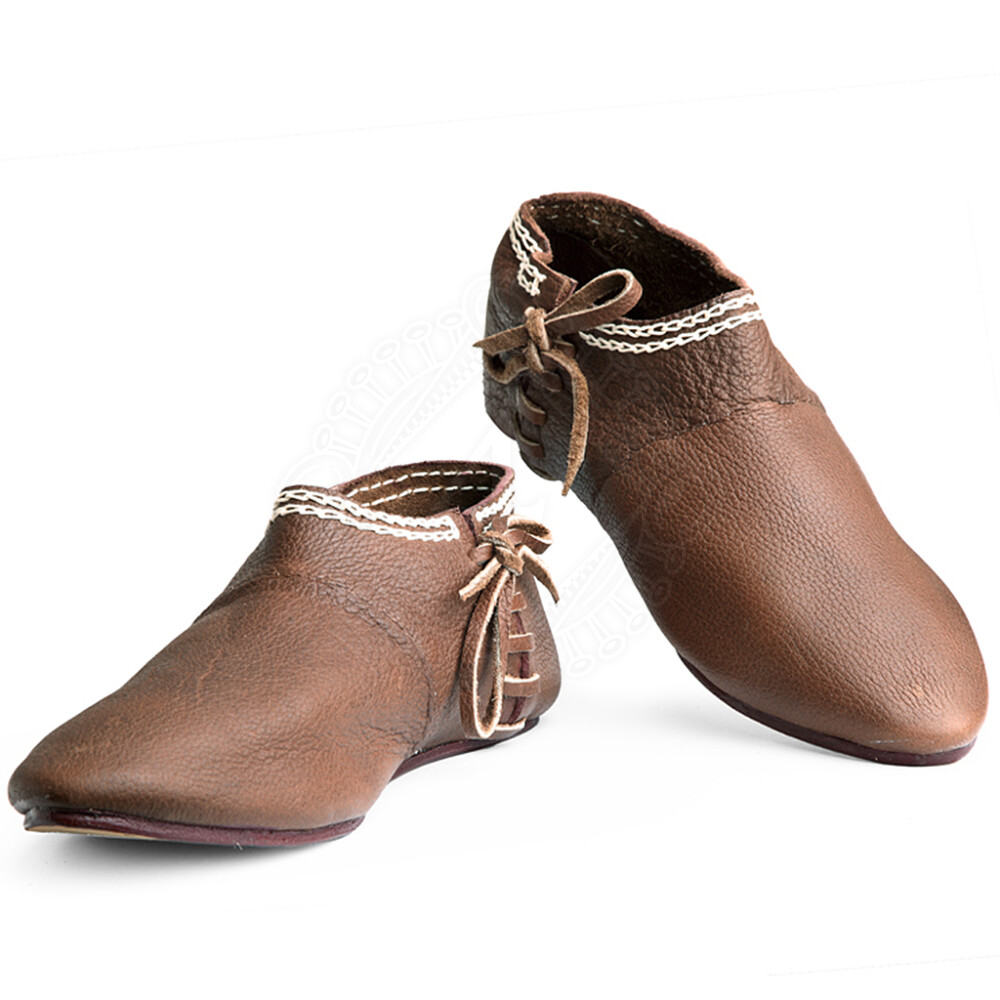
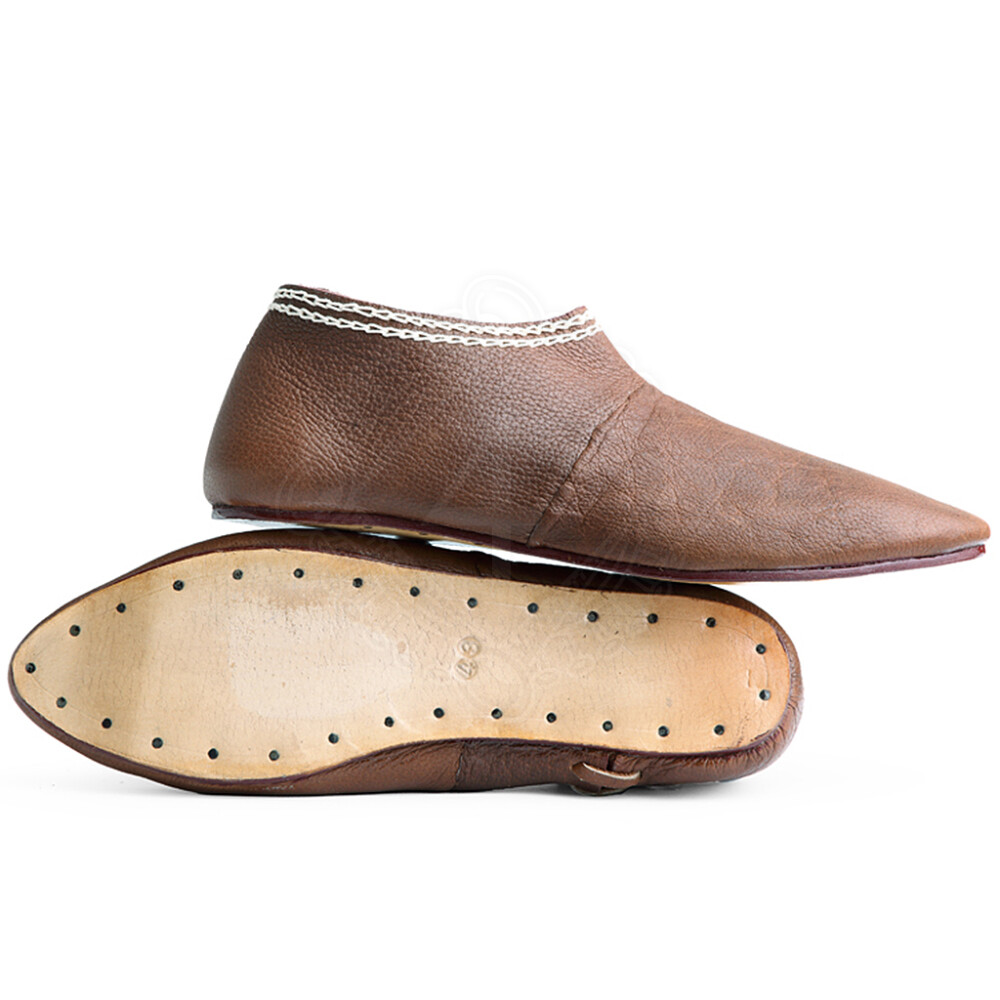
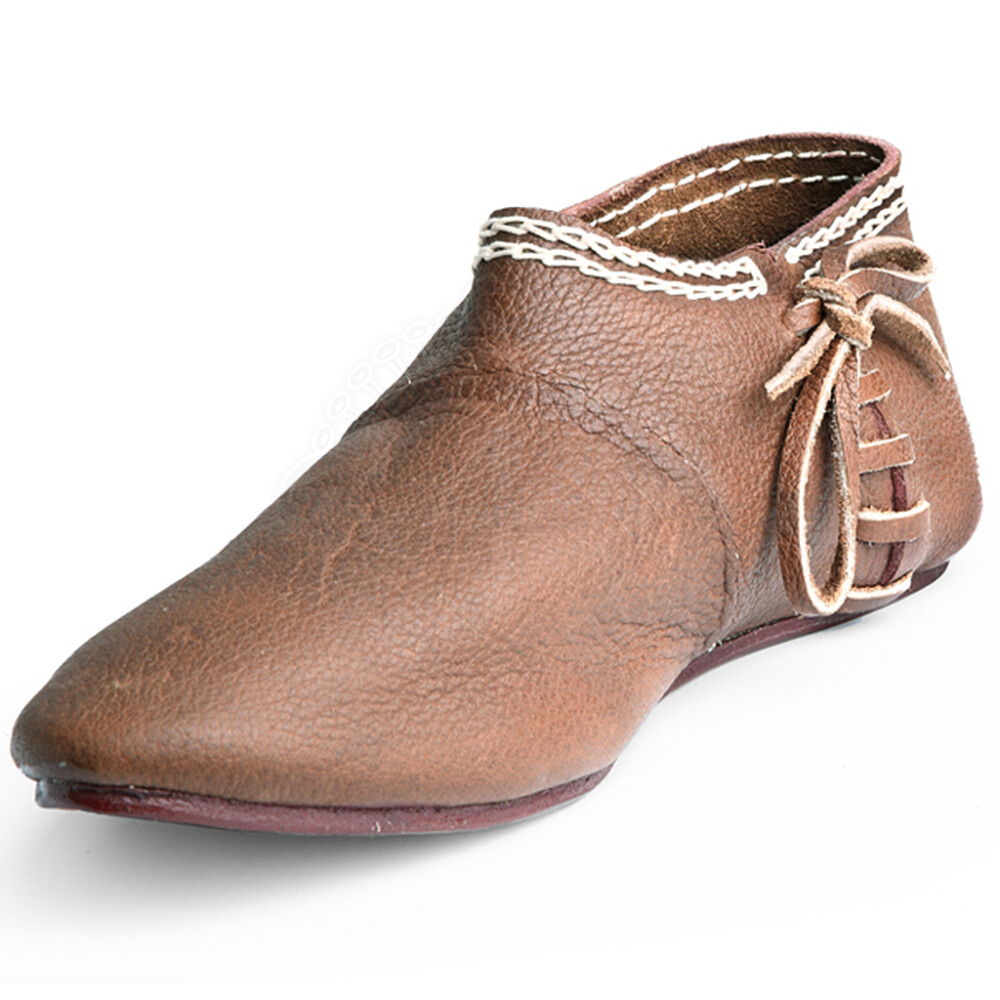
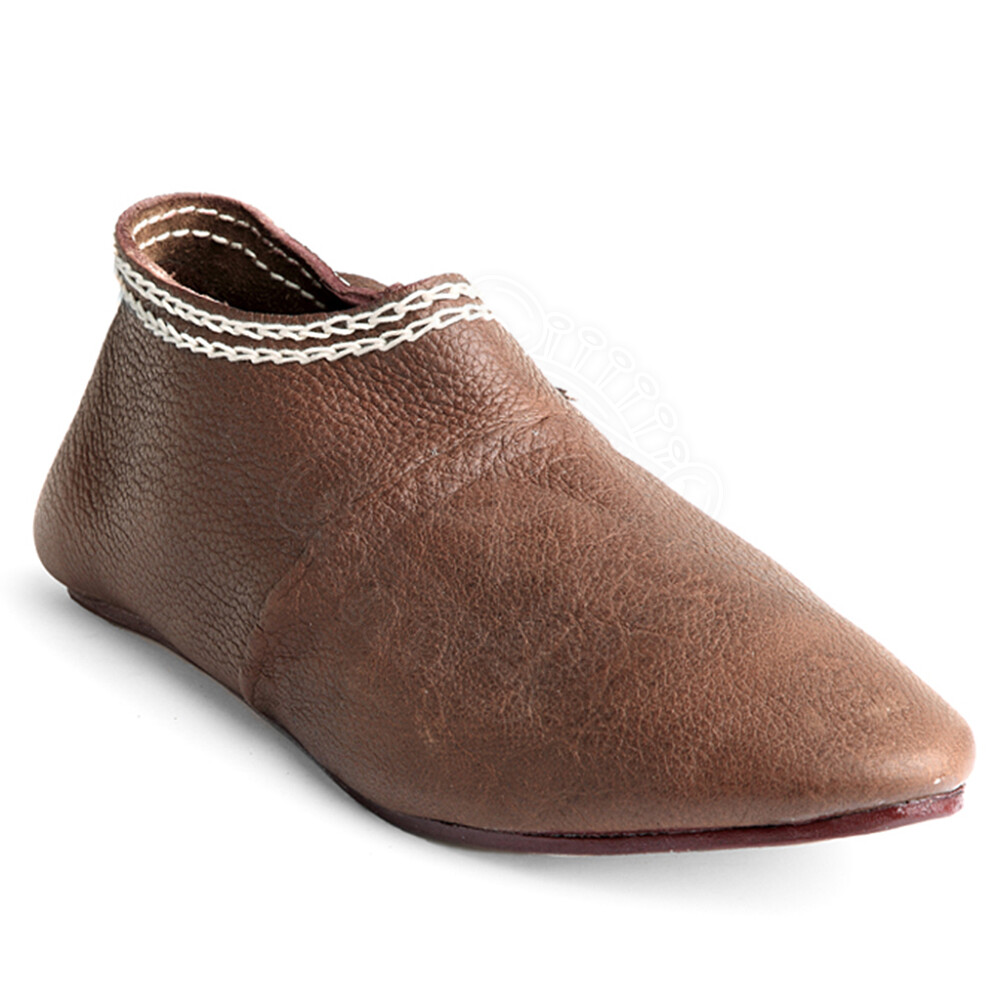
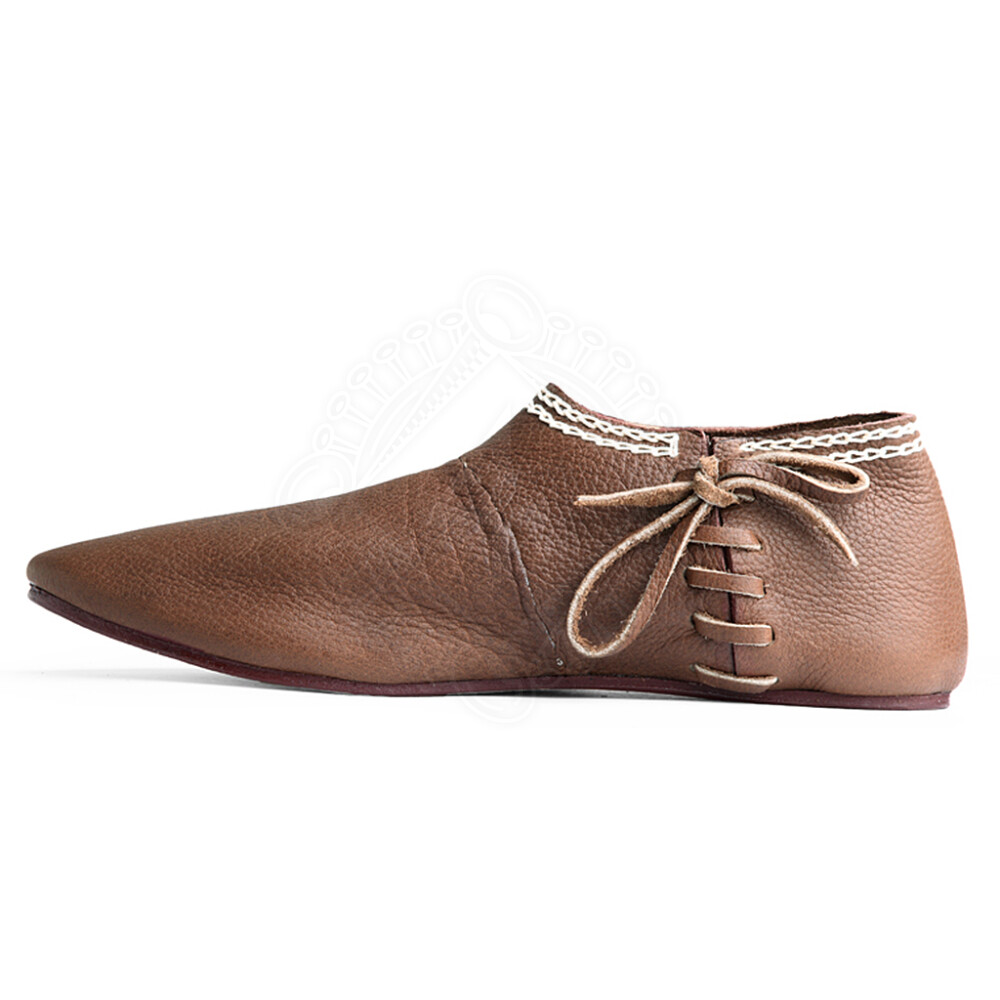
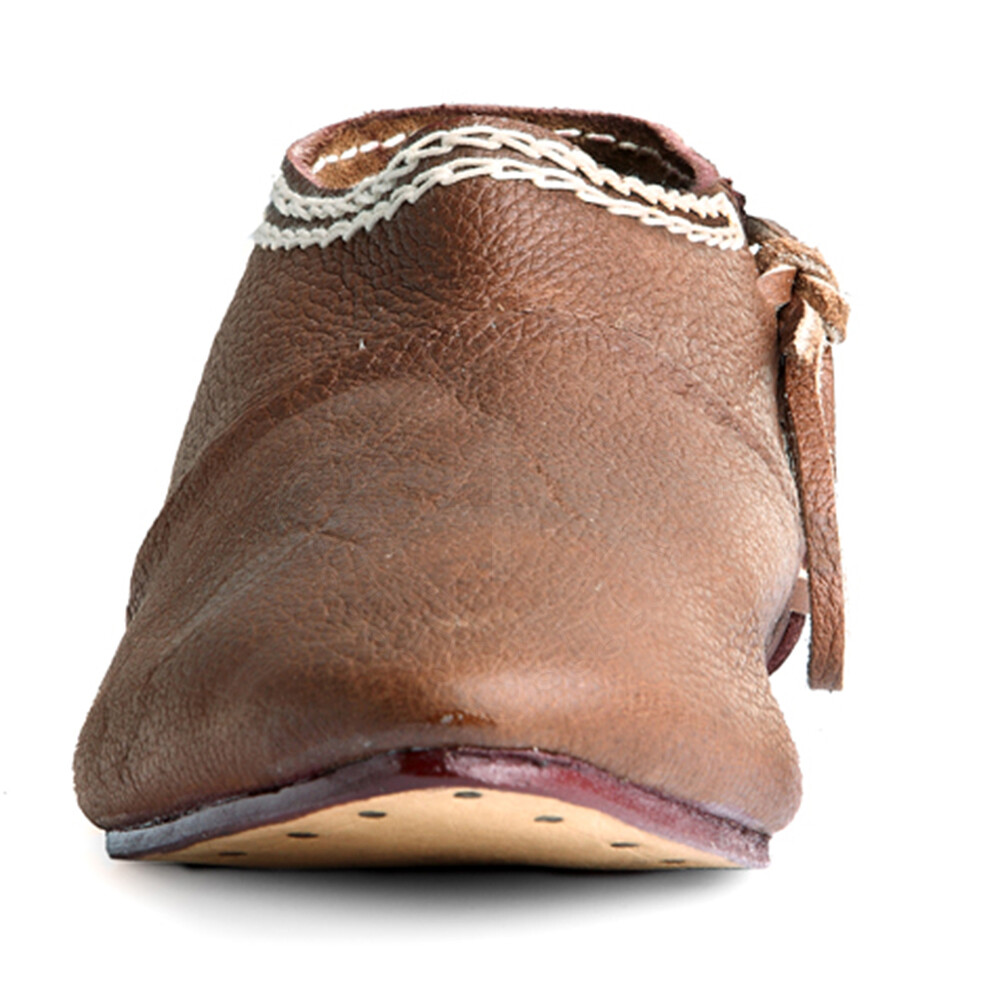

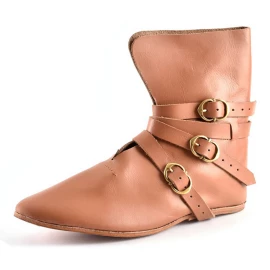
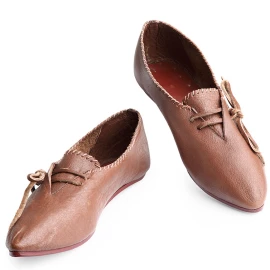
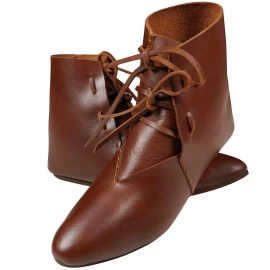
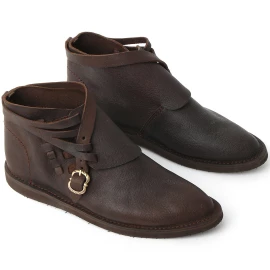
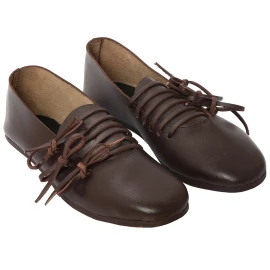
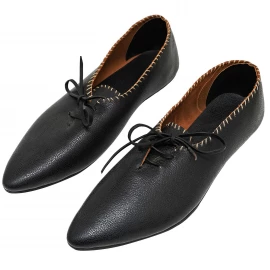
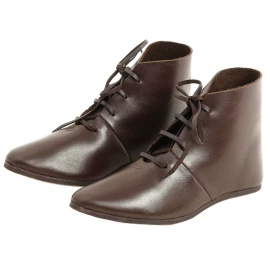
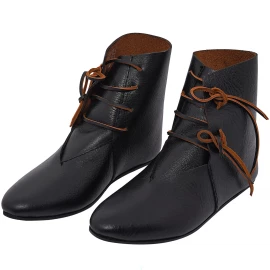
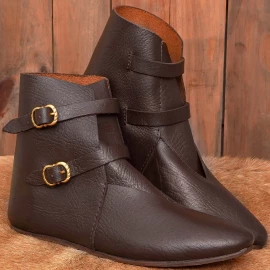
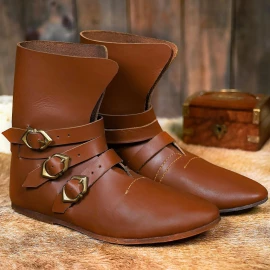
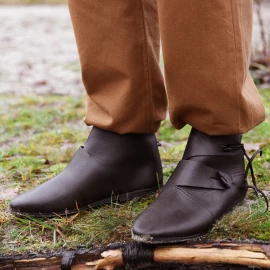
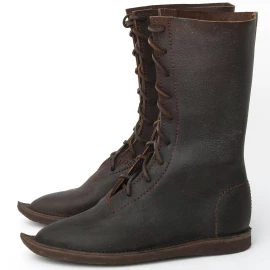
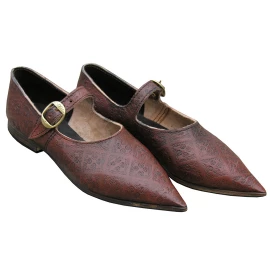
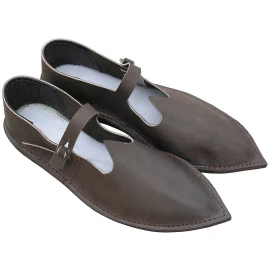
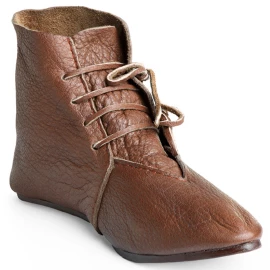
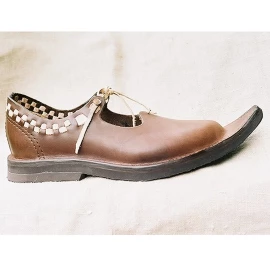
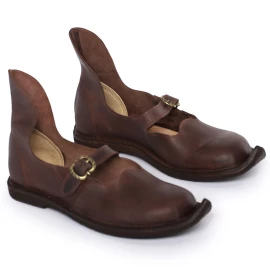
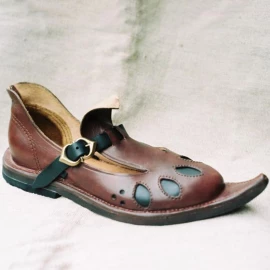
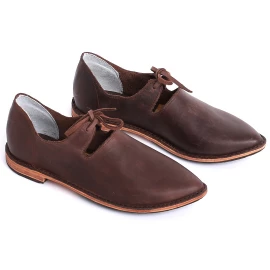
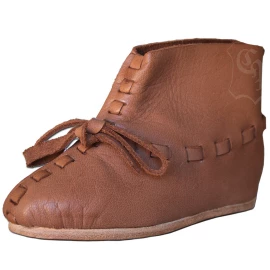
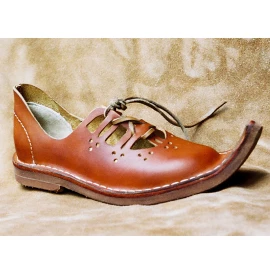
Are you looking for footwear that will take you through the era of the Crusades, the rise of Gothic architecture, and the age of knights without needing to change shoes for every costume? These versatile low shoes are based on archaeological finds and iconography from the period 1150 to 1350. They are the ideal choice for High Middle Ages re-enactment, whether you are portraying a simple burgher, a craftsman, or need comfortable "camp shoes" for a noble character. Further product information ...

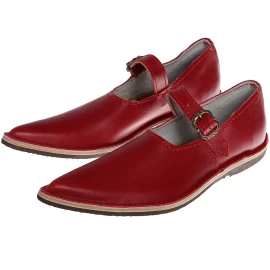
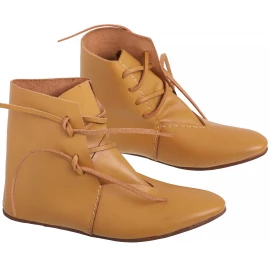
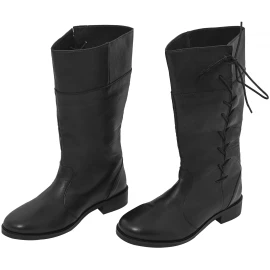
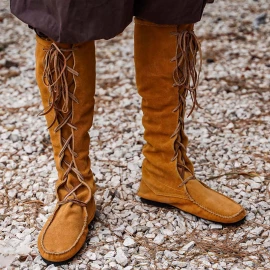
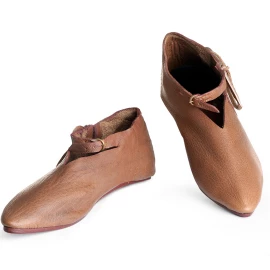
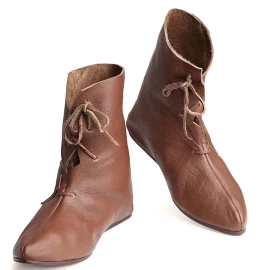
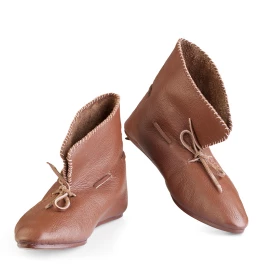
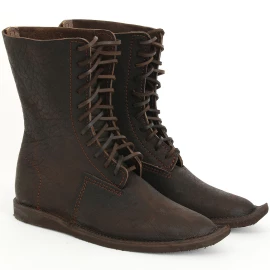
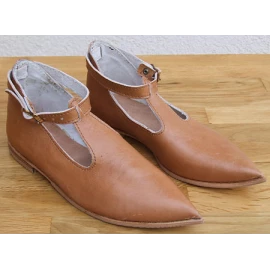
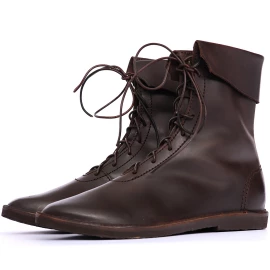
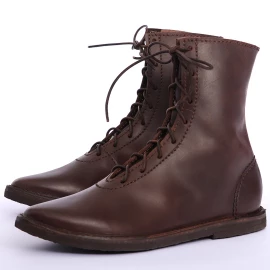
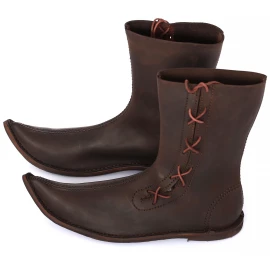
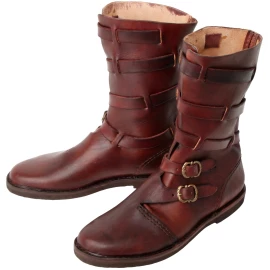
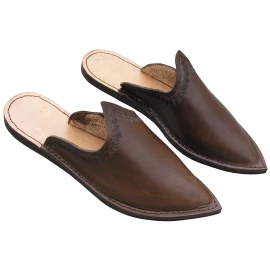
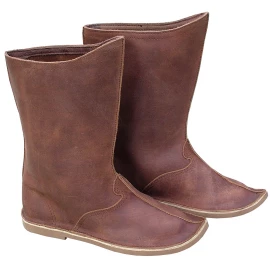
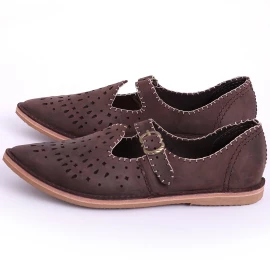
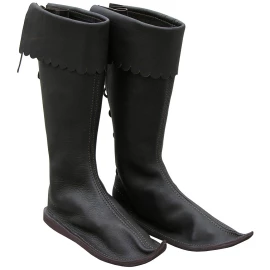
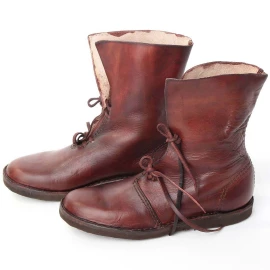
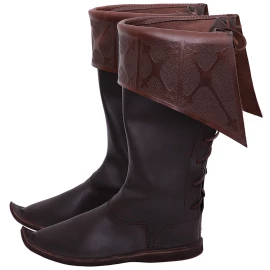
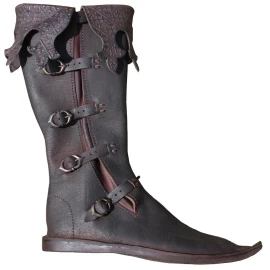
The following variants are currently available:
Medieval Low Shoes – 1150 to 1350
Stylish Simplicity and Functionality
This model features a low cut that does not restrict movement and ensures maximum ankle freedom. The shoes are made of quality natural cowhide, which adapts to the shape of your foot after a short period of wear. The fastening is managed by leather thongs (depending on the specific variation, either side lacing or decorative braiding across the instep), allowing the shoe to be tightened securely and comfortably.
Historical Context
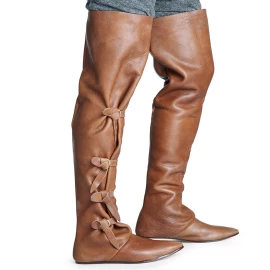
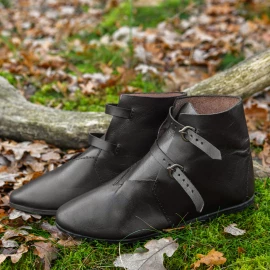
From the 12th to the mid-14th century, low footwear was the absolute standard for most of the population. While riders and soldiers began to prefer taller boots, people chose this type of footwear for daily life in towns and villages. Leather was valuable, so materials were spared – low shoes were economical and practical. They were often worn in combination with woollen hose.
| Parameter | Specification |
|---|---|
| Date | 1150 – 1350 (High Middle Ages) |
| Upper Material | Natural Cowhide |
| Sole | Hardened Leather (smooth) |
| Fastening | Leather lacing |
| Colour | Brown (natural tones) |
| Manufacturer | Marshal Historical |
Important Warning: Slippery Sole
These shoes have an authentic leather sole. This is excellent for historical accuracy and walking on grass or dirt, but on modern smooth surfaces (asphalt, tiles, parquet floors), the shoes are very slippery. Additionally, the leather wears through quickly on rough concrete. For urban events and longevity, we strongly recommend having a cobbler add a rubber sole.
Leather Care
Since this is a natural material dyed using traditional methods, the shade and texture of the leather may vary slightly from piece to piece. To maintain flexibility and water resistance, regularly apply high-quality leather grease or beeswax. Never dry wet shoes near a radiator!
We are here for you!