
 Čeština
 Deutsch


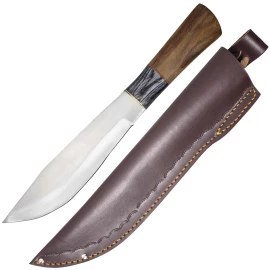
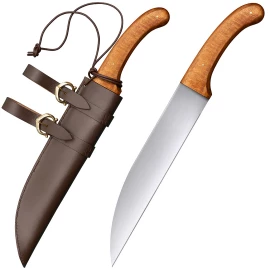
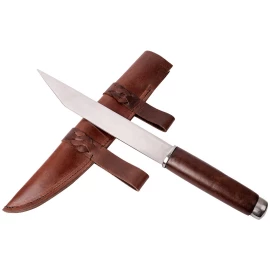
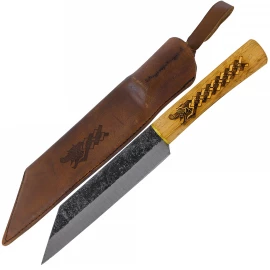
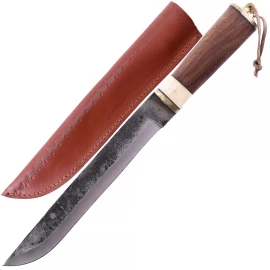
Germanic Sax Knife
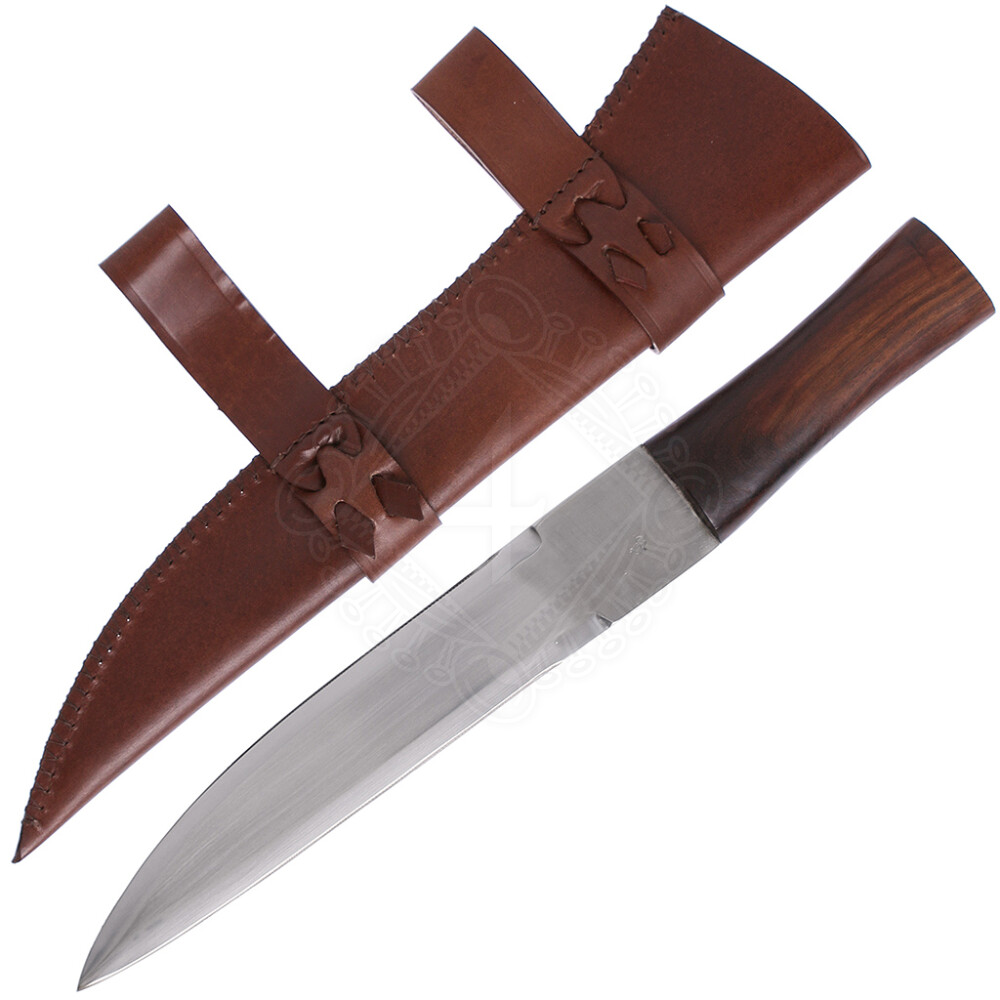
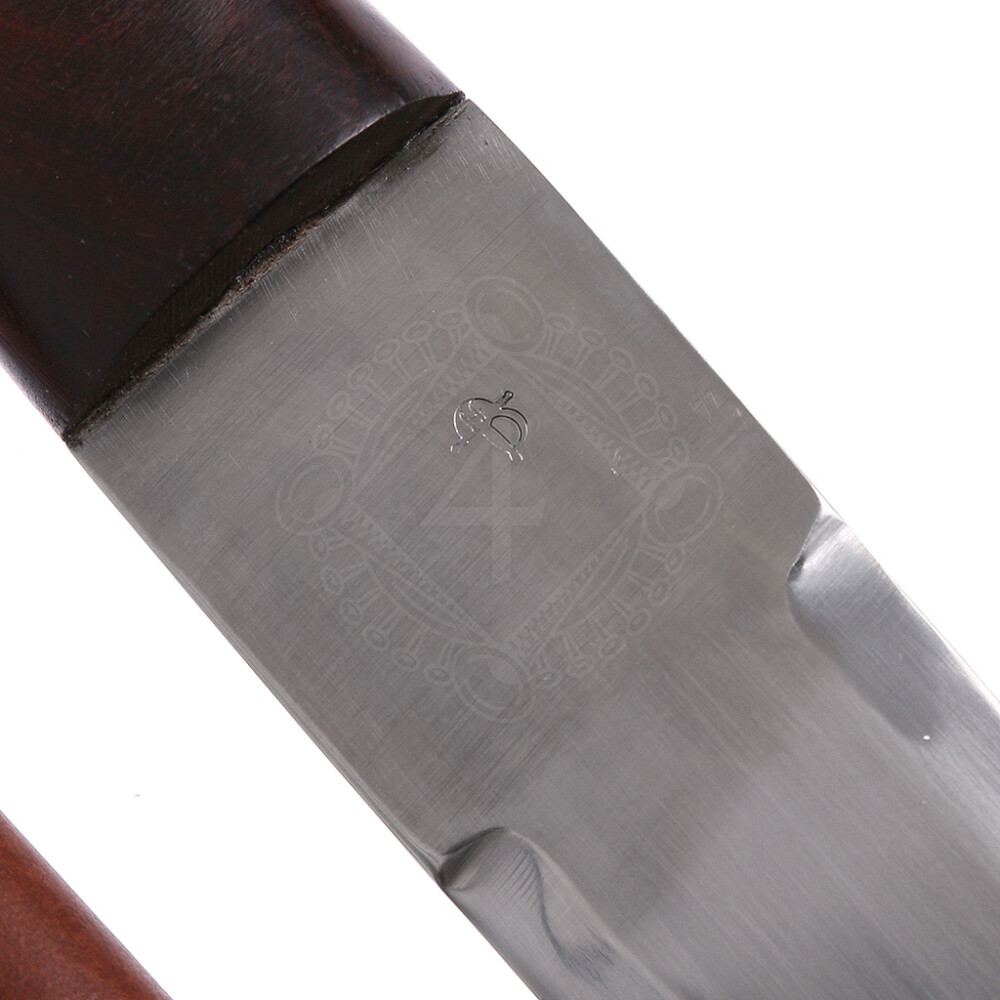
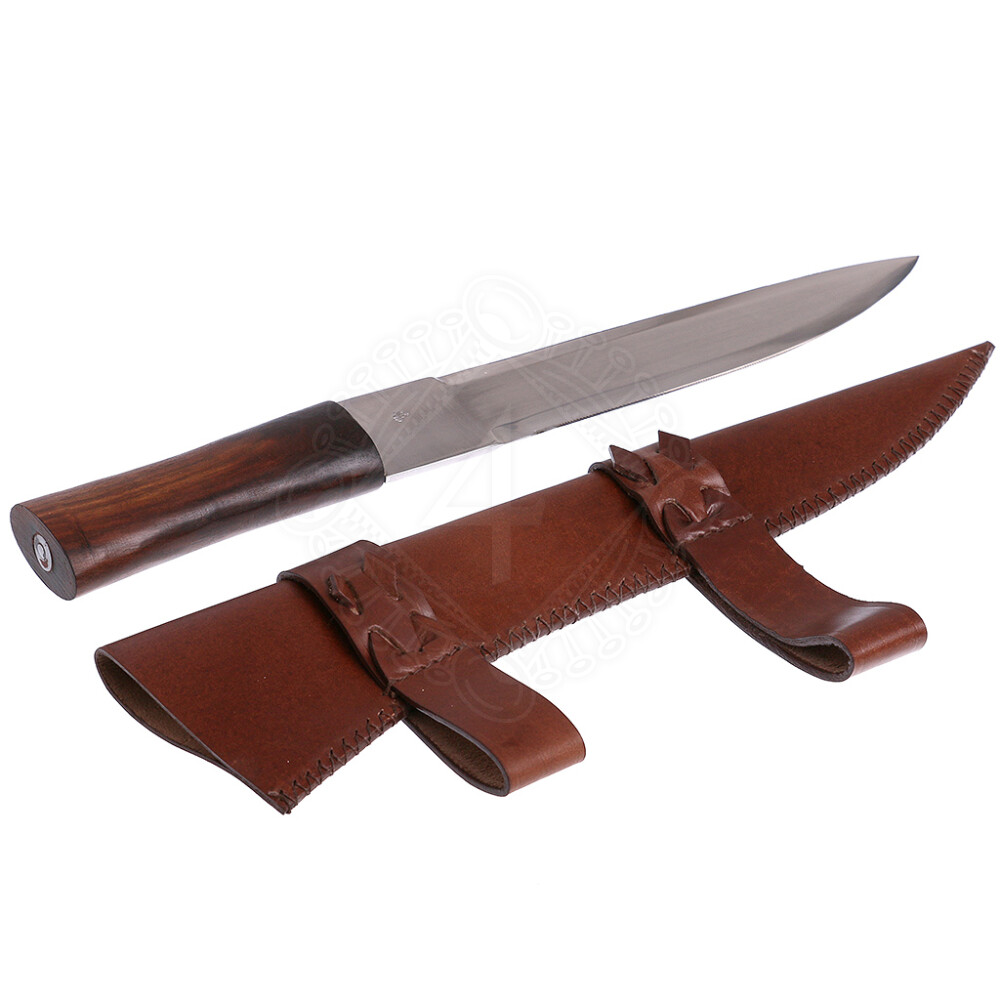
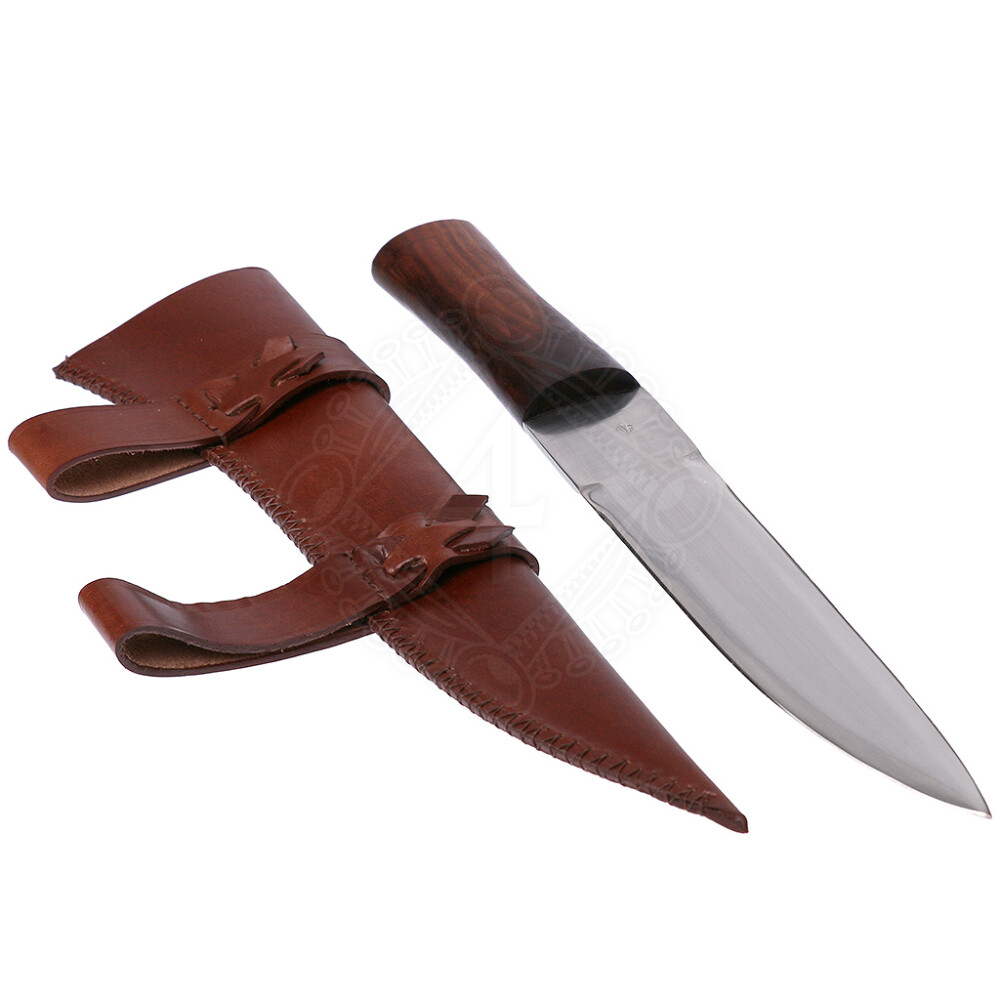
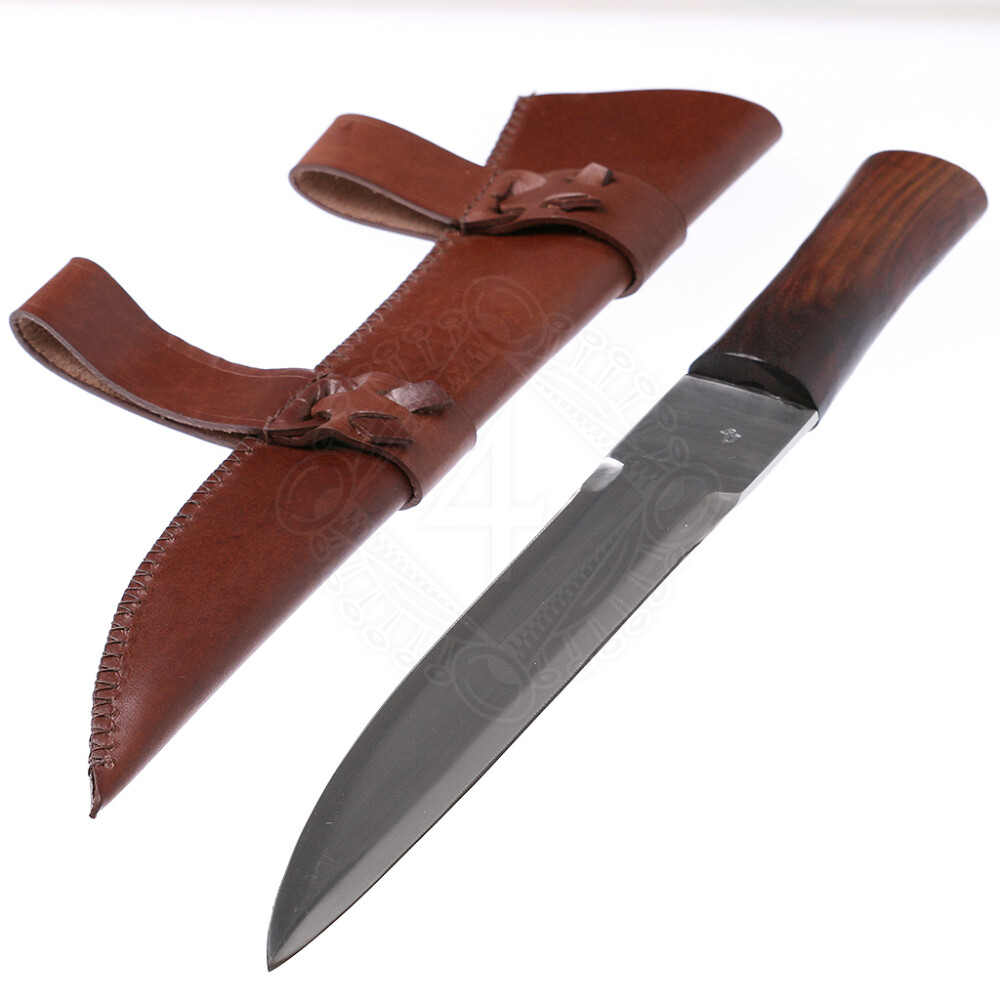
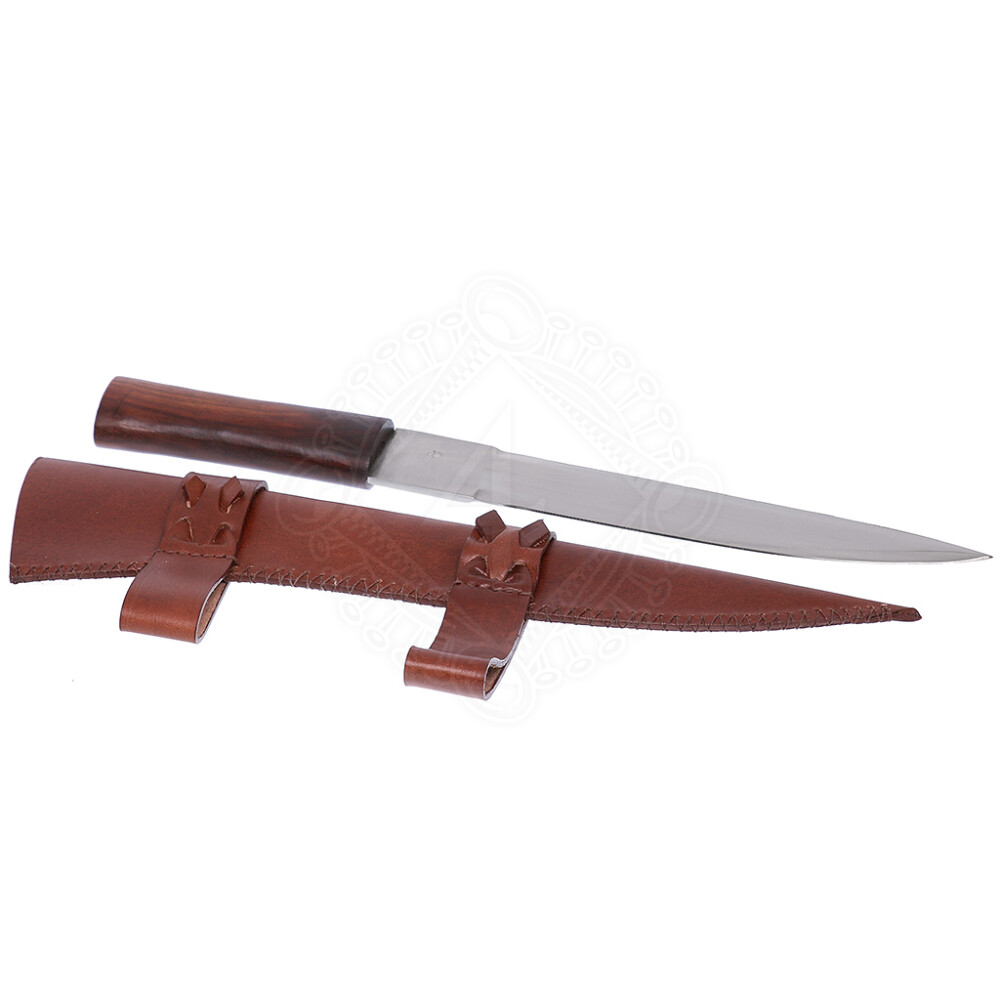
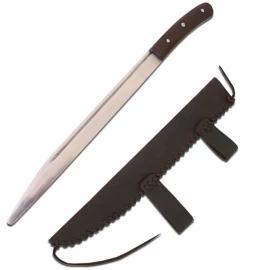
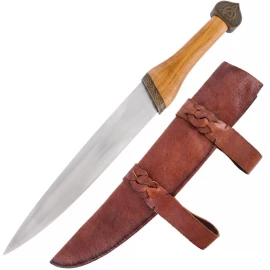
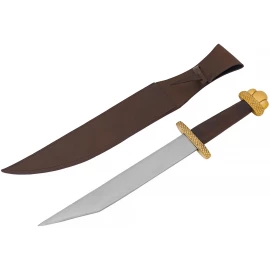
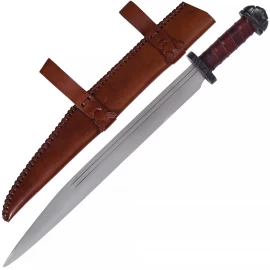
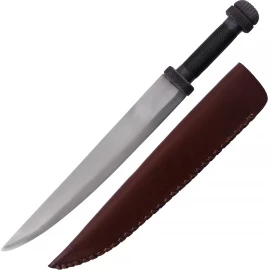
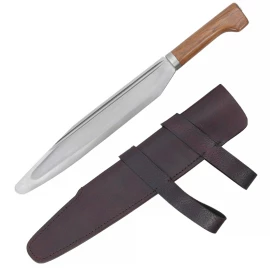
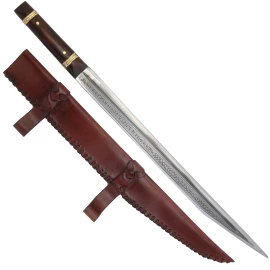
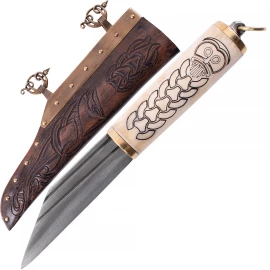
Imagine a tool that accompanied your ancestors through the dense forests of ancient Europe and aided them in building their settlements. This Sax knife is not just a simple replica; it is the embodiment of functionality and the raw beauty of the Early Middle Ages. Featuring an imposing carbon steel blade and an ergonomic solid hardwood handle, you hold a piece of history in your hand that is not afraid of hard work. Included is a robust cowhide leather sheath, designed for traditional horizontal carry on your belt, ensuring lightning-fast access to your blade in any situation. Whether you are a re-enactor, a bushcraft enthusiast, or a collector, this seax provides the authentic feel of a true Norseman or Saxon. Further product information ...
Would you like to be notified as soon as the item is in stock?
You will receive a short e-mail as soon as we have it back in stock.
Germanic Sax Knife with Warm Walnut Wood Grip
Technical Specifications and Craftsmanship
This Sax knife is built for durability. The blade features a full tang that is firmly riveted at the end of the handle over a metal washer, ensuring maximum structural integrity. The edge is factory sharpened, making the knife ready for immediate use.
| Parameter | Value |
|---|---|
| Total Length | approx. 430 mm (16.9") |
| Blade Length | approx. 295 mm (11.6") |
| Blade Material | Carbon Steel (not stainless) |
| Blade Thickness | approx. 4.3 mm (0.17") |
| Blade Width at Handle | approx. 49.4 mm (1.94") |
| Handle Material | Hardwood (walnut finish) |
| Knife Weight | approx. 476 g (1.05 lbs) |
| Sheath Material | Genuine cowhide (2 mm / 5 oz thickness) |
| Sheath Weight | approx. 146 g (0.32 lbs) |
Historical Context: The Blade That Named a Nation
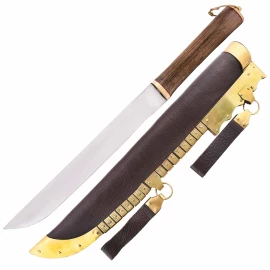
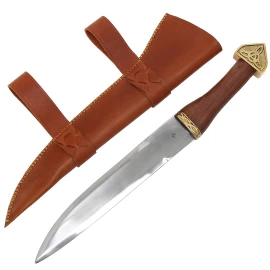
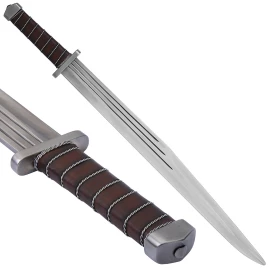
The term Sax (also known as seax or scramasax) refers to a typical single-edged weapon that was immensely popular in Central and Northern Europe from the Migration Period through the Viking Age. Interestingly, the Saxon tribe derived its name directly from this weapon, which was carried by every free man. The seax served as a universal tool – by day, it assisted in butchering game or woodworking; by night, in the hands of an experienced warrior, it was a deadly means of defense. It was a "democratic" weapon; while few could afford an expensive sword, nearly everyone had a reliable seax at their hip.
Usage Guidelines and Maintenance
This knife is a sharp replica of a European bladed weapon. You can use it for historical re-enactment, outdoor activities, or as a display piece. However, never use it for contact sparring or combat practice against another person. The sharp blade and point can cause serious or fatal injury. Always be cautious when handling the knife and prioritize your safety and the safety of others.
How to Care for Your Sax:
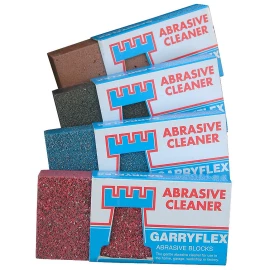
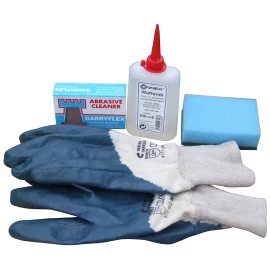
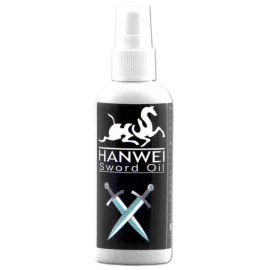
- The Blade: Since it is made of carbon steel, it is susceptible to rust. After each use, wipe it dry and apply a thin layer of oil (e.g., Ballistol or mineral oil).
- The Handle: Wood is a natural material. If it appears dry, you can treat it with linseed oil or beeswax.
- The Sheath: Keep the leather supple using a leather balm to prevent cracking.
- What to Avoid: Never leave the knife in a damp sheath for extended periods and do not expose it to harsh chemicals.
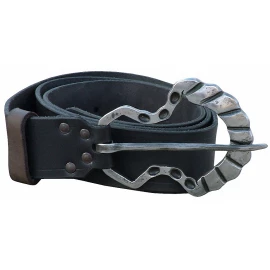
For a perfect historical look, we recommend pairing this knife with a sturdy leather belt and a linen tunic, creating an authentic outfit for an early medieval warrior.
You might also be interested in our range of hand-forged fire steels, which, combined with this seax, make the ideal kit for historical camping.
We are here for you!





.3773623034.1696456237.png.webp)

.3773623034.1696456268.png.webp)
.3773623034.1696456247.png.webp)