 Čeština
 Deutsch


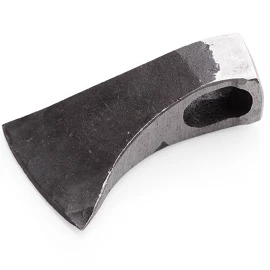
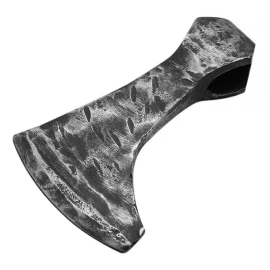
Hand-Forged Viking Bearded Axe Head for Stage Combat
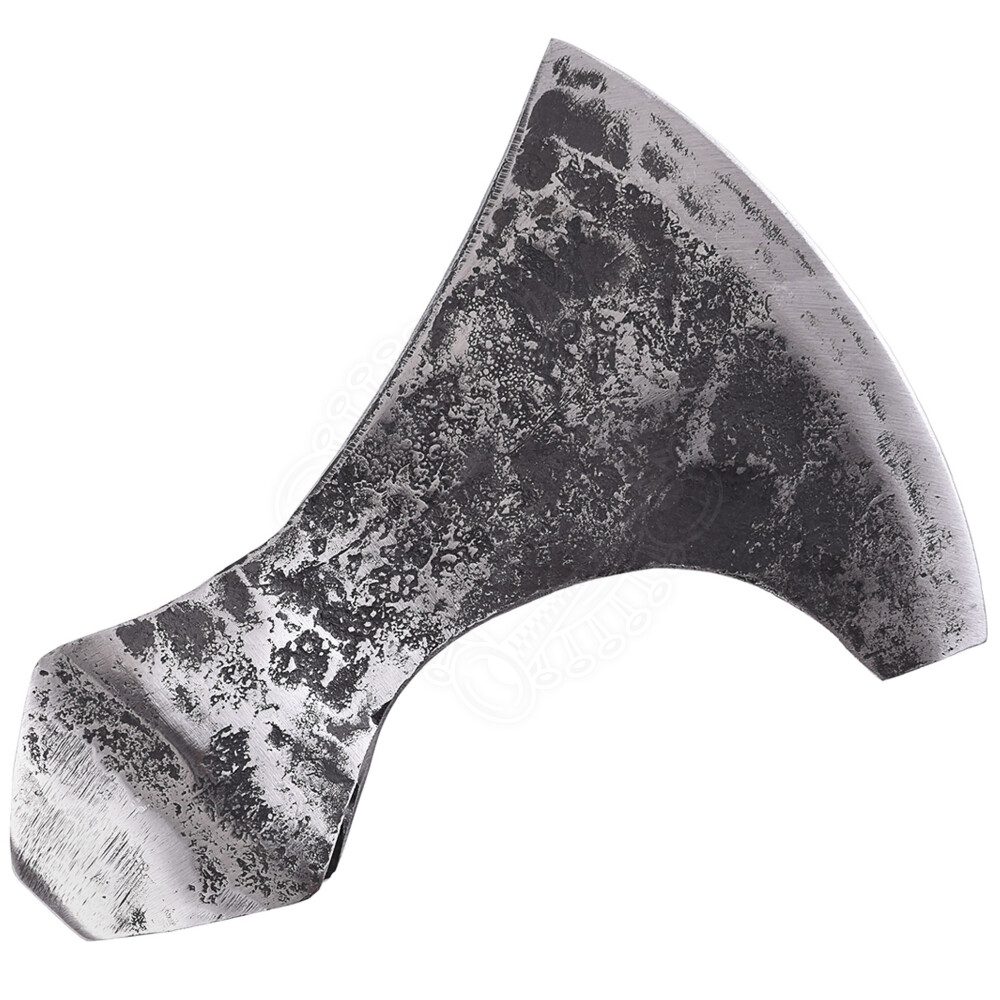
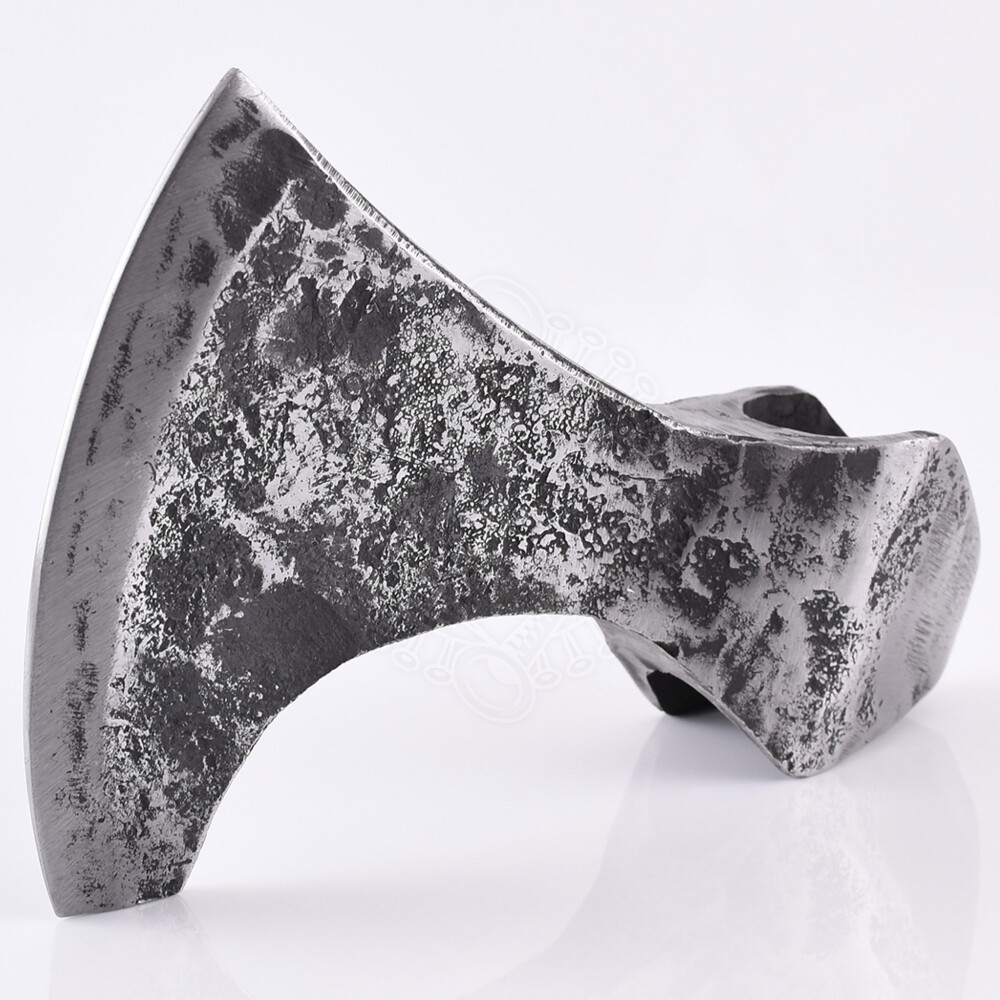
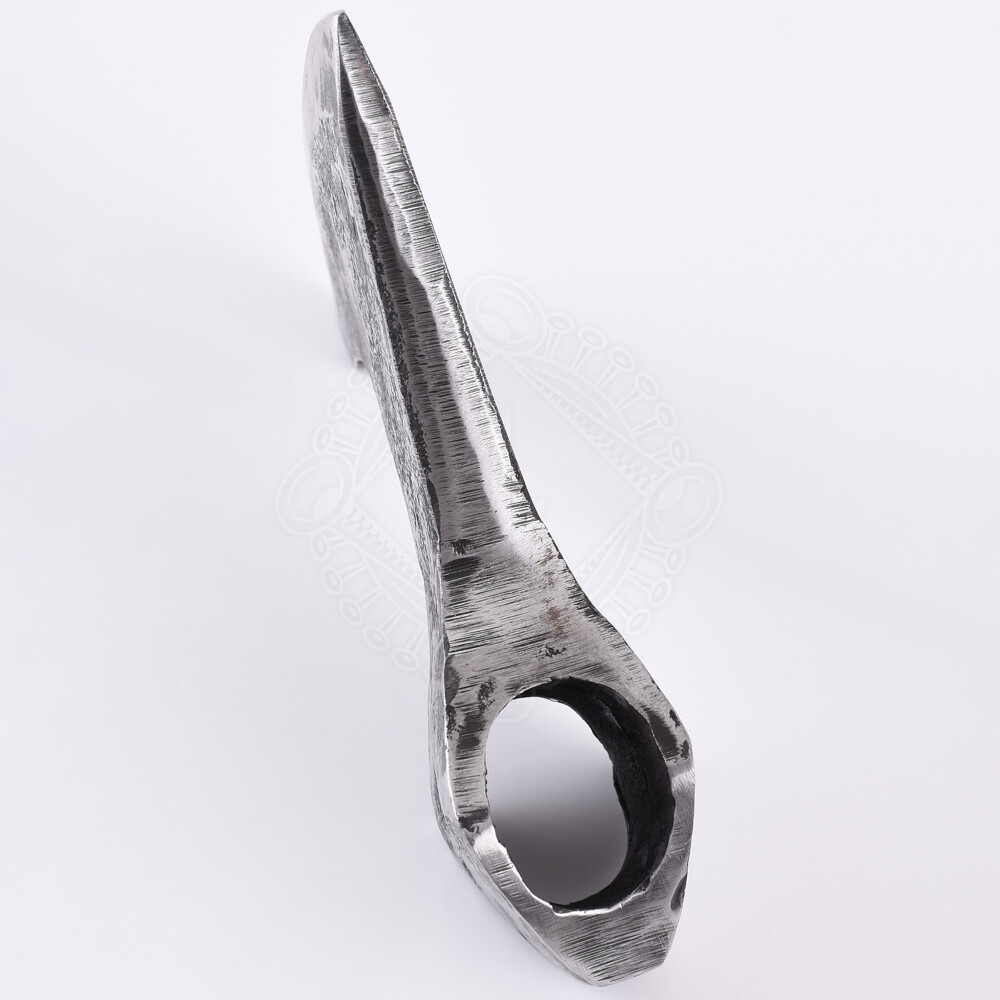
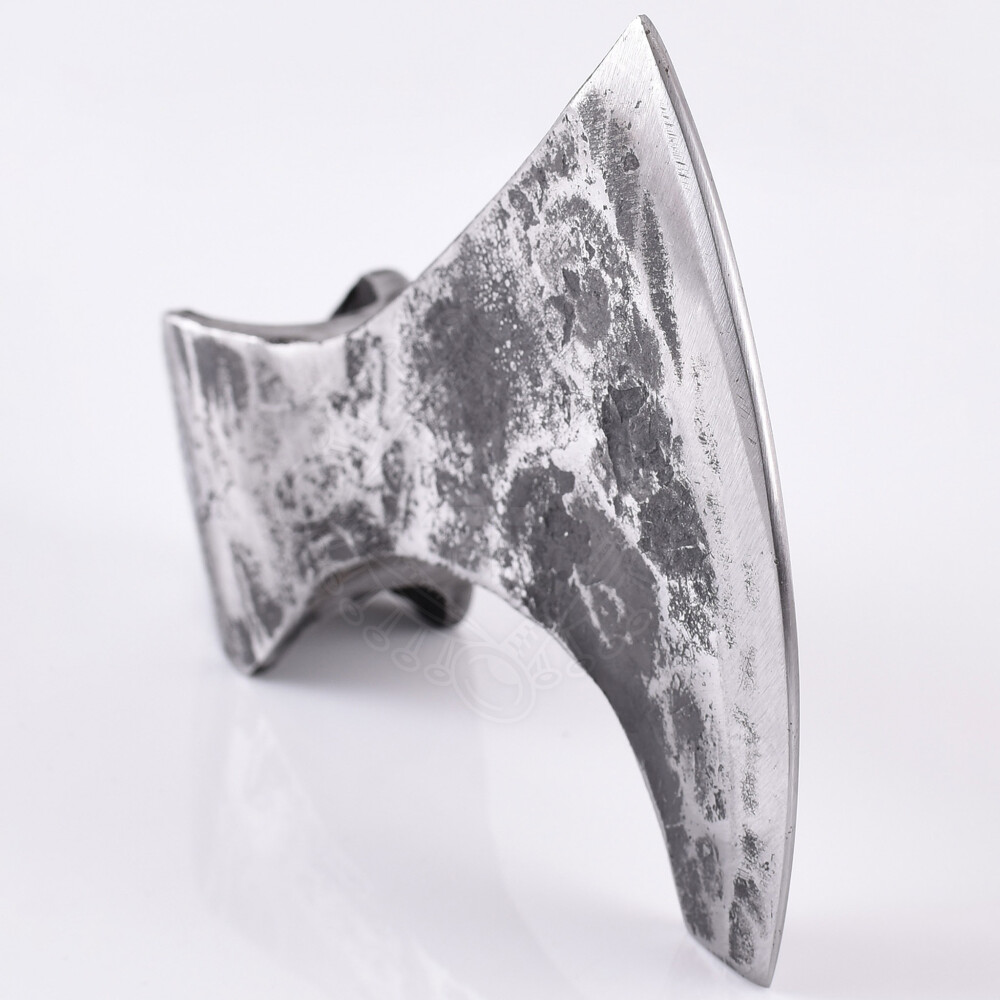
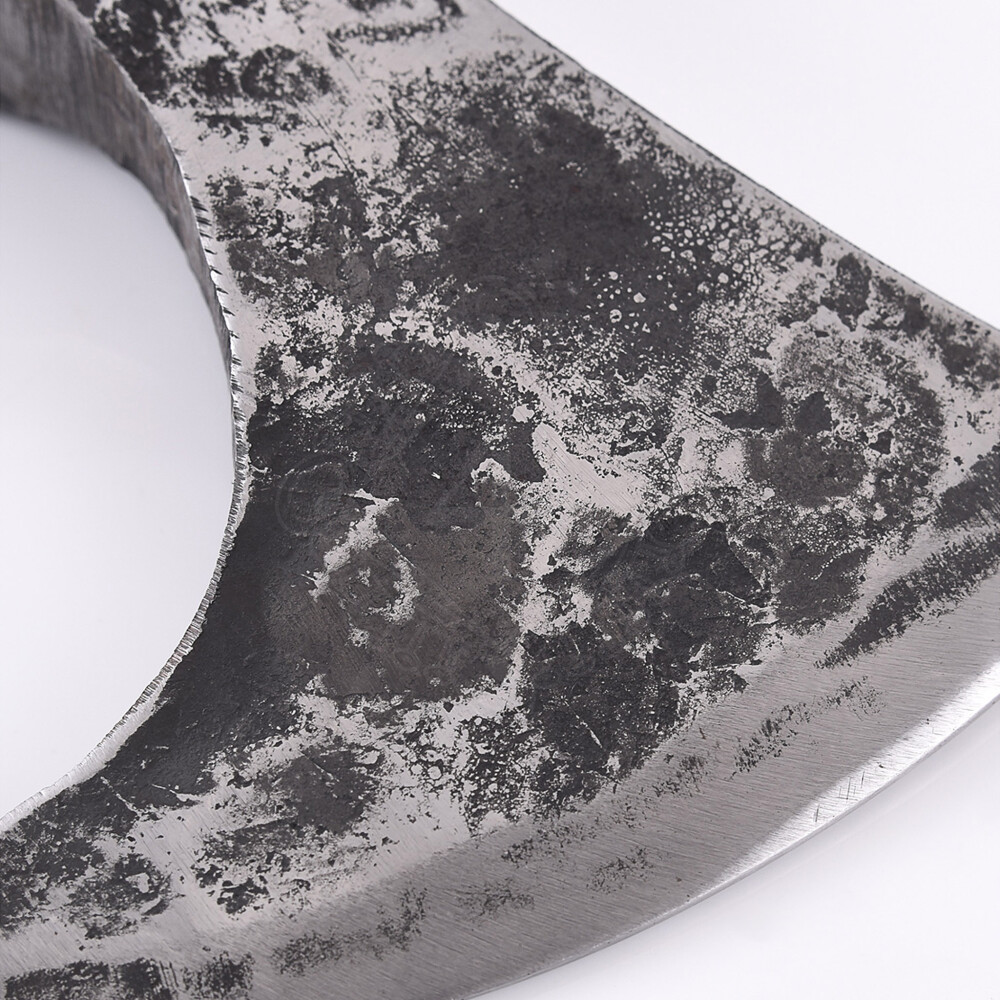
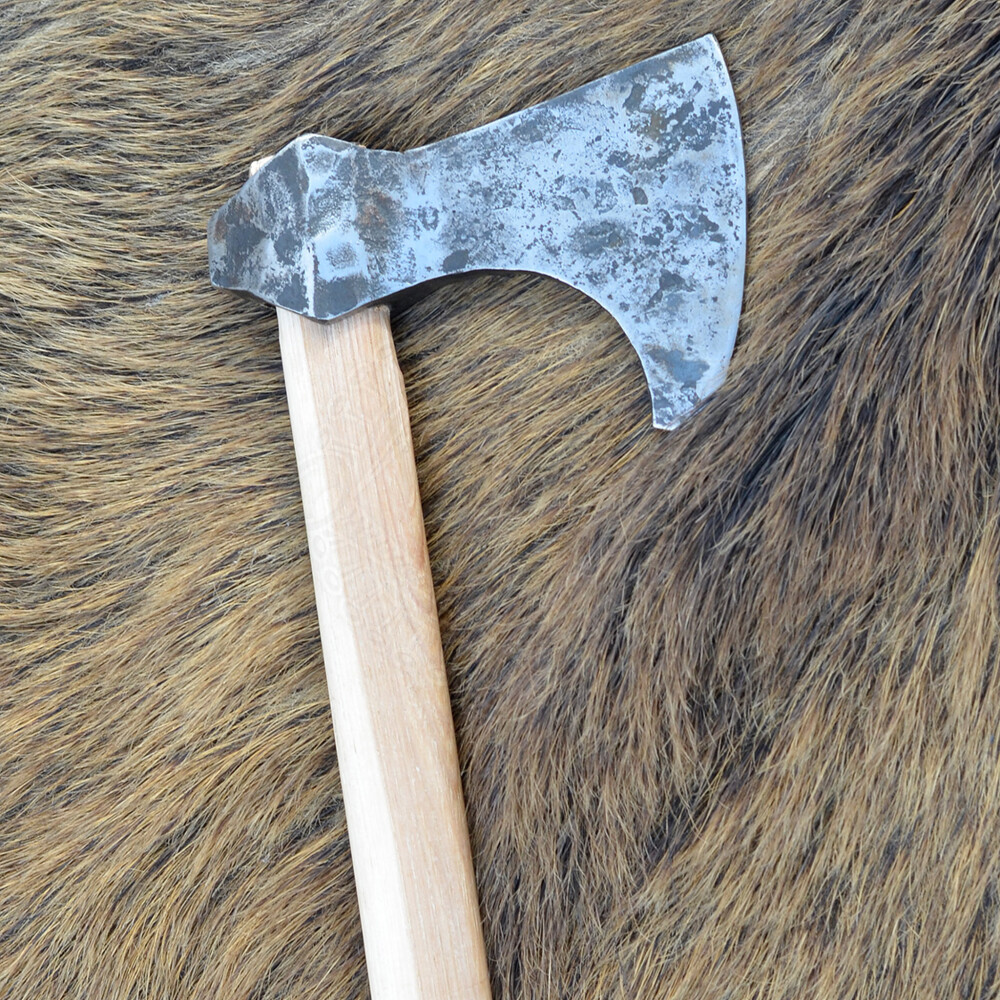
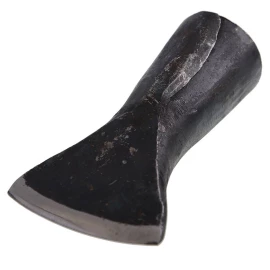
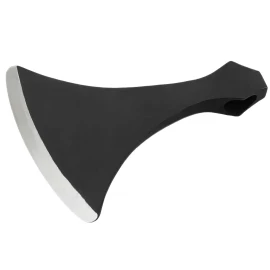
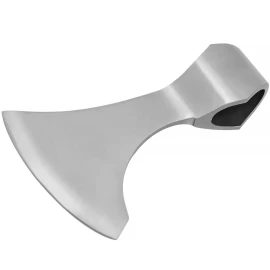
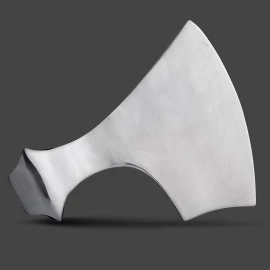
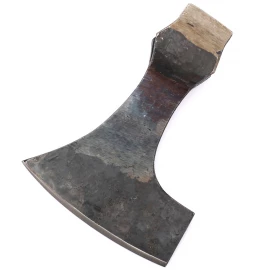
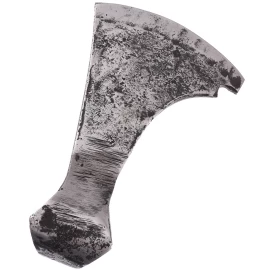
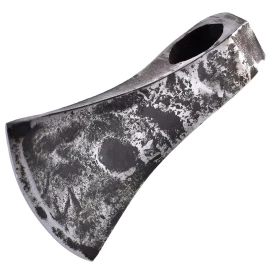
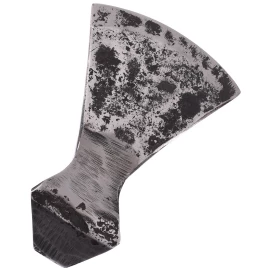
Are you looking to build your own Viking axe for stage combat? This hand-forged bearded axe head is the perfect foundation. It is crafted from high-quality carbon steel and is deliberately left with a rough, rustic finish, complete with visible hammer marks from the forging process. The blunt and rounded edge ensures maximum safety during practice and in the heat of battle, minimizing the risk of injury and damage to your opponent's weapons or armour. As a product of the prestigious ULFBERTH® brand, quality is assured. Further product information ...

Hand-Forged Viking Bearded Axe Head for Stage Combat
Build Your Own Weapon
This axe head gives you the unique opportunity to become your own armourer for a moment. It is supplied without a shaft, allowing you to choose the length, shape, and type of wood precisely to your liking. Ash wood was traditionally used for Viking axes due to its strength and flexibility. Whether you are involved in historical combat, reenactment, LARP, or simply looking for an authentic accessory for your costume, this axe head is an excellent choice. It also serves as a great rustic decoration for any enthusiast of Viking history.
The Bearded Axe in Viking Hands
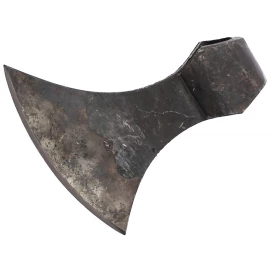
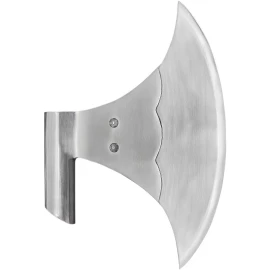
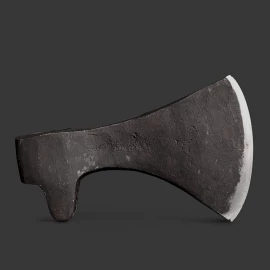
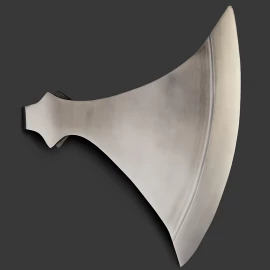
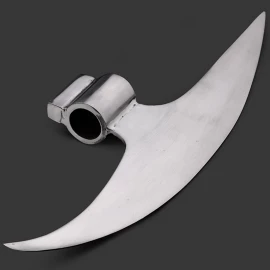
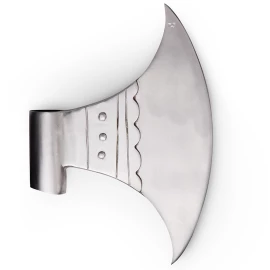
The axe, known in Old Norse as the Skeggox (from skegg for beard and ox for axe), was far more than just a weapon to the Vikings—it was a universal tool for daily life. Unlike swords, which were expensive and represented a status symbol, an axe was part of every man's standard equipment. It was used for building ships, houses, and for general woodwork. The characteristic "bearded" shape—the extended lower part of the blade—had two main advantages: it increased the length of the cutting edge without significantly adding to the weight, and it allowed the user to hook and pull away an opponent's shield or weapon.
A Glimpse Into History
Although the axe was a common tool, some examples were true works of art, decorated with silver inlays and intricate engravings, testifying to the high status of their owner. In battle, Vikings often used axes in combination with a shield, forming a feared and formidable shield wall.
How to Care for Your Axe Head
Since the head is made of carbon steel, it is susceptible to rust. To maintain its appearance and functionality, follow these simple steps:
- Dry it thoroughly after each use.
- Regularly apply a thin coat of oil (e.g., mineral oil, gun oil, or even vegetable oil).
- Store it in a dry place.
- If light surface rust appears, you can easily remove it with fine steel wool and oil.
Safety First
Even though this replica is designed for stage combat with a blunt edge, it is still a solid piece of steel. Always exercise extreme caution when using it. Wear full protective gear, including a helmet and gauntlets. Before each use, check that the head is securely fitted to the shaft. Only practice with trained partners and never aim at unprotected parts of the body.
Technical Specifications
- Head Weight: approx. 650 g
- Overall Length: approx. 155 mm
- Blade Length: approx. 11 cm
- Eye Size (for shaft): approx. 25 x 33 mm
- Material: Carbon Steel
- Edge: Blunt, rounded edges
- Brand: ULFBERTH®
Important Note on Hardening
The manufacturer states that the steel may be hardened, but does not provide a specific hardness rating. Based on our experience and for your safety, we recommend treating this axe head as unhardened. For more demanding use in battle, you might consider having it professionally hardened by a local blacksmith.
We are here for you!