
 Čeština
 Deutsch


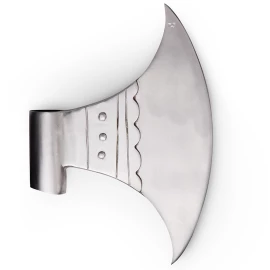
La Tène Socketed Axe, Hand-Forged Replica
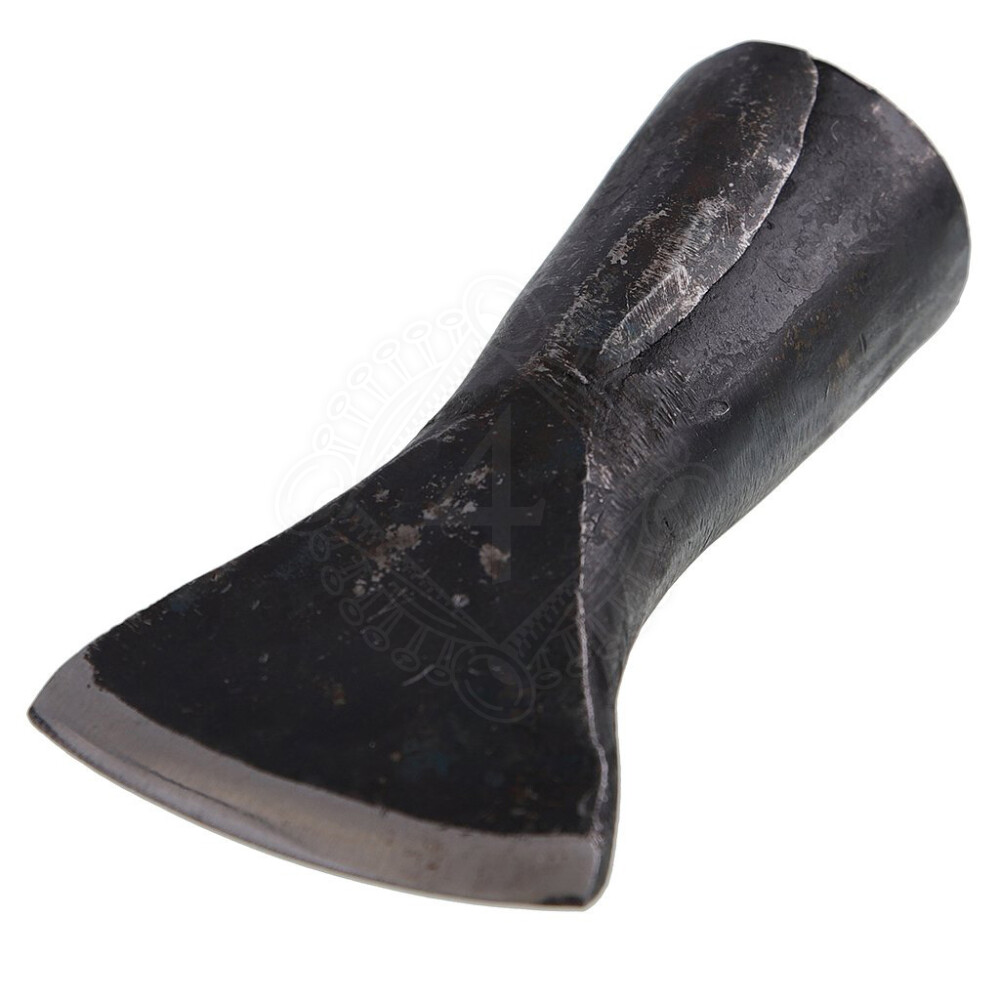
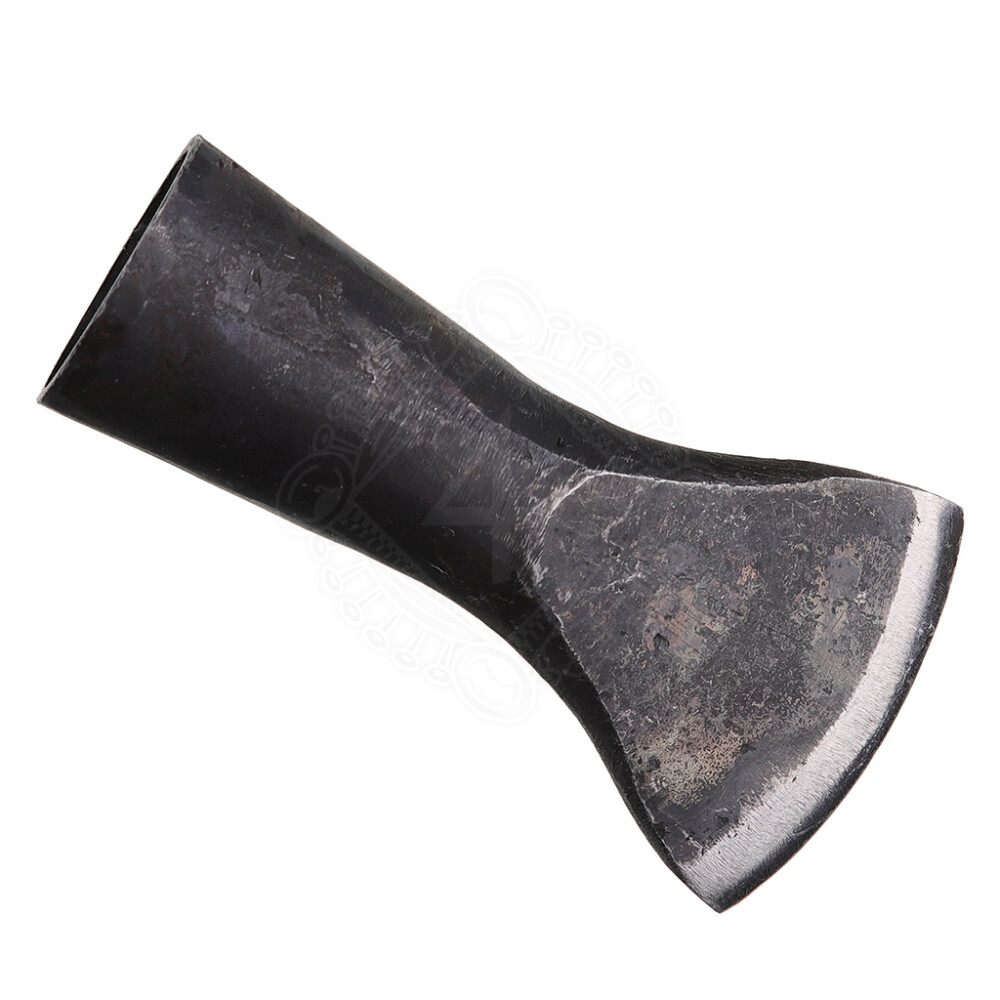
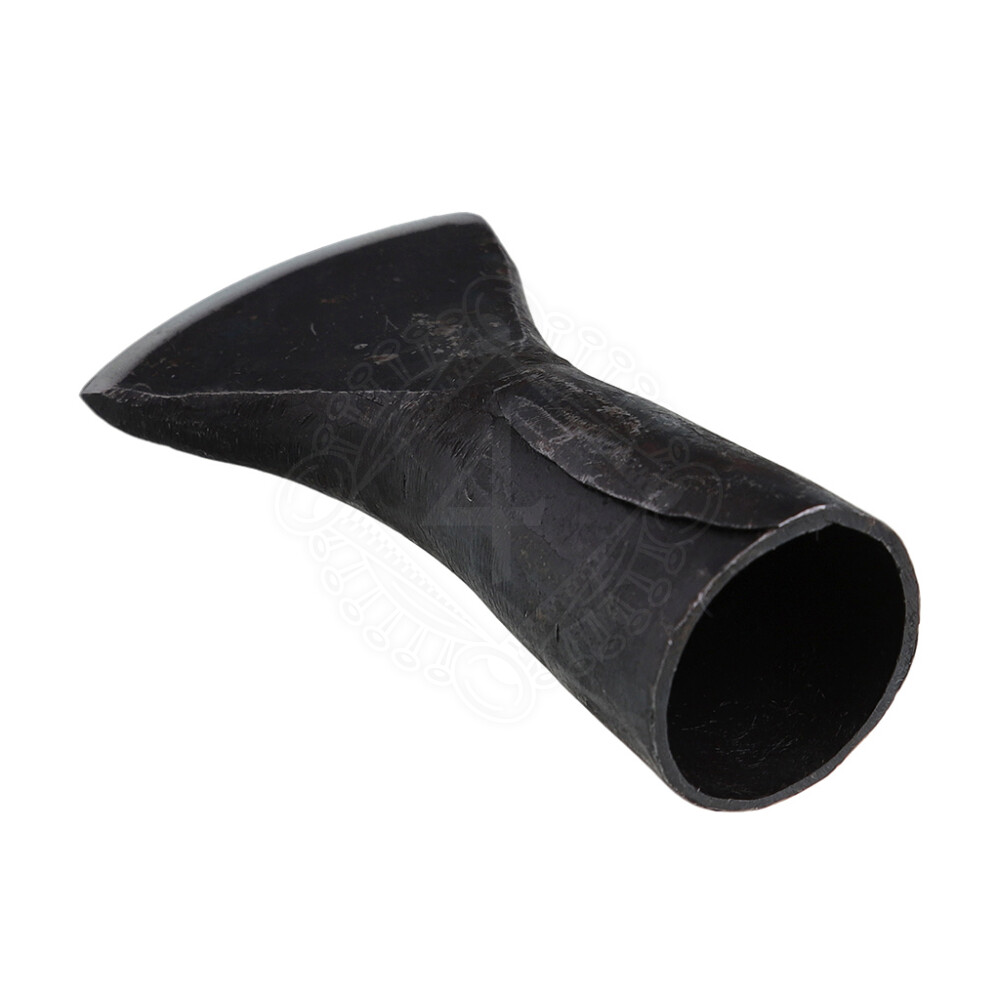
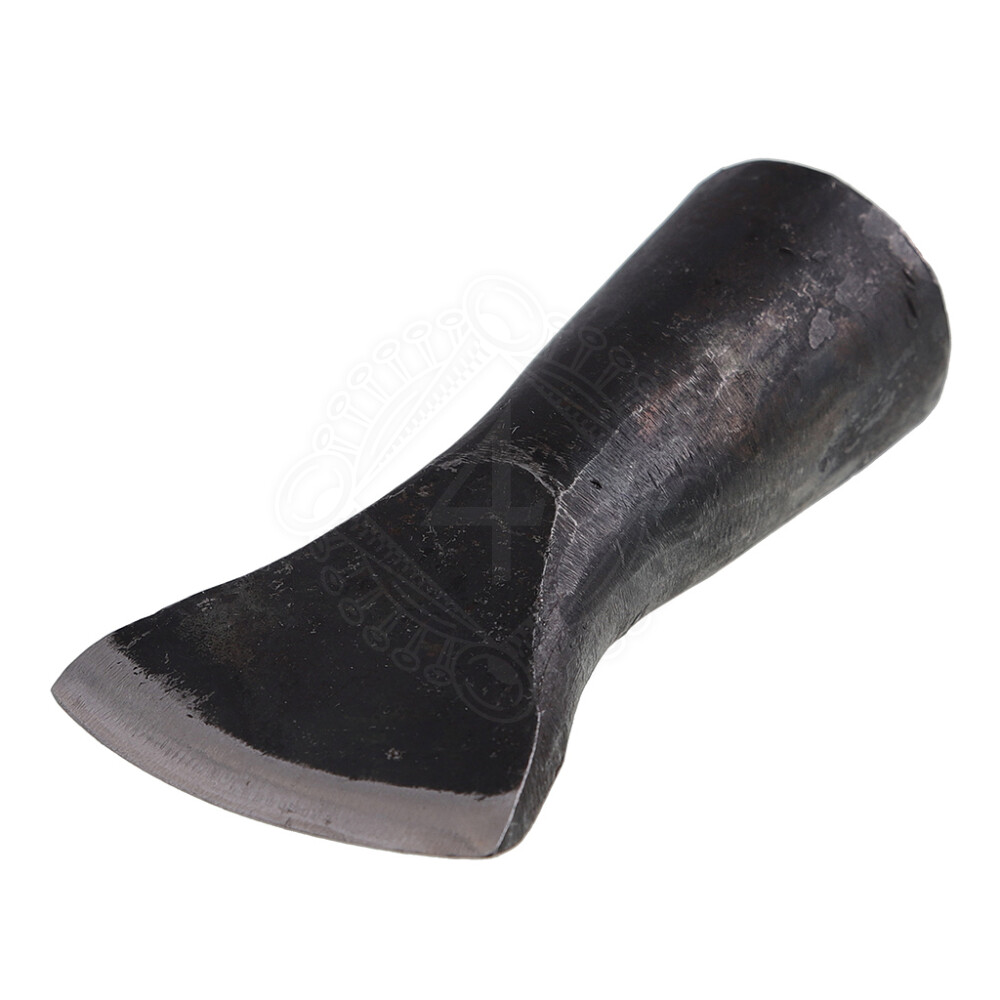

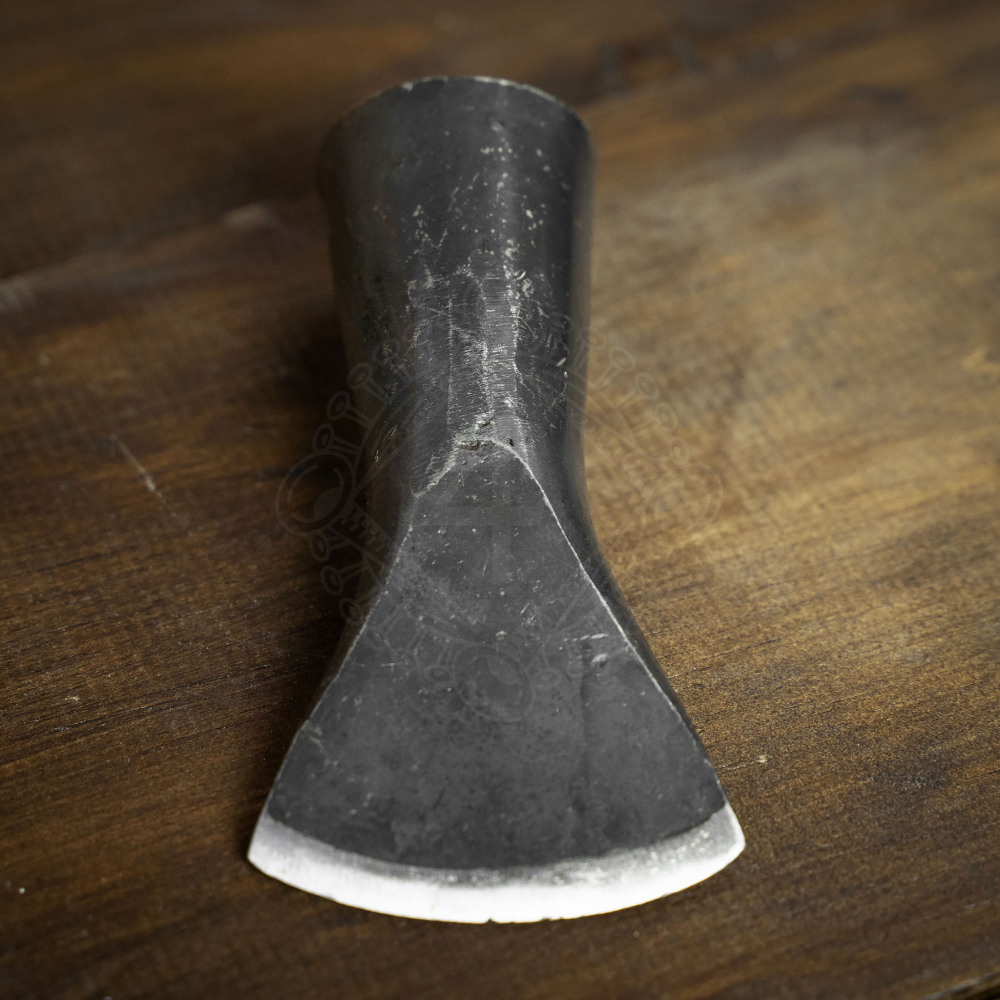

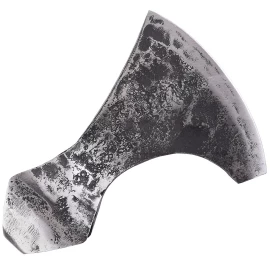
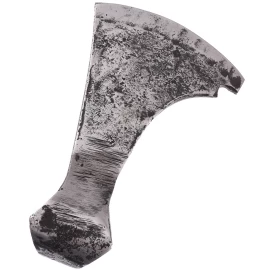
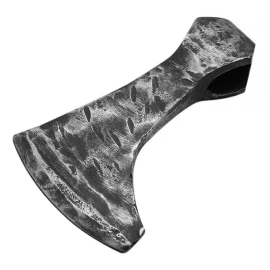
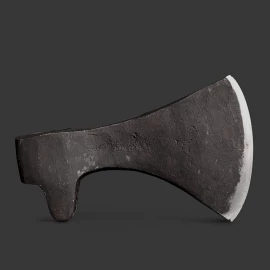
Step back into the Iron Age with this meticulous, hand-forged replica of a La Tène period axe. This type of axe, with its characteristic socket for hafting, was a crucial and versatile tool that defined the daily life and craftsmanship of the Celts, Germanic tribes, and Romans. Its robust and authentic design makes it the perfect accessory for your reenactment gear, collection, or as a functional tool for experimental archaeology and traditional woodworking. Further product information ...

 Delivery options
La Tène Socketed Axe, Hand-Forged Replica
A Step Back into the Iron Age
Authentic Craftsmanship
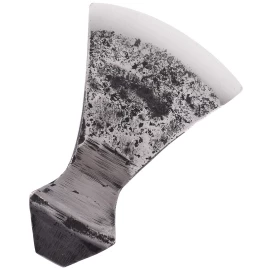
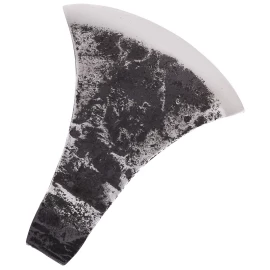
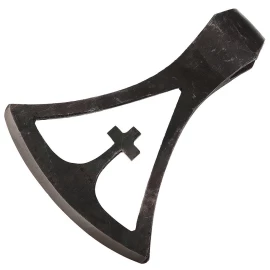
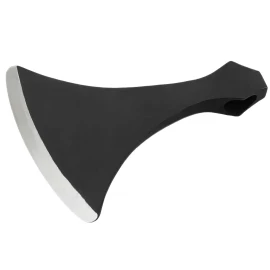
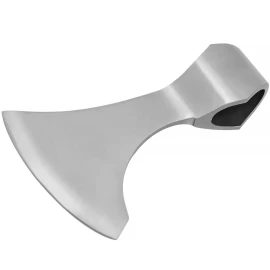
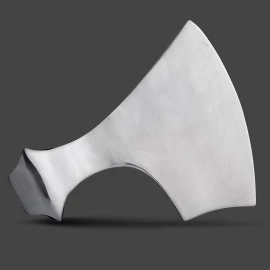
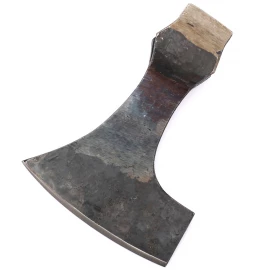
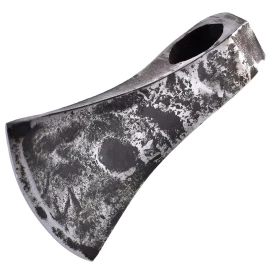
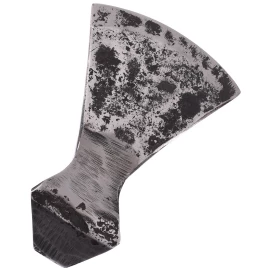
This axe head is hand-forged, giving it a raw and historically faithful appearance. The surface bears the marks of handcrafting and a dark patina, just as you would expect from an Iron Age tool. This is not a modern, polished product, but an honest replica that breathes history. The shape, with its flared blade and cylindrical socket, accurately matches archaeological finds from the La Tène period.
A Design Proven by Centuries
The invention of the socketed axe was a technological revolution. The socket, a hollow tube for inserting the handle, allowed for a much stronger and more reliable connection than earlier axe types. This made it a highly effective tool for working with wood.
A Tool of Celts, Romans, and Germanic Peoples
Versatile Use in History
Primarily, this axe was a carpentry and logging tool. It was used to fell small trees, limb branches, and shape wood for building dwellings, fortifications, or crafting everyday objects. In a pinch, however, it could quickly be turned into an effective weapon. This makes it ideal for any reenactor who wants to portray life in the Iron Age as accurately as possible.
Historical Tidbit: The Knee-Shaft Handle
This type of axe was not mounted on a straight handle as we are used to today. Traditionally, a so-called "knee-shaft" handle was used—a carefully selected and worked, naturally curved branch (most often from ash or oak). This L-shape provided excellent ergonomics, leverage, and naturally absorbed shock during use, making every strike more efficient.
Detailed Specifications
| Parameter | Value |
|---|---|
| Overall Dimensions | approx. 10 x 6 x 3 cm (3.9 x 2.4 x 1.2 in) |
| Inner Socket Diameter | approx. 35 mm (1.4 in) |
| Weight | approx. 250 g (8.8 oz) |
| Edge Thickness | approx. 1 mm (delivered sharp) |
| Material | High Carbon Steel (not stainless) |
Please note: The wooden handle is not included.
Care and Maintenance
Just like the historical originals, this replica is made from a material that is susceptible to corrosion. To maintain its appearance and functionality, keep it dry. After each use, especially in a damp environment, dry it thoroughly and treat it with a thin layer of protective oil (e.g., Ballistol or mineral oil).
Disclaimer and Safety
The axe head is delivered with a sharp edge approximately 1 mm thick. It is not a blunt weapon for stage combat. Once mounted on a handle, it becomes a fully functional and dangerous tool. Exercise extreme caution during all handling. Although this is a functional replica, we sell it primarily as a decorative item and historical accessory. We assume no liability for damages resulting from practical use.
We are here for you!





.3773623034.1696456237.png.webp)

.3773623034.1696456268.png.webp)
.3773623034.1696456247.png.webp)