 Čeština
 Deutsch


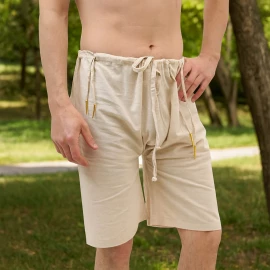
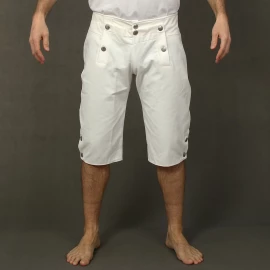
Medieval Underwear – 14th & 15th Century Linen Braies
2x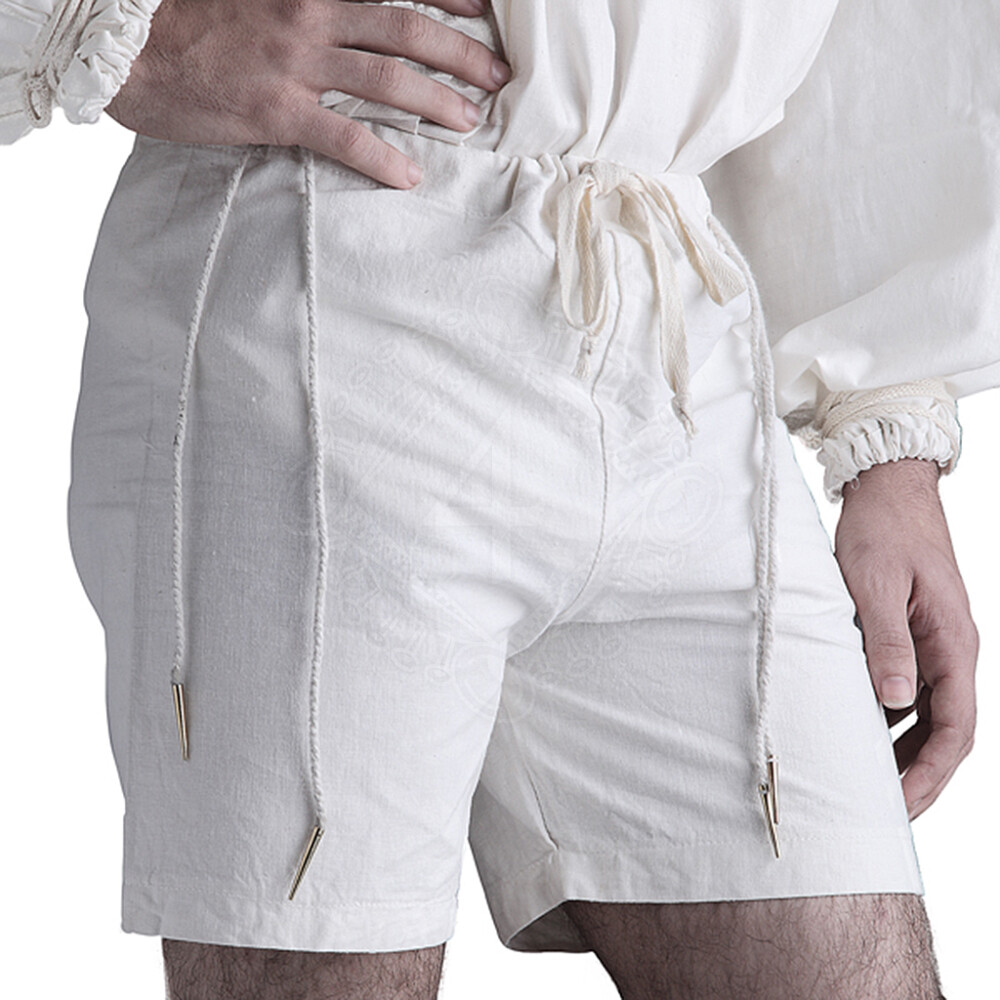
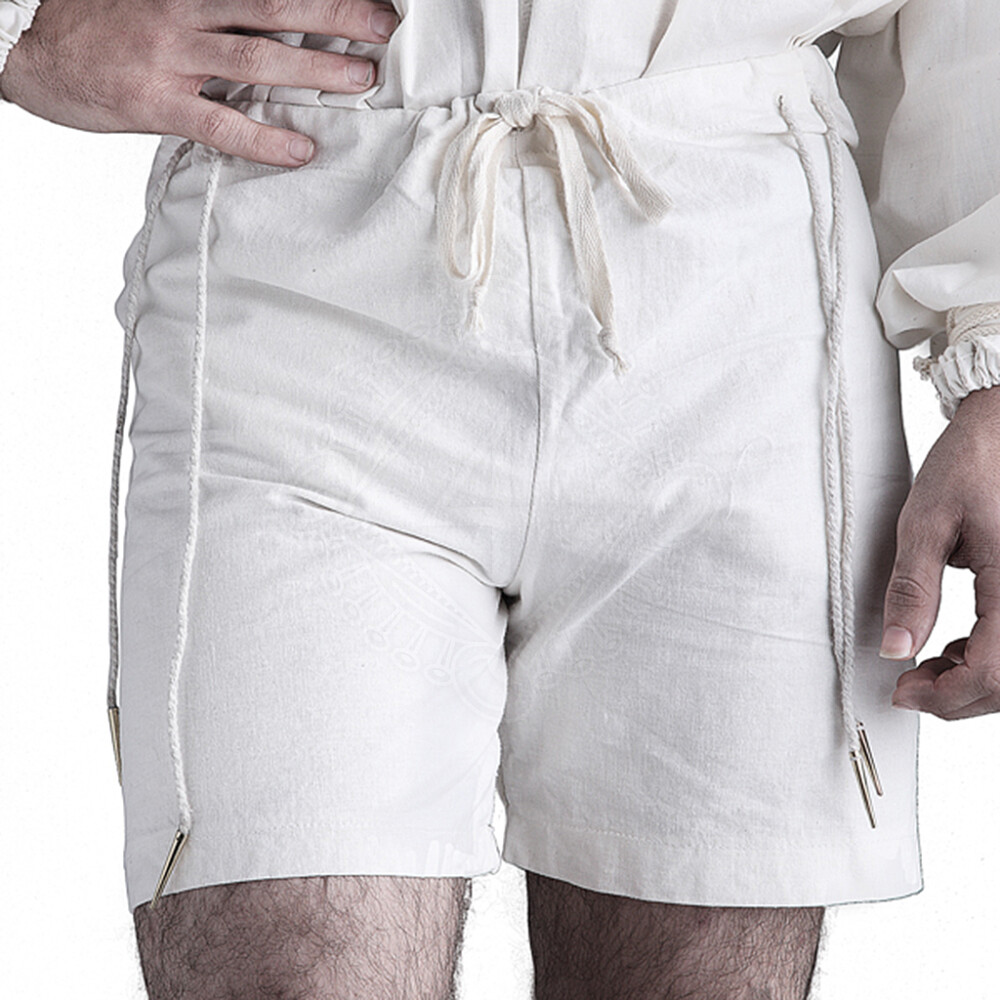
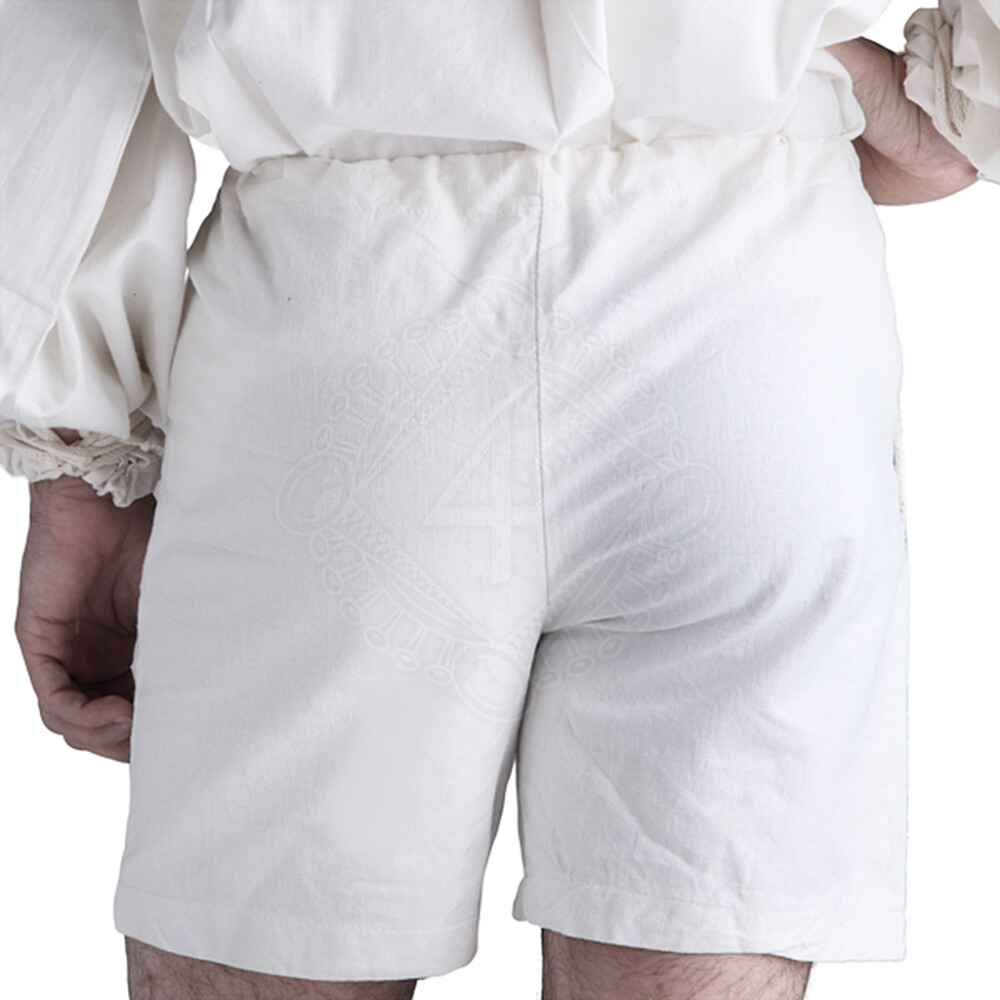

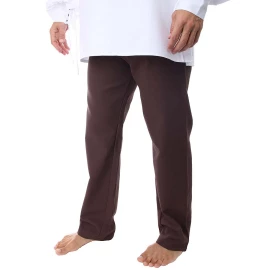
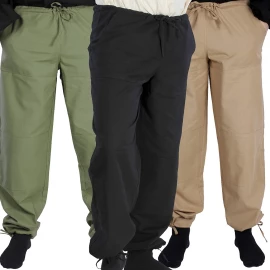
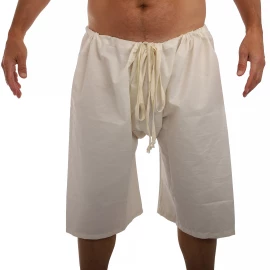
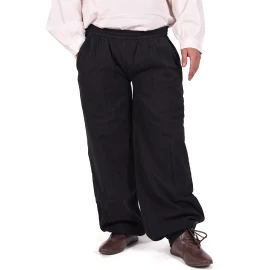
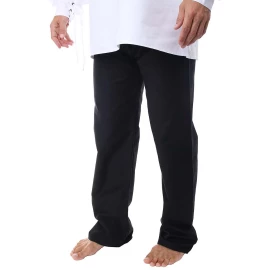
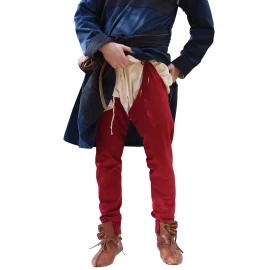
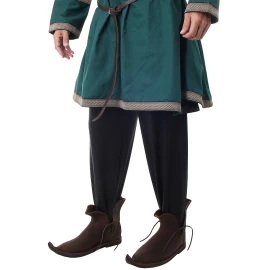
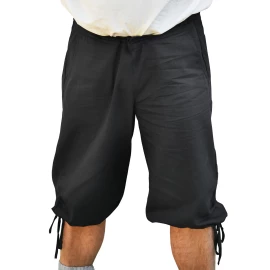
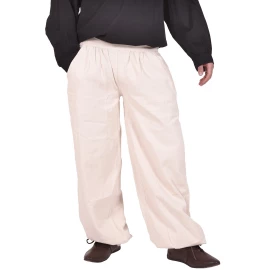
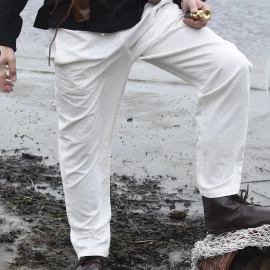
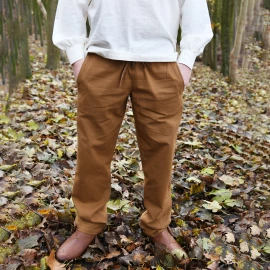
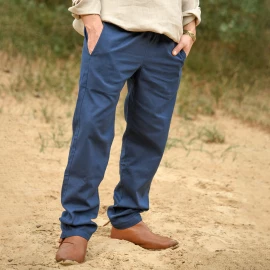
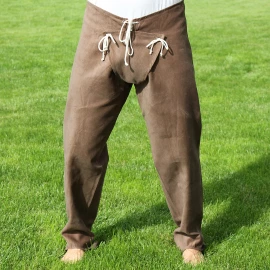
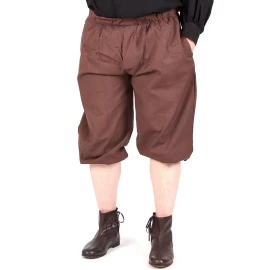
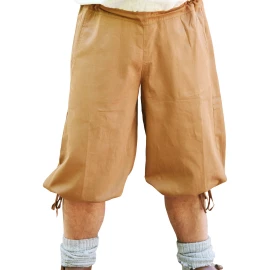
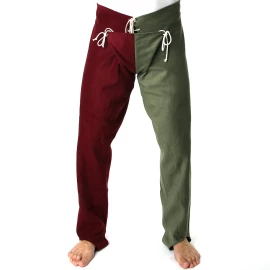
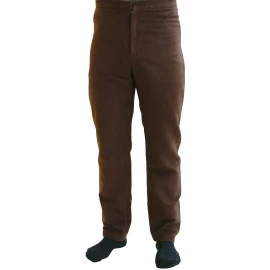
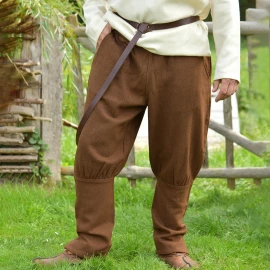
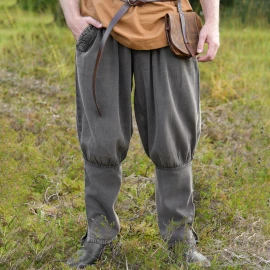
Are you looking for a fundamental, yet absolutely essential, part of any historical wardrobe? These authentically crafted medieval undergarments, known as "braies," are inspired by the fashion of the 14th and 15th centuries. They are made from a breathable and comfortable blend of linen (80%) and cotton (20%), ensuring maximum comfort throughout the day. The loose fit and drawstring waist provide an excellent fit and complete freedom of movement, whether you're preparing for battle or a festive banquet. They're so comfortable, you won't ever want to take them off! Further product information ...

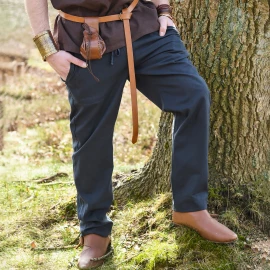
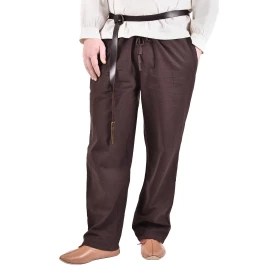
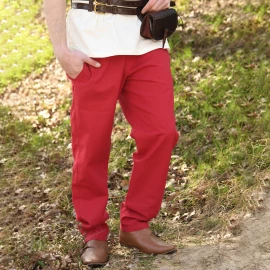
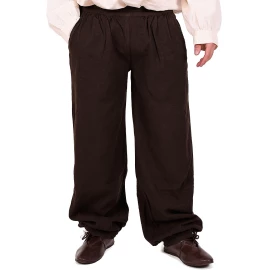
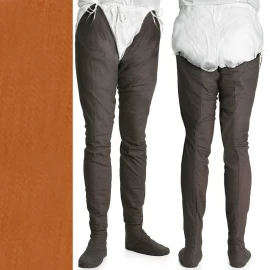
The following variants are currently available:
Medieval Underwear – 14th & 15th Century Linen Braies
Perfect for Reenactment, LARP, and Faires
These historical shorts are the ideal choice for a wide range of occasions. As the foundational layer of your attire, they are crucial for any enthusiast of:
- Historical Reenactment & Combat: They provide comfort under heavy armour as well as everyday period clothing.
- LARP (Live Action Role Play): Whether your character is a noble knight or a humble peasant, these braies will make your costume authentic and complete.
- Theatre and Film: Perfect for historical plays and film productions where period accuracy is key.
- Medieval & Renaissance Faires: Build a complete and believable costume from the ground up, starting with the most essential layer.
Braies in the Course of History
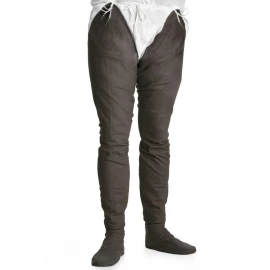
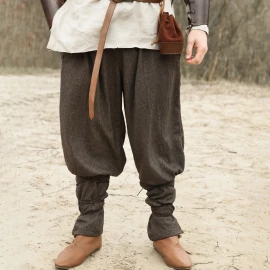
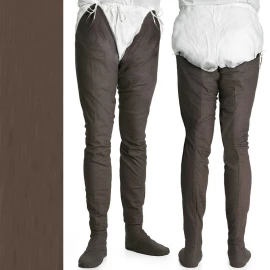
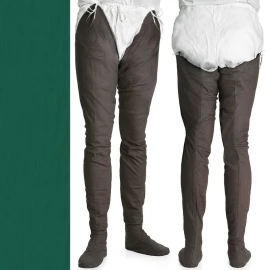
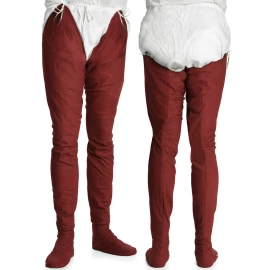
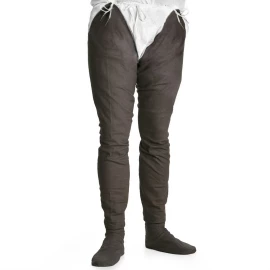
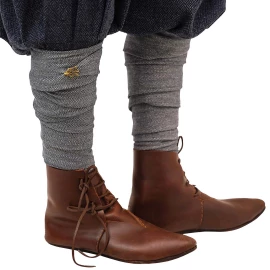
In the Middle Ages, braies were the absolute foundation of men's clothing, worn across all social classes. They were worn by virtually everyone—from peasants and artisans to knights and the highest nobility. They were loose-fitting under-trousers whose length and bagginess changed over the centuries. In the 14th and 15th centuries, they were worn under "chausses" (hose or leggings) and often served as an anchor point to which the chausses were tied using "points" (laces or cords). Thus, they were not just underwear in the modern sense, but a functional part of the garment that helped hold the rest of the outfit in place.
A Historical Tidbit
Did you know that the colour and fabric of one's underwear could reveal their social status? While the poorer classes wore braies made of coarse, undyed linen or hemp, wealthy nobles could afford finer, sometimes even bleached, linen fabric. The braies were therefore not just a practical necessity but also a subtle status symbol.
Detailed Size Chart
Please measure your waist circumference carefully and choose the appropriate size. Note that this product tends to run small. If you are between two sizes, we recommend choosing the larger one.
| Size | Hips Circumference |
|---|---|
| S | 81 cm |
| M | 86 cm |
| L | 96 cm |
| XL | 101 cm |
| XXL | 111 cm |
How to Care for Your New Garment
To ensure your new braies stay beautiful and serve you well for a long time, please follow these recommendations:
- Always turn the garment inside out before washing.
- Hand wash or use a gentle machine cycle in cold water (max. 30°C / 86°F).
- Use a small amount of mild detergent.
- Do not tumble dry! Allow to air dry.
- Iron on a medium setting (linen setting) from the inside out.
Important Note
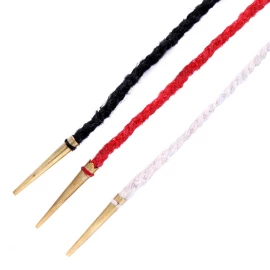
A simple white drawstring for the waist is included. The lacing cords ("points") with decorative brass tips (aglets), which may be seen in some photos, are not included with this item. However, you can purchase them separately in our shop to further enhance your outfit.
We are here for you!