
 Čeština
 Deutsch


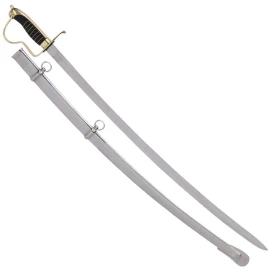
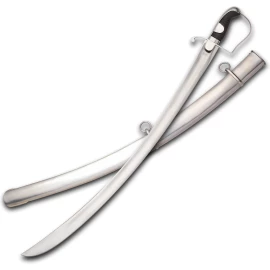
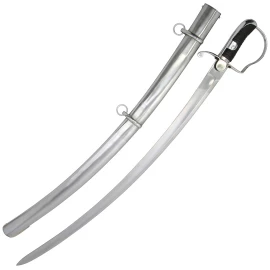
Prussian Light Cavalry Saber M1811 "Blücher"
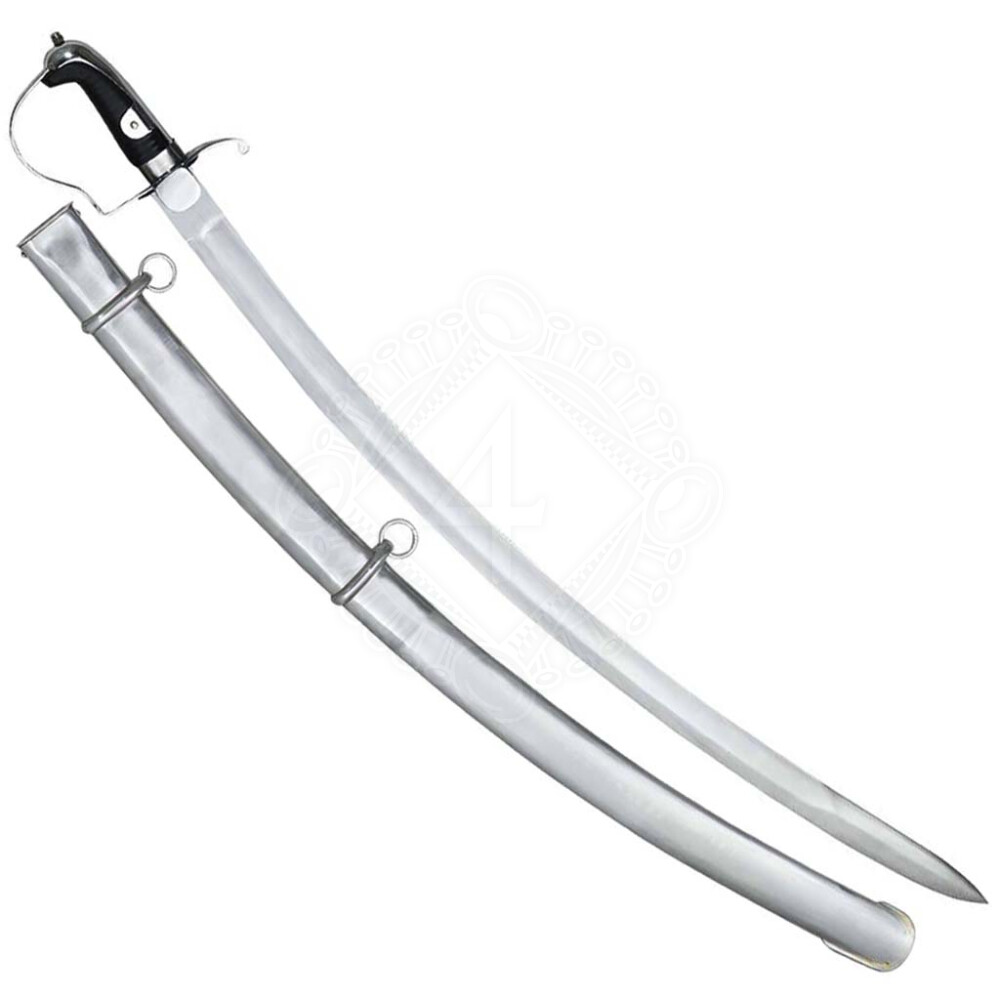
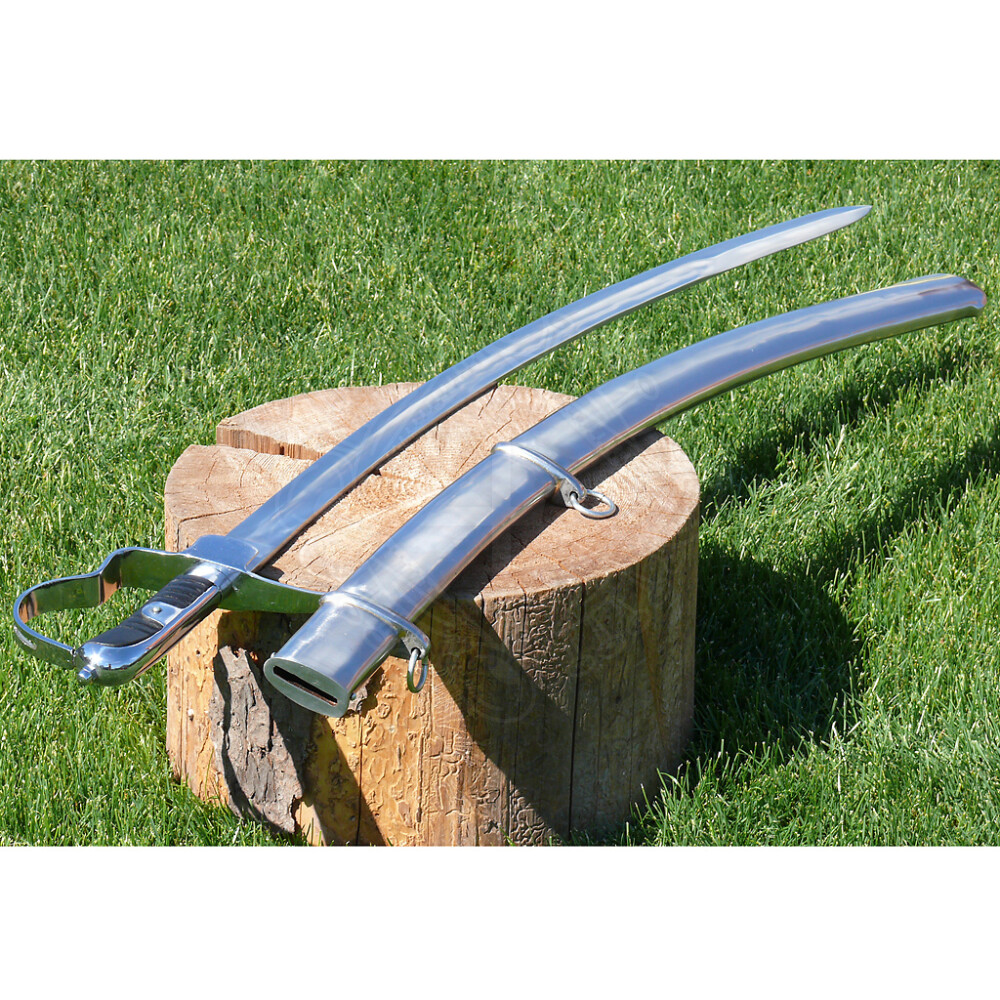
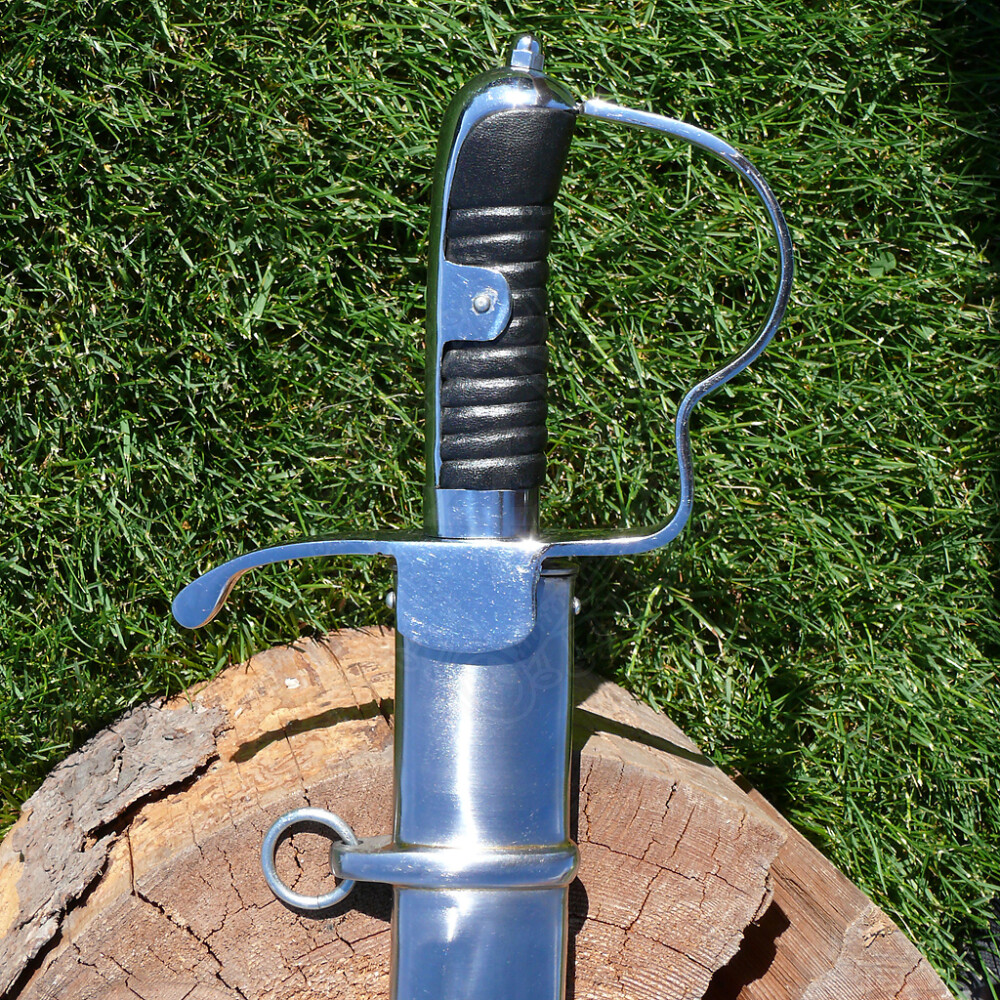
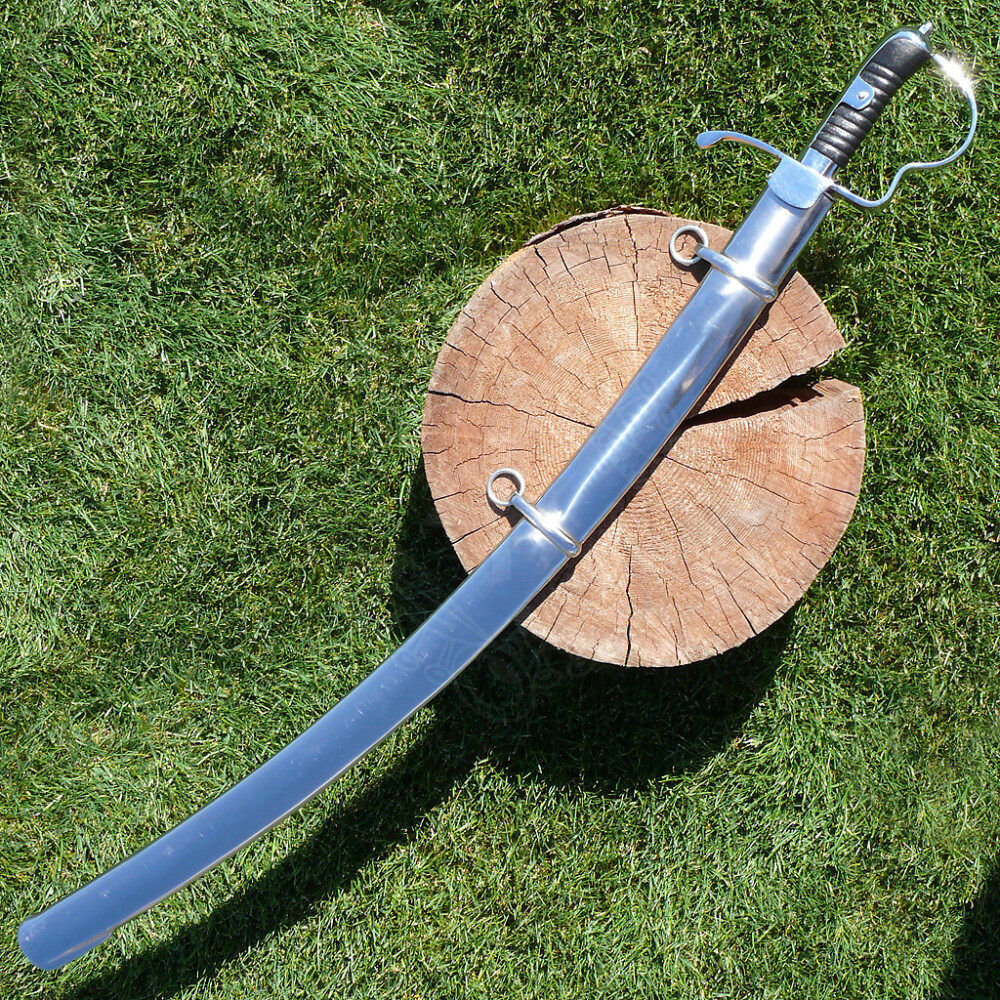
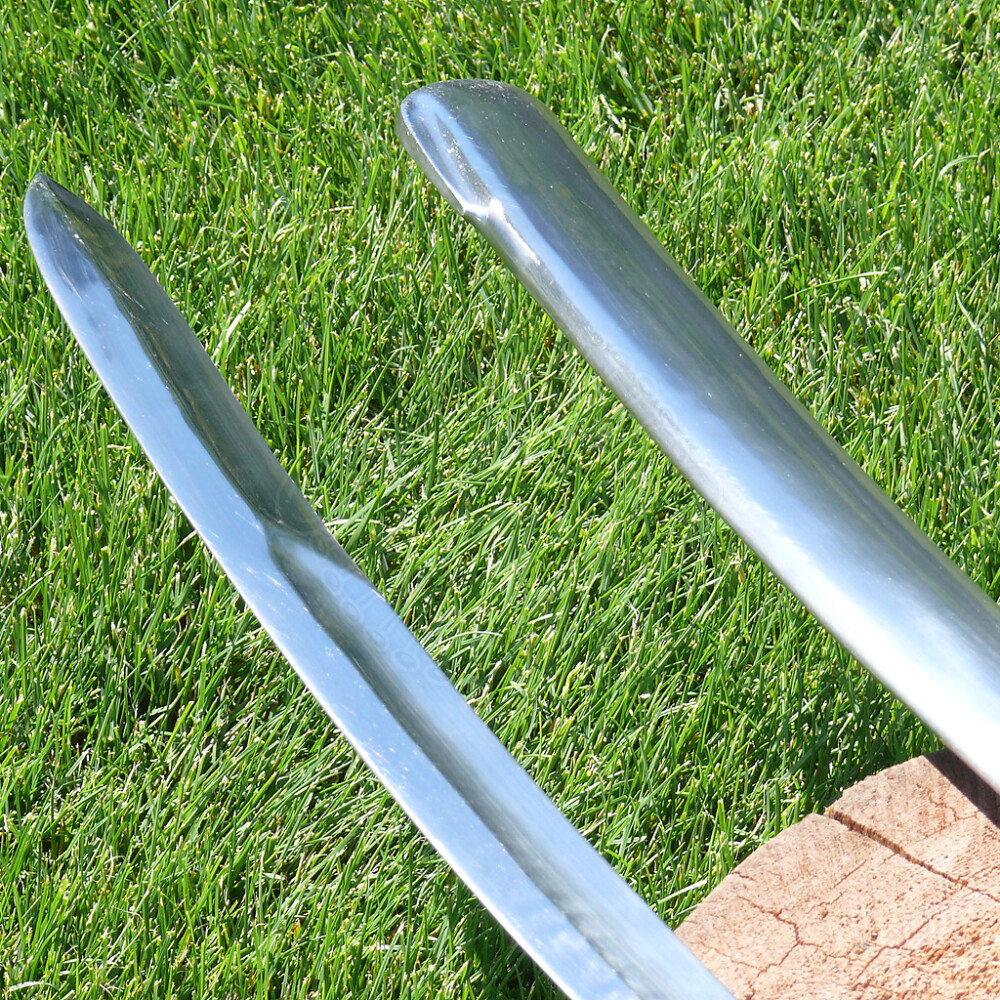
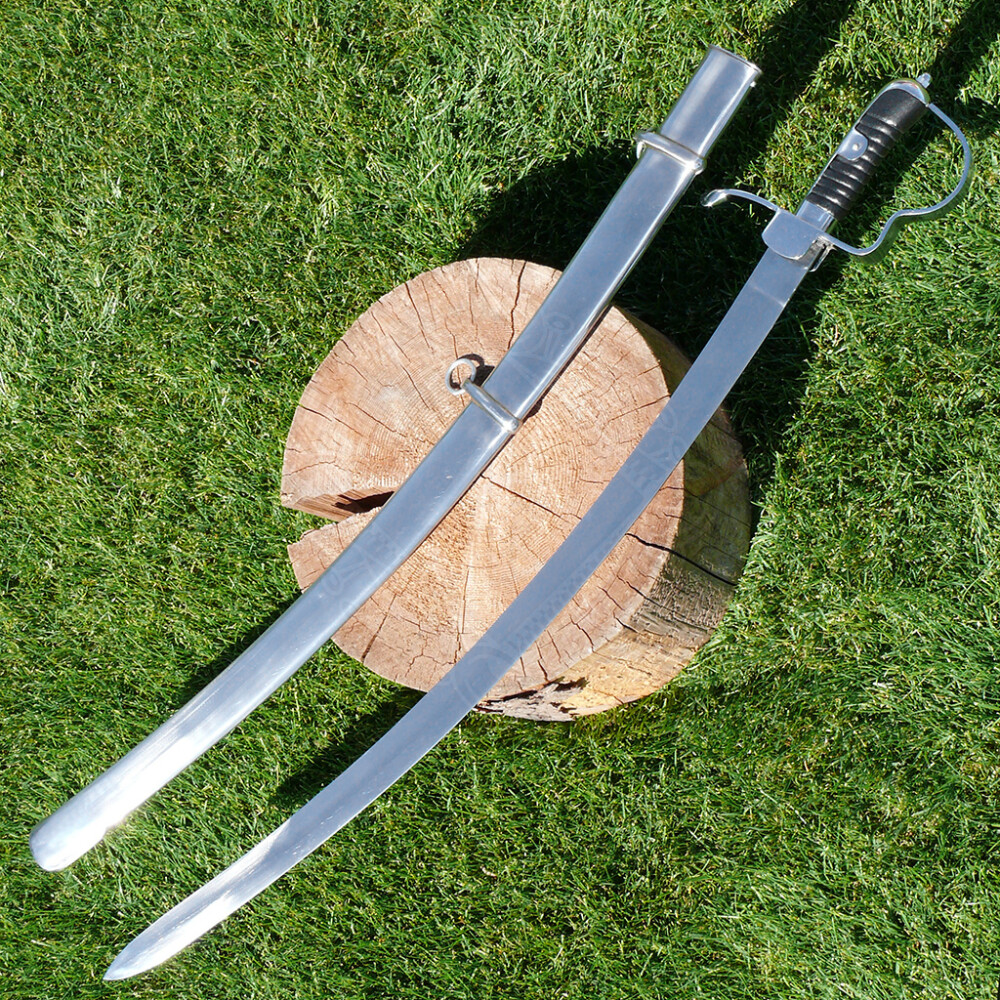
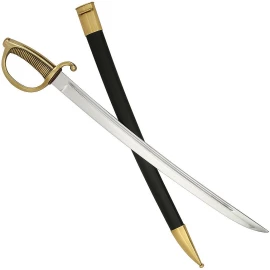
Are you looking for an iconic weapon that wrote European history during the pivotal moments of Waterloo? This replica of the Prussian M1811 Cavalry Saber, widely known as the "Blücher Saber" (Blüchersäbel), is a piece of steel with a warrior's soul. Its robust construction and distinct curve make it an impressive addition for any militaria collector, Napoleonic Wars enthusiast, or re-enactor looking to add authentic weight and authority to their costume. Whether displayed above your fireplace or worn at your hip as a Prussian cavalry officer, this saber will not disappoint. Further product information ...
Would you like to be notified as soon as the item is in stock?
You will receive a short e-mail as soon as we have it back in stock.
Prussian Light Cavalry Saber M1811 "Blücher" | Napoleonic Wars
The Legendary "Blücher" in Detail
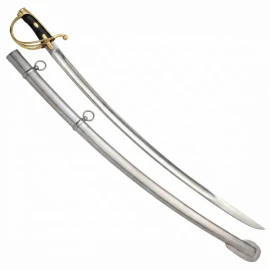
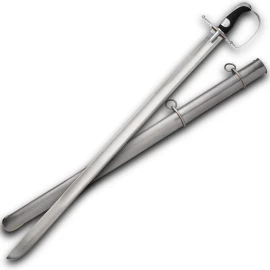
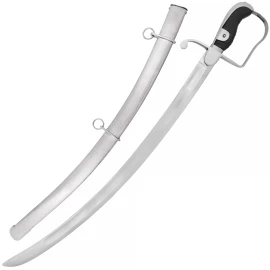
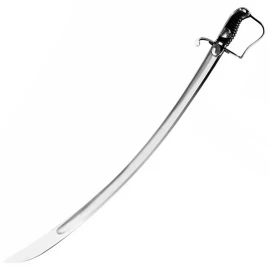
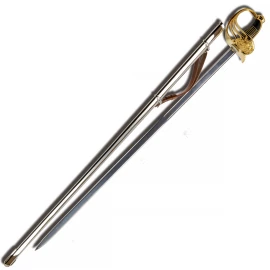
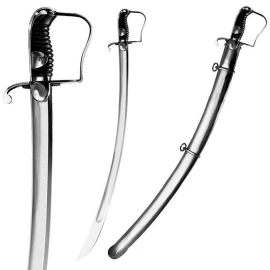
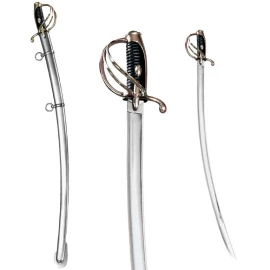
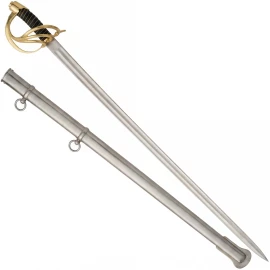
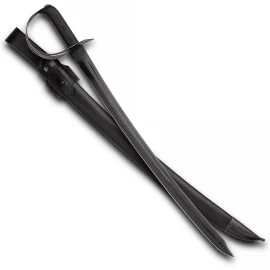
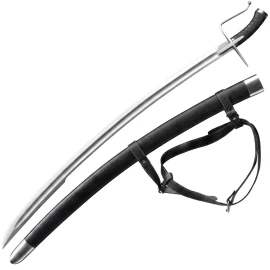
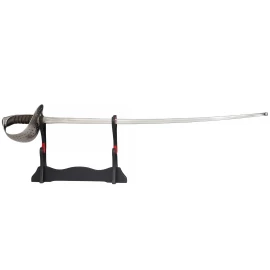
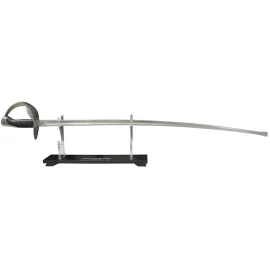
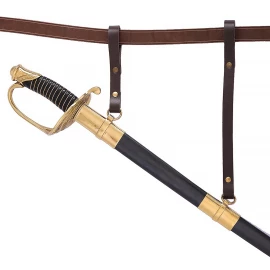
When you hold this saber, you immediately feel why it was so feared on the battlefield. While derived from the British P1796 Light Cavalry Saber, Prussian smiths adapted it to their needs—making it heavier, stouter, and more massive. The carbon steel blade features the pronounced curve typical of cavalry weapons designed for slashing from horseback. A wide fuller lightens the blade while maintaining structural strength. The stirrup hilt protects your knuckles, while the leather-wrapped grip, reinforced with twisted wire, ensures a secure hold even when wearing gloves.
The saber comes with a heavy steel scabbard featuring two suspension rings, producing that characteristic metallic clatter that accompanied Marshal Blücher’s troops across Europe.
Practical Use and Safety
Although the manufacturer labels this saber as "battle-ready," at Outfit4Events we prioritize your safety and honesty. Since there is no warranty against blade breakage during contact combat, we DO NOT RECOMMEND this model for full-contact fencing, reenactment battles, or cutting tests (tameshigiri). It is ideal for:
- Solo drills and forms (without blade contact).
- A stylish costume accessory for re-enactment and LARP.
- Interior decoration or museum-quality displays.
Please keep in mind that even though the blade is supplied blunt, the tip can still be sharp, and the weapon is quite heavy. Always handle it with care to prevent injury to yourself or others.
Historical Context: The Retaliation of "Marshal Forward"
Why is it sometimes called a "retaliation" saber? This name links back to the Prussian Wars of Liberation. After being humbled by Napoleon, Prussia sought revenge and the restoration of its honour. Leading this charge was Field Marshal Gebhard Leberecht von Blücher. His soldiers adored him for his aggressive leadership style, calling him "Marschall Vorwärts" (Marshal Forward) or affectionately "Papa Blücher." This saber became a symbol of the Prussian retaliation that culminated in Blücher’s decisive strike at Waterloo.
Specifications
| Total Length | approx. 100 cm (39.4 inches) |
| Blade Length | approx. 85 cm (33.5 inches) |
| Weight (incl. scabbard) | approx. 2.2 kg (4.85 lbs) |
| Blade Material | Carbon Steel |
| Edge | Blunt (Replica) |
How to Care for Your Saber
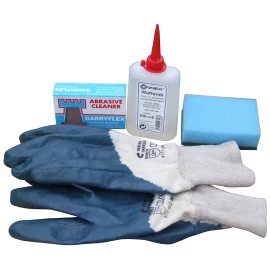
To keep this beauty looking brand new for years to come, it requires a little care. Carbon steel is not stainless, so you must protect the blade from moisture. After handling it with bare hands, wipe the blade with a dry cloth and apply a thin layer of preservation oil (e.g., gun oil or WD-40). You can treat the leather grip with a leather balm occasionally to prevent cracking. Store the saber in a dry environment.
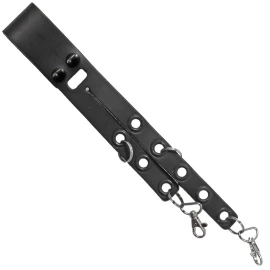
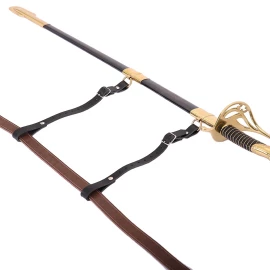
A leather belt hanger would be a perfect addition to this saber, allowing you to carry it comfortably at your side.
We are here for you!





.3773623034.1696456237.png.webp)

.3773623034.1696456268.png.webp)
.3773623034.1696456247.png.webp)