 Čeština
 Deutsch


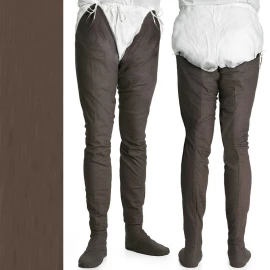
Woollen Leg Wraps (Winingas) | Recycled Wool | Brown
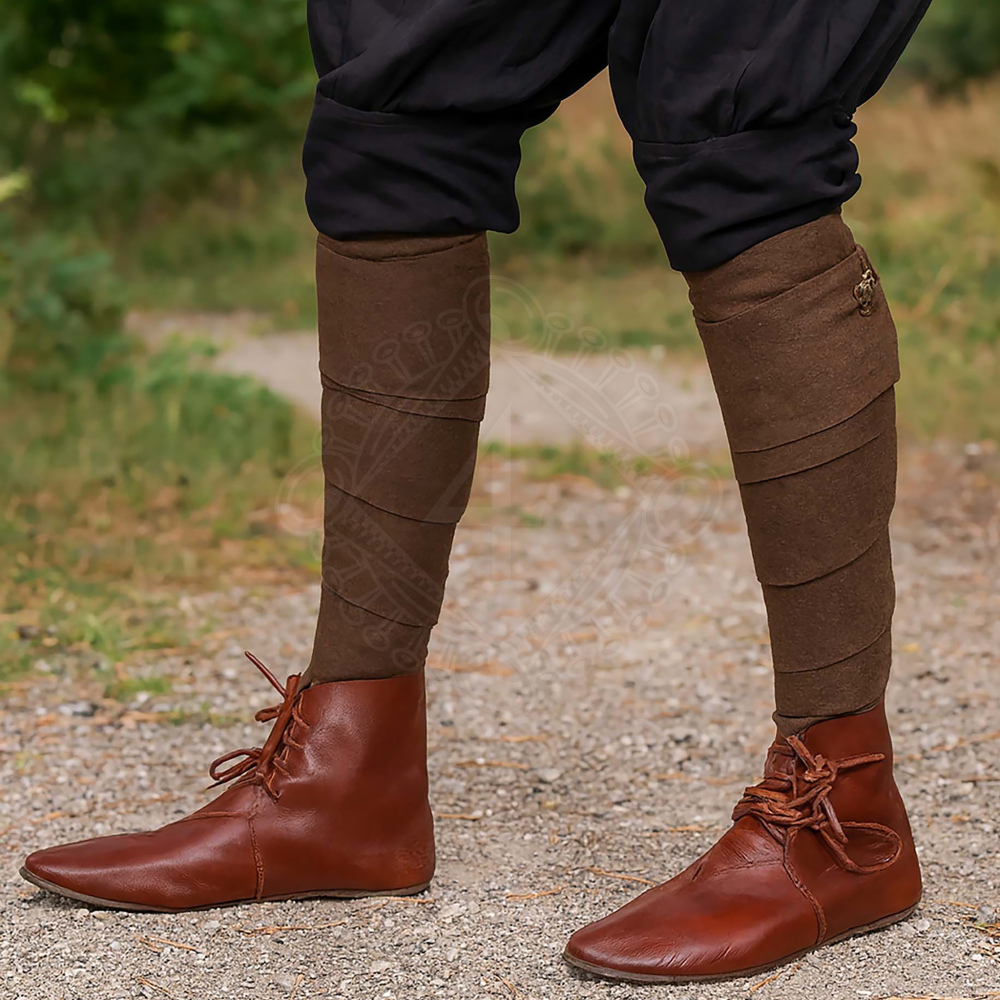
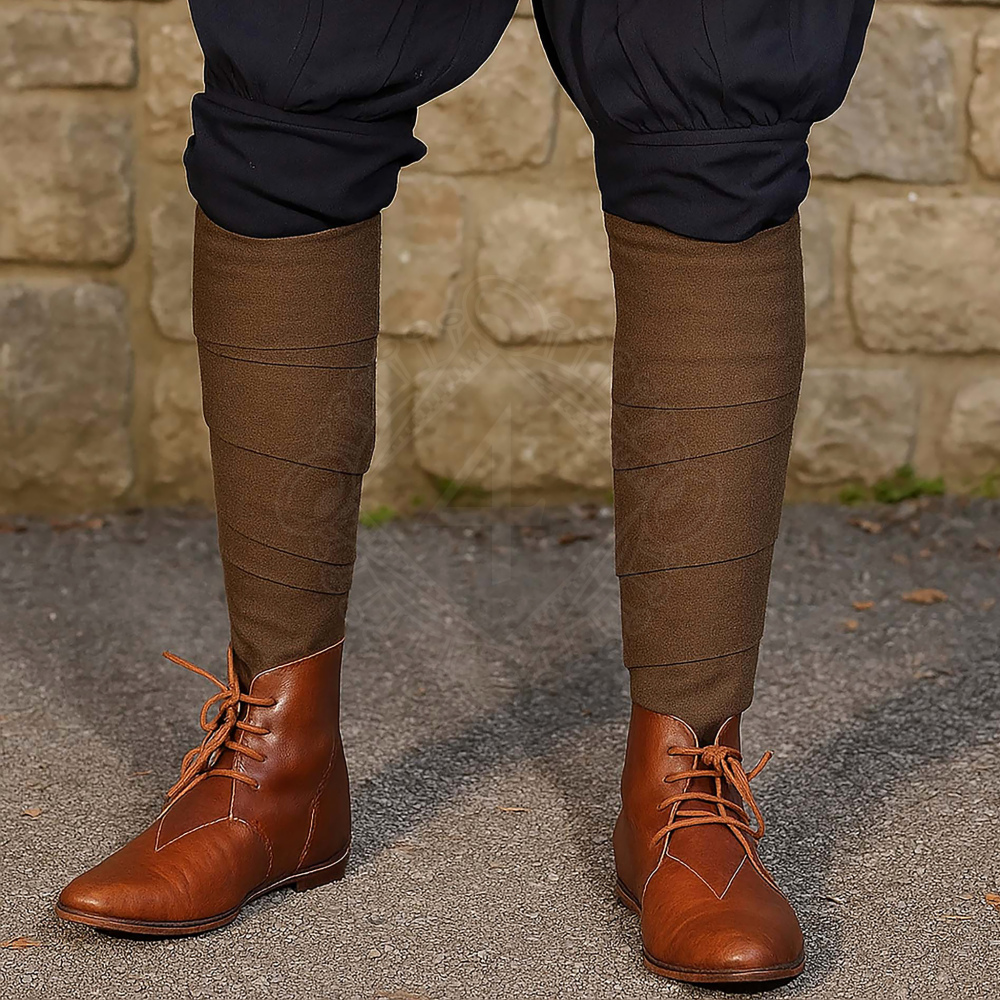
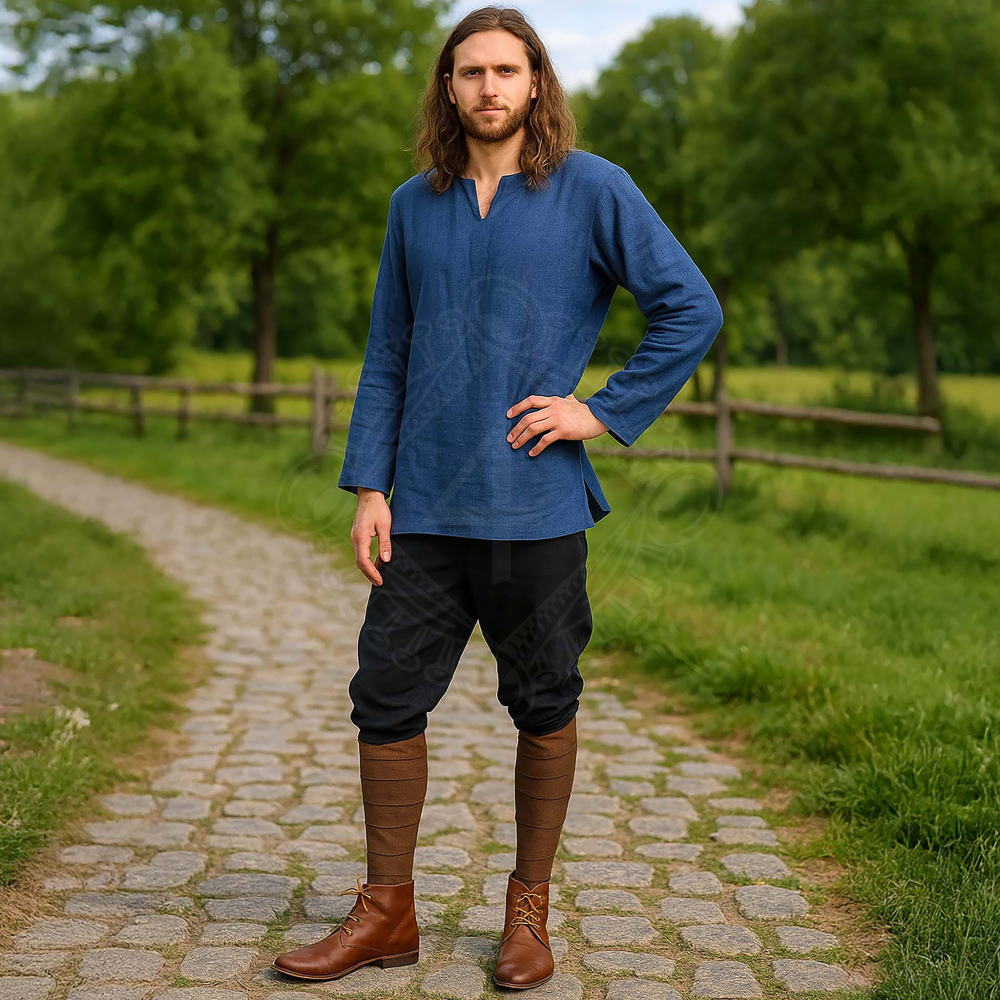
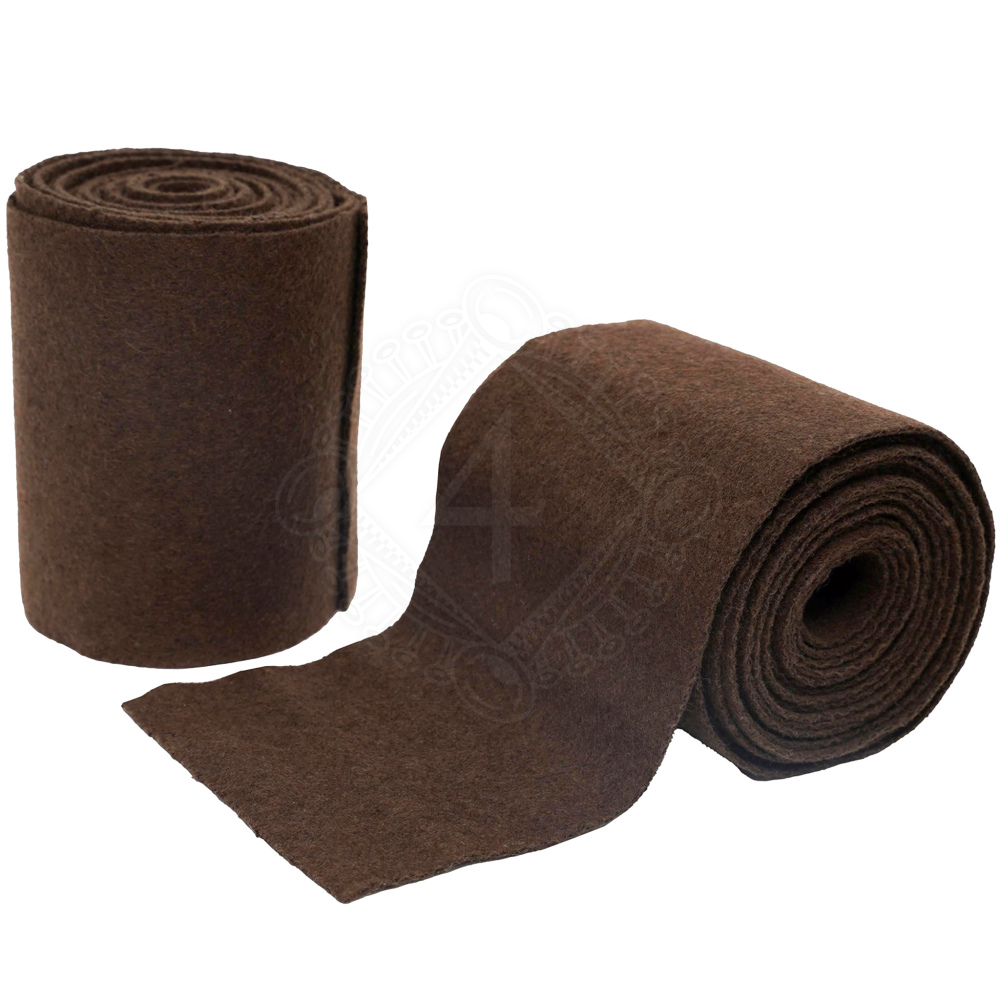
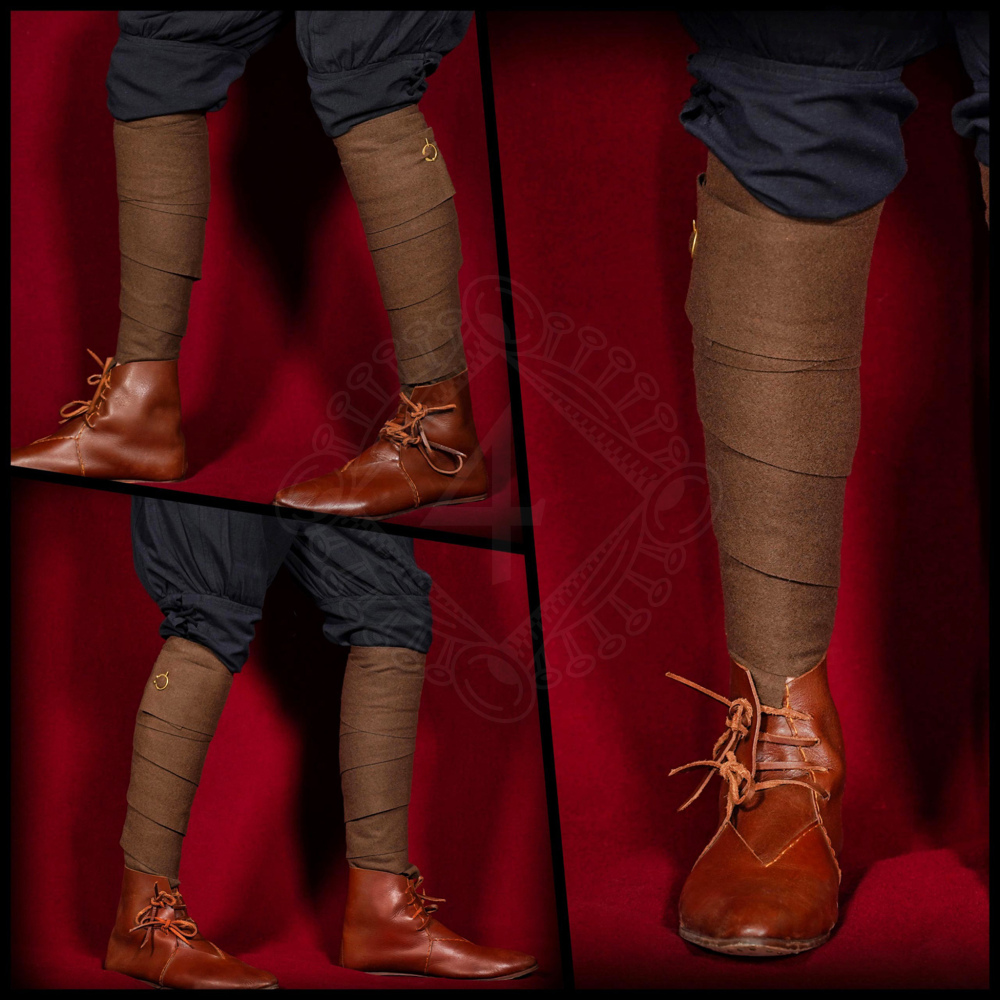
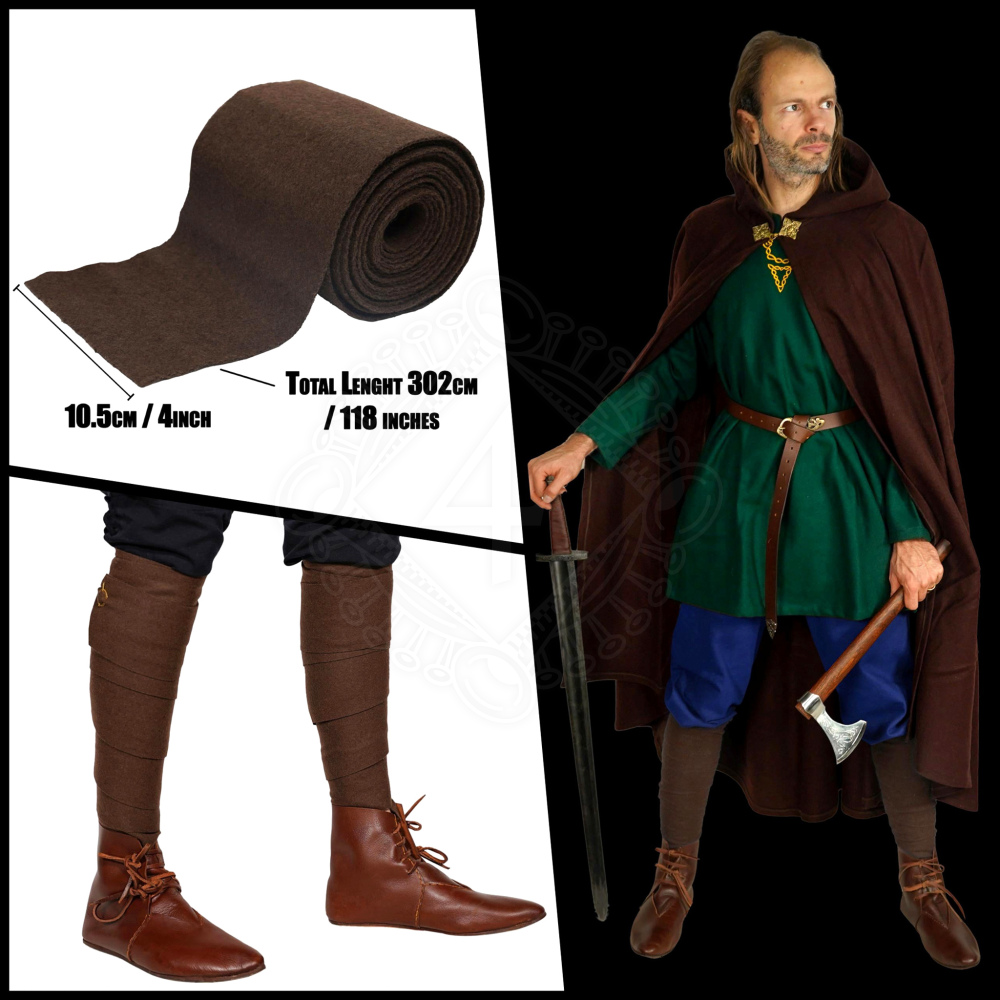

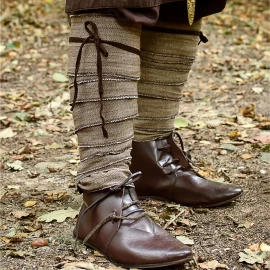
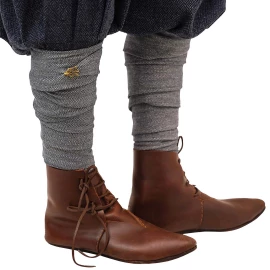
Are you looking for a way to add that authentic historical "flair" to your kit while solving the issue of thermal comfort? These woollen leg wraps, historically known as winingas or puttees, are an absolute necessity for anyone dedicated to the Early Middle Ages, whether you are portraying a Viking, Saxon, or Slav. They are made from 100% recycled wool with a heavy weight, making them both an eco-friendly and practical choice. Not only do they look great and secure your trousers, but they also support your calves during long marches and protect them from the cold, thorns, and wet grass. It is the detail that distinguishes a beginner from a seasoned reenactor. Further product information ...

Woollen Leg Wraps (Winingas) | Recycled Wool | Brown
Functional Accessory Proven by Centuries
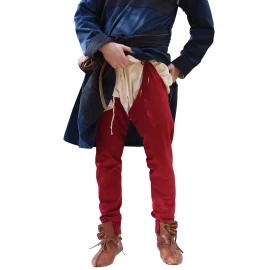
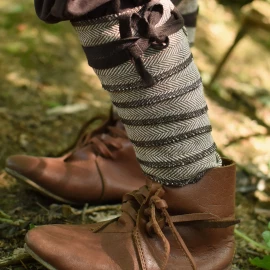
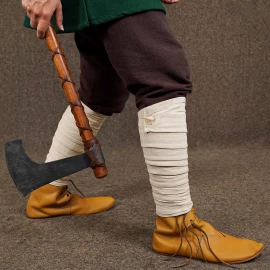
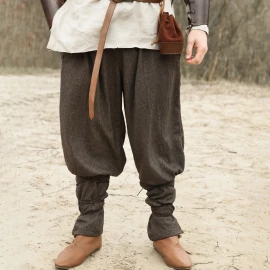
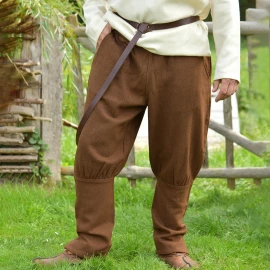
Leg wraps are not just decoration. Thanks to the weight of 420 gsm, the material is dense, sturdy, and very warm. They function similarly to modern compression socks—supporting the muscles and delaying leg fatigue. When wrapped correctly (from the ankle up to below the knee), they hold wide trousers (rus pants) perfectly in place and prevent them from getting dirty or wet from the ground.
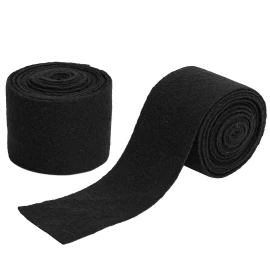
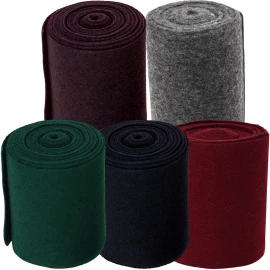
The material feels pleasant to the touch, resembling thick felt. With a length of over 3 metres, you have enough material to wrap the strip in several layers, creating a beautiful "herringbone" pattern (if wrapped in a crisscross fashion) or a classic spiral.
Note: Fibulas (brooches) or hooks are not included in the package. To fasten them, you can use your own decorative pins, tie the end of the fabric into a knot, or simply tuck it under the last wrap, as was often done historically.
Product Parameters
| Material | 100% Recycled Wool |
| Fabric Weight | 420 gsm (thick, dense fabric) |
| Length per piece | approx. 302 cm (118 inches) |
| Width | approx. 10.5 cm (4 inches) |
| Content | 1 pair (2 pieces) |
| Colour | Brown |
Historical Insight: From the Iron Age to the High Middle Ages
Winingas were a common part of the attire of Germanic and Slavic tribes throughout the Migration Period and into the Early Middle Ages. Finds of textile remnants in graves and contemporary illuminations (e.g., in the Stuttgart Psalter) prove their popularity. They served as shin protection in battle and during work. For a warrior, they were a cheaper but functional alternative to leather greaves. Over time, with the advent of tighter hose in the High Middle Ages, their function faded, and they became more of a sign of poverty or an old-fashioned style.
Care for Woollen Wraps
To ensure the wool retains its properties and the wraps do not shrink, please follow these rules:
- Washing: Hand wash only in cold water (up to 30°C) using a wool detergent (with lanolin). Never wash in a washing machine on a regular cycle!
- Drying: Lay flat on a drying rack. Do not hang vertically (they could stretch out of shape) and do not put them in a tumble dryer or on a radiator.
- Maintenance: Air them out after use. Let coarse dirt (mud) dry and then brush it off with a soft brush.
Safety and Tips
Ensure that the wraps are tied securely or fastened with a fibula. A loose wrap that unravels under your feet while running or fighting can cause an unpleasant fall. If you do not have metal pins, you can sew a linen tie to the end of the wrap for easier fastening.
Note: As this is a product made from recycled material, the texture and shade of colour may vary slightly from piece to piece.
We are here for you!