
 Čeština
 Deutsch


Roman Onion Knob Fibula in Solid Bronze
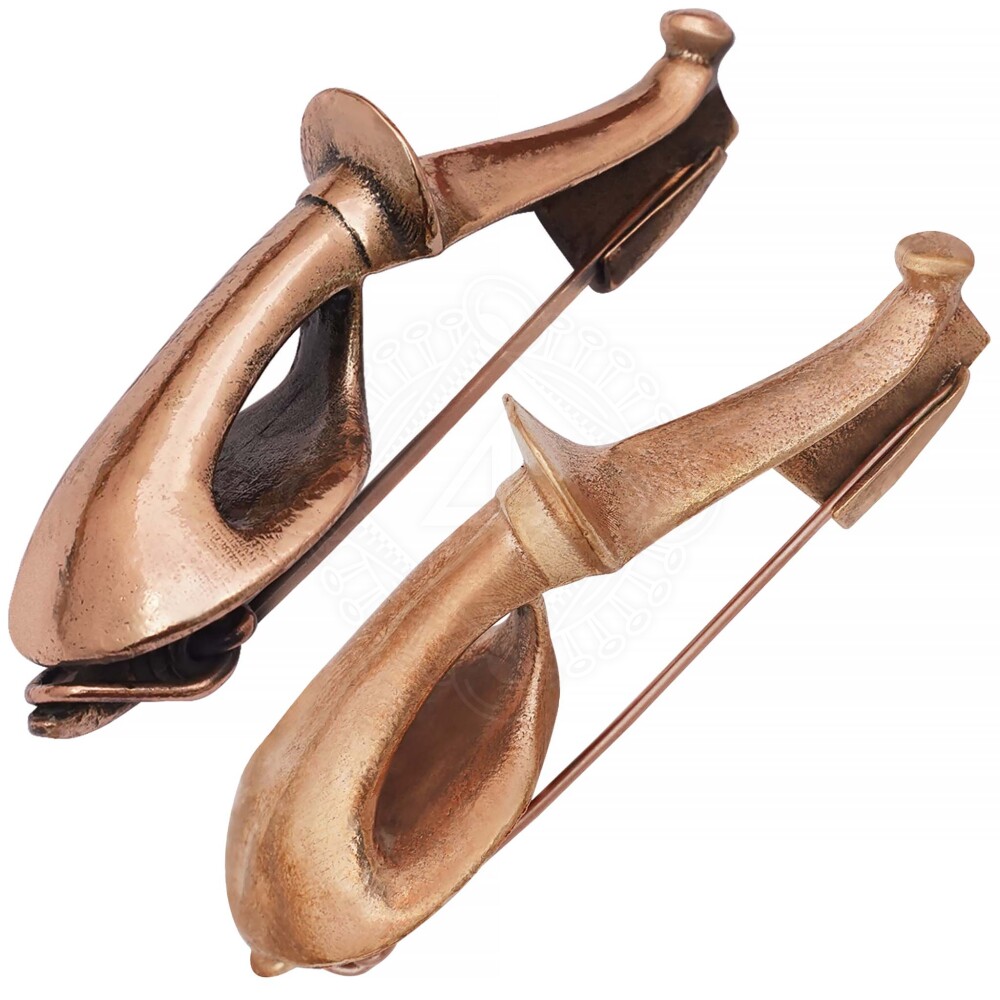
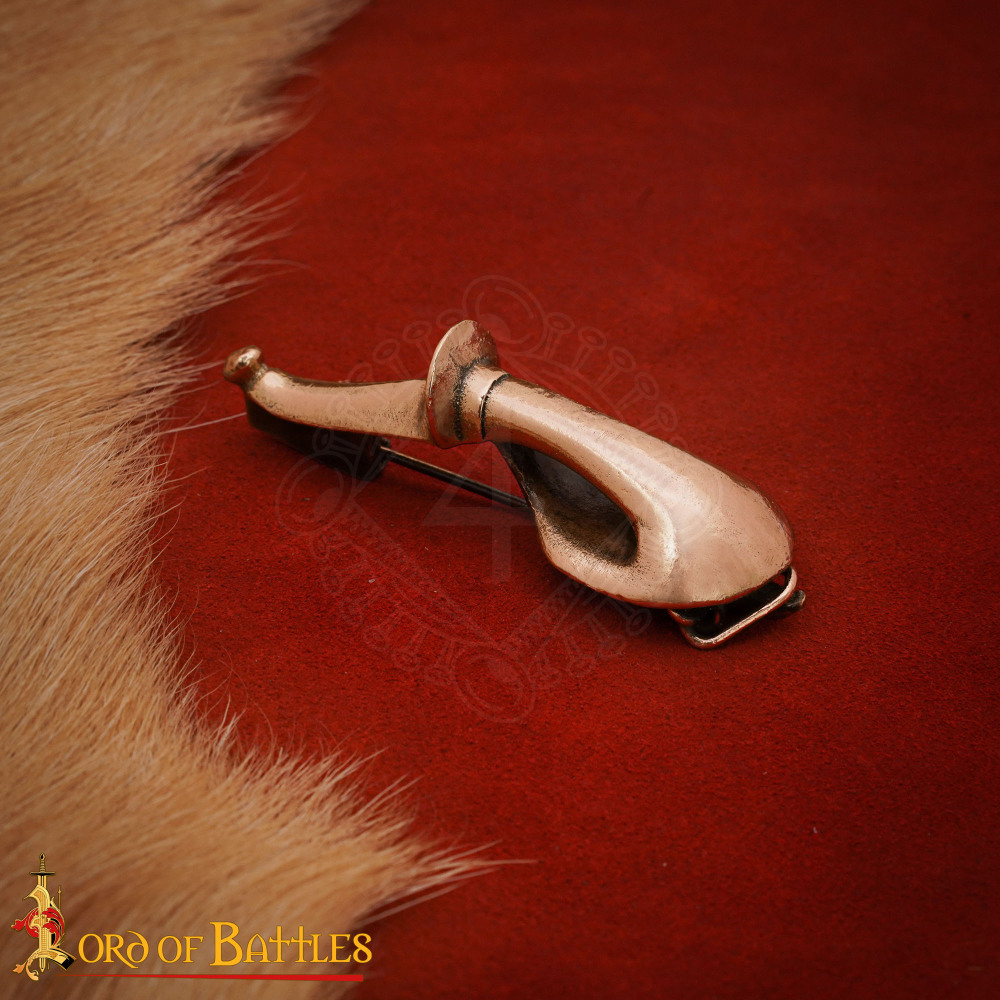
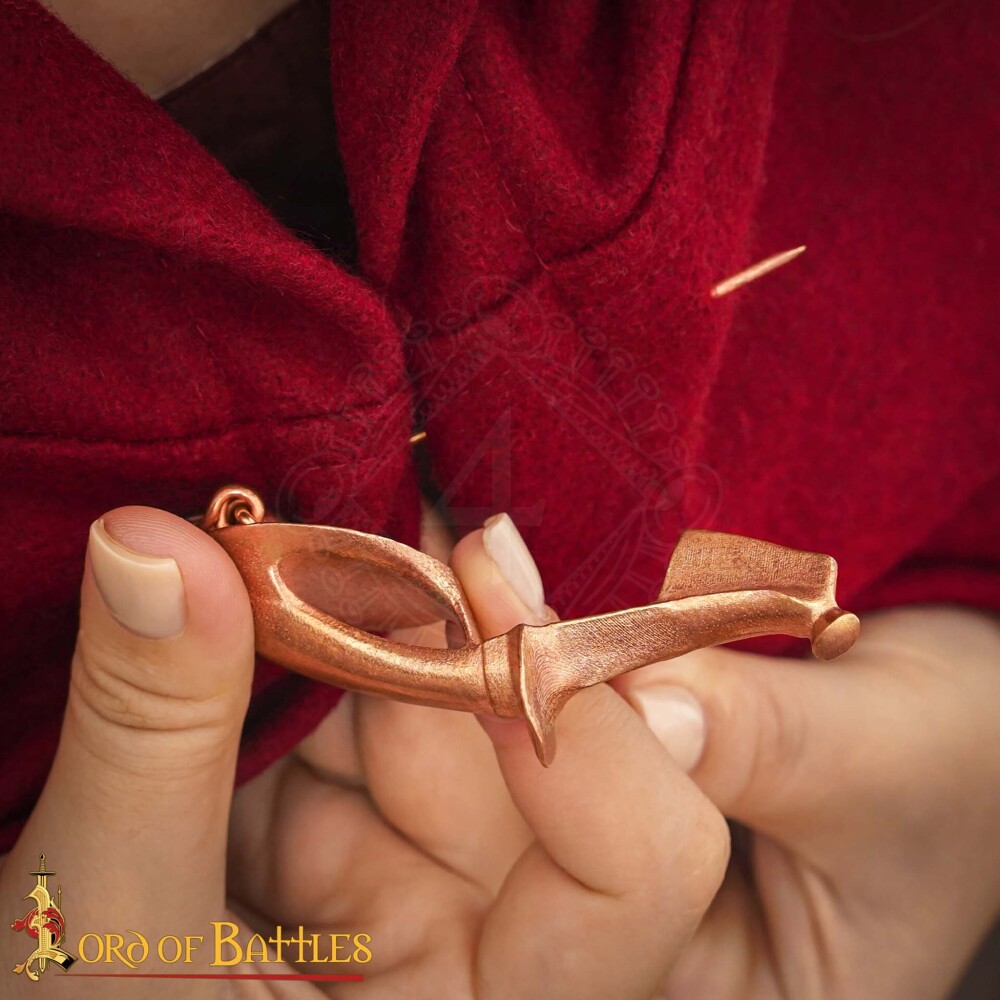
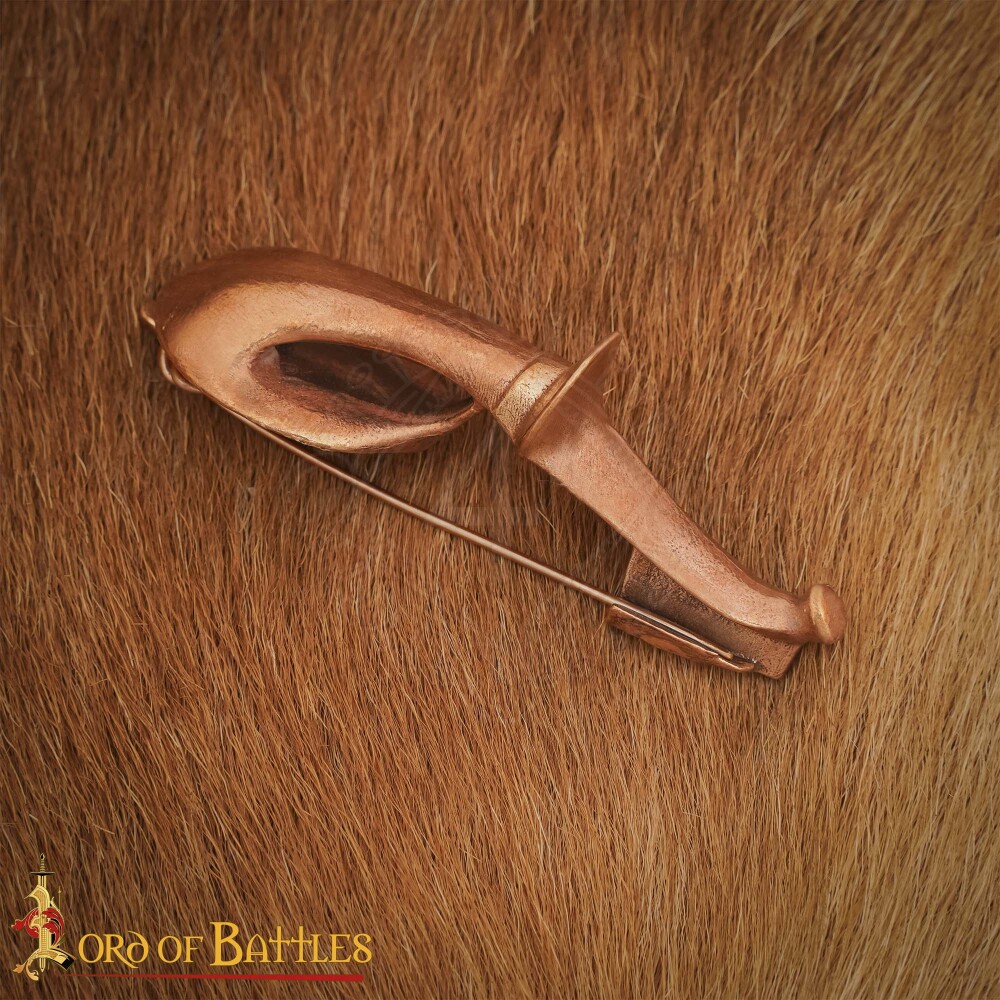
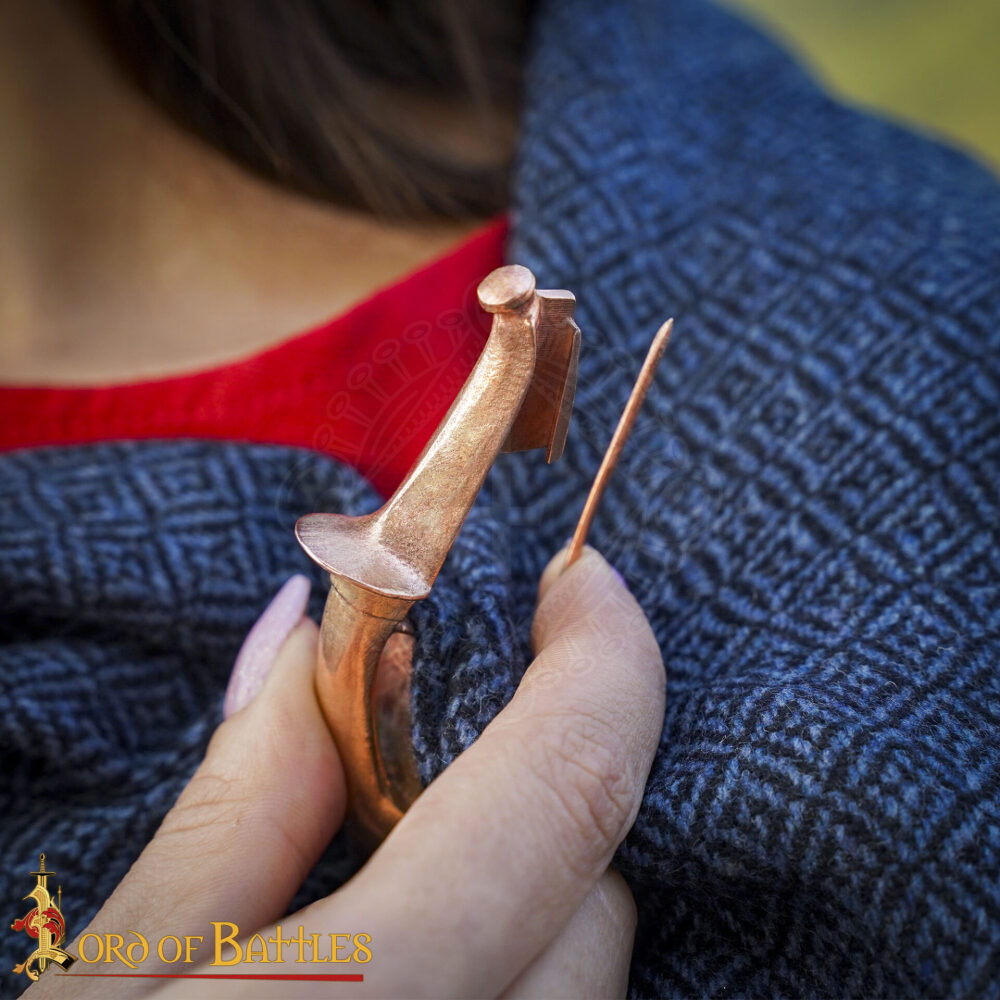


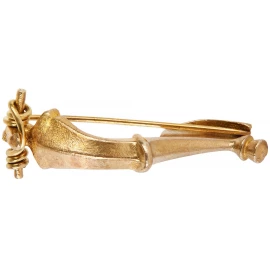
Experience a piece of history with our replica of the Roman onion knob fibula, inspired by original archaeological finds from the 4th century AD, the time of Emperor Constantine's rule. This type of brooch, known as the "onion knob fibula" due to its distinctive, bulbous terminal, served not only as a practical garment fastener but also as a symbol of rank and military affiliation. It is the ideal accessory for anyone engaged in historical reenactment, larp, historical events, or simply looking for an original and stylish piece of jewelry. Further product information ...

 Delivery options
The following variants are currently available:
Roman Onion Knob Fibula in Solid Bronze
Authentic and Detailed Replica
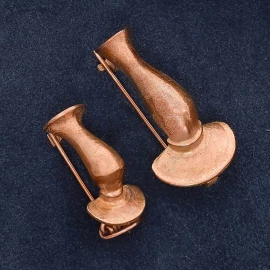
Our replica is crafted from solid bronze using the lost-wax casting (cire-perdue) method, an ancient technique used for millennia. This casting process ensures that every detail and curve precisely matches historical prototypes. The fibula consists of a bow-shaped body that terminates in a distinctive, bulbous "onion knob". At the opposite end, there is a catchplate for the sturdy and solid iron pin, which is used to fasten the garment.
Surface Finish The fibula is available in two variants to suit your individual preferences. You can choose plain bronze with a shiny and clean appearance, or antiqued bronze with a patina that mimics an ancient look and feels like a historical artifact.
History of the Fibula
The fibula (from Lat. fibulae) was an indispensable garment accessory in antiquity. These ornate brooches were used to fasten a cloak (e.g., the Roman sagum or paenula) or a tunic at the shoulders. Fibulae evolved from simple pins and became elaborate jewelry and fashion accessories over the centuries. Onion knob fibulae became particularly popular in the late Roman Empire, especially during the reigns of Emperors Diocletian and Constantine. These ornate brooches were primarily worn by Roman officers and high-ranking officials, demonstrating their status and belonging to the elite. Archaeological finds of these fibulae are common in the provinces of the Roman Empire, such as Pannonia or Germania.
Usage and Care
This fibula is fully functional and ready to be used. Simply pierce the pin through several layers of fabric, such as a thick wool cloak, and secure the pin in the catchplate at the other end of the fibula. Thanks to its sturdy construction and solid pin, the fibula is ideal for fastening heavier textiles. However, do not use the pin to pierce overly thick, hard, or glued layers of fabric, as this could cause it to bend or be damaged.
To preserve the beauty and shine of your bronze fibula, we recommend:
- Storing it in a dry environment.
- Cleaning it with a soft cloth, without using abrasive cleaners.
- For long-term storage, you can lightly oil or wax it.
Product Parameters
| Parameter | Detail |
|---|---|
| Material | Solid bronze, iron pin |
| Dimensions | Length approx. 7.5 cm, width approx. 3.5 cm |
| Period | 4th century AD |
| Usage | Reenactment, larp, collecting, historical clothing |
We are here for you!






.3773623034.1696456237.png.webp)

.3773623034.1696456268.png.webp)
.3773623034.1696456247.png.webp)