
 Čeština
 Deutsch


Viking Knotwork Bronze Belt Fitting
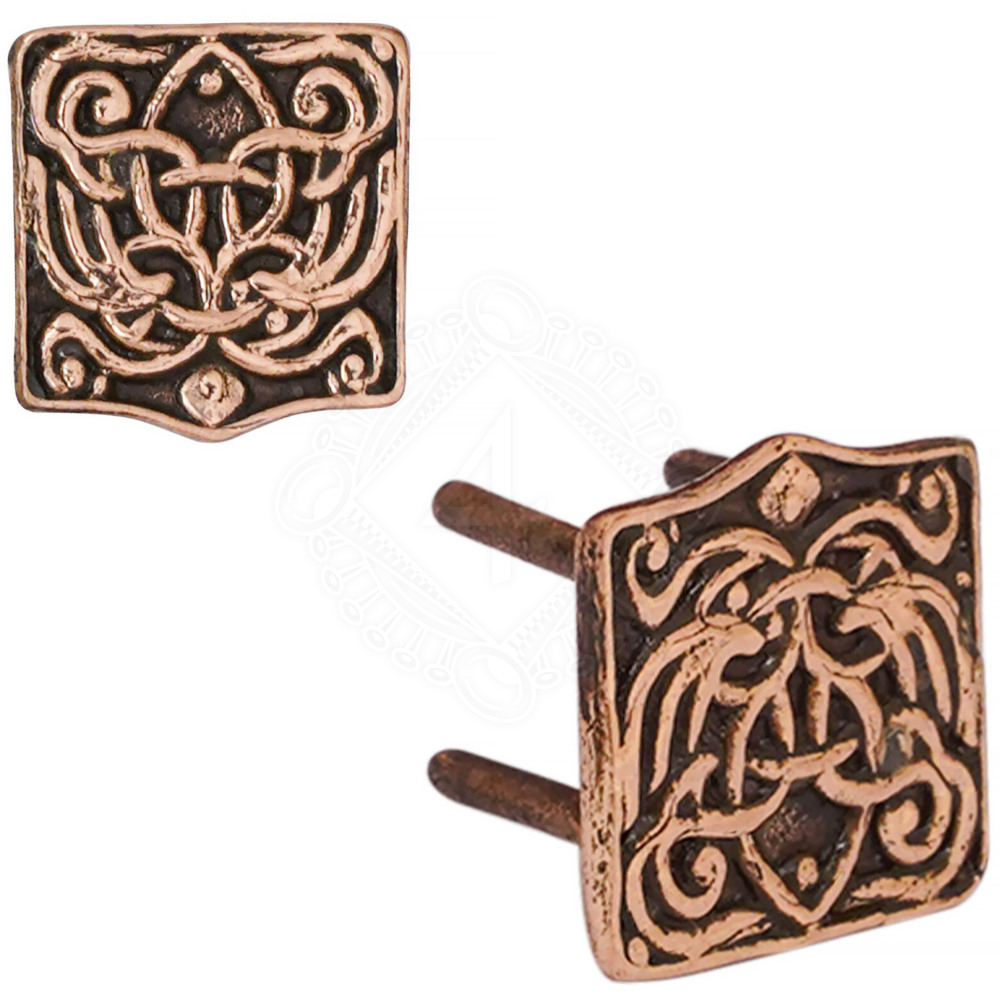
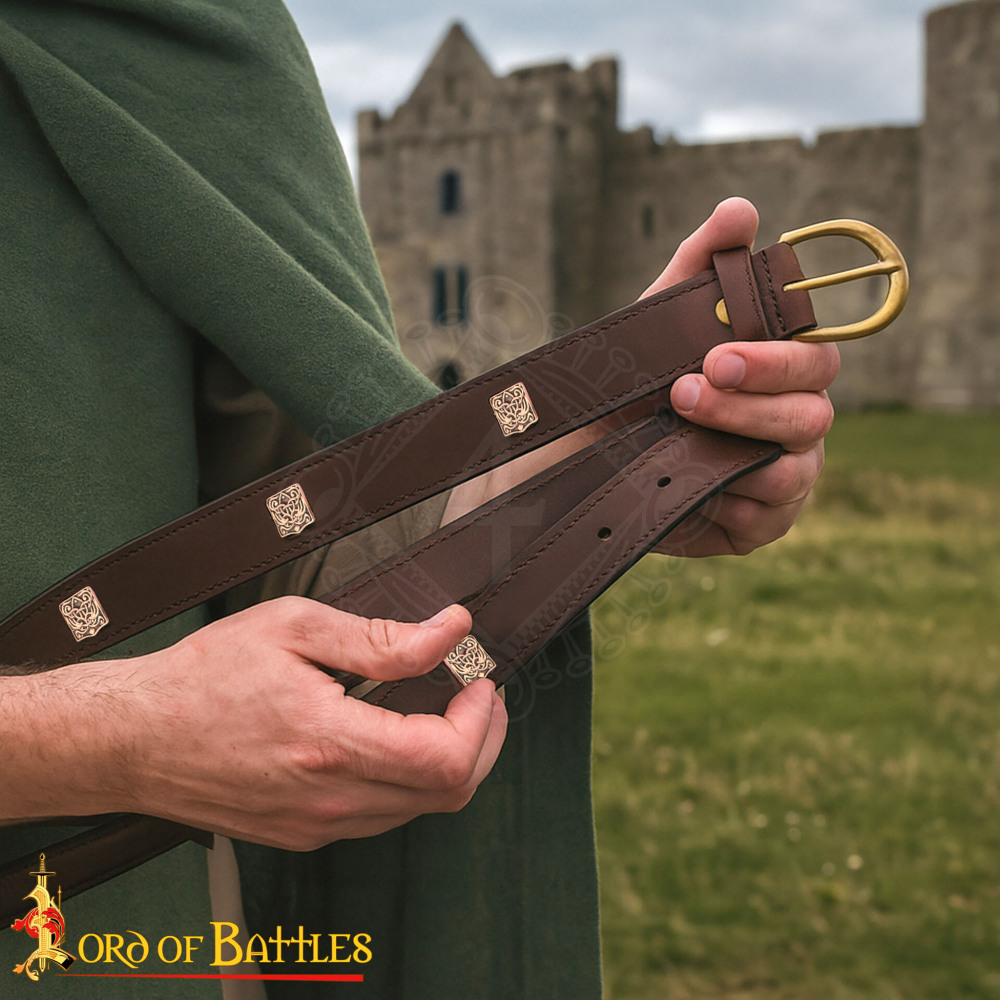
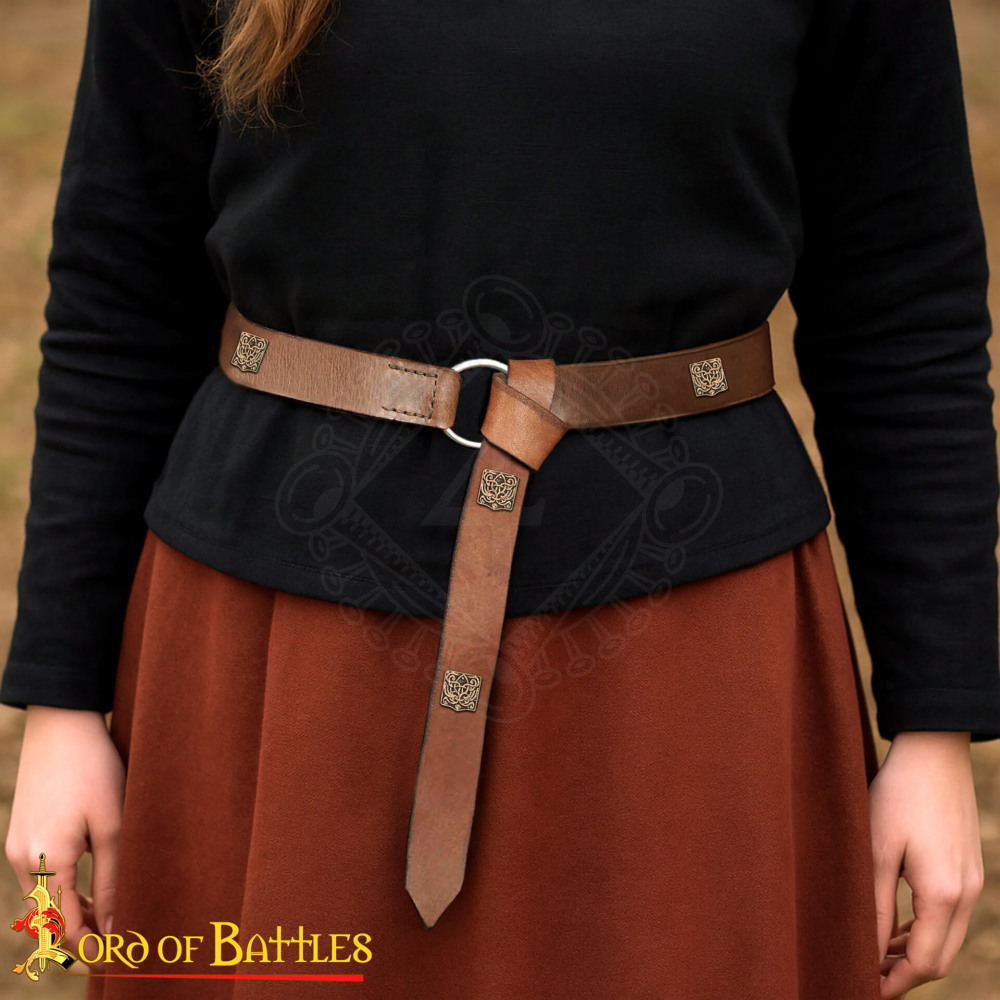
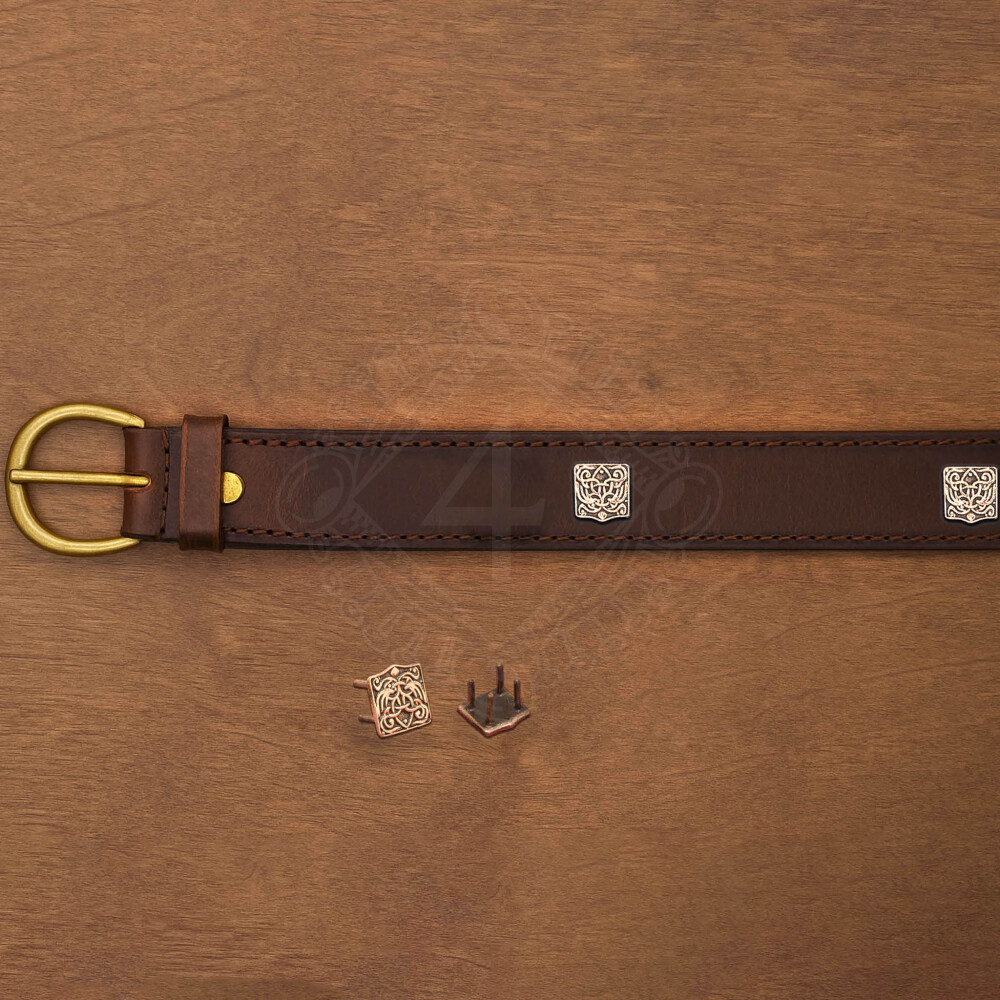

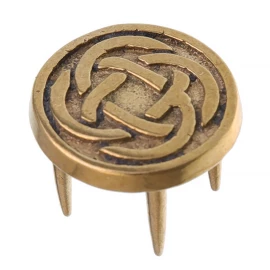
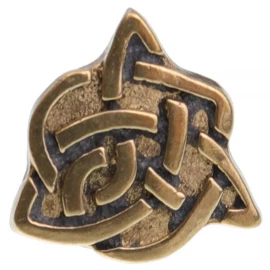
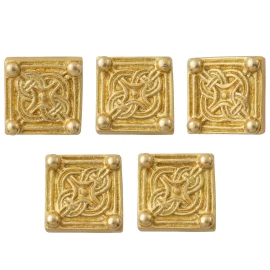
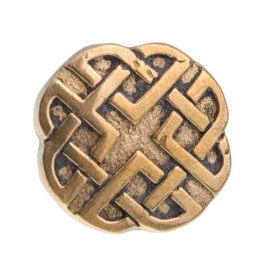
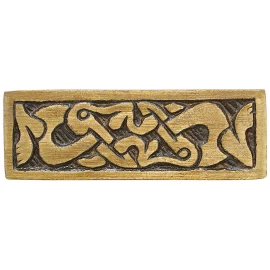
Adorn your belt, bag, or scabbard with an authentic Nordic look using this intricately detailed bronze fitting. Each piece is precisely cast using the lost-wax method, ensuring historical accuracy and outstanding quality. The knotwork motif is a quintessential element of Viking art, adding a touch of originality and period authenticity to your costume. This fitting is perfect for historical reenactment, LARP, or as a stylish accessory for any enthusiast of the Viking Age. Further product information ...

 Delivery options
Viking Knotwork Bronze Belt Fitting
Detailed Description and Design
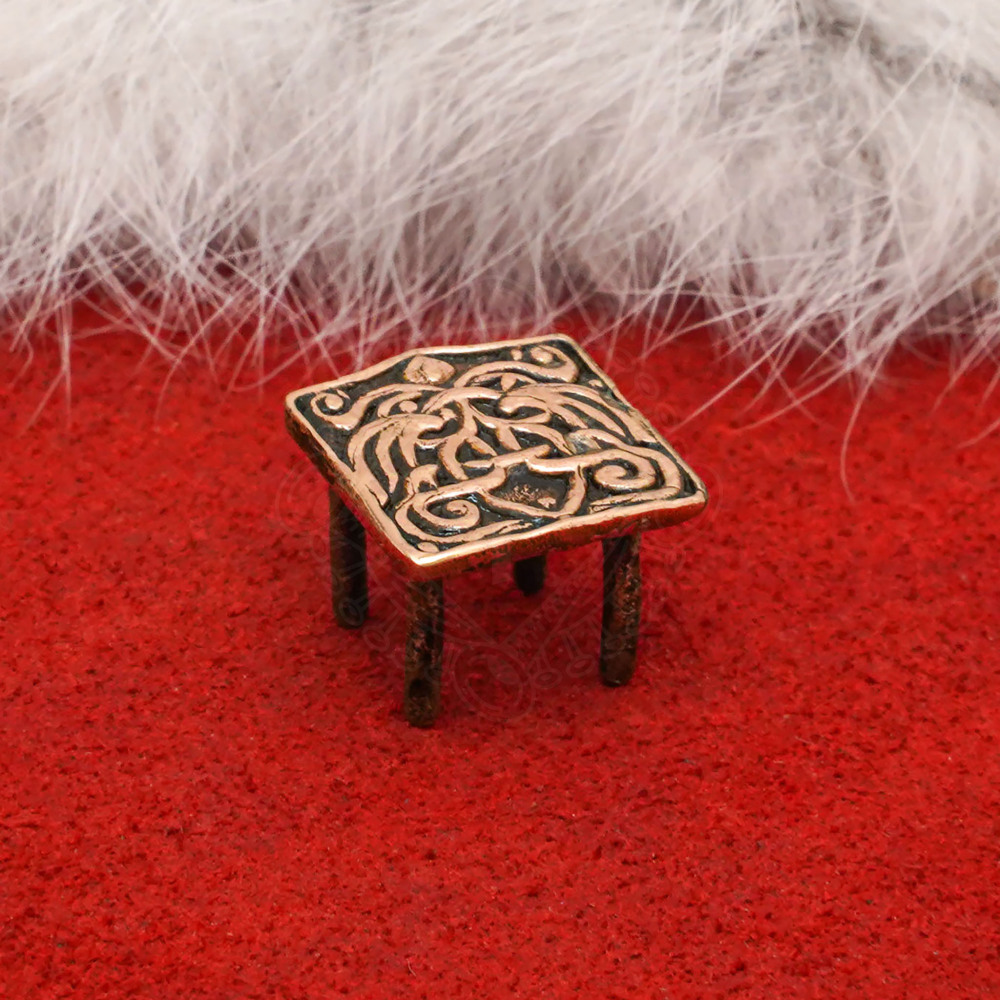
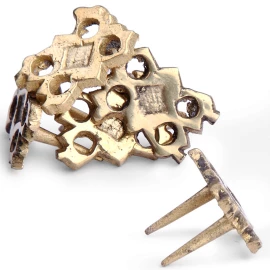
This square fitting, measuring 1.4 x 1.4 cm (approx. 0.55 x 0.55 inches), is crafted from solid bronze. Its surface features a complex, raised-relief motif of interwoven knots, characteristic of 8th to 11th-century Norse art. An antique patina finish with blackened recesses makes every detail of the knotwork stand out, giving the piece the appearance of a genuine archaeological find. On the reverse, two sturdy prongs and two smaller stabilising pins ensure a firm and reliable attachment to leather.
How to Mount the Fitting Correctly
Attaching this fitting is a straightforward process you can complete in a few simple steps:
- Carefully mark the positions on your leather belt or other item where the prongs will pass through.
- Use an awl or a small punch to create holes in the leather.
- Push the prongs of the fitting through the leather.
- On the reverse side, carefully but firmly bend the prongs outwards, or gently hammer them flat. To protect the fitting's face while hammering, we recommend placing a piece of scrap leather or cloth underneath it.
This method secures the fitting firmly, ready for use.
Fittings as a Badge of Status in the Viking Age
In the Viking era, belts were not merely functional accessories; they were a prominent indicator of the owner's social status and wealth. Lavishly decorated belts with cast bronze or silver fittings, strap-ends, and buckles were worn by jarls, warriors, and successful merchants. These ornaments are found in archaeological sites across Scandinavia, the British Isles, and the Rus' lands. The endless knots and interlace patterns were not just aesthetic; they often symbolised concepts like eternity, the interconnectedness of fate, or the strength and unity of a clan.
A Historical Insight
The lost-wax casting method (cire perdue) used to create this fitting is thousands of years old and was perfected during the Viking Age. Craftsmen would first create a detailed model from wax, cover it in clay, and then fire it. The wax would melt and drain out, leaving a perfect cavity in the clay mould. Molten bronze was then poured into this mould. This technique allowed for the mass production of highly complex and detailed items.
Caring for Your Bronze Beauty
To keep your fitting looking its best for years to come, follow these simple guidelines:
- Store it in a cool, dry place to prevent oxidation.
- Clean it gently with a soft, dry cloth only.
- Never use abrasive pastes, brushes, or chemical cleaners, as they could damage the patina and fine details.
- Remember that bronze naturally develops a patina over time, which adds to its authenticity and character.
Product Specifications
| Material | Solid Bronze, lost-wax cast |
| Era | Viking Age (8th–11th Century) |
| Dimensions | approx. 1.4 x 1.4 cm (0.55 x 0.55 in) |
| Prong Length | approx. 1 cm (0.39 in), bendable |
| Attachment | 2 rear prongs & 2 stabilising pins |
We are here for you!





.3773623034.1696456237.png.webp)

.3773623034.1696456268.png.webp)
.3773623034.1696456247.png.webp)