
 Čeština
 Deutsch


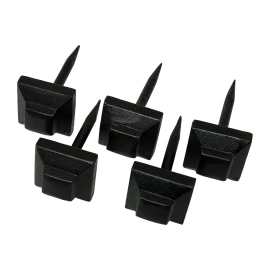
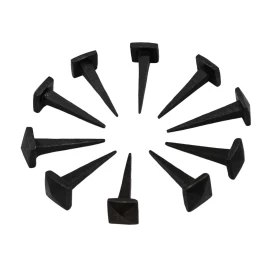
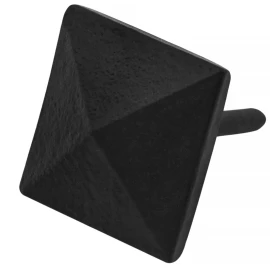
Forged Iron Decorative Nail, Flat Top Pyramid Clavo, 1 Inch (1 Piece)
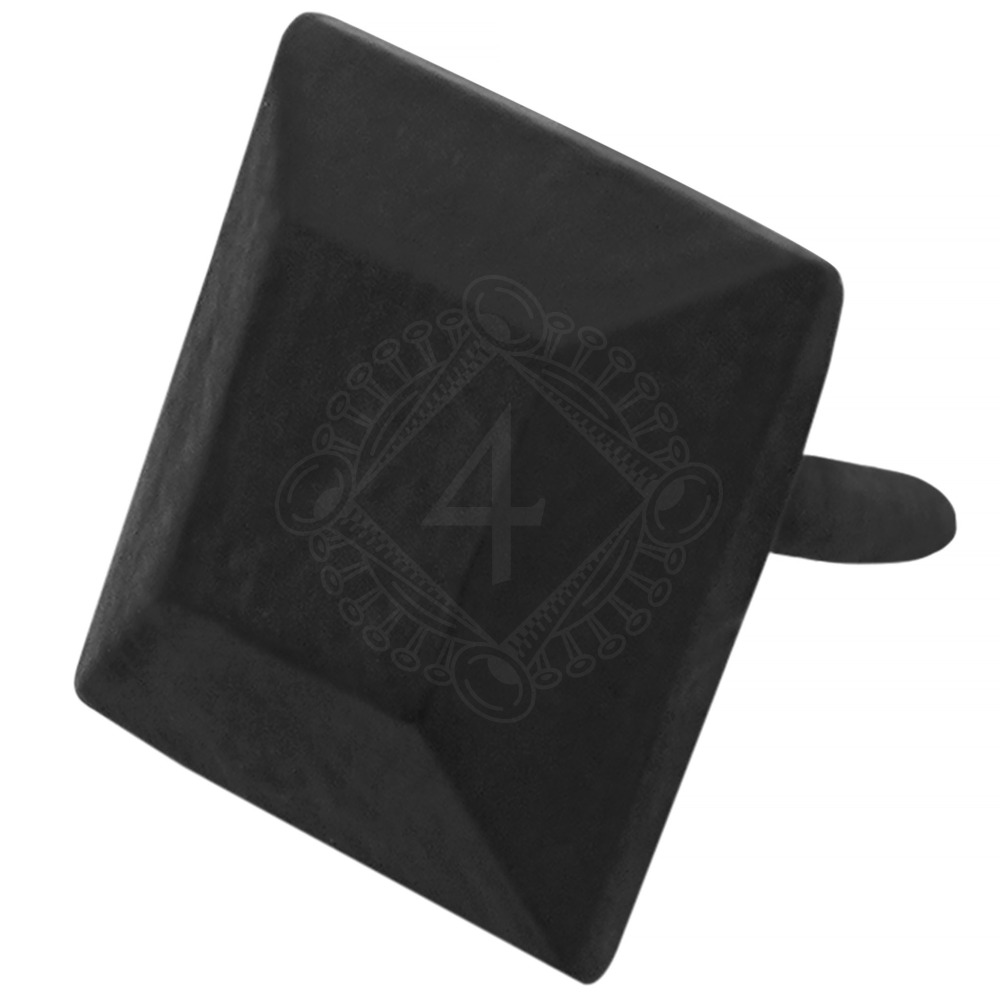
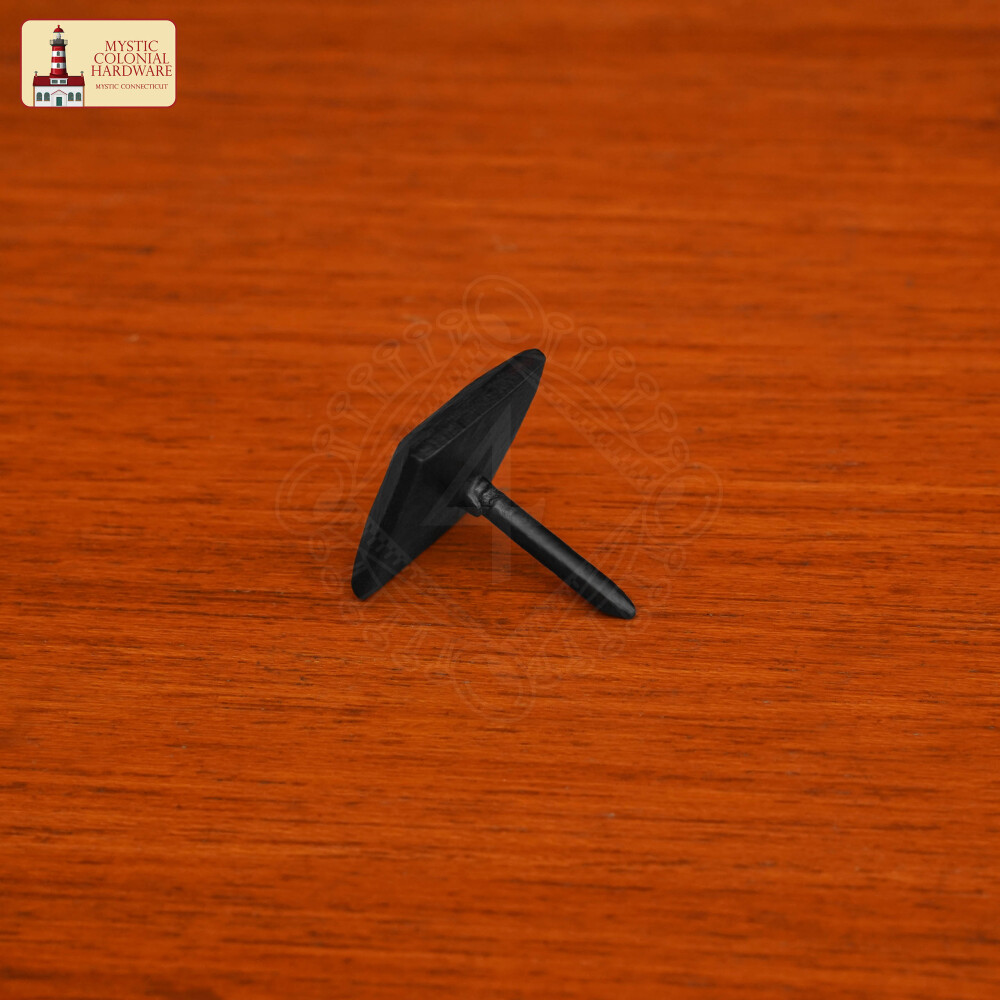
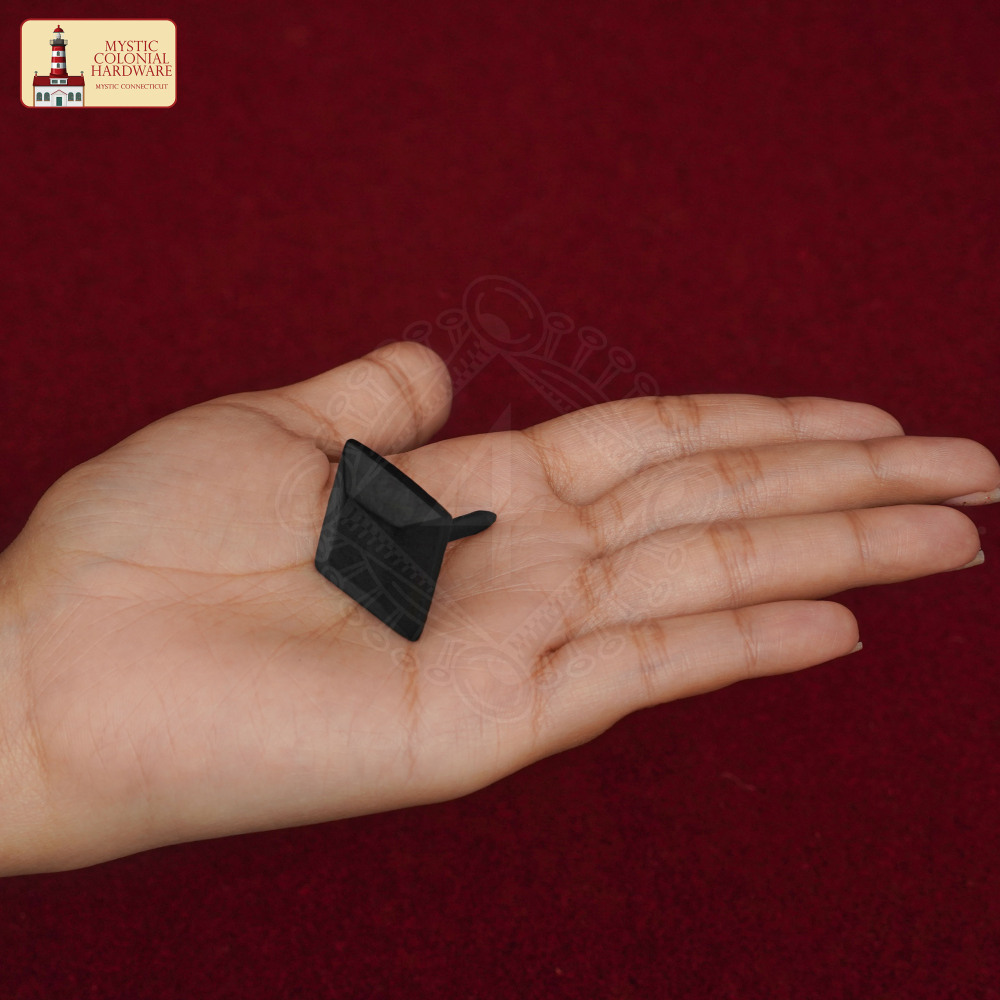
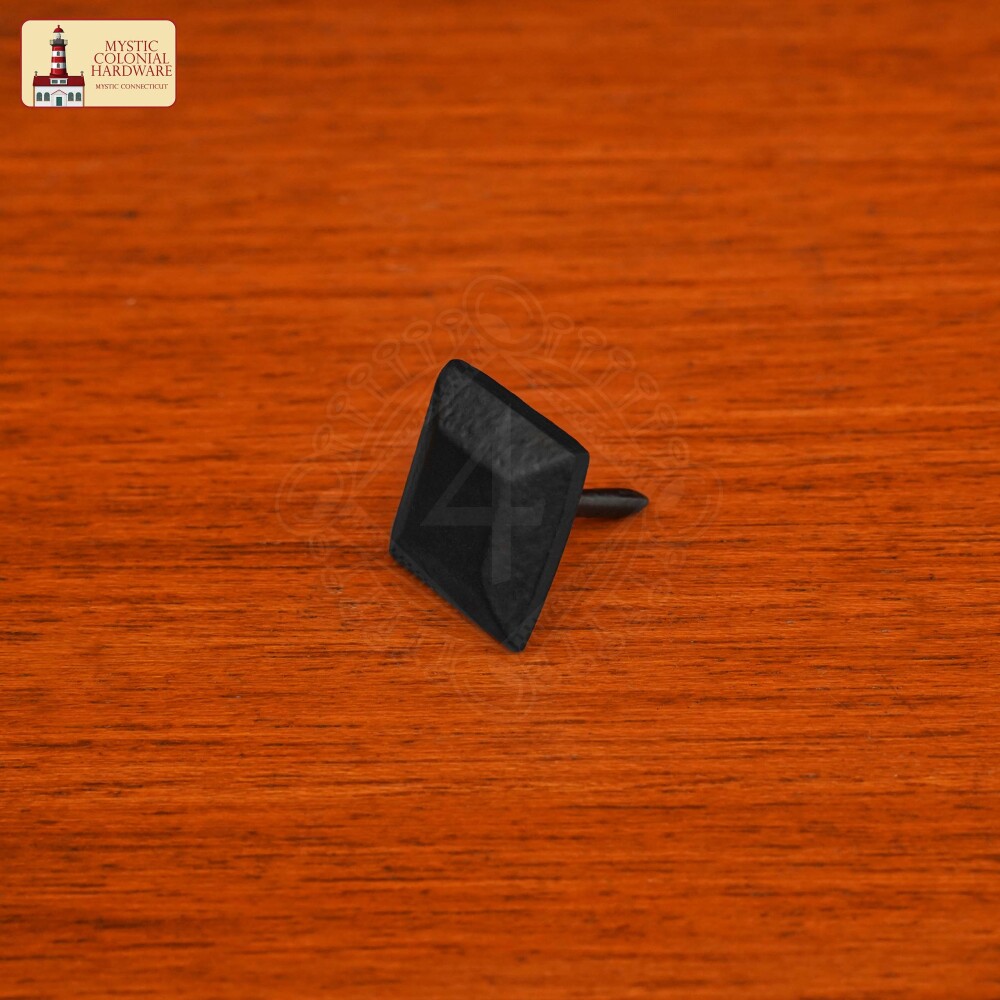

Give your projects a stamp of solid durability and historical authenticity with this forged iron nail. Its characteristic head, shaped like a flat-top pyramid (a truncated pyramid), is not just a distinctive decorative element but also a tribute to honest craftsmanship. Ideal for solid doors, gates, beams, and furniture in a rustic, industrial, or medieval style. Further product information ...

Would you like to be notified as soon as the item is in stock?
You will receive a short e-mail as soon as we have it back in stock.
Forged Iron Decorative Nail, Flat Top Pyramid Clavo, 1 Inch (1 Piece)
Technical Parameters and Features
- Material: Iron, Forged
- Finish: Oil-Blackened
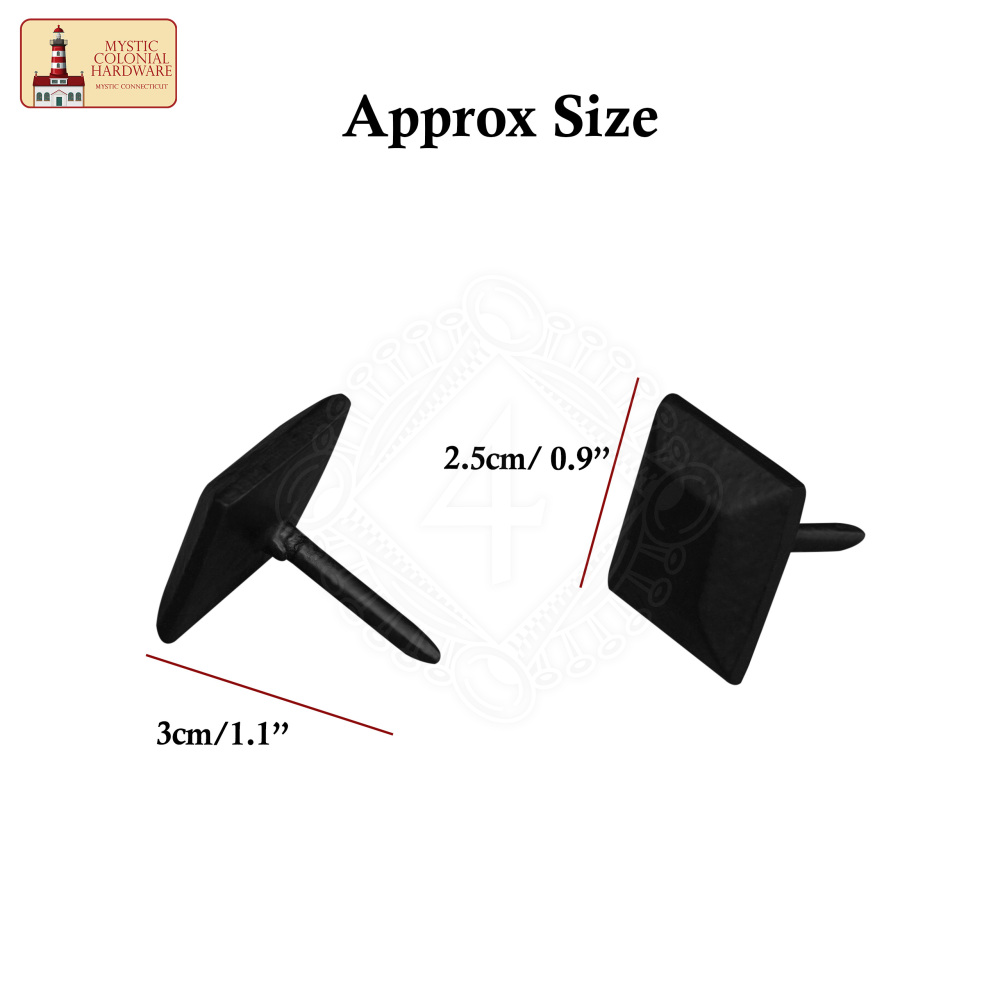
- Head Size: approx. 25 x 25 mm (1 x 1 inch)
- Overall Length: approx. 32 mm (1.25 inches)
- Shank Length (in material): approx. 23 mm (0.9 inches)
- Shank Diameter: approx. 3.15 mm
- Weight: approx. 22 g
- Style: Rustic, Industrial, Medieval
- Package Contents: 1 x Forged Decorative Nail
A Robust Detail for Your Projects
This type of massive nail is ideal for projects where you want to emphasize the strength and resilience of the material. Use them to stud heavy wooden gates, plank doors, or shutters, giving them an impregnable look. They are excellent for decorating large chests to make them look like treasure troves from ages past. In an interior, they can serve as an impressive decorative element on exposed wooden beams or in the construction of rustic furniture.
From the Life of the Smith's Forge
The practicality of this design has been proven over centuries. The wide, flat head was designed to perfectly distribute force and securely hold even wide planks without the risk of them pulling over the head. This made the design ideal for rough and durable constructions like barn doors, fortifications, or even shipbuilding. The flat top was also more practical than a pointed pyramid—it was less likely to snag clothing and didn't get in the way.
An Interesting Historical Fact
In the past, large, visible nail heads on doors were not just a fastening element but also a symbol of protection. Doors studded with iron nails looked stronger, more resilient, and more intimidating to potential intruders. In some cultures, it was even believed that a specific arrangement of nails on a door could have magical properties and ward off evil spirits.
Installation and Care for an Iron Tradition
Installation
- Carefully mark the spot on the wooden surface.
- Always pre-drill a pilot hole. It should be slightly smaller than the nail's shank (approx. 2.5-3 mm). This step is crucial to prevent the wood from splitting.
- Place the nail in the hole and gently tap it in with a hammer. The flat head is ideal for striking. To protect the surface, you can use a rubber mallet or a piece of wood as a buffer.
Product Care
This nail is virtually maintenance-free. Indoors, it's enough to wipe away dust. The oil-blackened finish is durable. If you use it outdoors, it will develop a natural rust patina over time, which can be desirable for a historical look. If you want to prevent corrosion, regularly wipe it with a cloth and a bit of conservation oil.
What to Avoid
The nail is intended exclusively for wood. Do not attempt to hammer it into masonry, stone, or metal. Never skip pre-drilling, especially in hard or old wood that is prone to cracking. While the nail is strong, its main purpose is decorative—do not rely on it alone for key load-bearing joints.
We are here for you!





.3773623034.1696456237.png.webp)

.3773623034.1696456268.png.webp)
.3773623034.1696456247.png.webp)