
 Čeština
 Deutsch


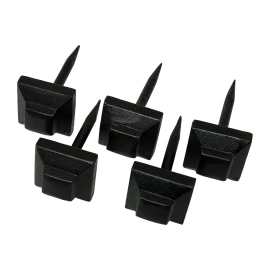
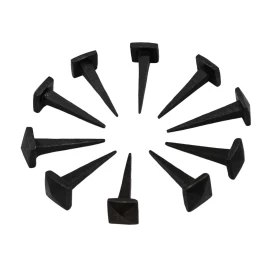
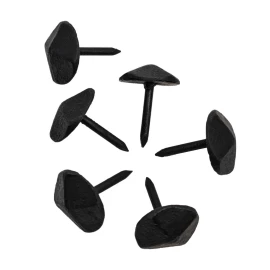
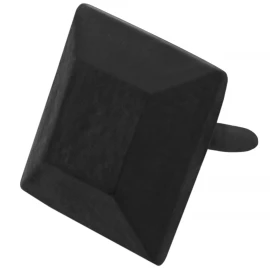
Hand-Forged Iron Decorative Nail, "Pyramid" Clavo with Pyramid Head, 1 Inch (1 Piece)
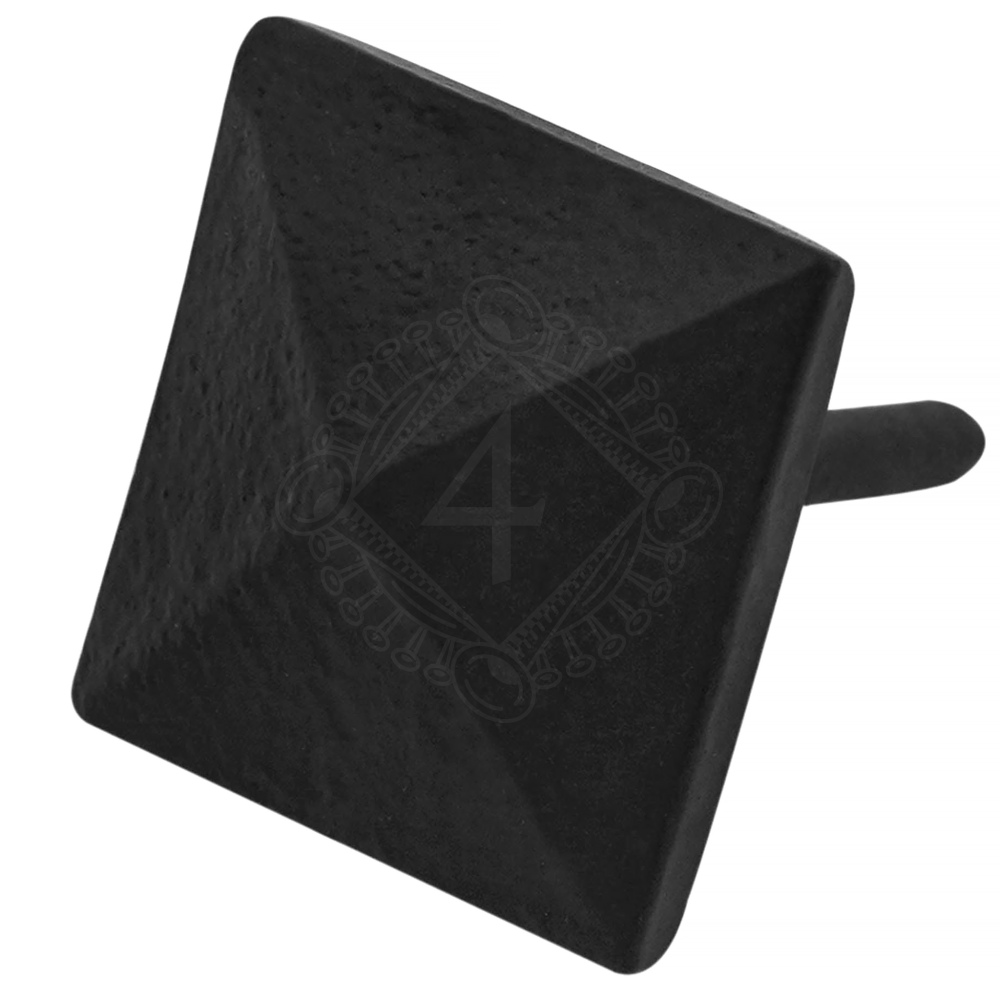
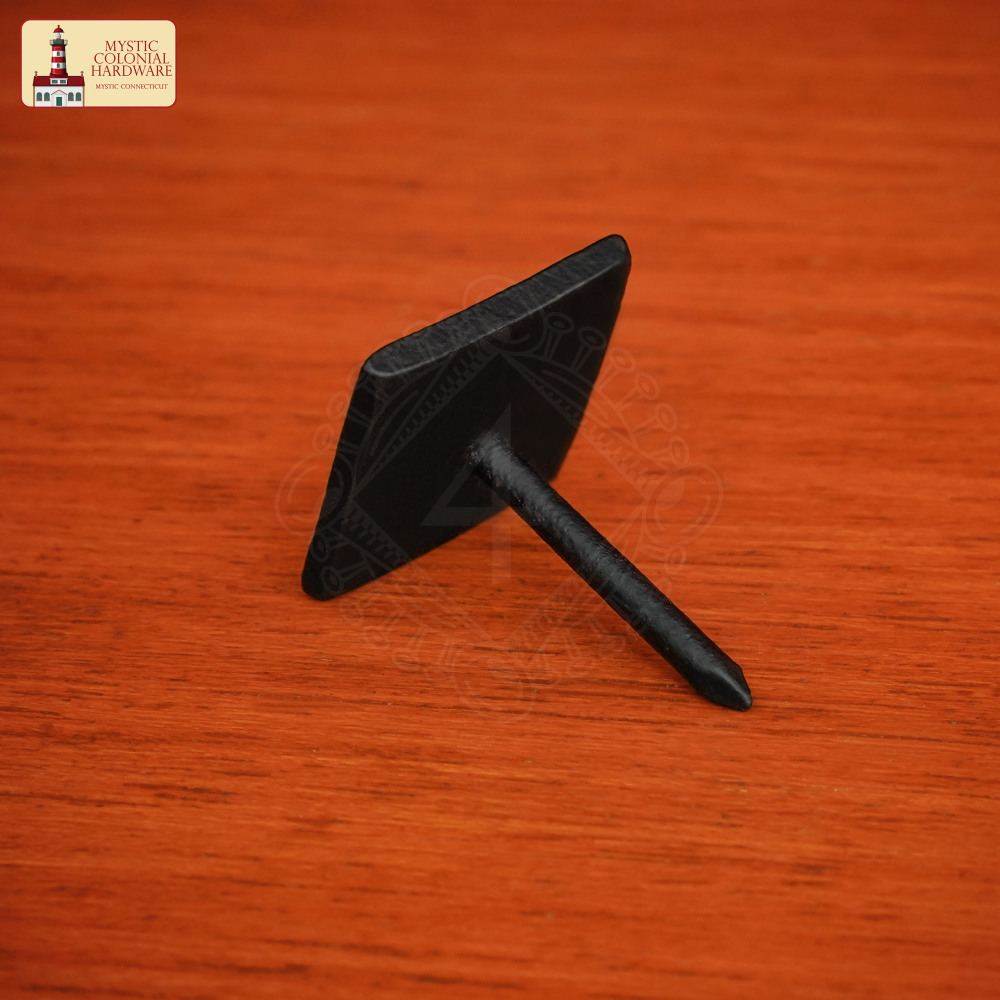
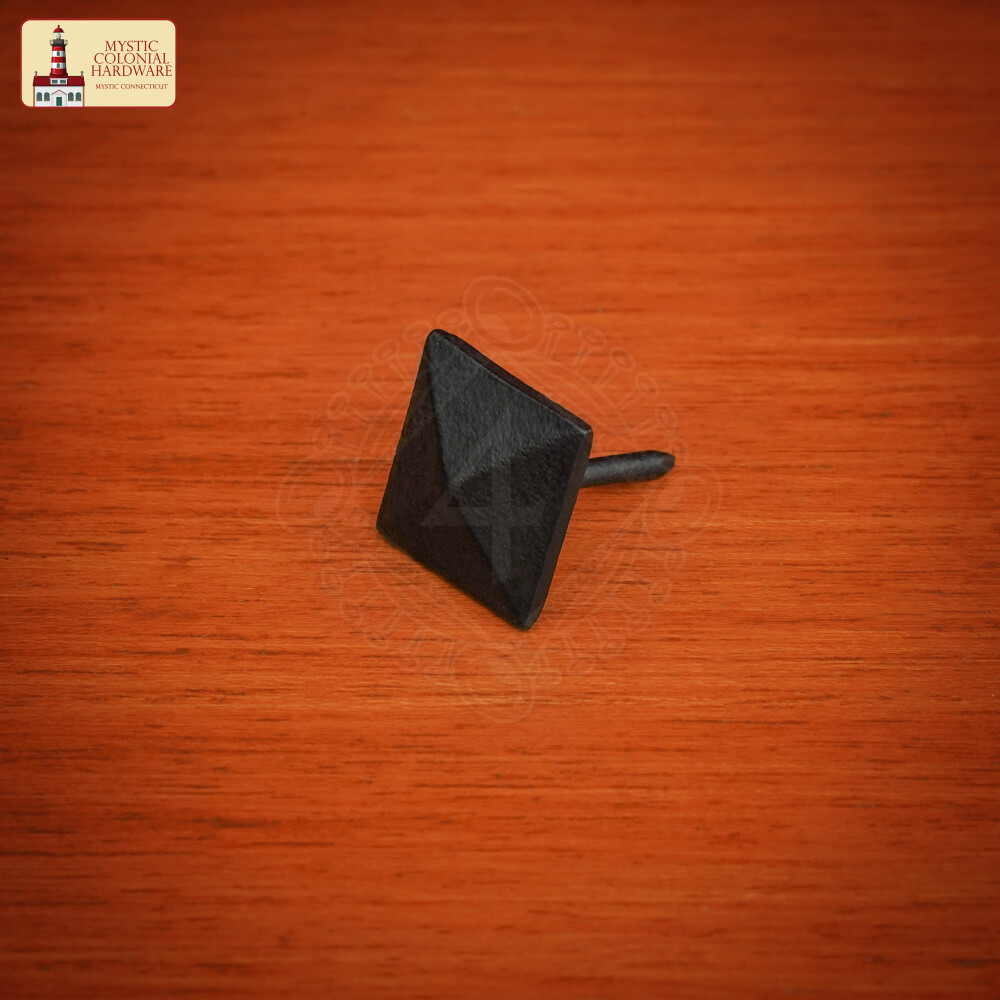
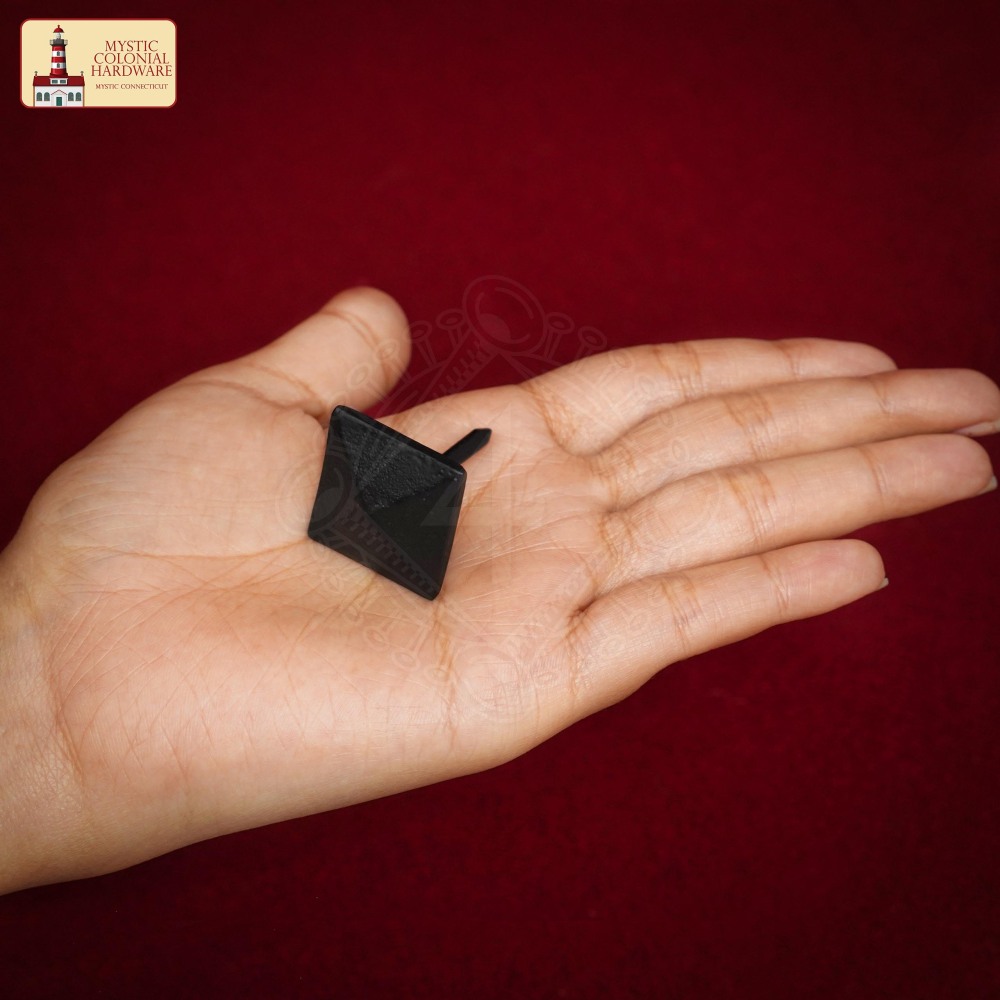

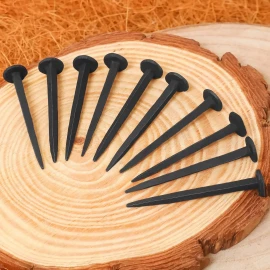
Accent the authenticity of your projects with the perfect detail. This solid, hand-forged iron nail with its distinctive pyramid head is the precise element that gives your doors, gates, furniture, or chests an unmistakable historical character. Each piece is an original with a textured surface and traditional oil finish, ideal for rustic, medieval, or Gothic styling. Further product information ...

Would you like to be notified as soon as the item is in stock?
You will receive a short e-mail as soon as we have it back in stock.
Hand-Forged Iron Decorative Nail, "Pyramid" Clavo with Pyramid Head, 1 Inch (1 Piece)
Technical Parameters and Features
- Material: Hand-Forged Iron
- Finish: Oil-Blackened
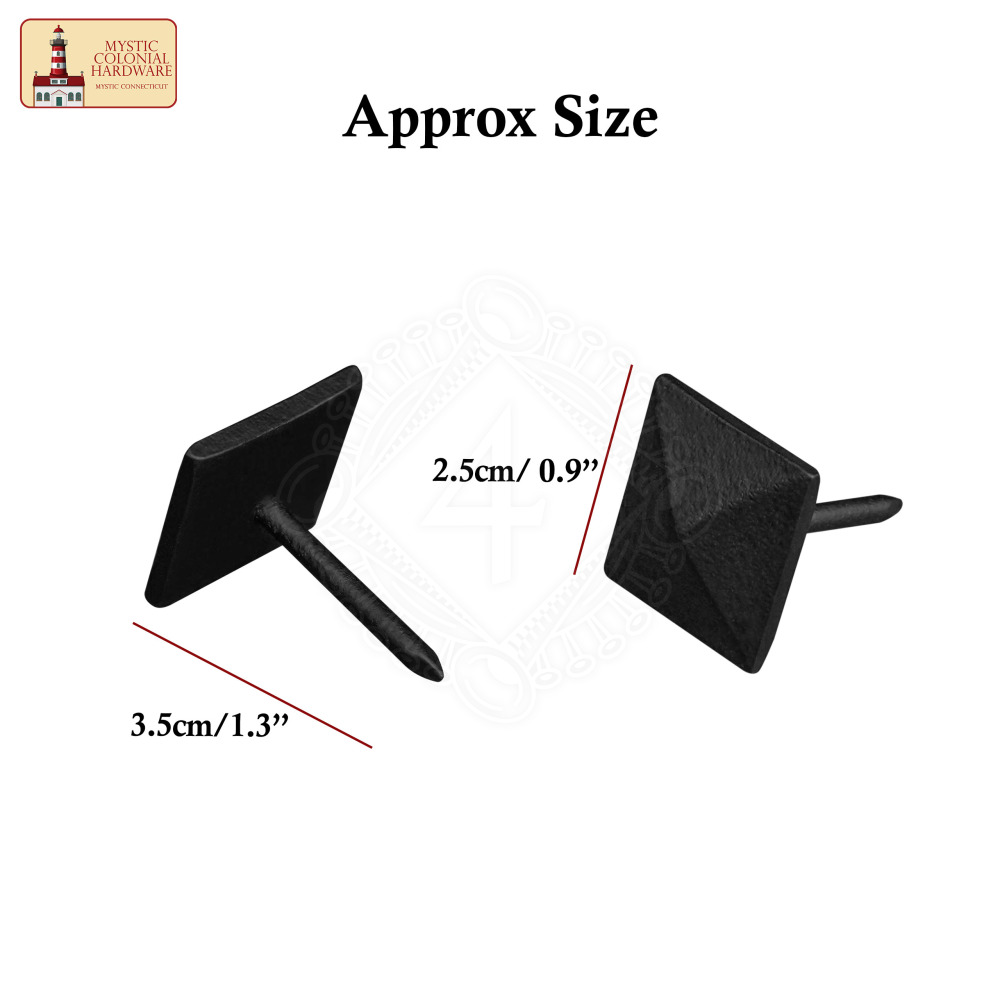
- Head Size: approx. 2.5 x 2.5 cm (1 x 1 inch)
- Overall Length: approx. 3.5 cm (1.3 inches)
- Style: Rustic, Medieval, Gothic, Spanish Colonial
- Package Contents: 1 x Forged Decorative Nail
Where This Nail Can Make an Impact
Decorative nails, also known as "Clavos," are a fantastic way to add character to any wooden surface. You can use them to decorate entrance doors or massive gates to make them look like the entrance to a medieval castle. They are perfect for wooden chests, lending them an air of robustness and period authenticity. You can also use them as decorative accents on furniture, wooden beams, or even on LARP shields and other props.
A Nail with a Thousand-Year History
Before nail-making machines were invented in the 18th century, every single nail had to be handmade by a blacksmith. As a result, nails were a relatively valuable commodity. Large, decorative nails with a massive head, like this one, were not just a fastening material but also a status symbol. They adorned the gates of castles, churches, and manors, especially in Gothic and Spanish Colonial architecture. Their purpose was not only to hold wood together but also to demonstrate strength, security, and wealth.
An Interesting Historical Fact
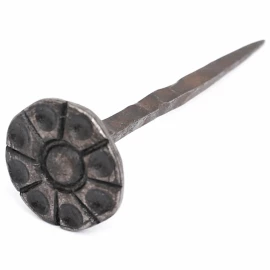
Archaeologists often use old, hand-forged nails to date historical buildings. The shape of the head and shank of the nail changed over the centuries. While the pyramid head is one of the oldest and most classic shapes, other styles like so-called "rose head" nails were also popular in the past. Their faceted top, formed by several hammer blows, resembled a rosebud.
Installation and Care of the Forged Detail
Installation
- Carefully mark the spot where you want to place the nail.
- Always pre-drill a pilot hole into the wood that is slightly smaller than the nail's shank. This prevents the wood from splitting, especially with harder or older materials.
- Gently tap the nail into the pre-drilled hole with a hammer. To protect the decorative head, you can place a small block of softwood on top as a buffer for the final blows.
Product Care
This nail is made to last. To maintain its appearance, simply keep it dry and wipe off dust. The oil-blackened finish is durable. When used outdoors, it will develop a natural patina over time, which can add to its charm. If you wish to maintain the deep black look, you can occasionally wipe it with an oil-dampened cloth.
What to Avoid
Do not attempt to hammer the nail into stone, concrete, or metal; it is designed exclusively for wood. Do not skip pre-drilling, especially in hardwood—you could permanently damage the wood. While it is a strong nail, its primary purpose is decorative. Do not rely on it alone for critical structural joints that are under a heavy, constant load.
We are here for you!





.3773623034.1696456237.png.webp)

.3773623034.1696456268.png.webp)
.3773623034.1696456247.png.webp)