
 Čeština
 Deutsch


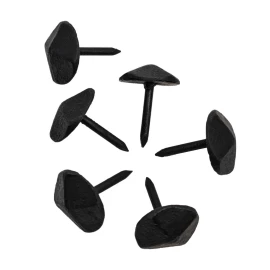
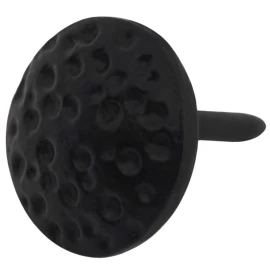
Hand-Forged Decorative Clavo Nail, 32 mm, Blackened Finish
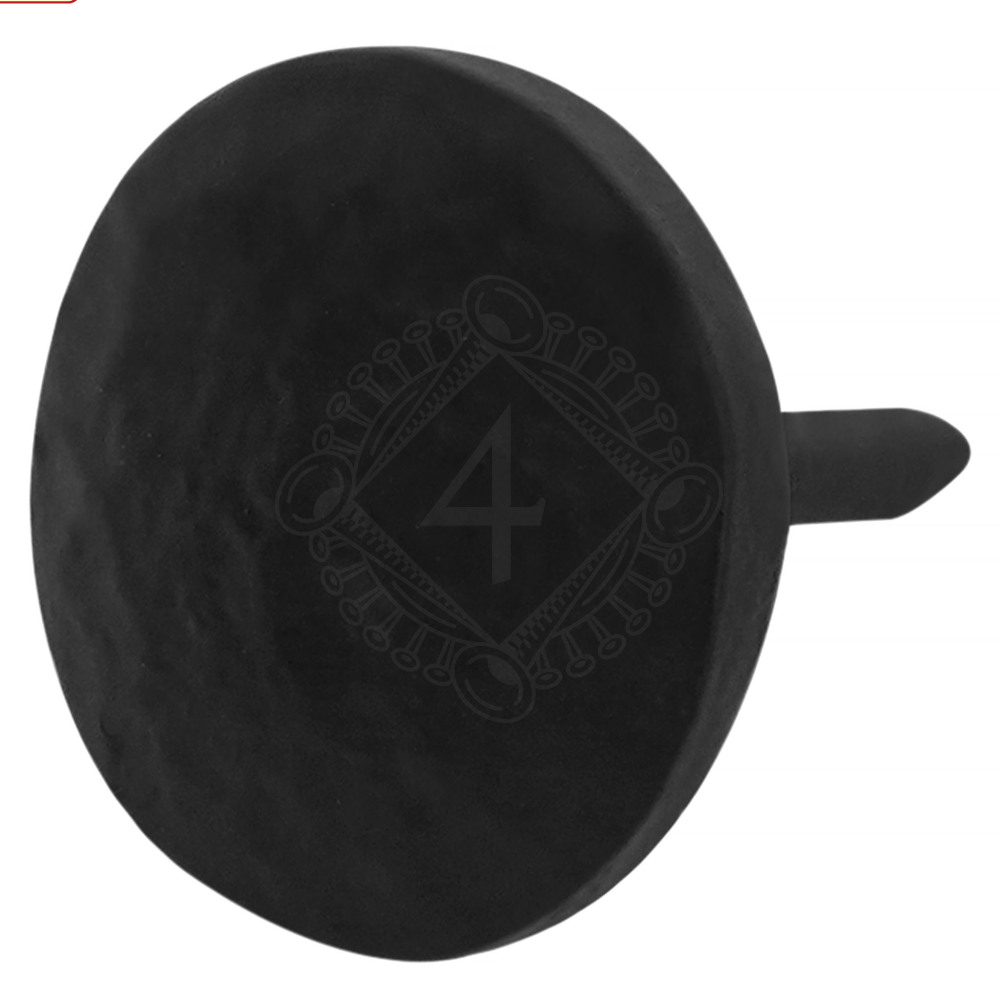
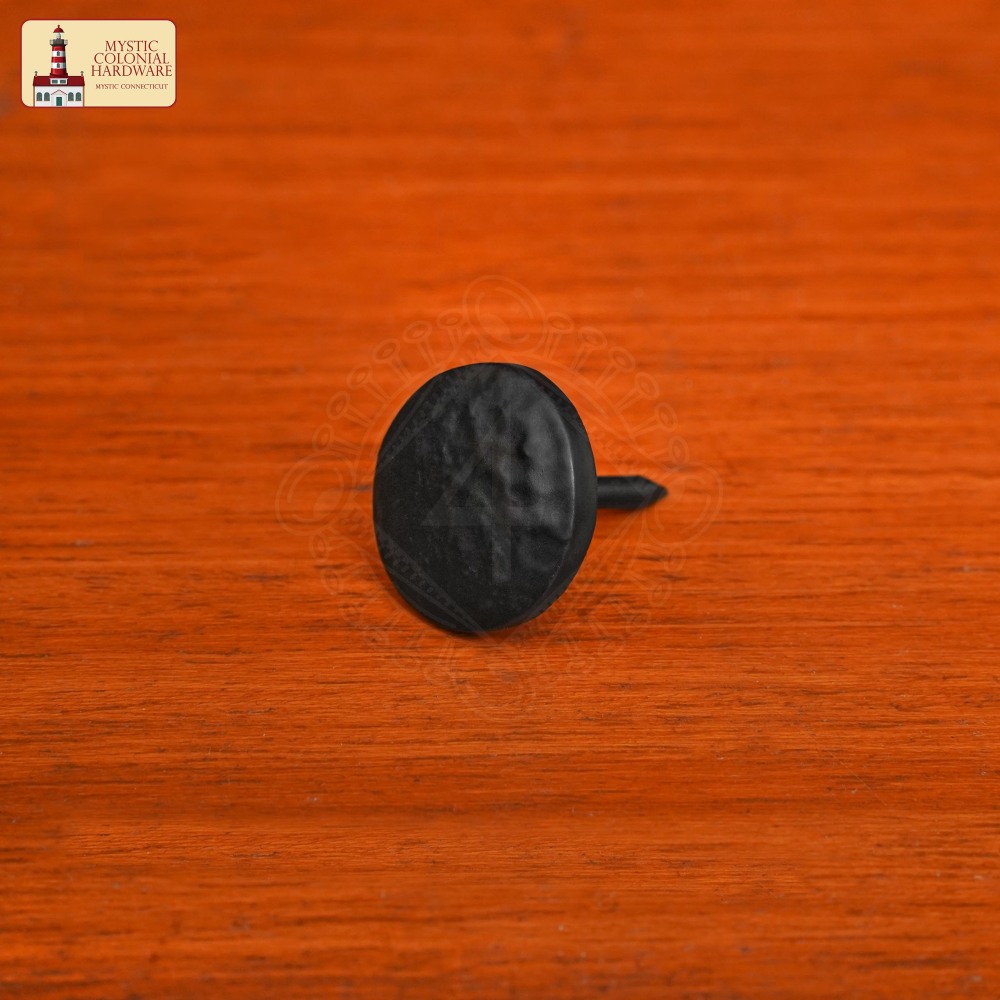
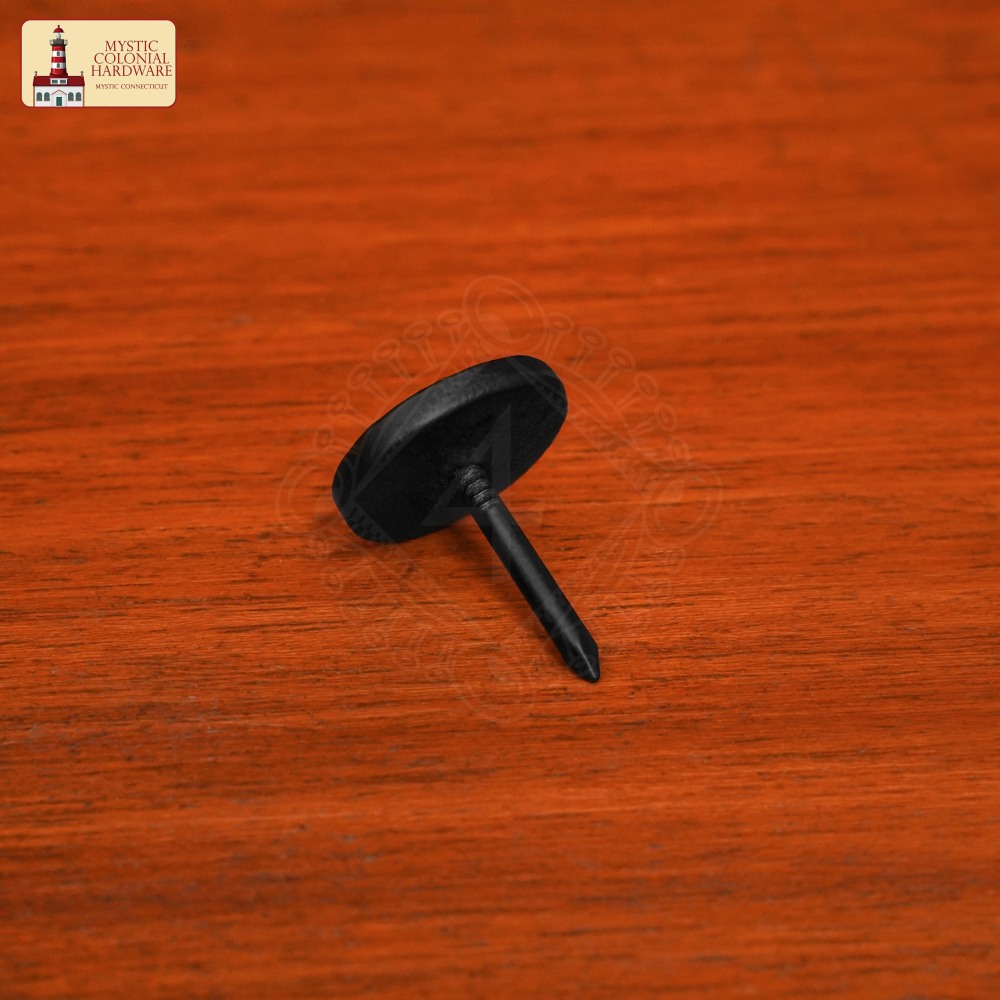
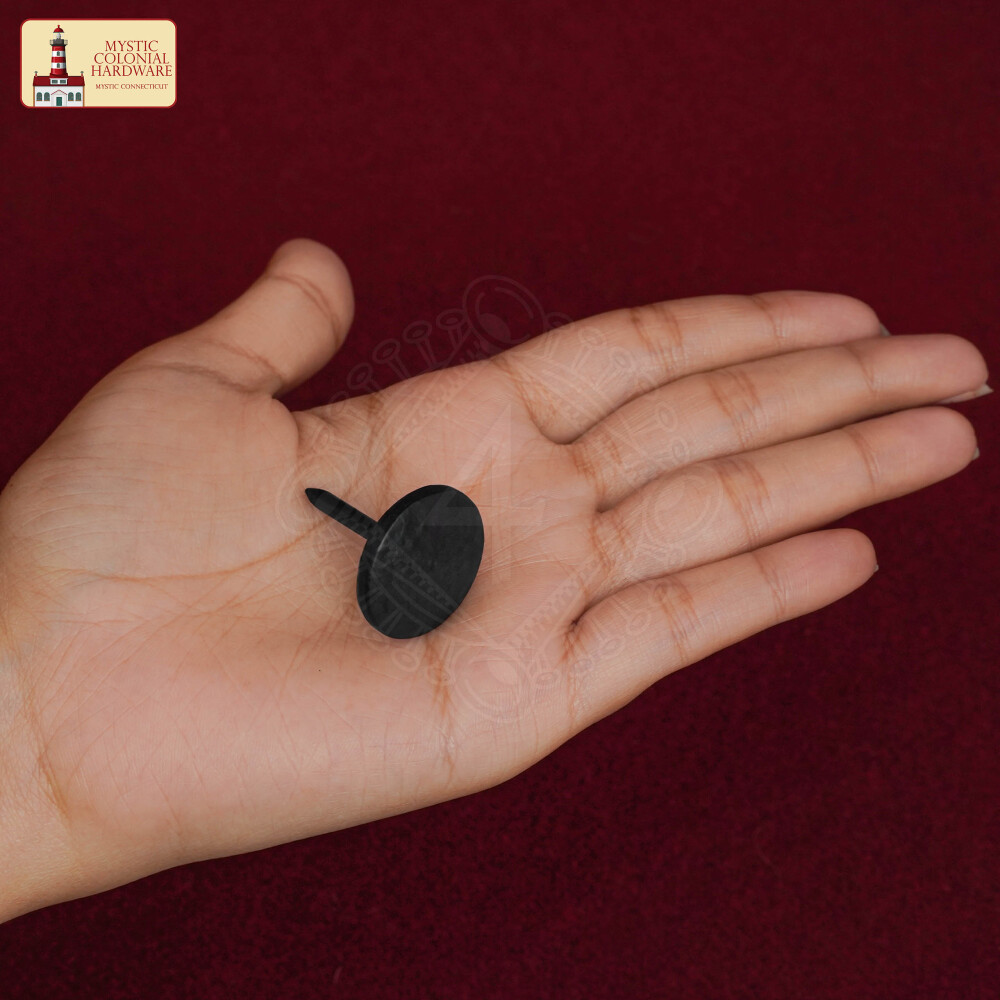

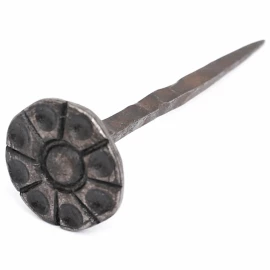
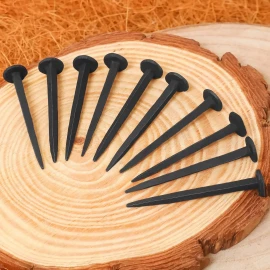
This hand-forged decorative nail, also known as a Clavo, gives your projects an authentic historical look. Thanks to its massive round head with a forged texture and a traditional oil-blackened finish, it is perfect for restoring old furniture, building historical doors and gates, or as a rustic decorative accent. Each piece is an original, bringing a touch of honest craftsmanship and period atmosphere into your home. Further product information ...
Would you like to be notified as soon as the item is in stock?
You will receive a short e-mail as soon as we have it back in stock.
Hand-Forged Decorative Clavo Nail, 32 mm, Blackened Finish
Authentic Look and Honest Craftsmanship
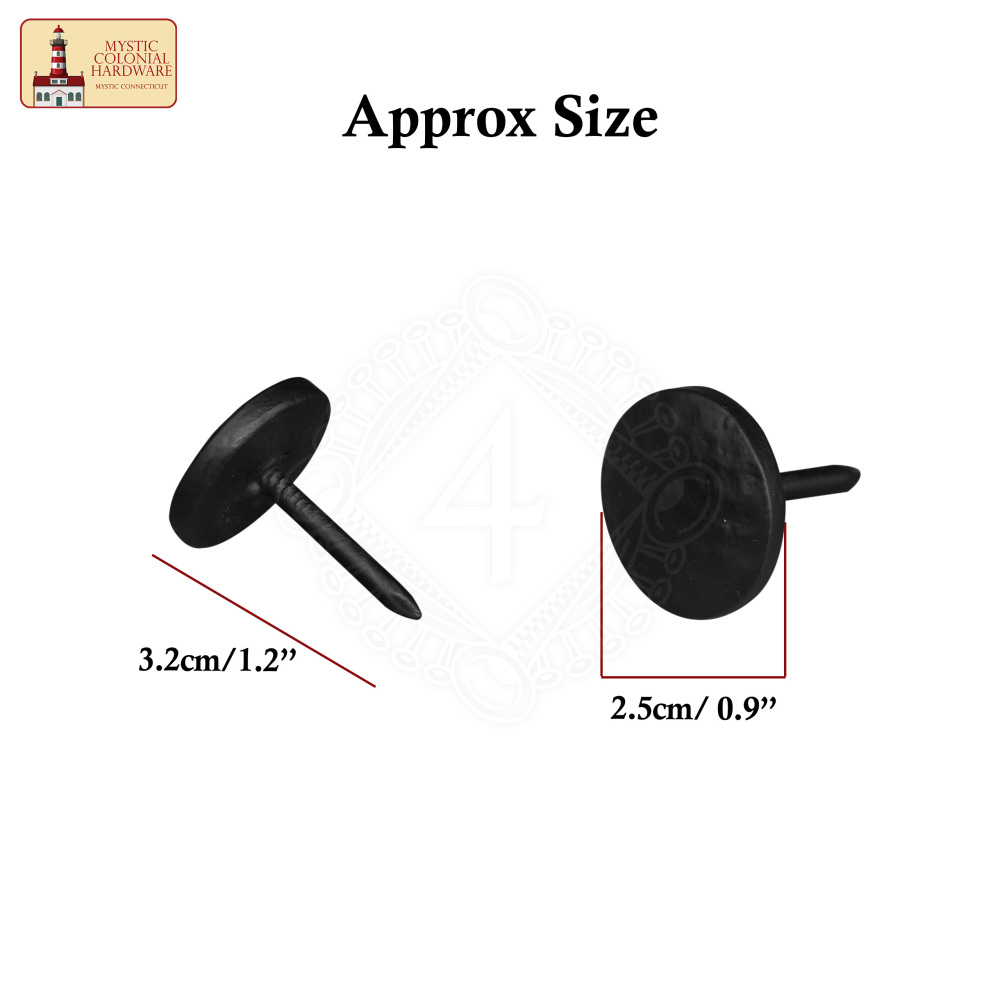
The standout feature of this iron nail is its solid, round head with a diameter of 23.6 mm. Its surface is not perfectly smooth but bears the distinct marks of a smith's hammer, creating a unique and rustic texture. The oil-blackened finish gives the nail a rich, matte black colour while also protecting it from corrosion. The sturdy shank, with a length of 25.5 mm and a diameter of 3 mm, ensures a reliable anchor in the wood.
Specifications:
- Total Length: 32 mm
- Head Diameter: 23.6 mm
- Shank Length: 25.5 mm
- Shank Diameter: 3 mm
- Weight: approx. 17 g
- Material: Iron
- Finish: Oil-blackened, hand-forged look
Breathe Historic Charm into Your Home
This decorative nail isn't just for historical restoration projects. You can use it creatively in a modern home as well. Adorn wooden planks on a wall, create a unique key rack or towel hook, or use it as a stylish detail on solid wood furniture. It's perfect for attaching leather straps or for decorating wooden beams and mirror frames, adding an industrial, farmhouse, or country-style touch.
A Glimpse into the Past
Nails with large, decorative heads, often referred to by the Spanish word "Clavos," were an indispensable part of carpentry and joinery for centuries, especially from the Middle Ages to the Baroque period. Their function was not only for fastening but also aesthetic. They decorated and reinforced the massive oak doors of churches, castle gates, iron-studded chests, and sturdy peasant furniture. The large nail head effectively distributed pressure and prevented the wood from being pulled through, thus increasing the strength of the joint.
More Than Just a Fastener
In some cultures, it was believed that iron nails, especially those placed on entrance doors, had protective (apotropaic) powers. They were thought to ward off evil spirits and protect the home's inhabitants from misfortune and the evil eye. The number and arrangement of nails on a gate could therefore symbolize not only the owner's wealth but also their desire for security.
Installation and Care
How to Install
In softwoods, you can gently hammer the nail in. For hardwoods (like oak), we strongly recommend pre-drilling a pilot hole slightly smaller in diameter than the nail shank (approx. 2.5 mm). This will prevent the wood from splitting and make it easier to drive the nail in. To protect the decorative head, use a rubber mallet or place a piece of scrap wood or thick leather over the nail head when hammering.
How to Care for the Nail
The surface is treated with oil, which provides basic protection. To maintain the beautiful black appearance and protect against rust, especially in damp environments, simply wipe the nail from time to time with a cloth soaked in natural oil (e.g., linseed oil) and wipe off any excess. This will renew its protective layer and enhance its colour.
What to Avoid
This forged nail is primarily decorative and intended for use in wood. Do not use it as a load-bearing structural element for heavy items. It is not suitable for driving into masonry, concrete, or plasterboard without an appropriate wall anchor or plug.
We are here for you!





.3773623034.1696456237.png.webp)

.3773623034.1696456268.png.webp)
.3773623034.1696456247.png.webp)