
 Čeština
 Deutsch


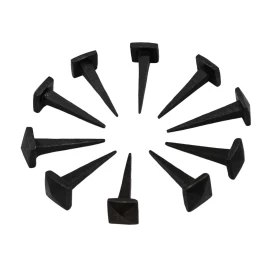
Hand-Forged Medieval Square Nails, 5 cm, Set of 10
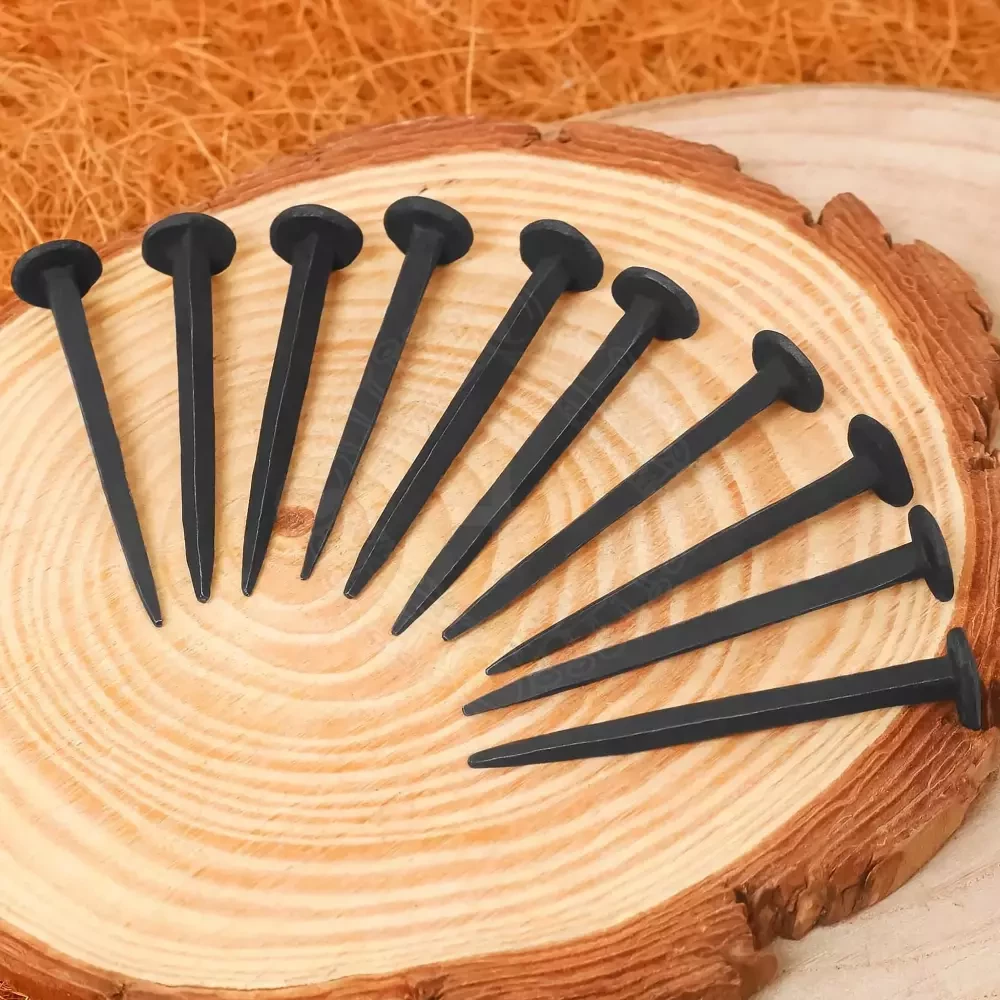
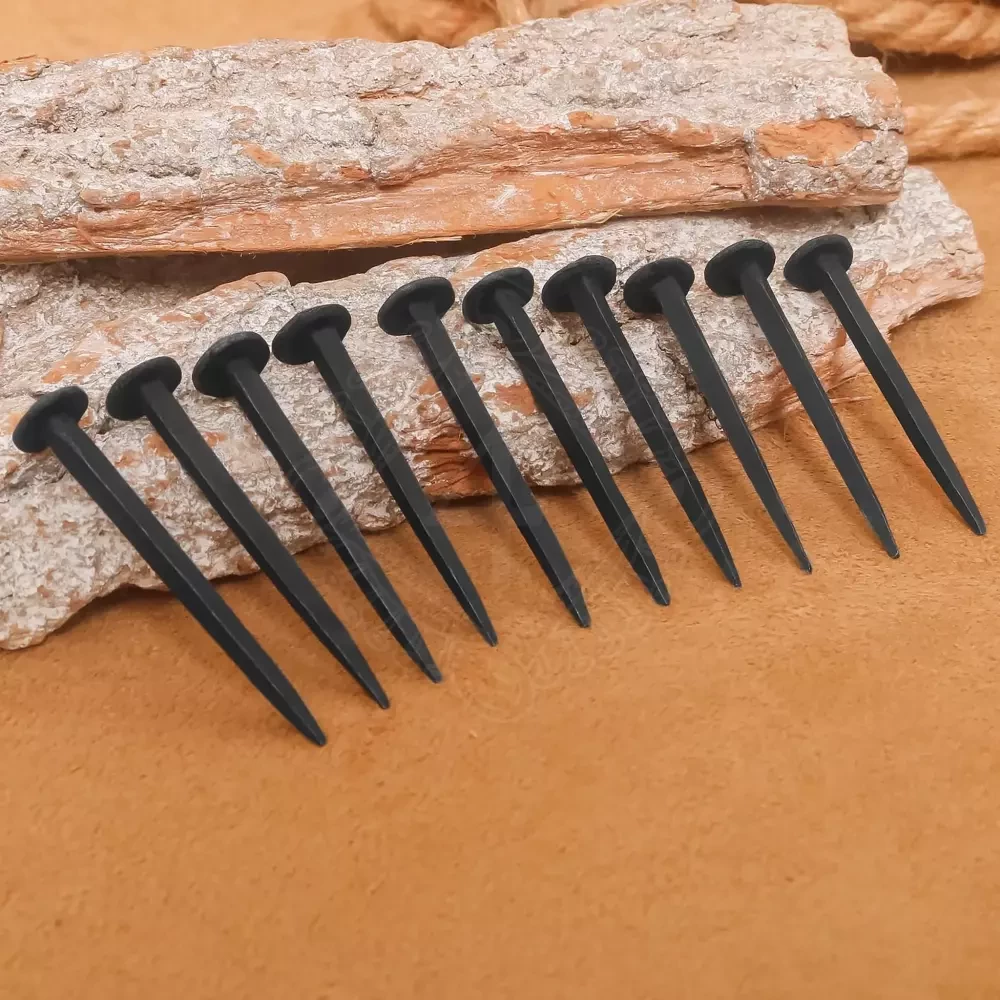
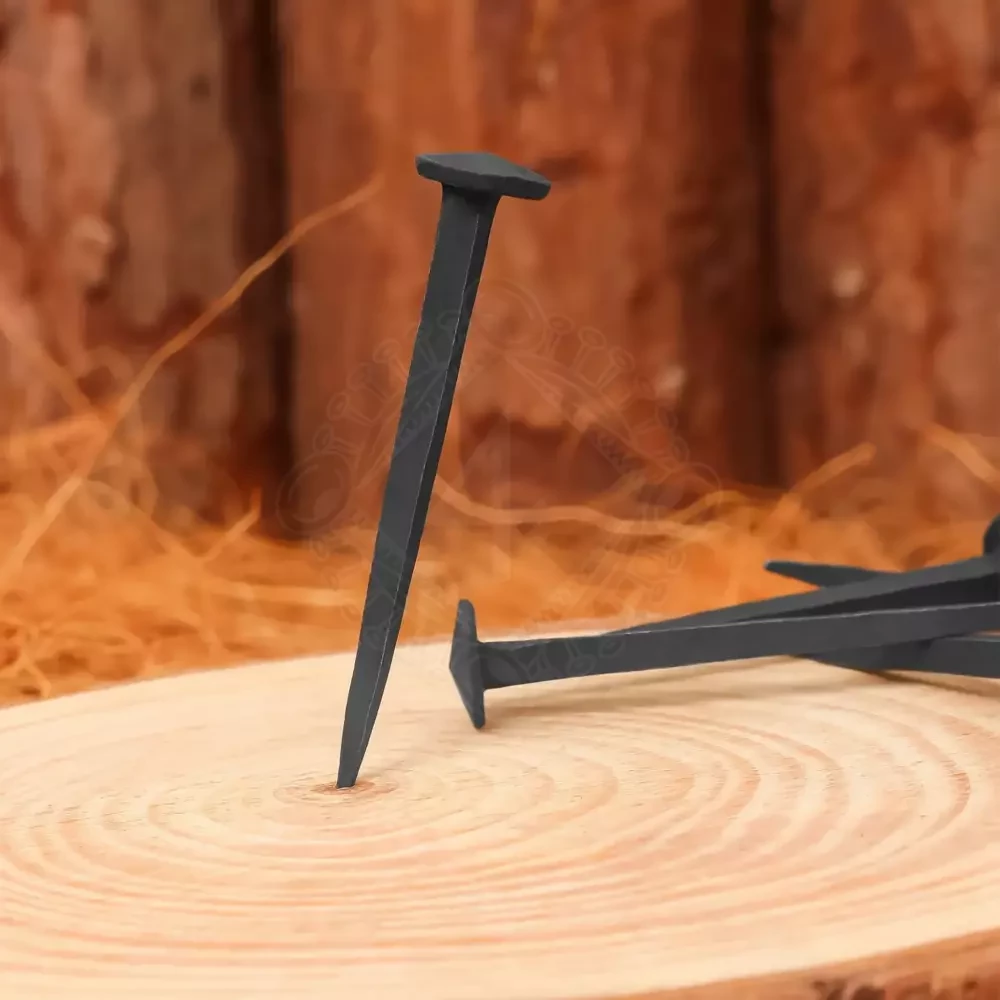

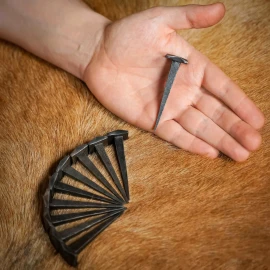
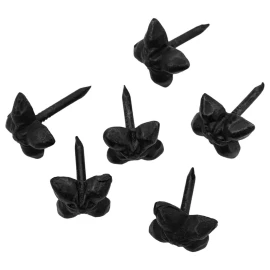
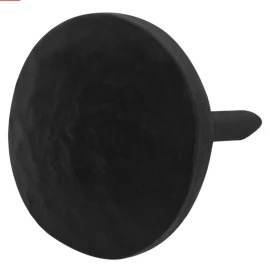
Give your historical projects the ultimate touch of authenticity with this set of 10 honest, hand-forged nails! Forget modern, machine-made fasteners. Each piece in this set is individually forged from steel with a traditional blackened finish, giving it a rustic and period-correct appearance. Their classic design – a square tapered shank and a wide flat head – is not just for show. This shape, proven over centuries, provides far greater strength and holding power in wood than modern round nails. They are the ideal choice for crafting shields, historical furniture, chests, or for attaching forged hinges and hardware. Further product information ...

Would you like to be notified as soon as the item is in stock?
You will receive a short e-mail as soon as we have it back in stock.
Hand-Forged Medieval Square Nails, 5 cm, Set of 10
For Your Historical Projects
This set of nails from the House of Warfare brand is indispensable for any crafter, re-enactor, or artisan who values attention to detail.
- Shield Making and Repair: Ideal for attaching leather straps, rims, or a central boss to a wooden shield body.
- Historical Furniture and Woodworking: Excellent for building and repairing chests, benches, tables, and doors in a rustic or medieval style.
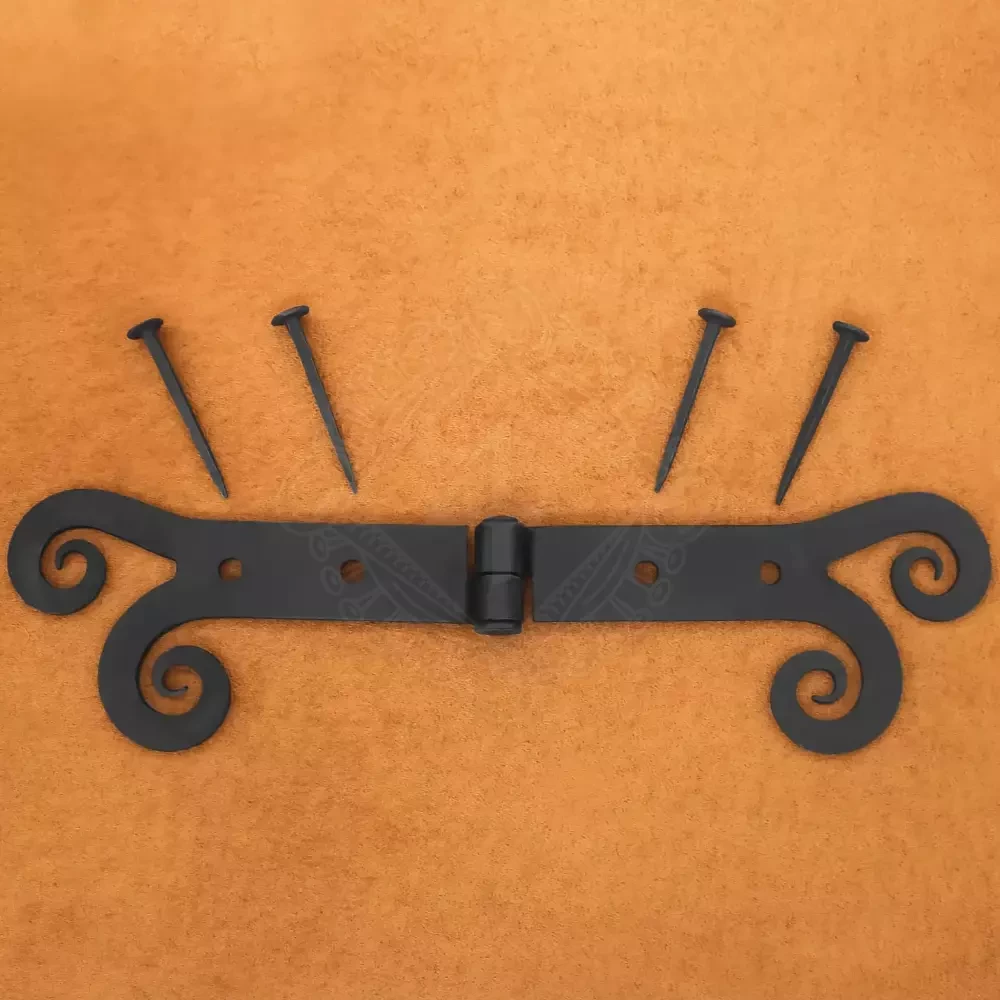
- Attaching Hardware: The flat head securely and stylishly fastens forged hinges, handles, locks, and other decorative elements.
- LARP and Scenery Building: Add maximum authenticity to your creations, from camp equipment to dungeon doors.
A Quick Guide to Use
Forged nails are used a little differently than modern ones. Thanks to their square shape, they hold better but can also split wood more easily. For the best result, especially with harder or drier wood, we recommend pre-drilling a pilot hole with a drill bit slightly smaller than the nail's shank. This will prevent the material from splitting and make the nail easier to hammer in.
A Glimpse into History: The Blacksmith's Craft
Until the Industrial Revolution in the 19th century, every single nail was made by hand by a blacksmith. The square, forged nail was the standard for thousands of years. Its production required skill and time. A smith had to draw out a point from a rod of iron, cut off the desired length, and then forge the head in a tool called a nail header. It was this process that gave the nail its characteristic shape, which provided excellent strength in wooden structures as the square edges would bite into the wood fibres.
How to Care for Your Nails
As the nails are made of steel, they can rust in a damp environment.
- Store them in a dry place.
- If you use them outdoors or in a damp environment, we recommend treating their surface (especially the heads) after installation with a conservation oil, wax, or a suitable varnish to extend their life and preserve their appearance.
Parameters Table
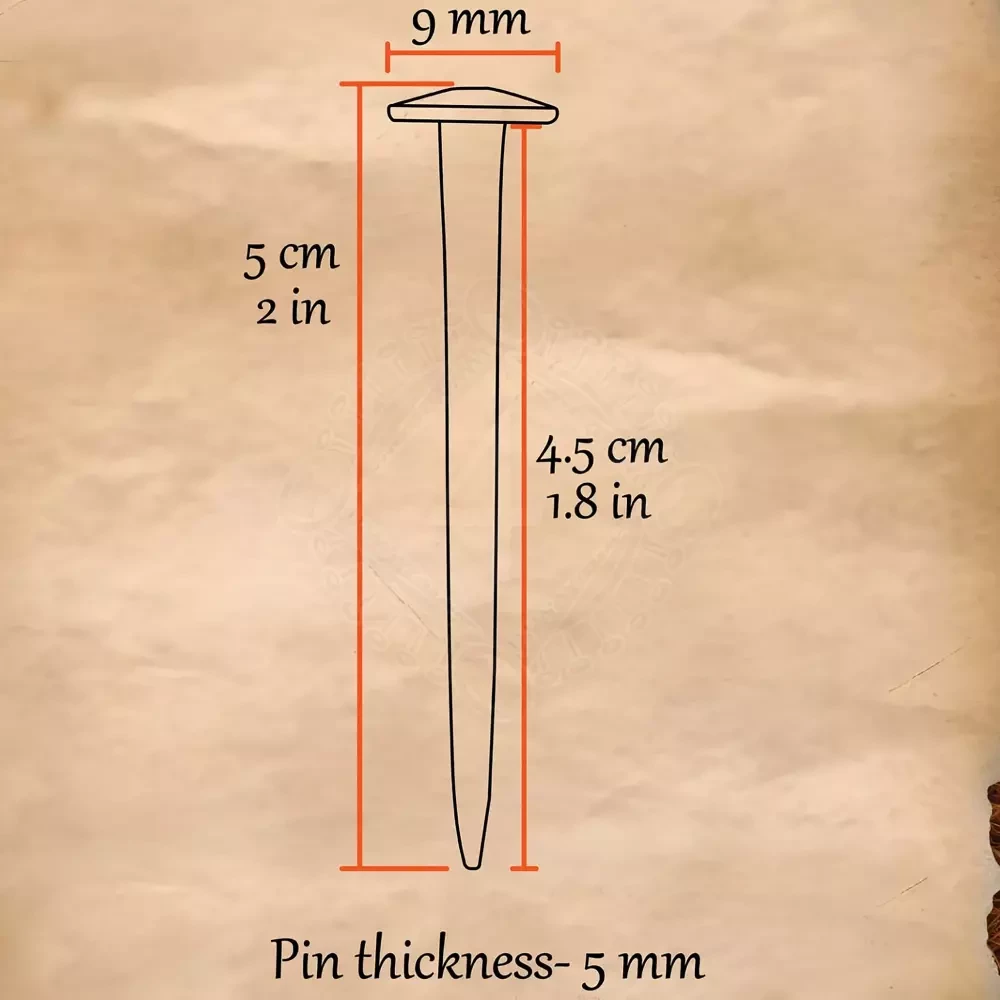
| Parameter | Value |
|---|---|
| Pieces per Set | 10 |
| Total Length | approx. 2 in (5 cm) |
| Shaft Length (under head) | approx. 1.8 in (4.5 cm) |
| Head Diameter | approx. 0.35 in (9 mm) |
| Shaft Thickness | approx. 0.2 in (5 mm) |
| Material | Hand-Forged Steel, Blackened |
We are here for you!




.3773623034.1696456237.png.webp)

.3773623034.1696456268.png.webp)
.3773623034.1696456247.png.webp)