
 Čeština
 Deutsch


Hand-Forged Textured Cross Nail, 30 mm - Square Head Stud (Set of 6) - Outlet
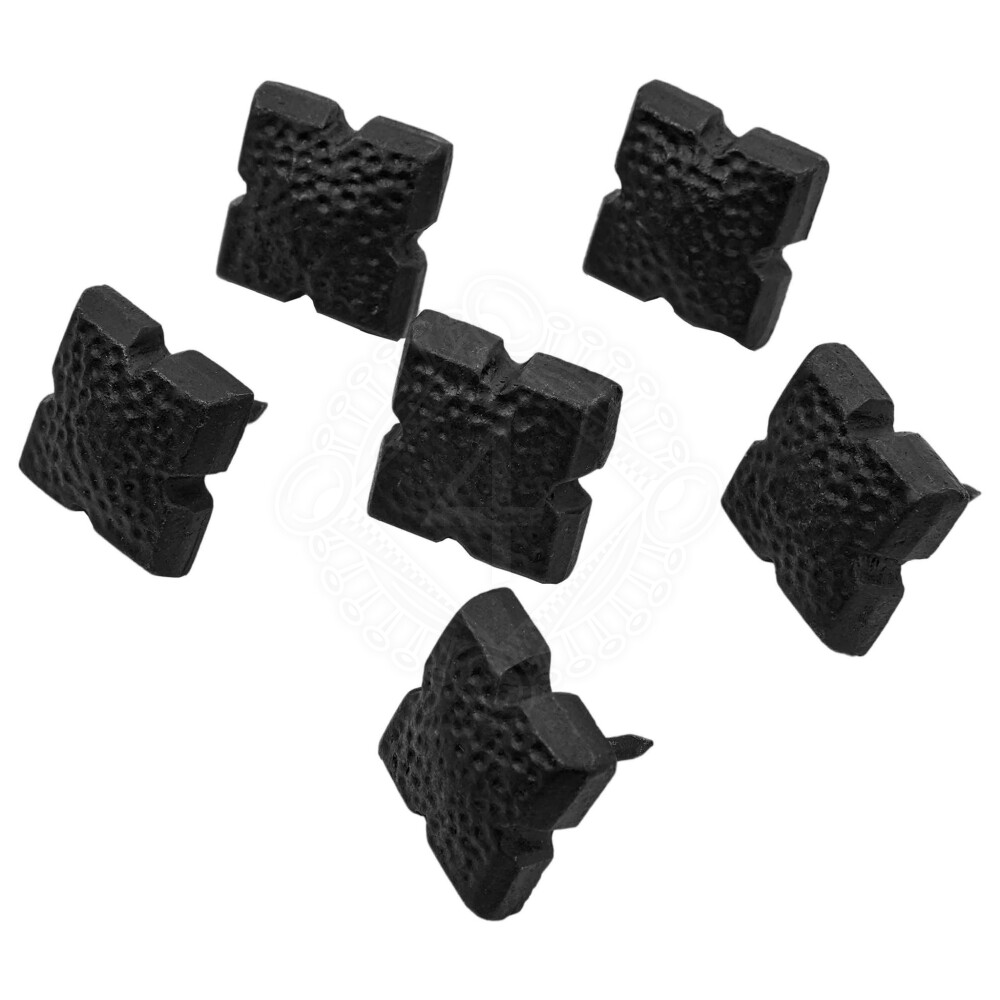
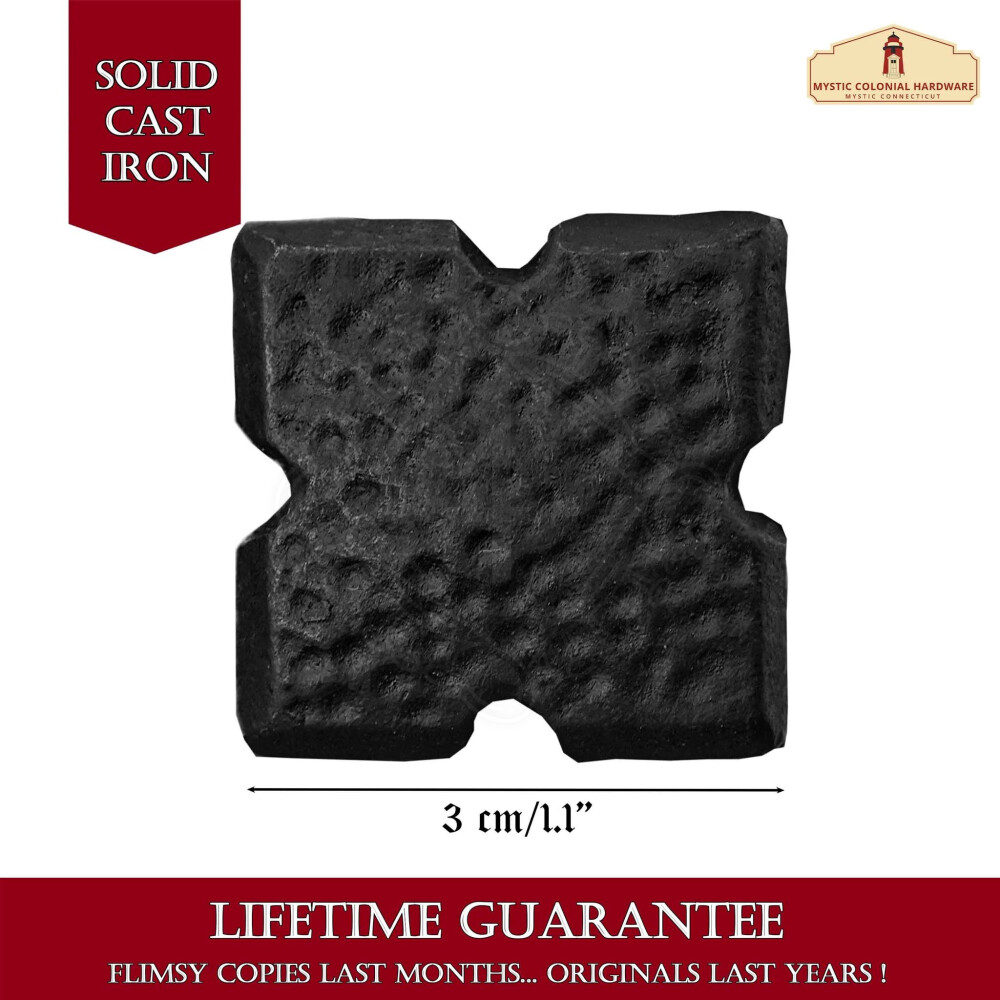

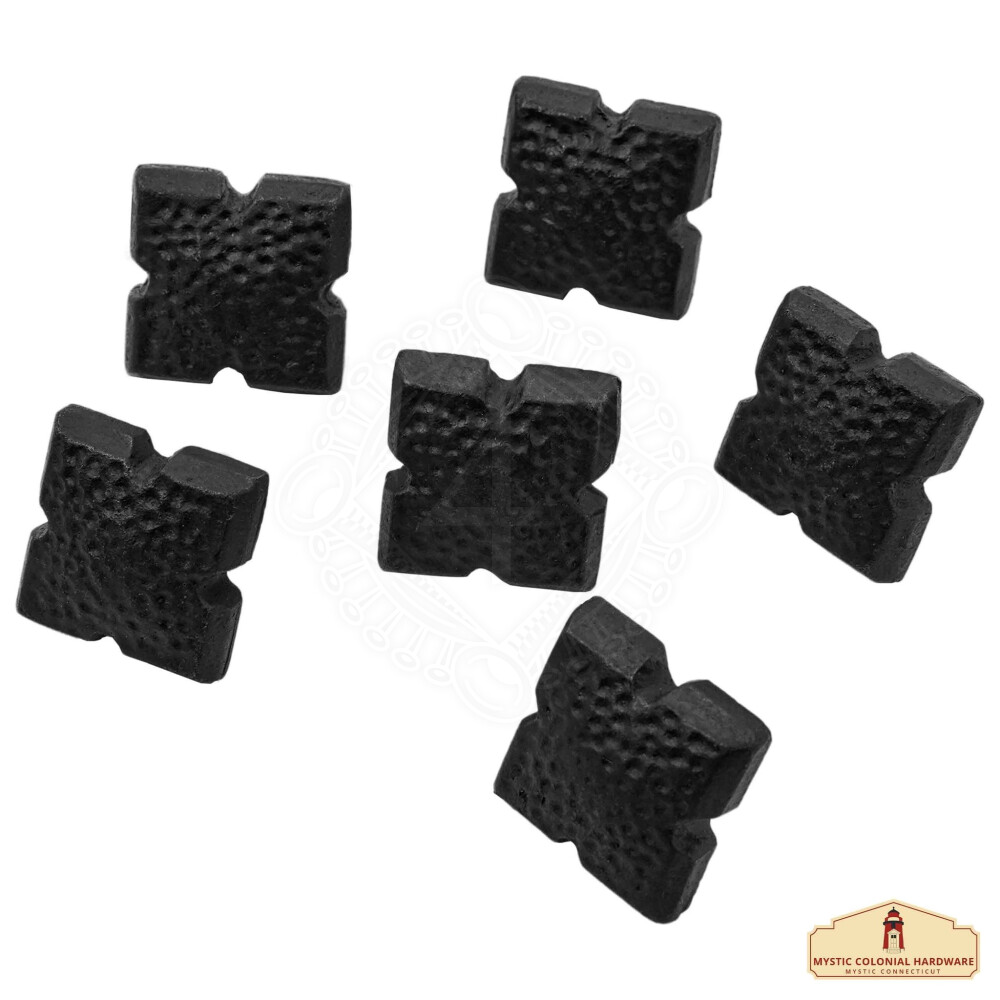
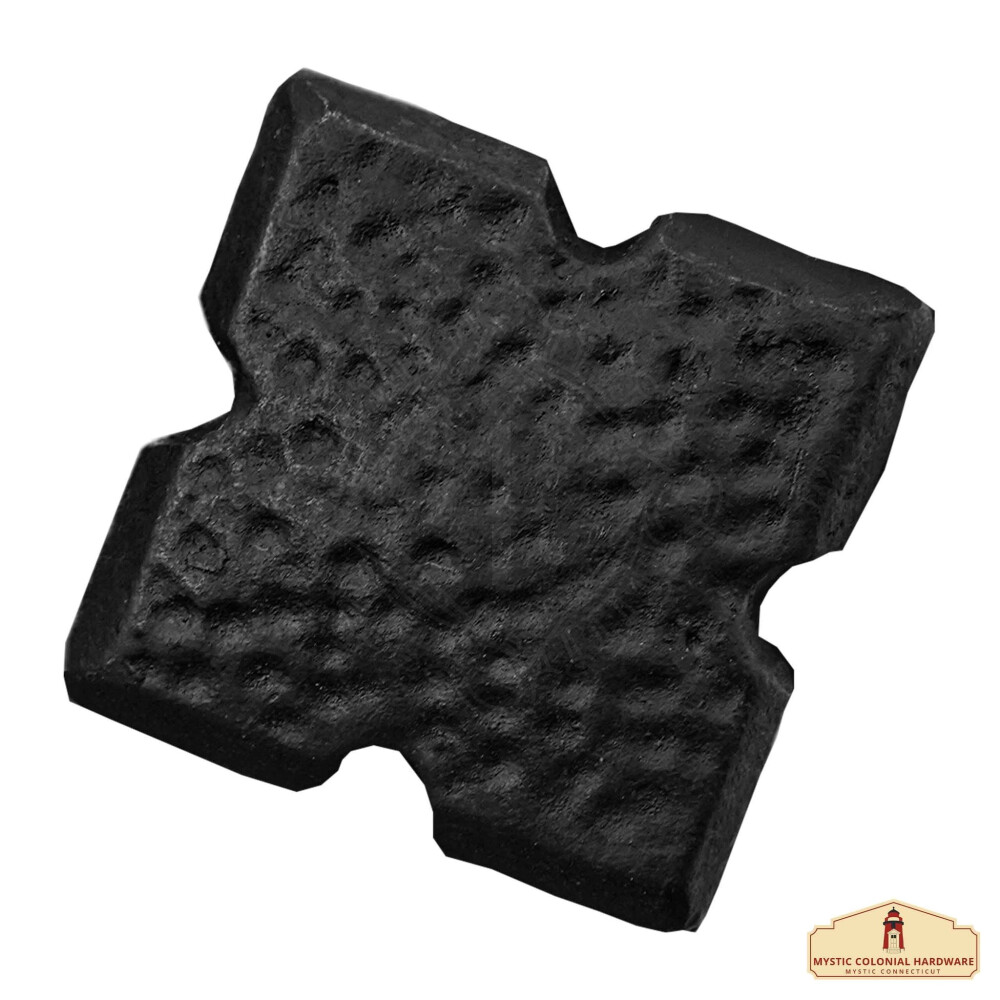
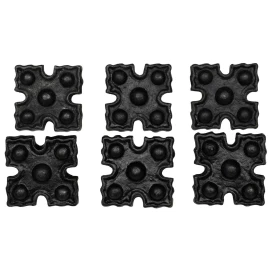
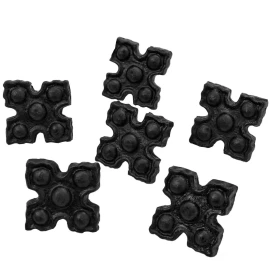
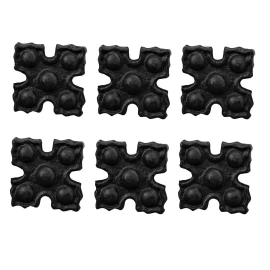
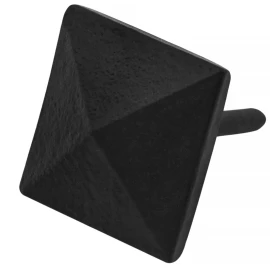
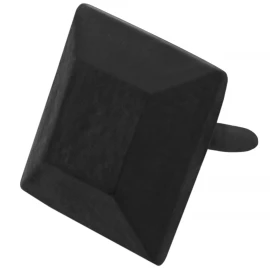
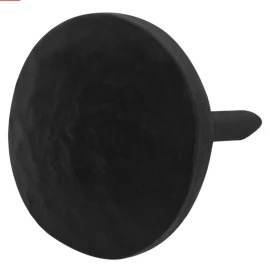
Give your furniture, doors, or chests an authentic medieval look with this set of six hand-forged nails. Their 30x30 mm square head features a distinctive, irregular texture and notched corners that create a cross shape. The traditional oil-blackened finish guarantees a rustic appearance and long life. They are the ideal choice for any historical or fantasy-themed project. Further product information ...

 Delivery options
Hand-Forged Textured Cross Nail, 30 mm - Square Head Stud (Set of 6)
Robust Design with an Honest Forged Texture
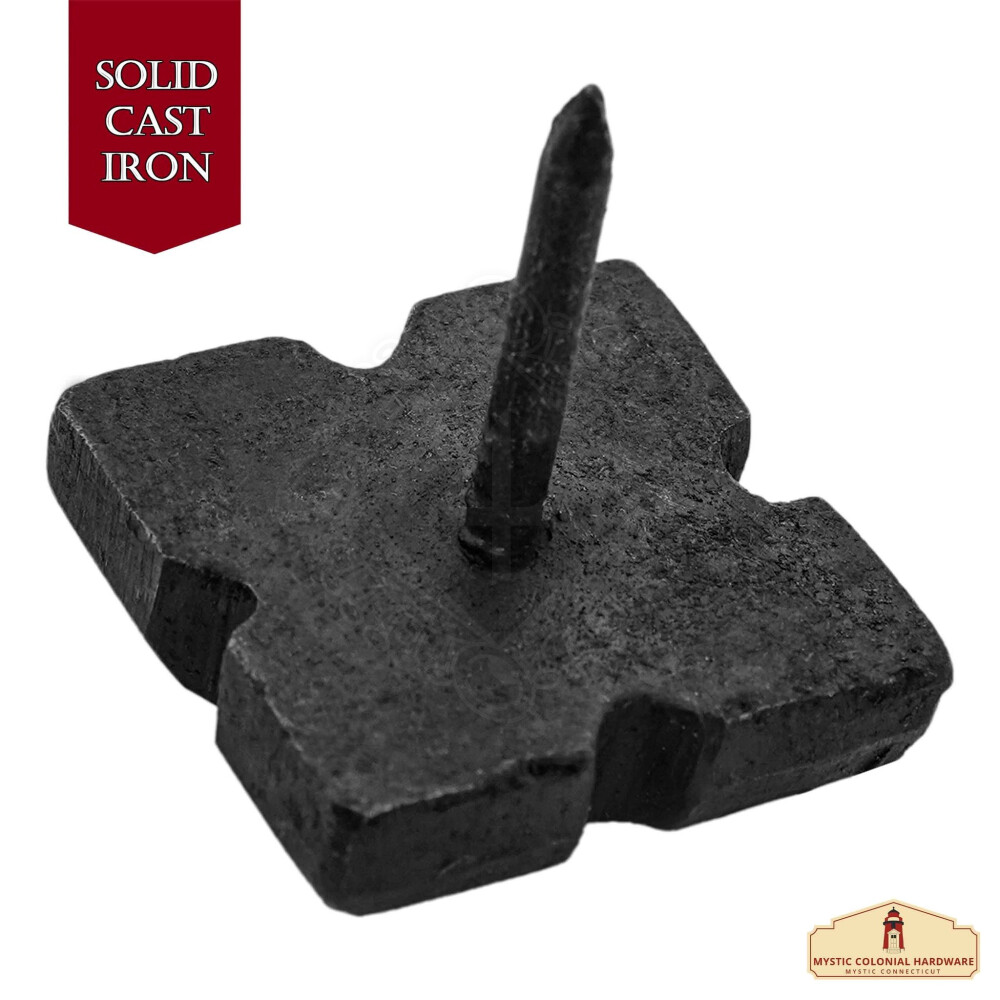
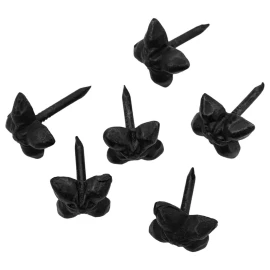
This nail is crafted from solid, hand-forged iron. Its square head is covered entirely with a coarse, hammered texture that gives it a rough and ancient character. The notches in the middle of each side create the impression of a cross or a plus sign. The nail's shank is positioned slightly off-center, which is typical of historical, hand-made pieces. The surface is protected by a traditional oil-blackening.
Specifications:
- Material: Hand-Forged Iron
- Head Size: approx. 30 x 30 mm
- Weight per piece: approx. 11.7 g (total package weight 70 g)
- Finish: Oil-Blackened, Matte
- Package Contents: 6 pieces (nails)
A Versatile Element for Historical and Industrial Styles
These nails are ideal for decorating and reinforcing wooden doors, gates, chests, and solid furniture. Their raw appearance is a perfect fit not only for medieval, Gothic, or Baroque projects but also superbly complements modern interiors in an industrial or rustic style. You can use them to create decorative patterns, to affix hardware, or as standalone decorative studs.
The Function and Flair of Medieval Hardware
In the Middle Ages and the early modern period, nails were more than just fasteners. The large, visible heads of nails on doors, gates, and chests were a deliberate design element. Their job was not only to hold wooden planks together but also to reinforce the structure and protect it from damage. A coarse, hammered texture was not a flaw—on the contrary, it testified to the honest handiwork of the smith and added to the object's robustness and authenticity.
Why Isn't the Shank Centered?
The slightly off-center placement of the shank (the nail's body) is not a defect but a characteristic feature of hand-craftsmanship. It allowed the smith to better handle the material during forging and also gave the carpenter or joiner the option to rotate the nail to avoid a knot or crack in the wood, thereby increasing the strength of the joint.
Installation and Care to Preserve Beauty
How to Install
In softwood, the nail can be carefully hammered in. For hardwoods (oak, beech), we recommend pre-drilling a pilot hole with a diameter smaller than the nail's shank to prevent splitting the wood. To hammer it in, use a rubber mallet or a hammer over a piece of scrap wood to protect the head's texture.
How to Care for the Nails
The oil-blackened surface provides excellent protection. To maintain and refresh it, especially in damp environments, simply wipe the nails occasionally with a cloth dipped in natural oil (e.g., linseed oil) and remove the excess. This will revive their colour and renew the protective layer.
What to Avoid
Although the nails are strong, they are not primarily intended as load-bearing structural elements for heavy loads. Do not use them in masonry or concrete.
We are here for you!




.3773623034.1696456237.png.webp)

.3773623034.1696456268.png.webp)
.3773623034.1696456247.png.webp)