
 Čeština
 Deutsch


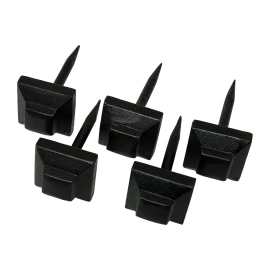
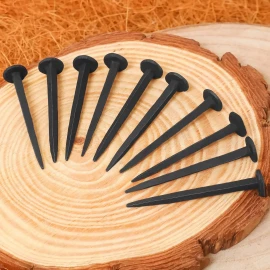
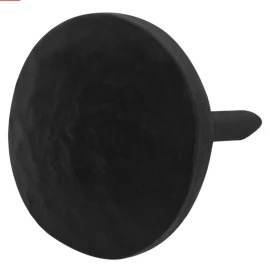
Hand-Forged Iron "Rose Head" Decorative Nail, Faceted Head, 1 Inch (Set of 6)
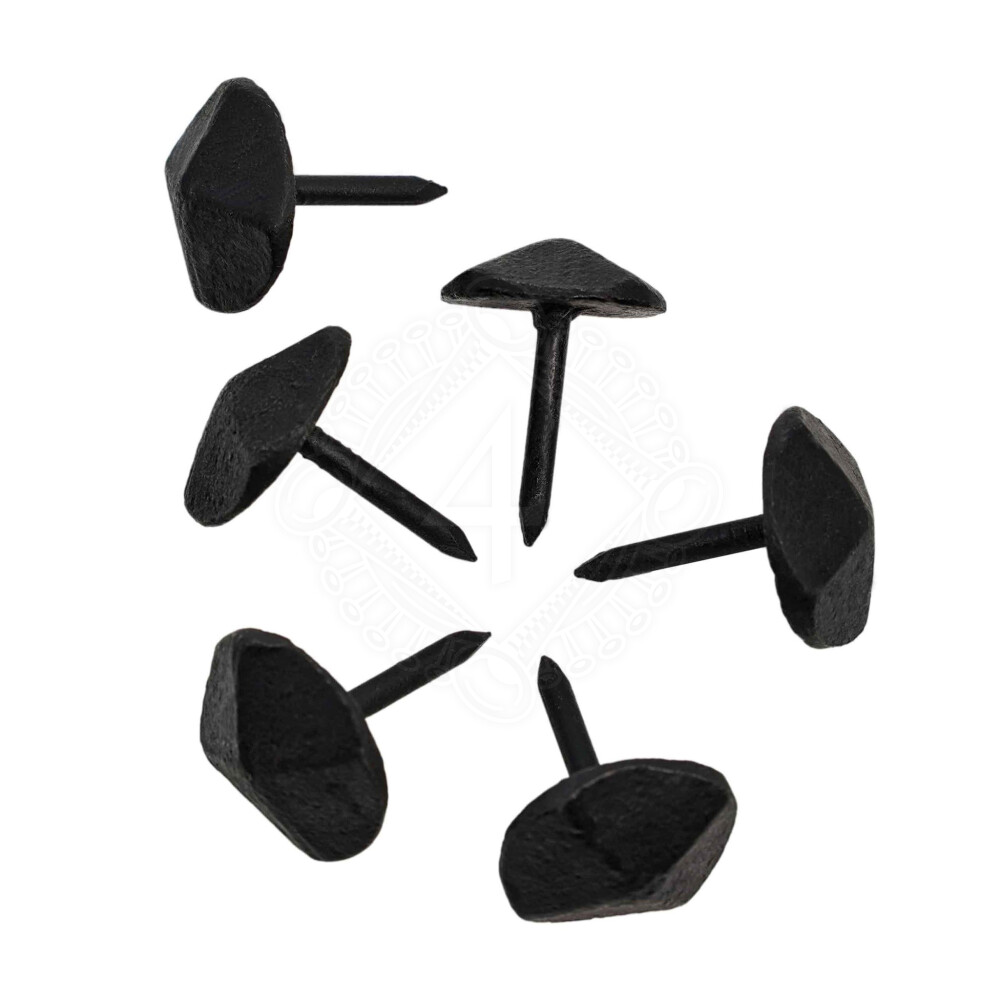
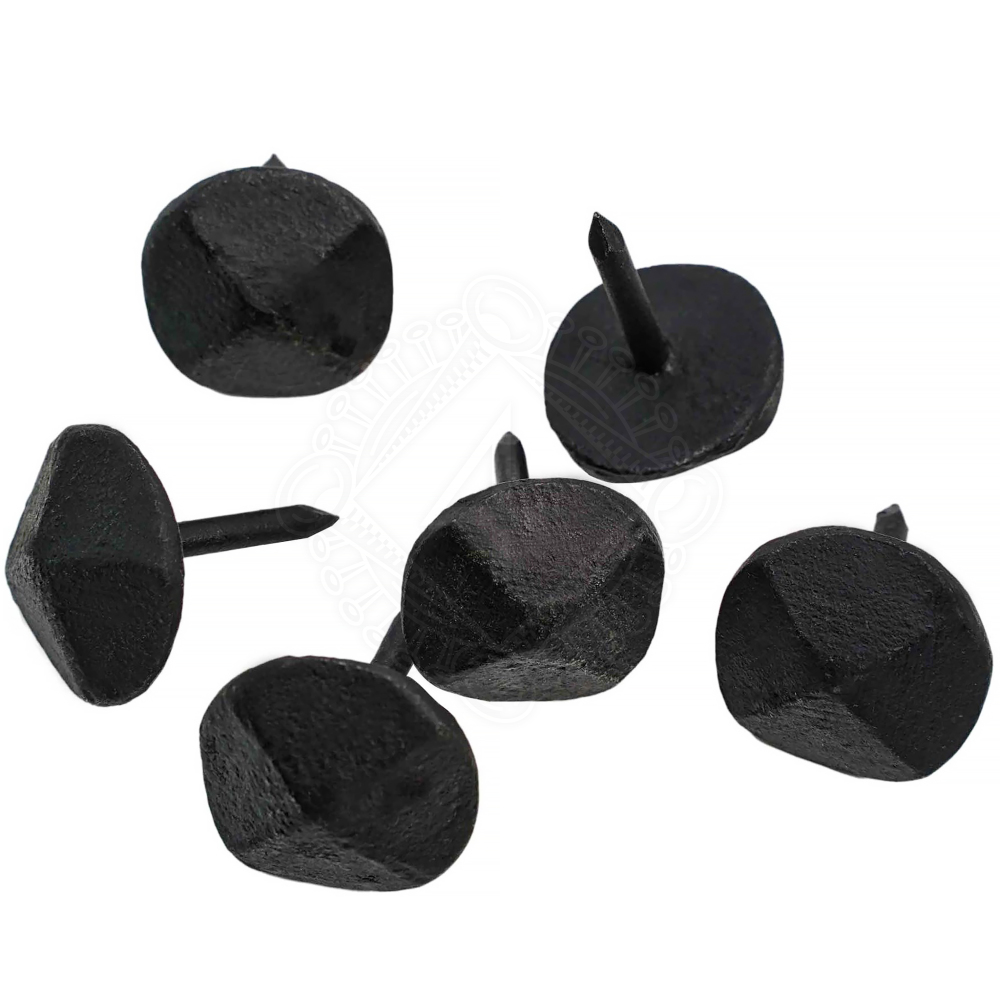
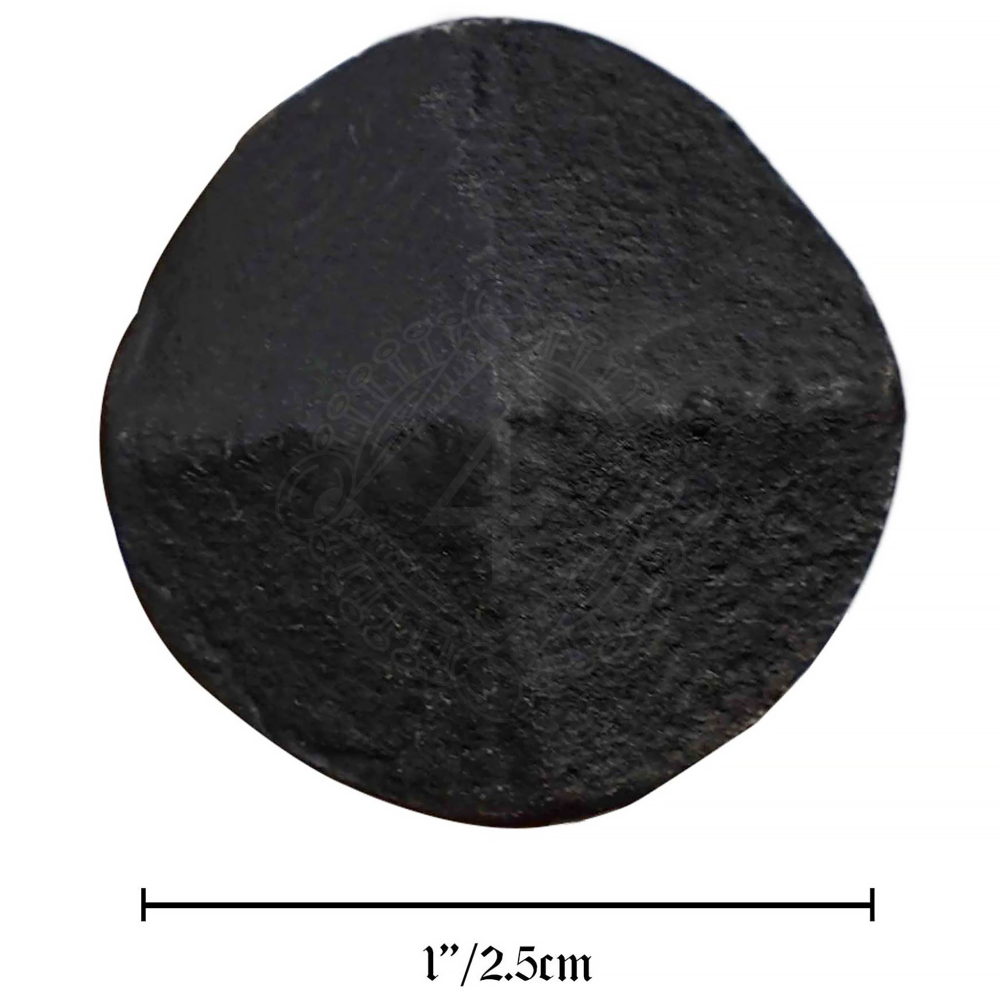
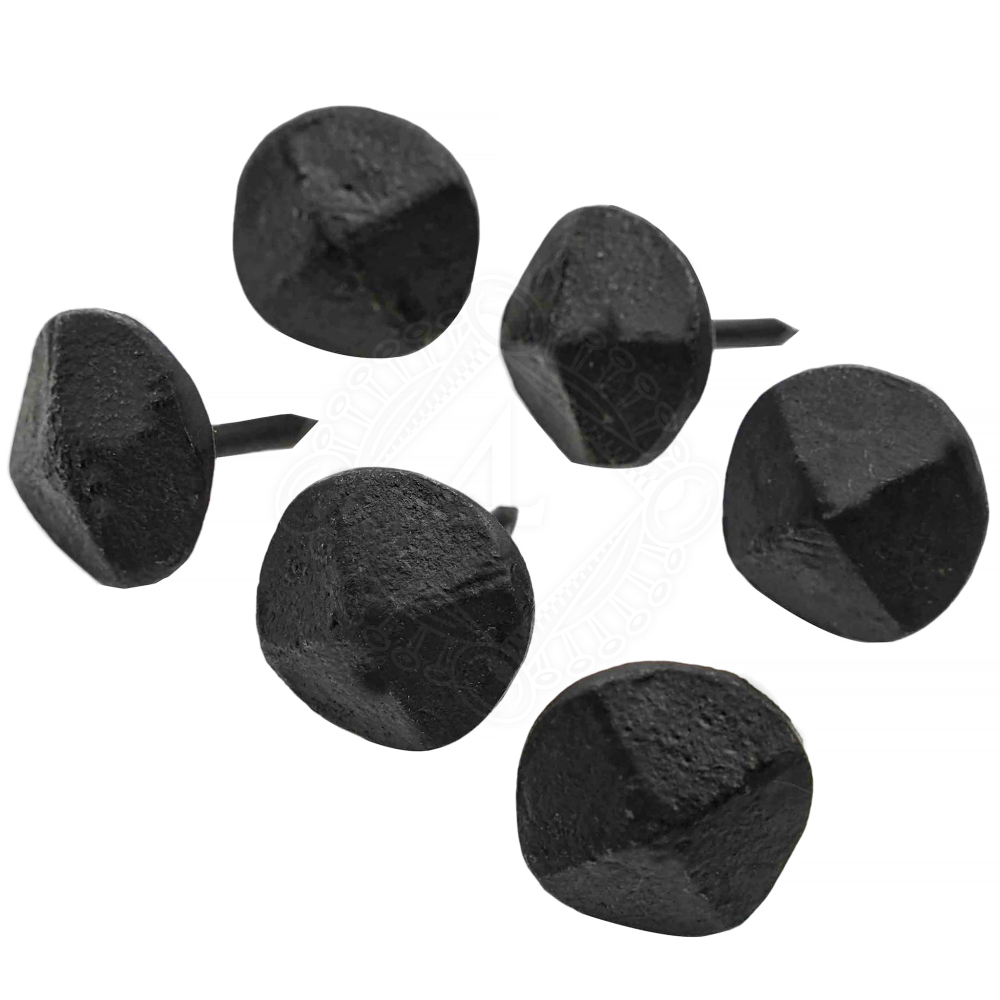
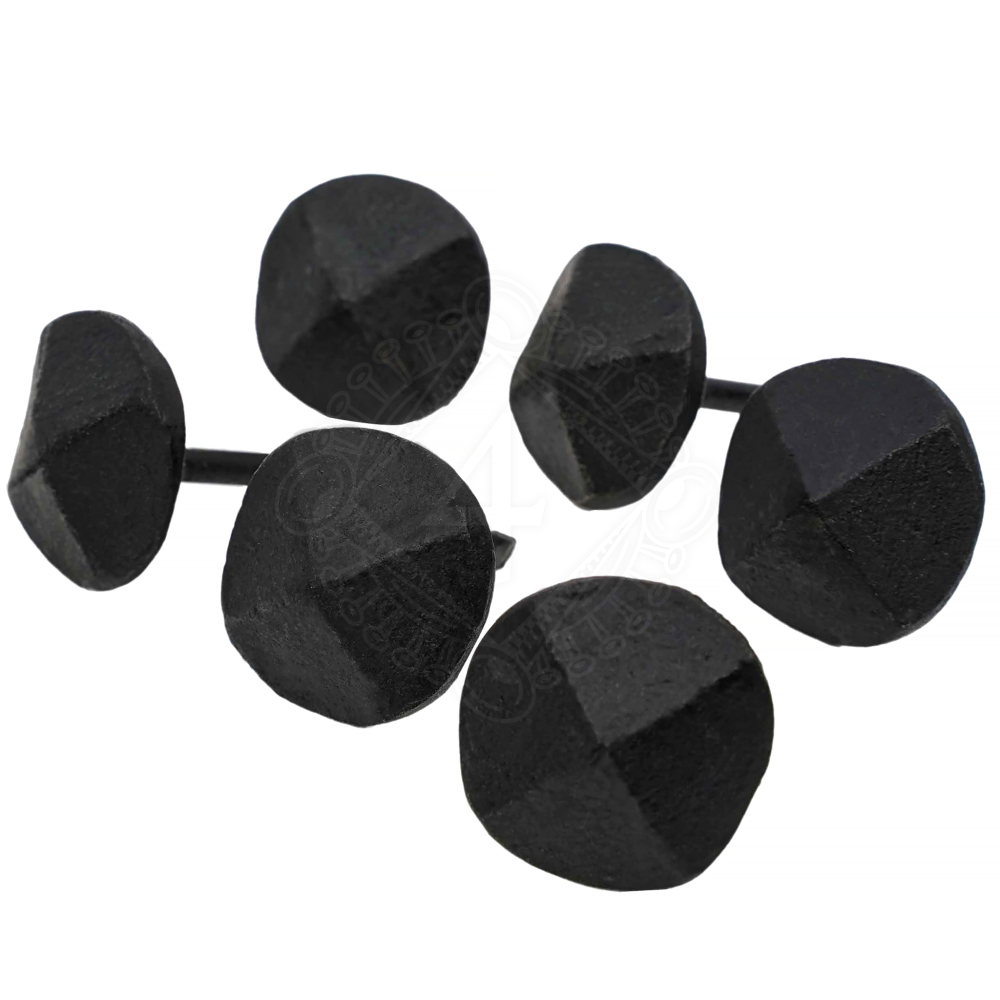
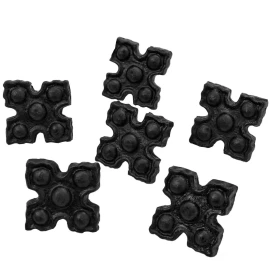
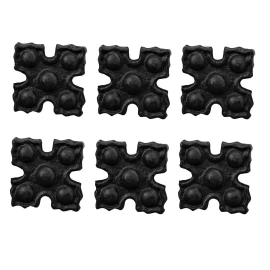
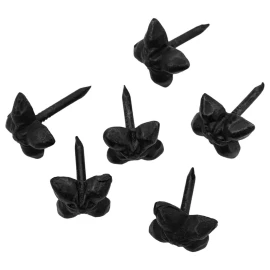
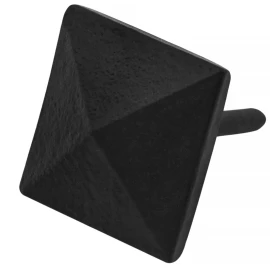
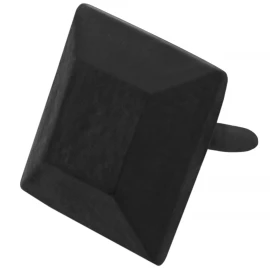
Give your doors, furniture, or chests a true historical stamp with this set of six hand-forged iron nails. Each piece is a unique original, its faceted head resembling a rosebud, formed under the blows of a blacksmith's hammer. These are not just ordinary nails, but small works of art that breathe soul and the rustic charm of olden times into your projects. Further product information ...

Would you like to be notified as soon as the item is in stock?
You will receive a short e-mail as soon as we have it back in stock.
Hand-Forged Iron "Rose Head" Decorative Nail, Faceted Head, 1 Inch (Set of 6)
Technical Parameters and Features
- Material: Hand-Forged Iron
- Finish: Oil-Blackened
- Head Diameter: approx. 25 mm (1 inch)
- Overall Length: approx. 44.6 mm (1.75 inches)
- Shank Length (in material): approx. 37 mm (1.45 inches)
- Style: Rustic, Medieval, Gothic, Colonial
- Package Contents: 6 x "Rose Head" Forged Nails
Where These Nails Make a Statement
With these decorative nails, you can easily create an authentic period look. They are ideal for studding wooden doors, gates, and shutters, lending them historical credibility. Use them to decorate rustic chests, benches, and other furniture. You can also create interesting patterns on wooden surfaces or use them in the making of historical reenactment props like shields and weapon racks. They also find their place in upholstery work on robust leather furniture.
Traces of the Blacksmith's Craft
The "Rose Head" is one of the most classic types of hand-forged nail heads from the era before the Industrial Revolution. Its name comes from its appearance, which was formed by several hammer blows from four sides. This created the characteristic facets resembling an unopened rosebud. This was not primarily a decorative element but an efficient and quick way to form a functional nail head. That is precisely why this type is one of the most authentic for recreating the atmosphere of olden times.
An Interesting Historical Fact
Before large factories existed, nail making was a typical cottage industry. Especially during the winter months when there was no farm work, entire families would dedicate themselves to producing nails in their small workshops. A skilled nail maker could produce hundreds of nails per day. The sound of hammers from these small forges was a common feature of village life for centuries.
Installation and Care of the Forged Detail
Installation
- Carefully mark your spots on the wood with a light pencil.
- Always pre-drill a pilot hole into the wood that is slightly narrower than the nail's shank. This prevents the risk of the wood splitting.
- Gently tap the nail into the pre-drilled hole with a hammer. To protect the faceted head, you can use a block of softwood as a buffer between the hammer and the nail for the final blows.
Product Care
Forged iron is designed to last. To maintain its appearance, simply keep it dry and wipe off dust. The oil-blackened finish is durable. If used outdoors, it will develop a natural patina over time, which adds to its character. To maintain the deep black color, you can occasionally wipe it with a cloth and a drop of conservation oil.
What to Avoid
The nail is intended exclusively for wood. Do not attempt to hammer it into masonry, stone, or metal. Never skip pre-drilling, especially in hard, dry, or old wood. Although the nail is functional, its primary purpose today is decorative—do not use it as the sole fastener for critical load-bearing joints.
We are here for you!




.3773623034.1696456237.png.webp)

.3773623034.1696456268.png.webp)
.3773623034.1696456247.png.webp)