
 Čeština
 Deutsch


Forged Iron "Rat Tail" Shutter Dogs, 17.7 cm (Set of 2) - Outlet
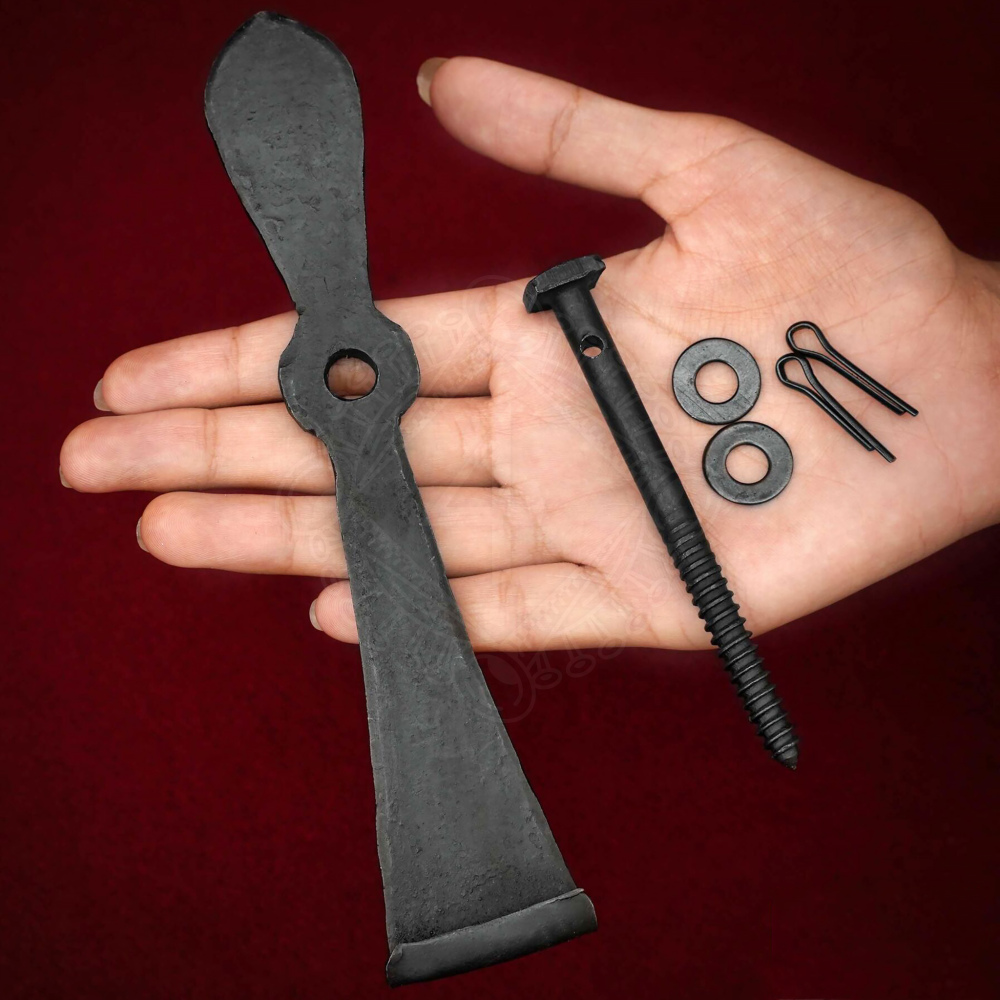
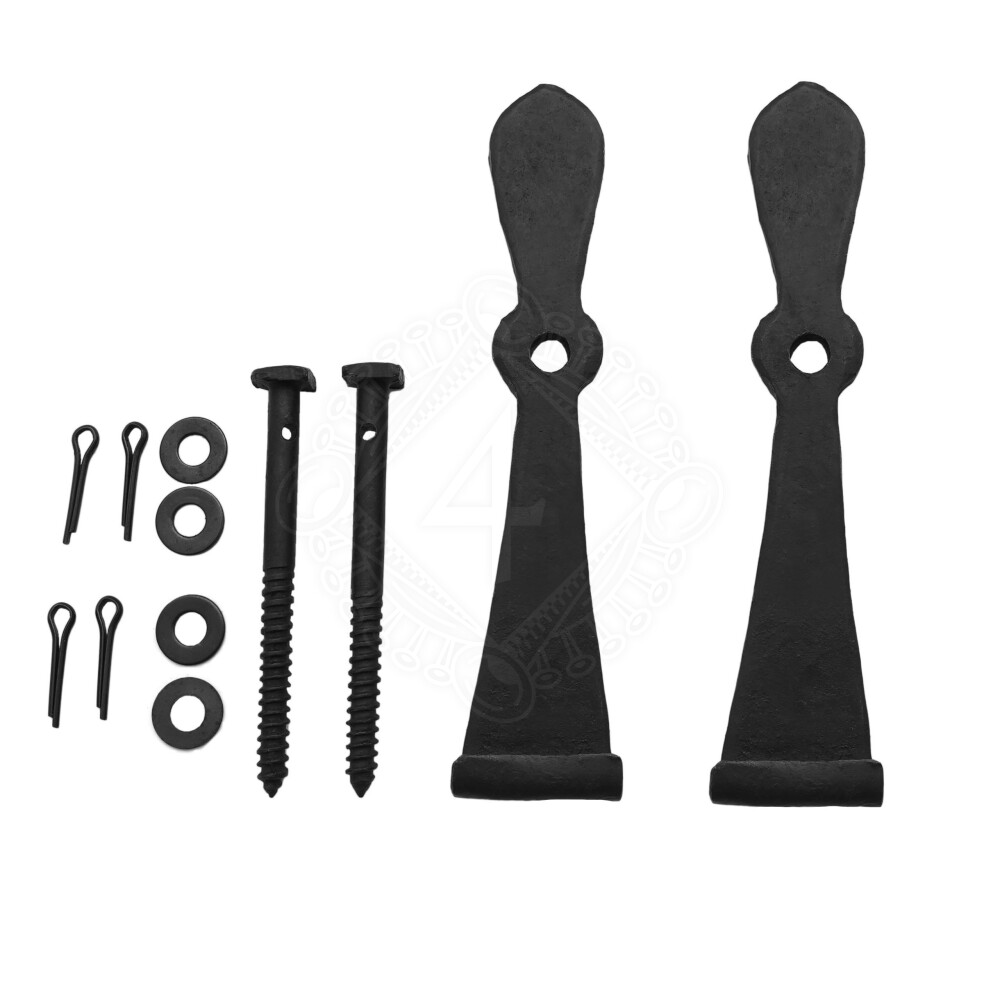
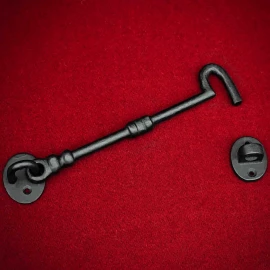
Secure your window shutters with style and reliability using this set of historic holdbacks. This hardware, known as a "Rat Tail" shutter dog, is crafted from solid cast iron with a hand-forged appearance, giving it not only robustness but also an authentic period character. It's more than just a practical accessory; it's a key detail that will enhance the historic atmosphere of your house, cottage, or farmhouse. This kit includes the complete mounting hardware for two shutters. Further product information ...

 Delivery options
Forged Iron "Rat Tail" Shutter Dogs, 17.7 cm (Set of 2)
Design and Package Contents
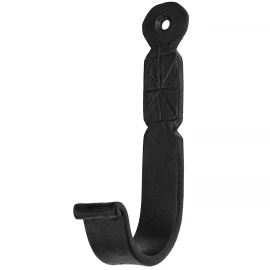
Each shutter dog has the characteristic shape resembling a rat's tail, with one flattened end and one elegantly tapered end. This design is not only aesthetic but also fully functional. The surface is treated with a traditional oil-blackening process, which gives the metal a matte look and protects it from the elements. Due to the handcrafted nature of the product, each piece bears minor marks of originality.
Dimensions and Contents (Set for 2 Shutters):
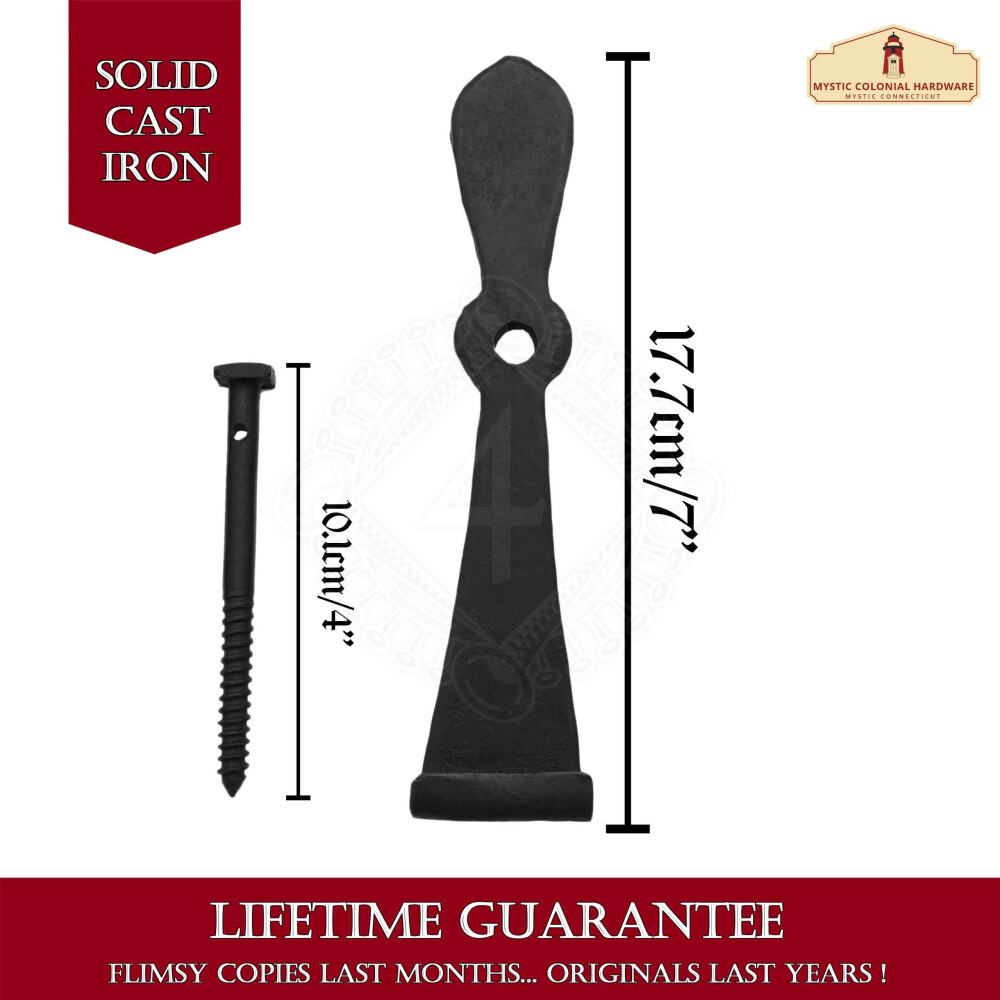
- Shutter Dog Length: 17.7 cm (7 inches)
- Lag Screw Length: 10.1 cm (4 inches)
- Package Contents: 2x "Rat Tail" Shutter Dogs, 2x Forged Lag Screws, 2x Washers, 2x Cotter Pins
Function and Use
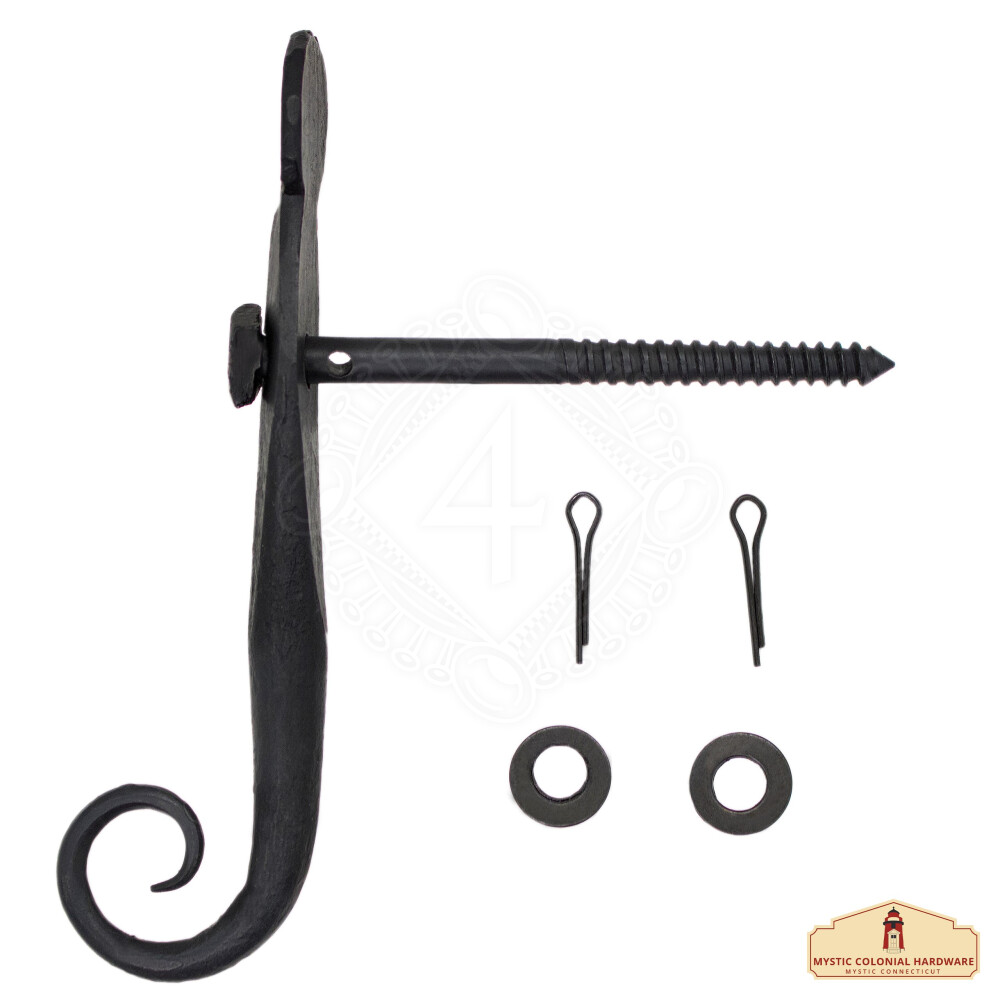
The primary purpose of this hardware is to securely hold open shutters against a wall, preventing them from slamming shut in a gust of wind. The holdback is mounted on the facade next to the window, and with a simple turn of its arm, the shutter is easily and firmly fixed in place. This hardware is ideal for historic buildings, cottages, farmhouses, and even new builds where a faithful period look is desired. Creatively, it can also be used as a stylish latch for a small garden gate or a shed door.
The History of Shutter Dogs
Shutter dogs have been an indispensable part of homes for centuries. In times when glass was rare or fragile, shutters served as the primary protection against inclement weather, intruders, and the sun. Robust iron hardware was a necessity to ensure the shutters could withstand wind and frequent use. The "rat tail" design is a classic example of the work of Colonial and European blacksmiths—it is simple to make, elegant, and highly functional.
A Fun Fact from History
Did you know that the design of shutter dogs often reflected the blacksmith's skill and regional customs? In addition to simple shapes like the rat tail or "S" hook, there were also elaborate figural motifs—for example, figures of soldiers, animals, or mythical creatures. Such a small detail on a facade could reveal a great deal about the homeowner or the skill of the local craftsman.
Installation and Care
How to Install
Installation requires basic DIY skills. The procedure is as follows:
- With the shutter in its fully open position, mark the desired mounting spot on the facade.
- Drill a pilot hole at the marked spot, deep enough for the large lag screw.
- Screw the lag screw into the facade, leaving a small gap between the screw head and the wall for the washer and shutter dog.
- Slide the washer onto the screw, followed by the shutter dog itself.
- Secure the entire assembly by inserting the cotter pin through the hole in the lag screw. Bend the ends of the pin to prevent it from falling out.
- Check that the shutter dog rotates freely.
How to Care for the Hardware
As this hardware is intended for outdoor use, it requires minimal maintenance. Clean off dirt from time to time. To restore the protective layer and revive the colour, you can rub the surface with a cloth dampened with linseed oil.
What to Avoid
Do not use wire brushes, abrasive compounds, or harsh chemicals for cleaning, as they could damage the blackened surface and cause premature corrosion. If you wish to maintain the authentic look, do not paint over the hardware.
We are here for you!







.2152382459.1713555472.jpg.webp)


.3773623034.1696456237.png.webp)

.3773623034.1696456268.png.webp)
.3773623034.1696456247.png.webp)