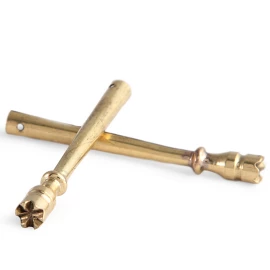

Short Aglet for Lacing Cords - Outlet
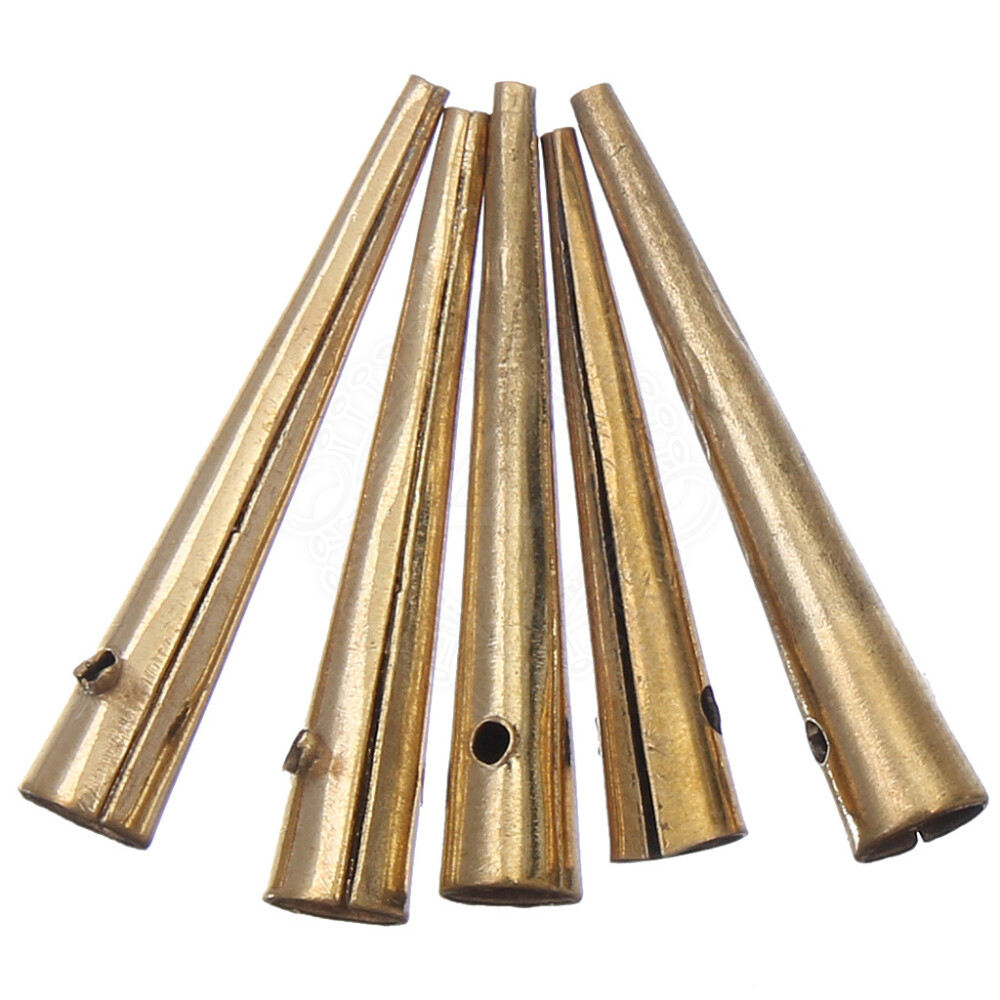
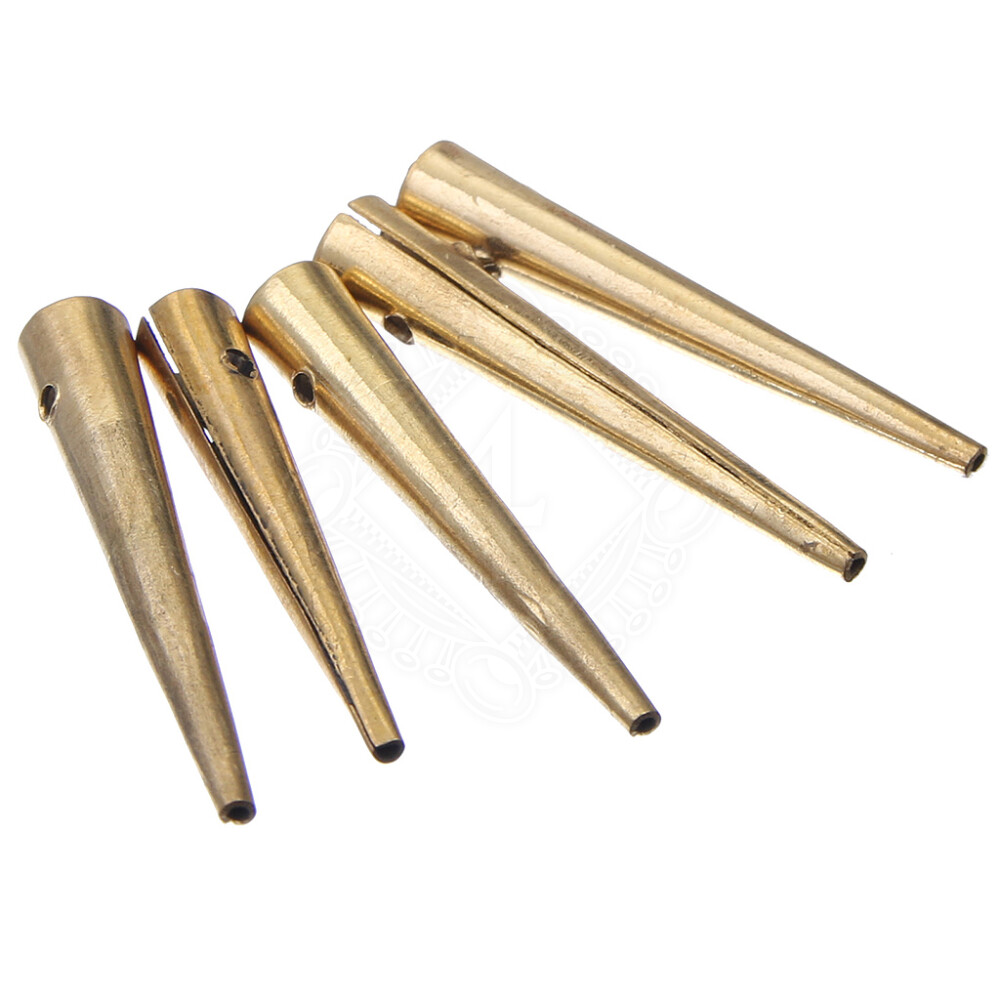
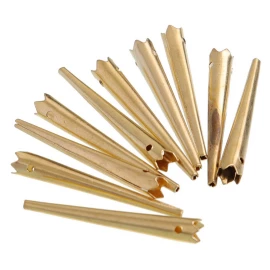
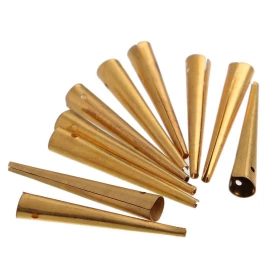
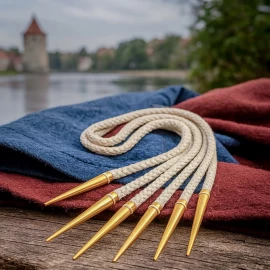
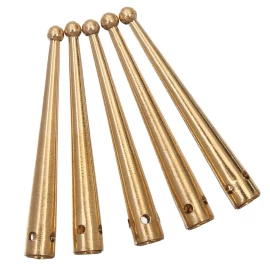
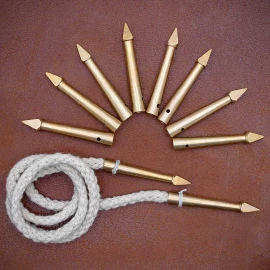
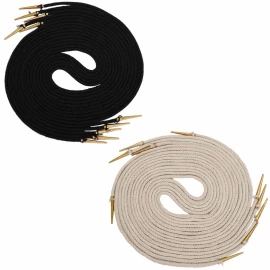
1xWarrior, are you handcrafting your own High Medieval or Renaissance attire and seeking that perfect detail to bestow authentic period perfection upon your lacing cords? This short brass aglet (nestel tip) is precisely the practical and aesthetic accessory that will streamline lacing your doublet, doublet sleeves, hose, or gambeson. We highly recommend it for securing textile and leather cords. Prevent cord ends from fraying, complete your gear for festivals, LARP, or historical reenactments, and show your comrades-in-arms your refined taste for authentic details! Further product information ...
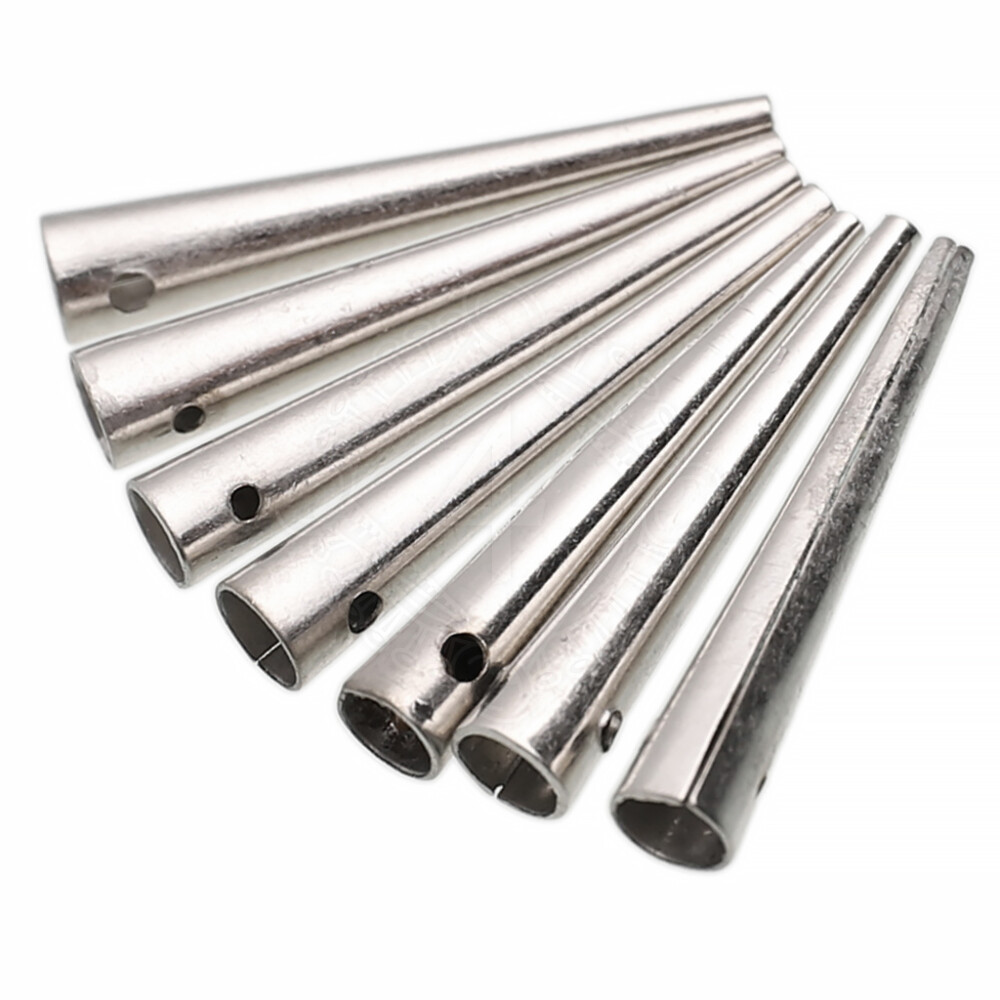
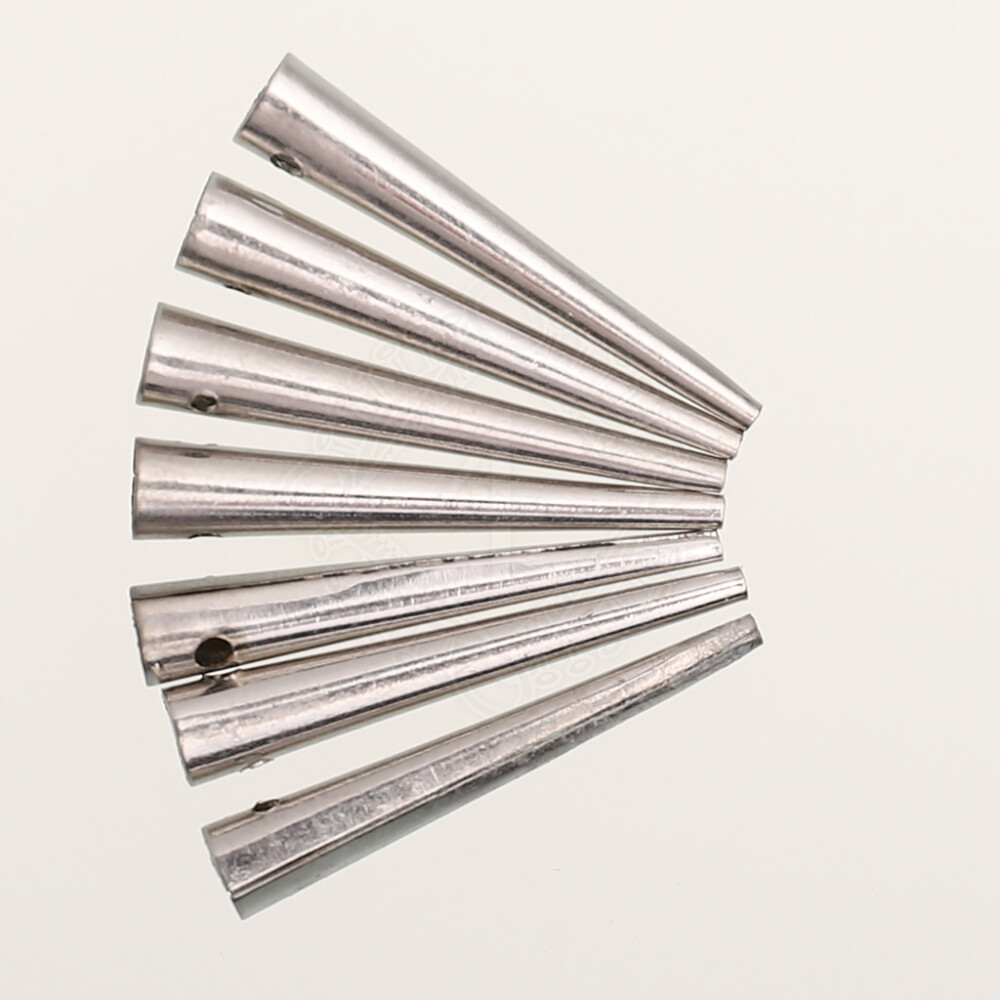
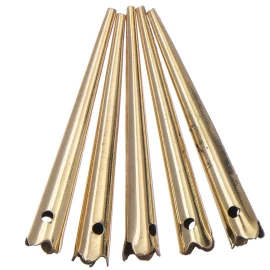
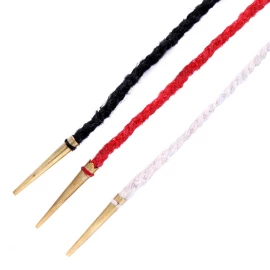
The following variants are currently available:
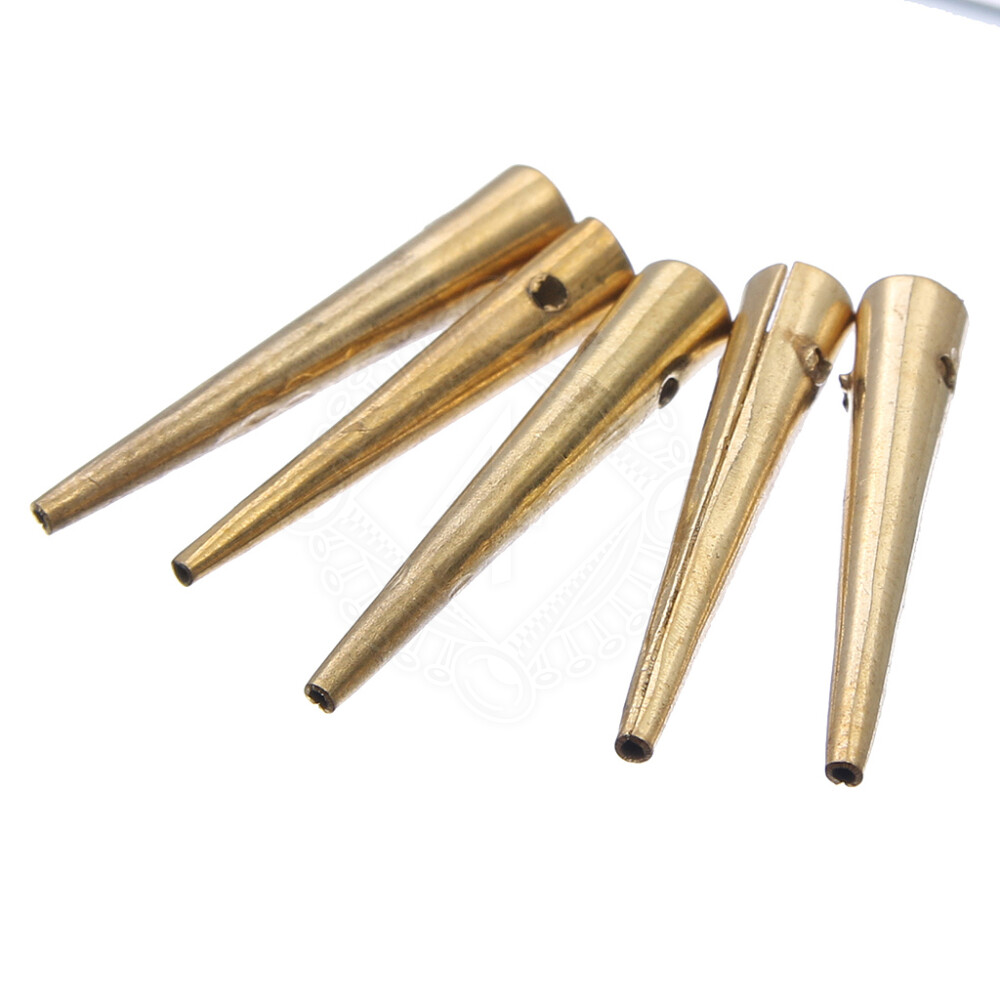
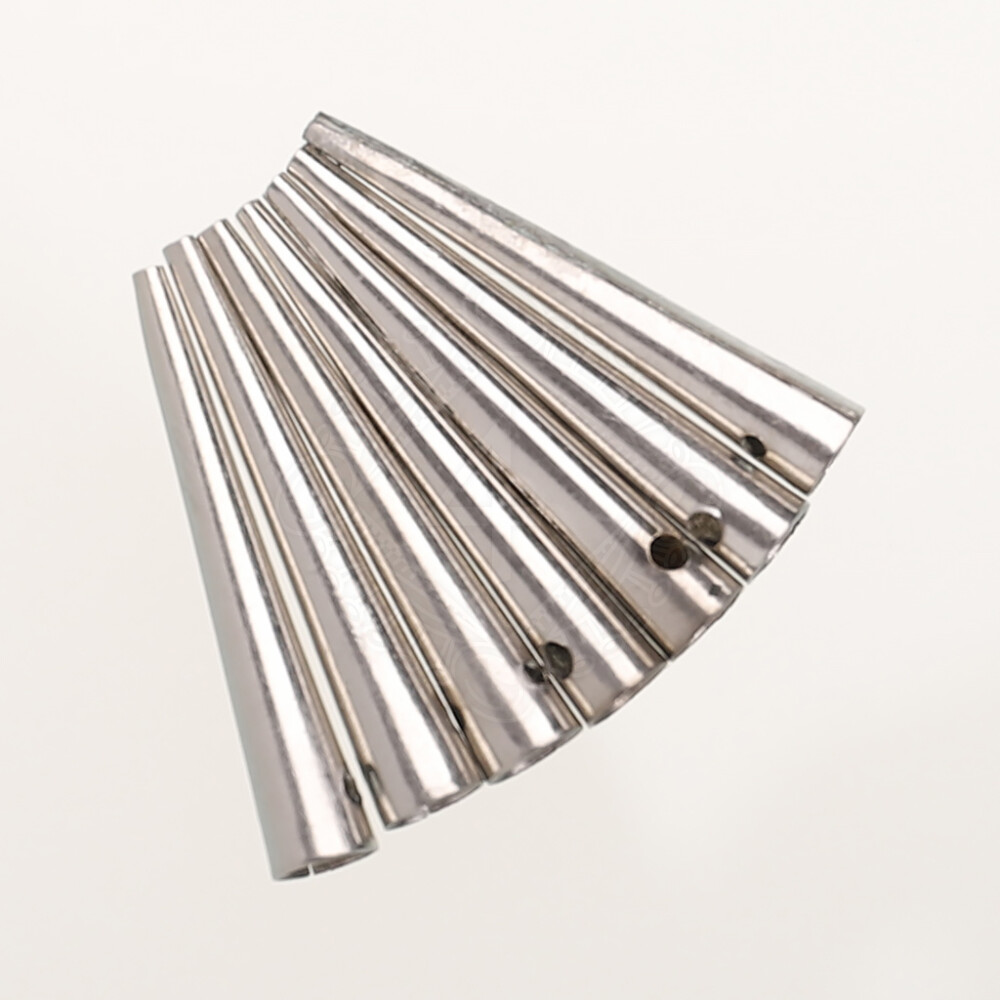
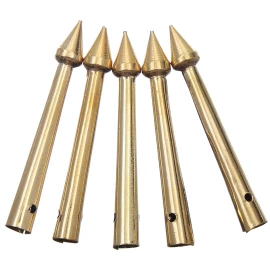
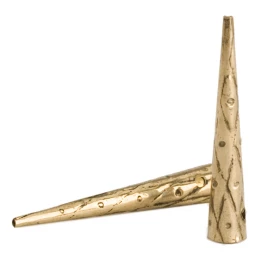
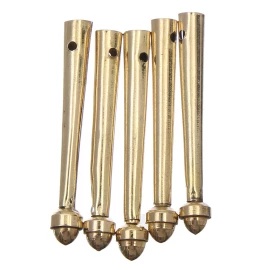
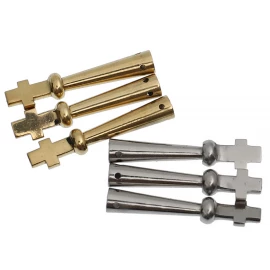
Short Medieval Brass Aglet for Lacing Cords
History of Aglets and Fastening Guide
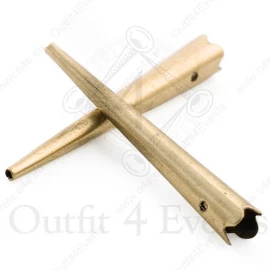
Historical originals of metal lace tags (commonly known as aglets, aiglets, or point tips) date back from the 14th through 17th centuries, spanning the High Gothic, Renaissance, and Baroque eras. In the 14th century, European tailoring underwent a revolution: garments became closely fitted to the body, fastened together using dense rows of eyelets. To allow cords to thread smoothly through fabric or leather holes without fraying at the ends, they were fitted with small sheet-metal cones. This short smooth model represents the most universal shape, utilized by soldiers, burghers, and nobility across Europe.
This product is crafted from thin sheet brass rolled into a conical tube. Attaching it to a lacing cord is very straightforward: thread the end of a linen, wool, or leather cord through the wider opening of the cone measuring 4.7 mm / 0.19 in in diameter. Next, hand-sew the cord in place through the small side hole using a few stitches of strong thread, or gently crimp the aglet around the cord using small pliers to ensure a firm and permanent grip.
Aglet Specifications Table
| Parameter | Value |
|---|---|
| Material | Sheet brass |
| Historical Period | 14th to 17th century (Gothic, Renaissance, Baroque) |
| Purpose | Lace tag / Aglet tip |
| Length | 26 mm / 1.02 in |
| Diameter (at wider end) | 4.7 mm / 0.19 in |
| Packaging | Price per 1 pc |
Brass Care and Safety Guidelines
My friend, to ensure these brass aglets serve you well for a long time and maintain their fine appearance, proper care is recommended. As these are small metal components, do not machine wash garments fitted with aglets—they could bend, tear free from cords, or damage the washing machine drum. Gentle hand washing of the garment is advised. Brass naturally oxidises and darkens when exposed to moisture; to restore a high shine, polish lightly with a soft cotton cloth. Exercise caution when crimping with pliers, avoiding excessive force so as not to deform the thin-walled cone.
Recommended Accessories
Along with these elegant brass aglets, we strongly recommend purchasing high-quality braided linen or wool cords, leather thongs up to 4 mm / 0.16 in in diameter, and strong waxed linen thread for sewing. For complete 14th to 16th-century garment lacing, brass lacing rings or eyelets will also prove invaluable. Your period clothing will thus achieve an impeccably unified and historically accurate character.
We are here for you!