 Čeština
 Deutsch


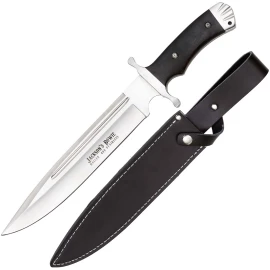
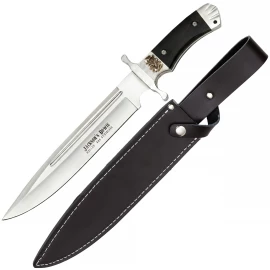
Outlaw Bowie Hunting Knife
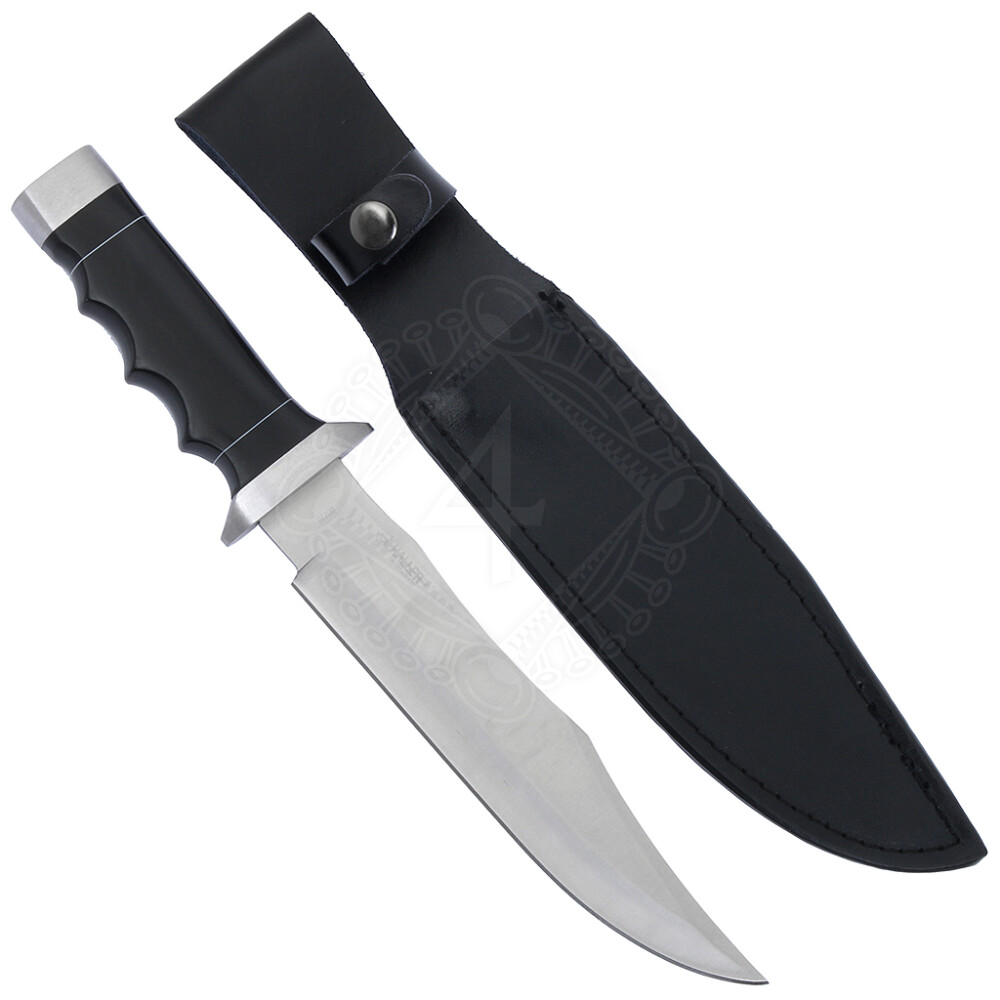
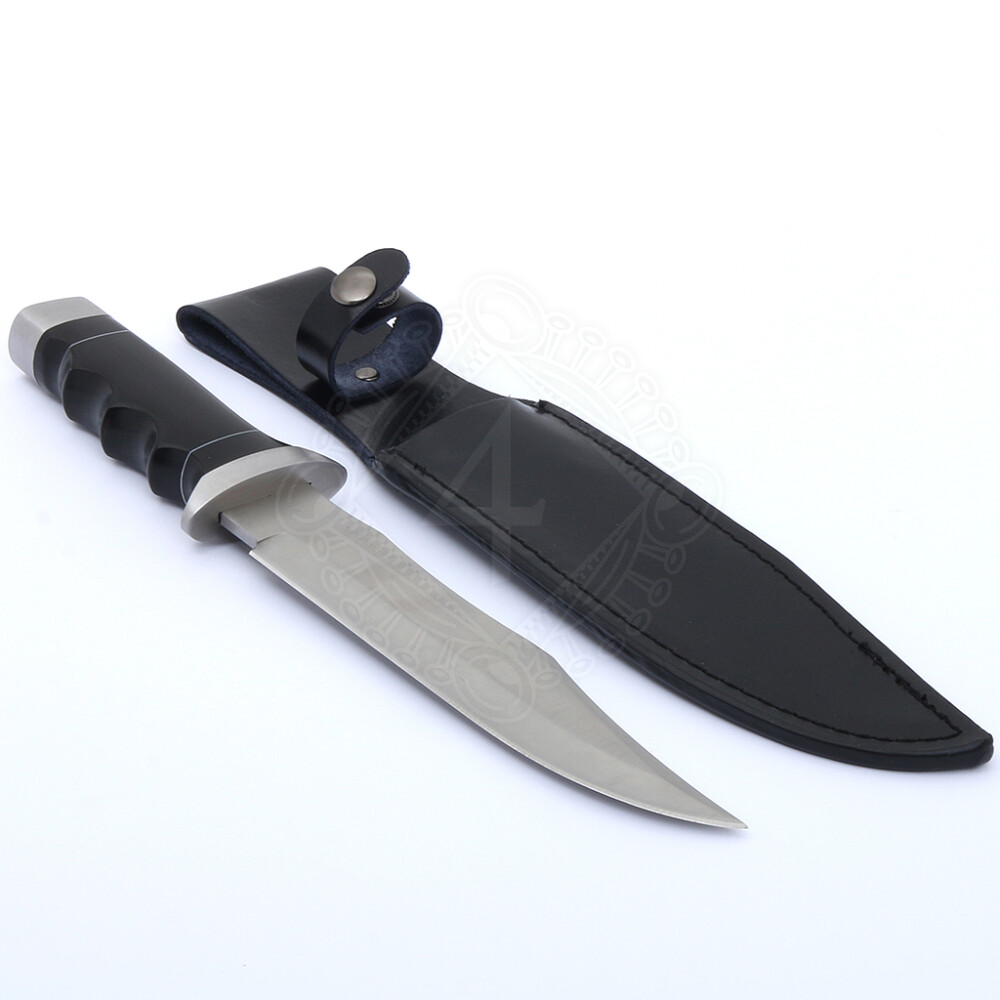
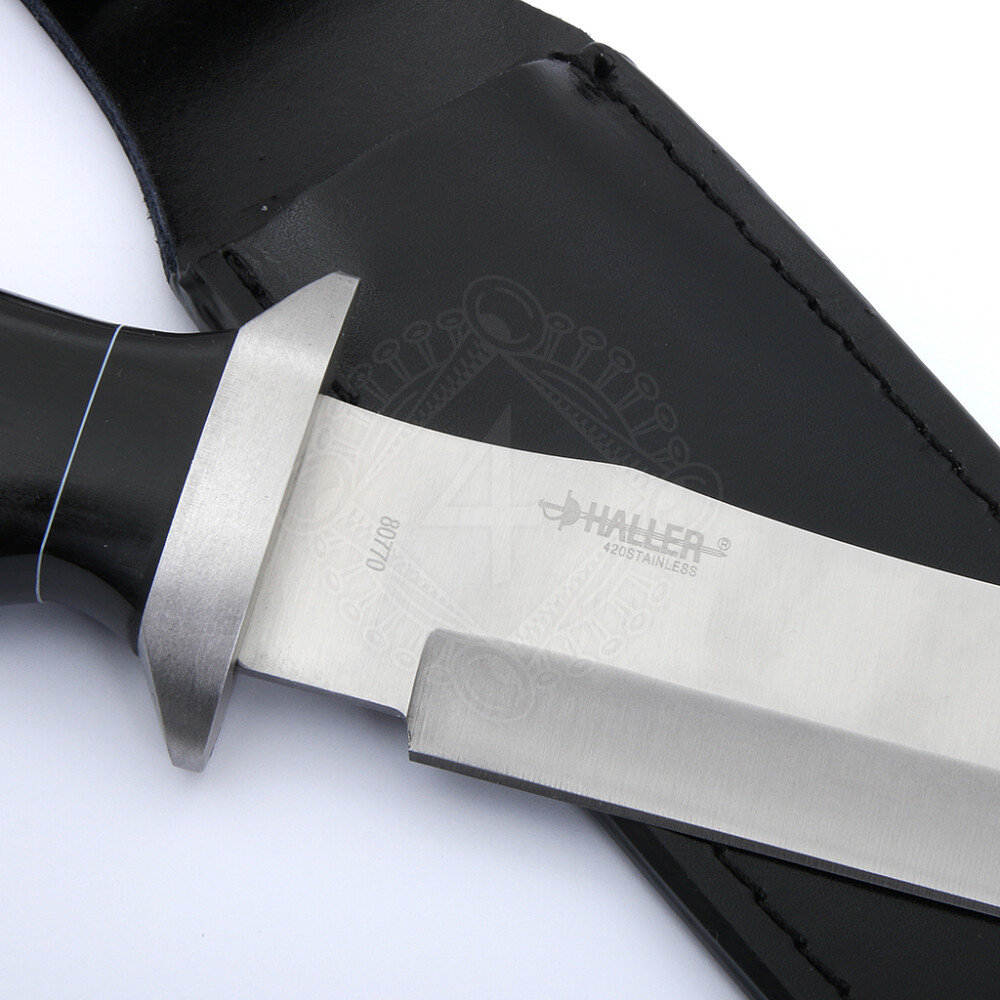
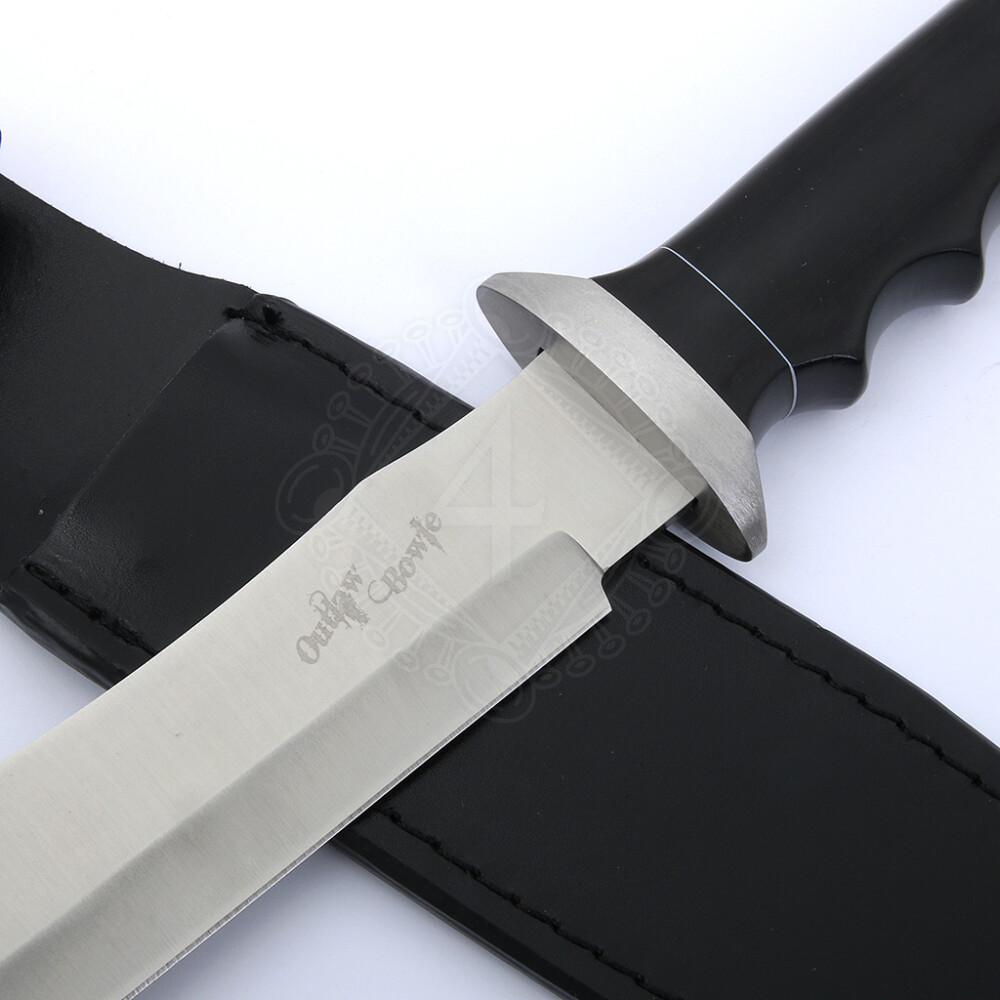
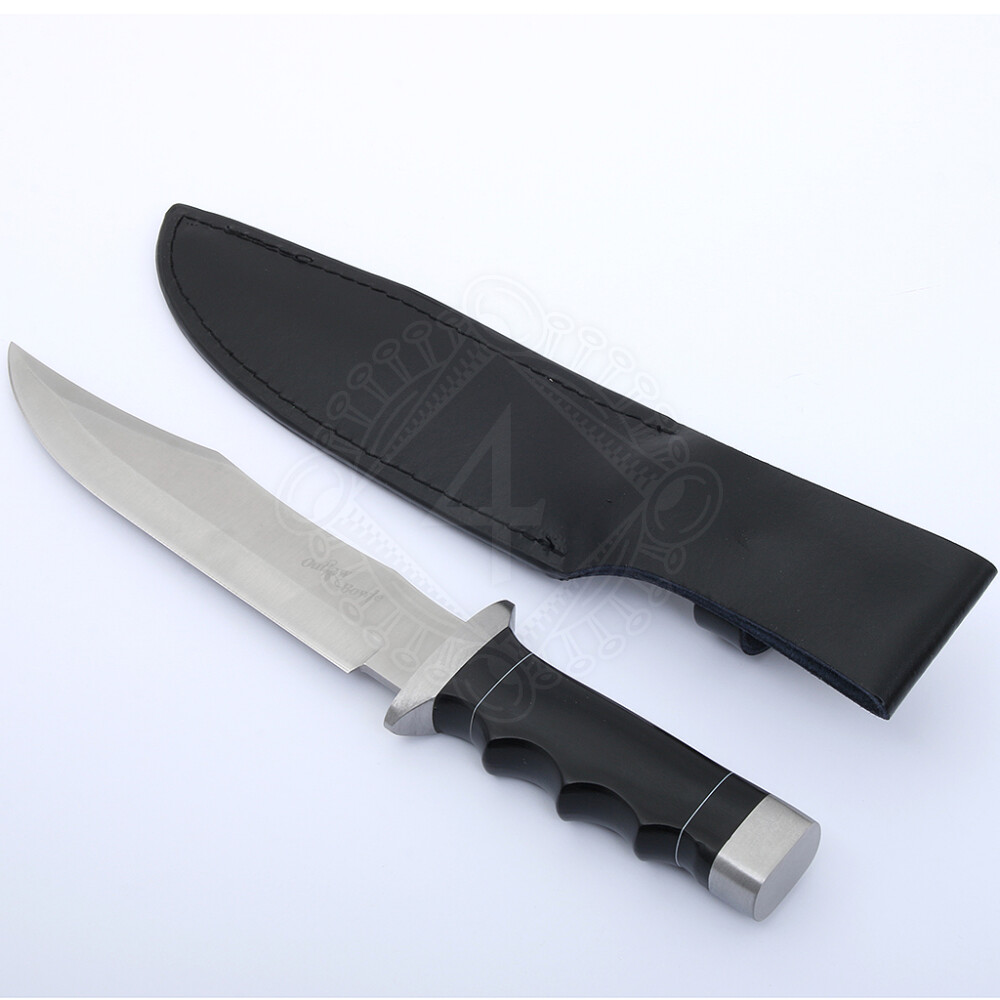
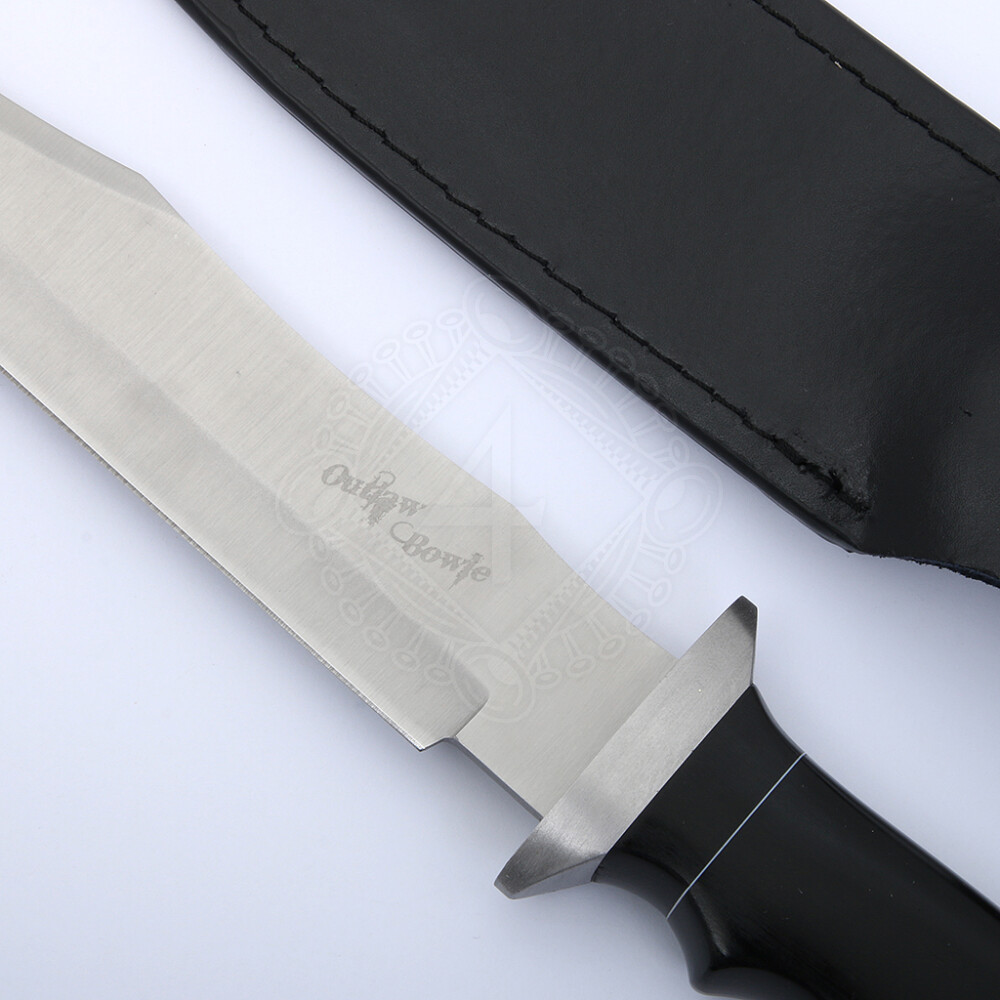
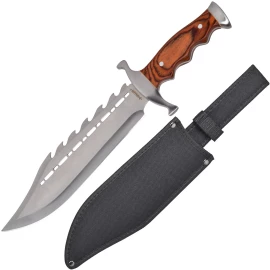
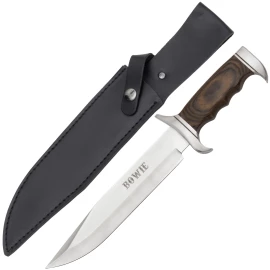
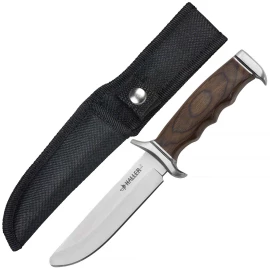
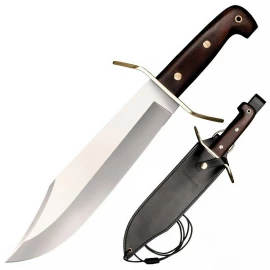
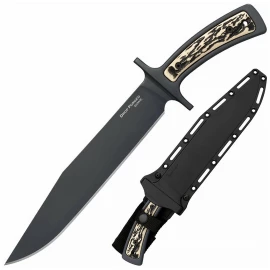
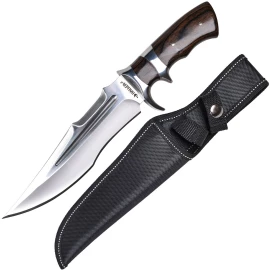
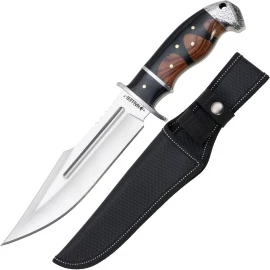
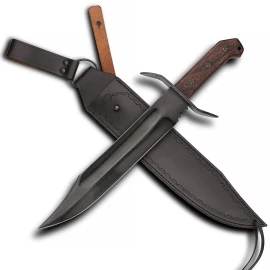
Do you feel the call of the frontier? The Outlaw Bowie Knife is not just a tool; it is a tribute to the rugged men of the Wild West—the cattle drivers, buffalo hunters, and pioneers for whom a reliable blade was a matter of survival. This massive knife blends classic 19th-century design with modern durability. The handle is ergonomically shaped with distinct finger grooves to ensure a secure grip, even during heavy-duty tasks. The scales are made of Pakkawood (an engineered wood composite), which offers superior hardness and resistance to moisture while maintaining the beautiful grain of natural timber. Whether you are a bushcrafter, a hunter, or a collector of Western memorabilia, this knife commands respect. Further product information ...
Would you like to be notified as soon as the item is in stock?
You will receive a short e-mail as soon as we have it back in stock.
Outlaw Bowie Hunting Knife with Pakkawood Handle
Design and Features
The centrepiece of this knife is the impressive 210 mm (8.3") blade made of 420 stainless steel. The classic clip point shape allows for precise piercing work as well as heavy chopping strokes. A massive stainless steel crossguard and pommel protect your hand and provide excellent balance. The black handle scales are tastefully accented with white liners, giving the knife an elegant finish. It comes complete with a sturdy leather belt sheath with a snap fastener.
Technical Specifications
| Knife Type | Bowie (Clip Point) |
| Blade Material | 420 Stainless Steel |
| Handle Material | Pakkawood, Stainless Steel |
| Total Length | 335 mm (approx. 13.2") |
| Blade Length | 210 mm (approx. 8.3") |
| Blade Thickness | approx. 4.3 mm (0.17") |
| Max. Blade Width | approx. 38 mm (1.5") |
| Accessories | Leather belt sheath |
Historical Context: The Blade That Won the West
The Bowie knife is named after Colonel James Bowie, a legendary figure of the Texas Revolution who died at the Alamo. Legend has it that his brother, Rezin P. Bowie, designed the original knife to be a hunting tool that could also serve as a formidable weapon in close-quarters combat. Following the famous "Sandbar Fight" of 1827, the knife became a sensation. During the Civil War and the subsequent expansion into the West, this type of knife was essential gear for soldiers and frontiersmen alike, serving equally well for dressing game, chopping firewood, or self-defence.
Maintenance and Care
To ensure your knife lasts a lifetime, take proper care of it. Clean and dry the blade after every use, especially if it has been in contact with acidic substances or moisture. Do not store the knife in the leather sheath for prolonged periods, as leather can trap moisture. The Pakkawood handle is very durable, but an occasional polish with wax or oil will keep it looking pristine. Keep the edge keen with a quality sharpening stone.
We are here for you!